If you have spent any time on social media lately, you have probably noticed that the hustle culture obsession with waking up at four in the morning has quietly been replaced. The new digital status symbol is not how early you can grind. It is how deeply you can rest.
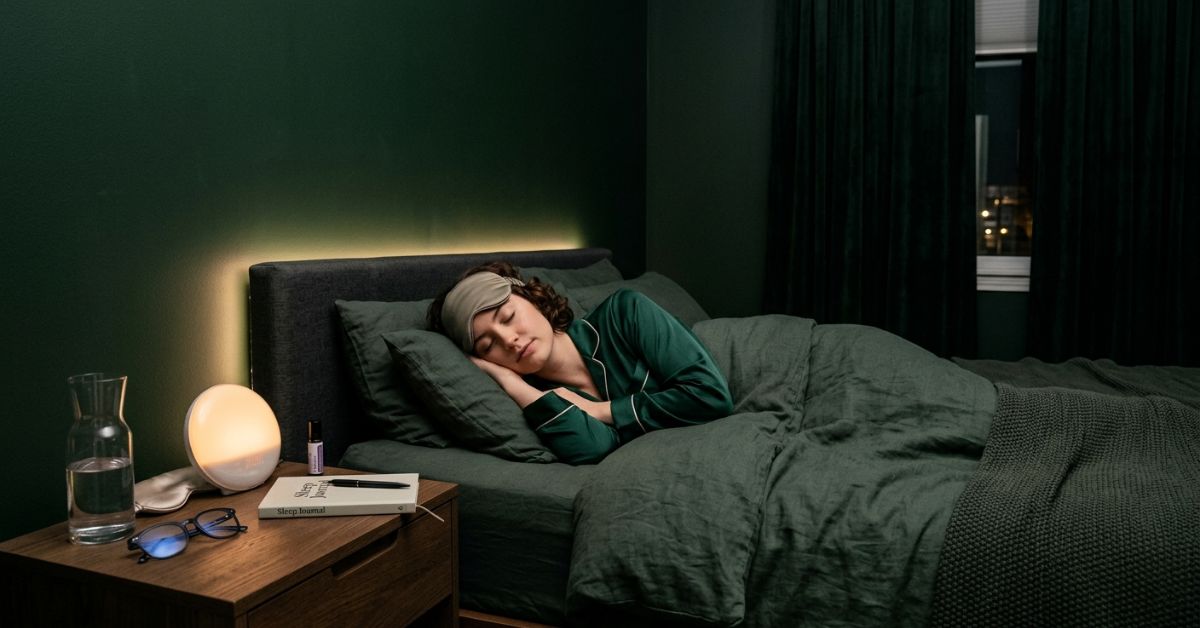
That shift has a name: sleepmaxxing. It is the practice of deliberately optimizing every variable of your evening routine, from room temperature to diet to breathing, in pursuit of the highest quality sleep possible. Rather than treating sleep as something that simply happens once you close your eyes, sleepmaxxing treats it as a skill to be trained, tracked, and improved, closer to a sport than a passive biological need.
This guide breaks down where the trend came from, which of its most talked about techniques actually hold up to scrutiny, where it can tip into something counterproductive, and what a realistic, evidence grounded version of sleepmaxxing actually looks like.
|
Key Takeaways
- Sleepmaxxing treats sleep as something to actively optimize, using tools ranging from simple habit changes to wearable trackers.
- Some viral techniques, such as nasal breathing support and cooler bedrooms, have real physiological backing. Others, like mouth taping, carry meaningful caution flags for certain people.
- Diet based claims, such as kiwi improving sleep onset, are supported by actual clinical research, not just social media anecdote.
- Obsessive tracking of sleep scores can create a documented condition called orthosomnia, where the pursuit of perfect sleep data itself becomes a source of anxiety and worse sleep.
- The most effective and lowest risk version of sleepmaxxing looks close to standard sleep hygiene, just applied with more consistency and intention.
|
Where Sleepmaxxing Came From
Sleepmaxxing did not appear out of nowhere. It emerged directly out of burnout culture, as a growing number of people who spent years optimizing their productivity started applying that same intensity to recovery instead. Chronic overwork tends to elevate stress hormones well into the evening, which is part of why so many people who first got interested in sleepmaxxing were also dealing with a wired, overstimulated feeling at bedtime. If that pattern sounds familiar, our guide on why your stress level is high when you sleep explains the underlying mechanism in more depth.
The trend also reflects something sleep researchers have been saying for years: sleep is not a passive backdrop to health, it is an active driver of it. The National Institute of General Medical Sciences (NIGMS) describes how internal circadian rhythms regulate nearly every major system in the body, including hormone release, metabolism, and immune function, which helps explain why so many people report that dialing in their sleep produces effects that ripple far beyond simply feeling less tired.
Breaking Down the Core Sleepmaxxing Techniques
Not every technique under the sleepmaxxing umbrella is equally well supported. Here is an honest look at four of the most common ones.
Mouth Taping
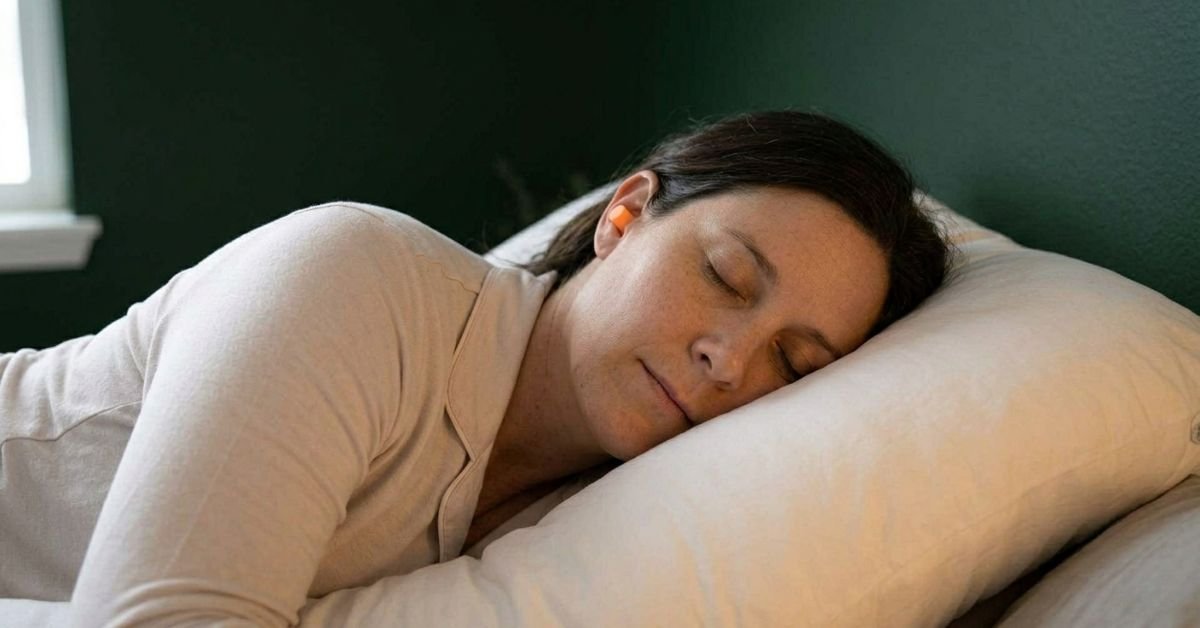
One of the most talked about and visually striking sleepmaxxing behaviors is mouth taping: placing a small piece of skin safe, breathable medical tape over the lips before bed to force nasal breathing. Breathing through the nose filters incoming air, supports better oxygen exchange, and can reduce the dry mouth and snoring that often interrupt sleep mid cycle.
The important caution here is who this is appropriate for. The National Library of Medicine's overview of sleep apnea explains that obstructive sleep apnea involves repeated blockage of the airway during sleep, a condition that can become significantly more dangerous if something is deliberately restricting mouth breathing as a backup airway. Anyone with diagnosed or suspected sleep apnea, chronic nasal congestion, or allergies should talk to a doctor before trying this, rather than adopting it purely because it is trending.
Cooler Bedroom Temperature
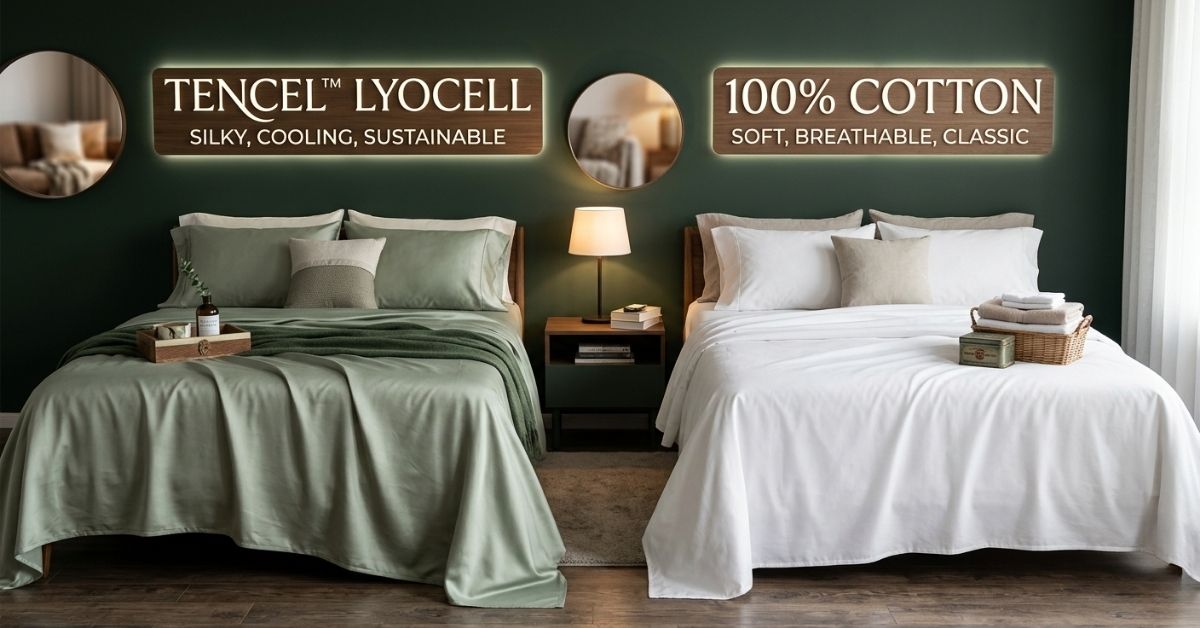
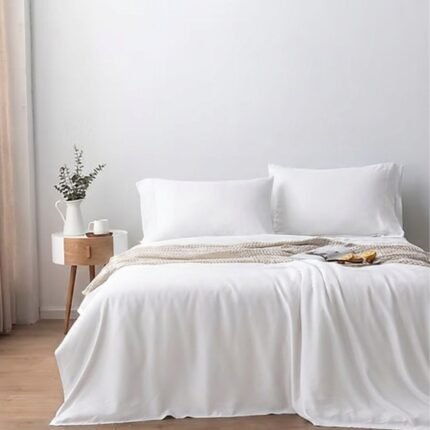
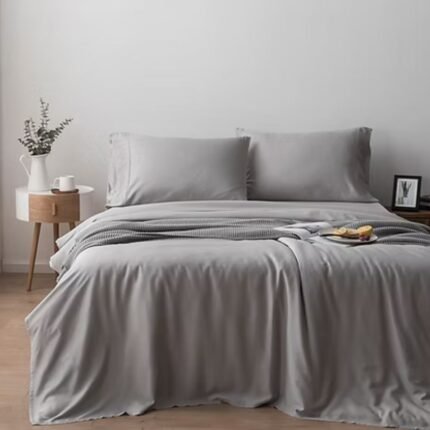
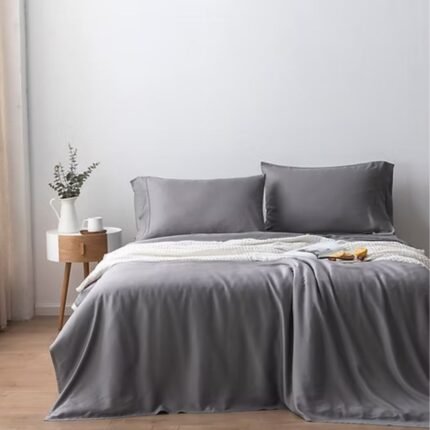
A consistently recommended piece of the sleepmaxxing stack is dropping bedroom temperature to around sixty five degrees Fahrenheit, or about eighteen degrees Celsius. This is not just a comfort preference. Core body temperature naturally drops as part of the process of falling asleep, and a cooler environment supports that drop rather than fighting it. What is actually touching your skin overnight plays into this too. Breathable, temperature regulating bedding, such as Oeko Tex certified bamboo sheets, an organic sheet set, or an organic cotton bed sheet set, can help maintain that cooler microclimate through the night instead of trapping heat the way synthetic fabrics often do.
Kiwi and Diet Based Approaches
A lot of sleepmaxxing content leans on diet, and one specific claim shows up constantly: eating kiwi before bed helps you fall asleep faster. This one actually holds up. Kiwis are naturally high in serotonin, a brain chemical that acts as a biochemical precursor to melatonin, the hormone that helps regulate the sleep wake cycle. The USDA FoodData Central database confirms kiwi's strong micronutrient profile, including notably high vitamin C and antioxidant content, which may help reduce the low grade systemic inflammation that can interfere with settling into deep sleep. For context on how the body converts these compounds, the NIH Office of Dietary Supplements' melatonin fact sheet explains the relationship between dietary precursors, natural melatonin production, and sleep timing.
Wearable Sleep Trackers
Rings, watches, and mattress sensors that estimate sleep stages have become central to the sleepmaxxing identity, turning a night's rest into a data point that can be optimized like a workout. These tools can genuinely help by revealing patterns, such as a late caffeine habit quietly wrecking deep sleep. The catch is what happens when the number itself becomes the goal, which is covered next.
| Technique |
What It Claims |
Evidence Level |
Who Should Be Cautious |
| Mouth taping |
Forces nasal breathing, reduces snoring and dry mouth |
Plausible mechanism, limited high quality trial data |
Anyone with sleep apnea, chronic congestion, or allergies |
| Cooler bedroom, around 65°F |
Supports the natural core temperature drop before sleep |
Well established in sleep physiology research |
Generally low risk for most people |
| Kiwi before bed |
Provides serotonin and antioxidants that support sleep onset |
Supported by clinical sleep studies |
Generally low risk, aside from kiwi allergy |
| Sleep tracking wearables |
Quantifies sleep stages and quality trends over time |
Useful for pattern spotting, not diagnostic grade accuracy |
People prone to anxiety or perfectionism around health data |
When Optimization Becomes a Problem: Orthosomnia
There is a documented flip side to all of this. Sleep researchers use the term orthosomnia to describe a pattern where the pursuit of perfect sleep tracker data itself becomes a source of anxiety, ironically making sleep worse. Someone can be physically ready for rest and still lie awake worrying about whether tonight's score will beat last night's.
This overlaps closely with a fear of not being able to sleep well, rather than a physical inability to sleep. If checking a sleep score has started to feel more stressful than restful, it is worth reading our guide on somniphobia and the fear of sleeplessness, since the anxiety loop it describes is strikingly similar to what orthosomnia produces. A racing, evaluative mind at bedtime is also its own separate obstacle worth addressing directly; our pieces on how to stop your mind racing at night and dealing with an overactive mind at night both offer concrete ways to interrupt that pattern.
It is also worth remembering that optimal sleep is not identical for everyone. Sleep needs and architecture change meaningfully across the lifespan, which is one reason a fixed sleep score target does not make sense for every person; our article on why elderly people sleep a lot illustrates just how much normal, healthy sleep patterns can shift with age.
A More Realistic Way to Sleepmaxx
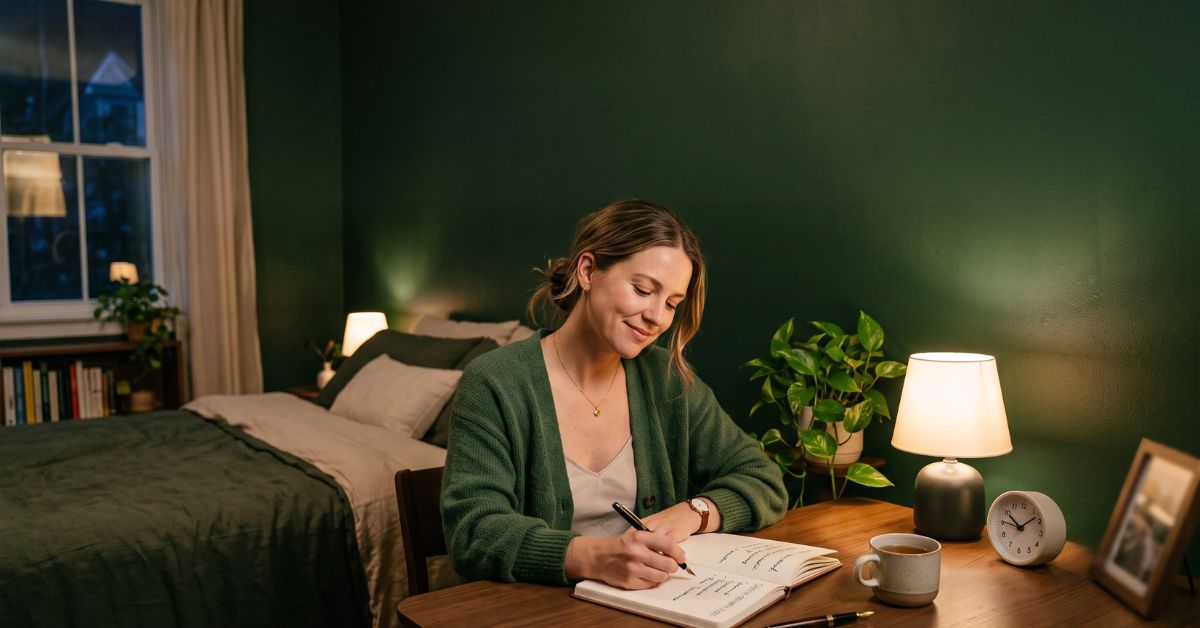
You do not need a bedroom full of expensive gadgets to get most of the real benefit. The Centers for Disease Control and Prevention's guidance on healthy sleep points to the same small set of fundamentals that most of the trend's genuinely useful techniques are built on: a consistent sleep and wake schedule, a dark and cool room, and a wind down period before bed rather than an abrupt switch from stimulation to sleep.
A few practical additions worth layering in:
- If muscle tension is part of what keeps you wired at night, it is worth understanding whether muscle relaxers actually help you sleep compared with non pharmaceutical relaxation approaches.
- Gentle movement before bed is an underrated, low effort addition; our guide on whether stretching before bed helps you sleep covers a simple way to physically cue the body toward rest.
- For a more structured, evidence based approach to winding the nervous system down, our guide on relaxation therapy for sleep goes deeper into specific techniques than a single nightly habit can.
- If you are optimizing sleep quality while also running on a short schedule, it is worth being honest about the tradeoff; our piece on whether four hours of sleep is enough explains why no amount of optimization fully substitutes for adequate total sleep time.
According to NCCIH's overview of relaxation techniques, practices that combine breathing, gentle movement, and focused attention can reliably trigger the body's relaxation response, which is really what most of the effective sleepmaxxing techniques are doing under a trendier name.
A note on what people commonly say about this trend: In online discussions about sleepmaxxing, a recurring theme is that people describe two very different experiences depending on how they approach it. Those who focus on one or two consistent habits, most often a cooler room and a fixed wake time, tend to report steady, lasting improvement. Those who chase every viral technique at once, or who become fixated on a nightly sleep score, more often describe frustration, disrupted sleep from constantly checking a device, or feeling like sleep turned into another task to fail at. That split lines up closely with the distinction between genuine sleep hygiene and orthosomnia described above.
|
Recommendation
Start with exactly one change, not five. A consistent wake time and a cooler bedroom produce more measurable benefit than mouth tape, a kiwi habit, and a new wearable adopted all in the same week. Add one new element every one to two weeks so you can actually tell what is working. If you already use a sleep tracker, treat the data as one input rather than a nightly verdict on your worth, and consider taking a break from checking it first thing in the morning if it is adding stress rather than removing it.
|
Final Thoughts
The most useful version of sleepmaxxing has very little to do with gadgets or viral hacks. It is closer to old fashioned sleep hygiene, practiced with more consistency and intention than most people previously gave it. A cool room, a steady schedule, a genuine wind down period, and one or two evidence backed additions like kiwi or supported nasal breathing will get most people most of the benefit this trend promises, without the risk of turning bedtime into another performance to optimize.
Sources and References
- National Institute of General Medical Sciences, NIH: Circadian Rhythms Fact Sheet
- MedlinePlus, National Library of Medicine: Sleep Apnea
- USDA FoodData Central
- NIH Office of Dietary Supplements: Melatonin Fact Sheet
- Centers for Disease Control and Prevention: About Sleep
- National Center for Complementary and Integrative Health, NIH: Relaxation Techniques, What You Need To Know