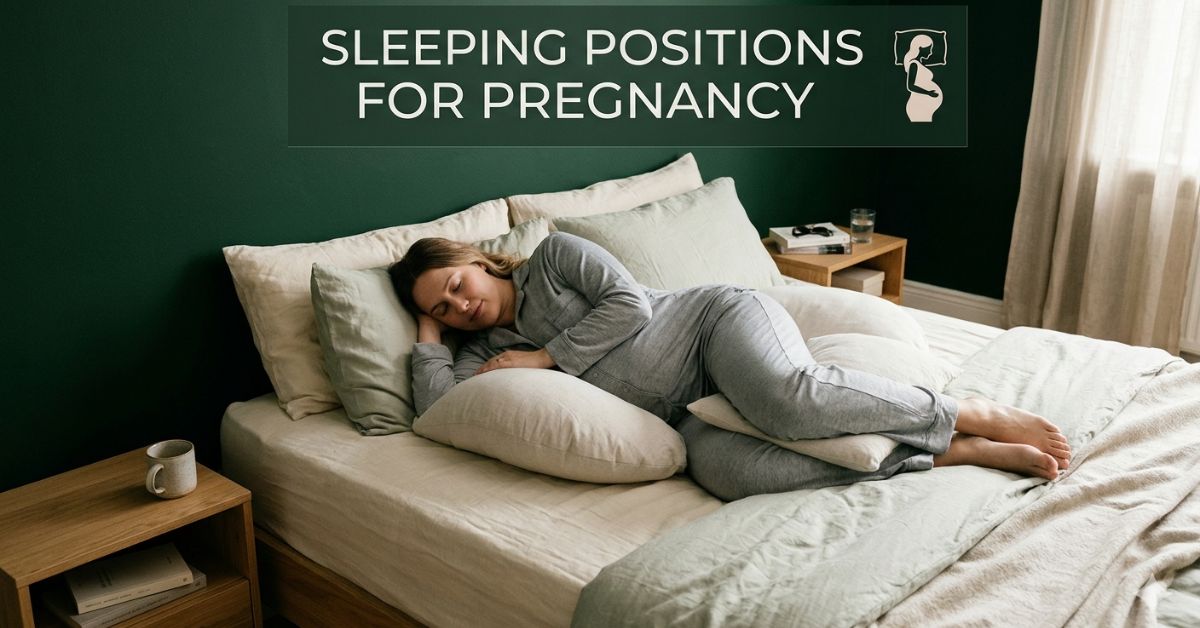
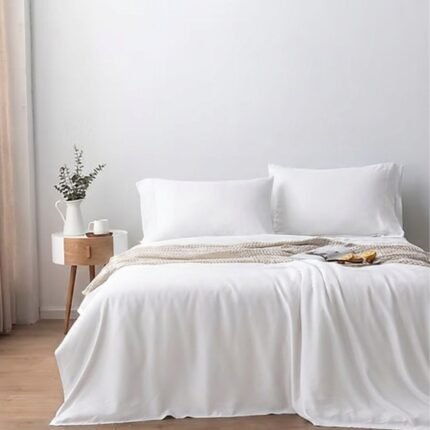
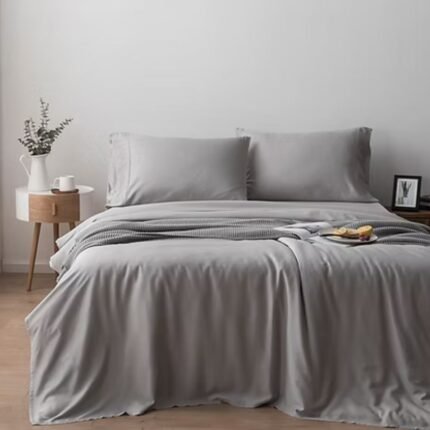
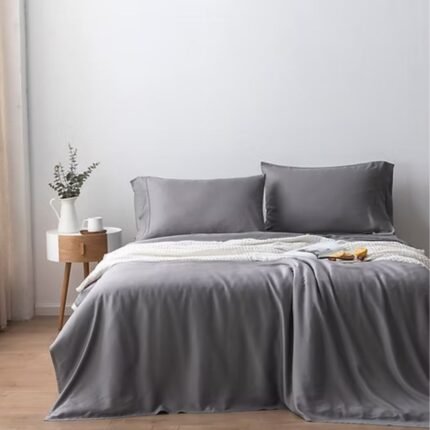
There is something deeply satisfying about climbing into a bed that feels like a luxury retreat. Thread count used to be the main measure of good bedding, but more sleepers are now moving toward natural fibers instead of standard synthetics. Among the top choices, linen has become a favorite for anyone who wants to upgrade the quality of their sleep.
This guide brings together current research, government resources, and practical buying advice so you can decide with confidence whether linen sheets are the right fit for your bed, your skin, and your budget.
Why Linen Regulates Temperature So Well
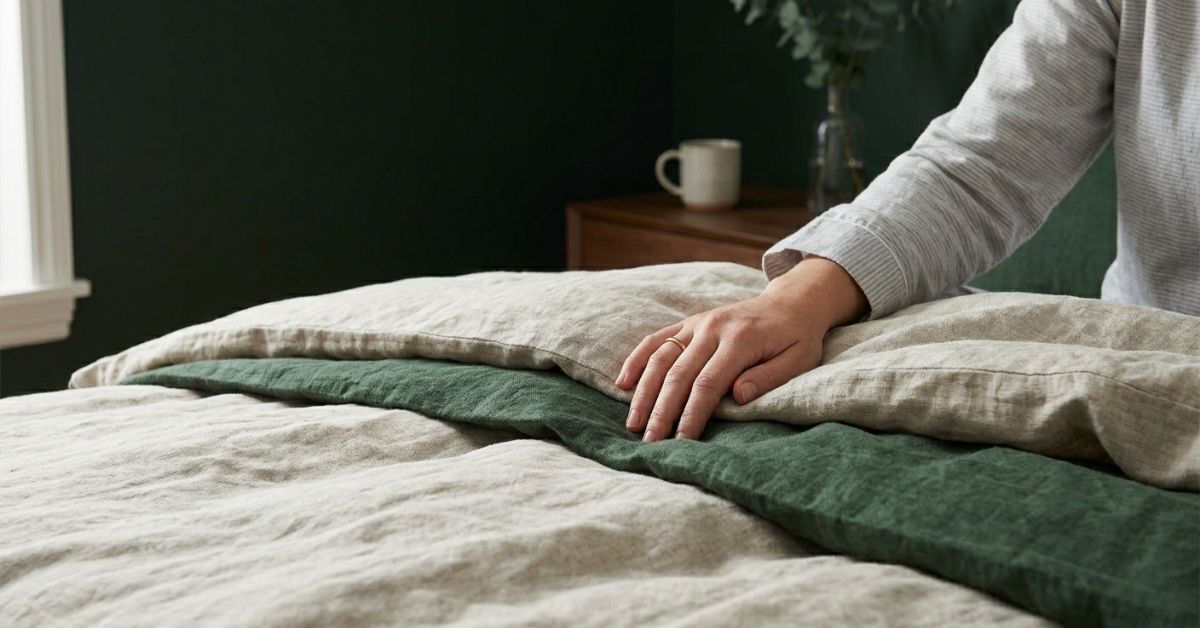
If you tend to sleep hot or wake up damp with sweat, linen can make a real difference. Linen is woven from the fibers of the flax plant, and its open weave allows air to move freely through the fabric so heat does not build up against the skin.
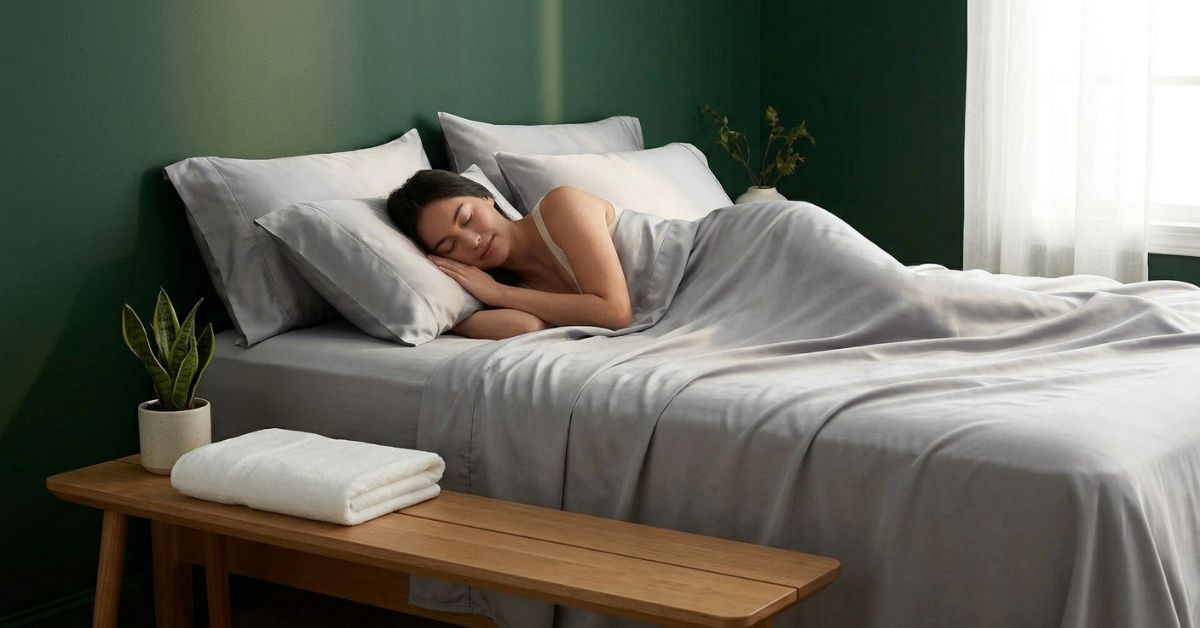
Sleep researchers have long noted that the body relies on bedding to create a stable microclimate, since skin temperature that drifts even a few degrees outside the comfortable range can disturb sleep quality. Research summarized by the National Institutes of Health explains that humans actively use bedding to build a warm microclimate around the body, and that maintaining a stable skin temperature during the night supports deeper, more consistent sleep.
Linen is not only for warm weather either. Because flax fibers also hold a light layer of air near the body, linen sheets provide gentle insulation in cooler months without causing overheating. This is what gives linen its reputation as a true all season fabric.
Built to Last: The Durability Advantage
Most standard sheets begin to thin, pill, or lose their shape after a year or two of regular washing. Linen behaves differently. Flax fibers are thicker and stronger than cotton fibers, and this extra strength is what allows linen sheets to hold up for many years of use.
The strength and quality of flax fiber is well documented. The United States Department of Agriculture Agricultural Research Service has worked with textile scientists to establish quality standards for flax fiber fineness, color, and cleanliness, noting that natural fibers such as flax are prized in manufacturing precisely because of their strength and consistency once properly graded.
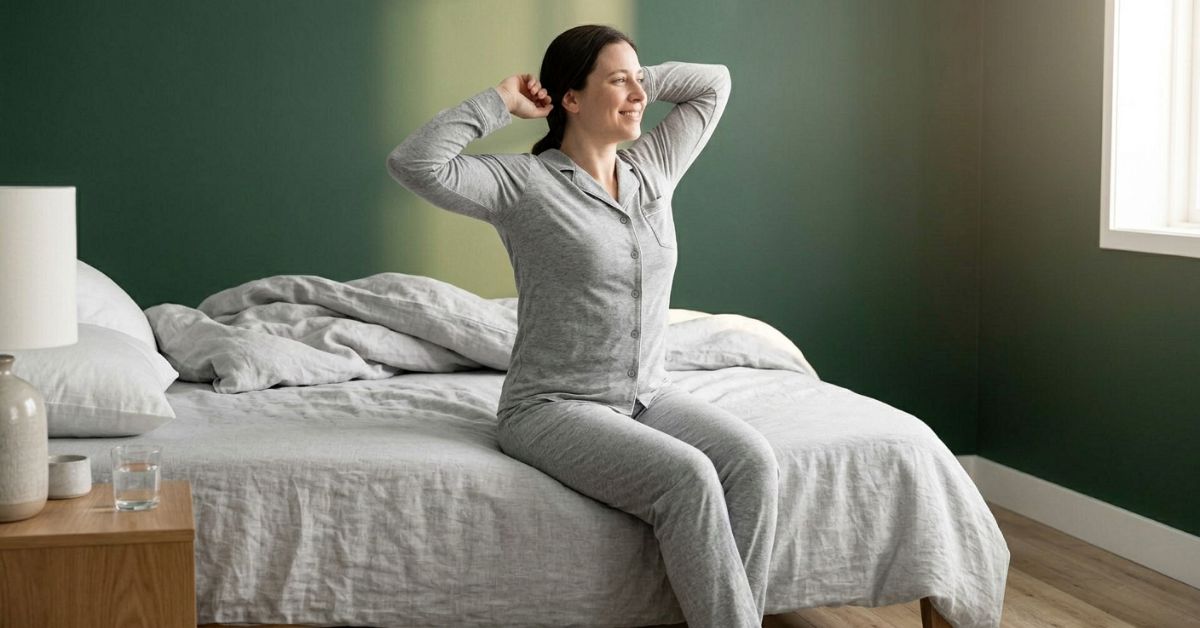
New linen sheets can feel a little crisp or textured right out of the package. That texture softens with every wash, and the fabric develops a relaxed, lived in feel that many sleepers come to love. Unlike synthetic fabrics that degrade with age, linen genuinely improves the more it is used.
Linen and Sensitive Skin: Allergies, Eczema, and Dust Mites
Bedding plays a bigger role in allergy management than most people realize. Dust mites thrive in warm, humid textiles, and their waste is one of the most common indoor allergens linked to asthma and skin flare ups.
The National Institute of Environmental Health Sciences reports that dust mites commonly live in mattresses, bedding, and upholstered furniture, and recommends washing all bedding weekly in hot water, between 130 and 140 degrees Fahrenheit, to reduce allergen levels. Because linen is highly breathable and resists trapping moisture, it creates a less hospitable environment for dust mites than heavier, moisture holding fabrics.
For people managing asthma or dust mite allergies, the Centers for Disease Control and Prevention advises using allergen proof mattress and pillow covers and avoiding down filled bedding, since down and feather fills tend to hold moisture and allergens more than plant based fibers such as linen or cotton.
Because linen wicks moisture away from the body quickly and dries fast, it also tends to be gentler on eczema prone or reactive skin than fabrics that stay damp overnight. If skin sensitivity is your main concern, a certified organic option such as our Organic Sheet Set or Organic cotton bed sheet set pairs the same breathable comfort with fibers grown without synthetic pesticides.
Linen vs Cotton vs Silk vs Bamboo: How Do They Compare
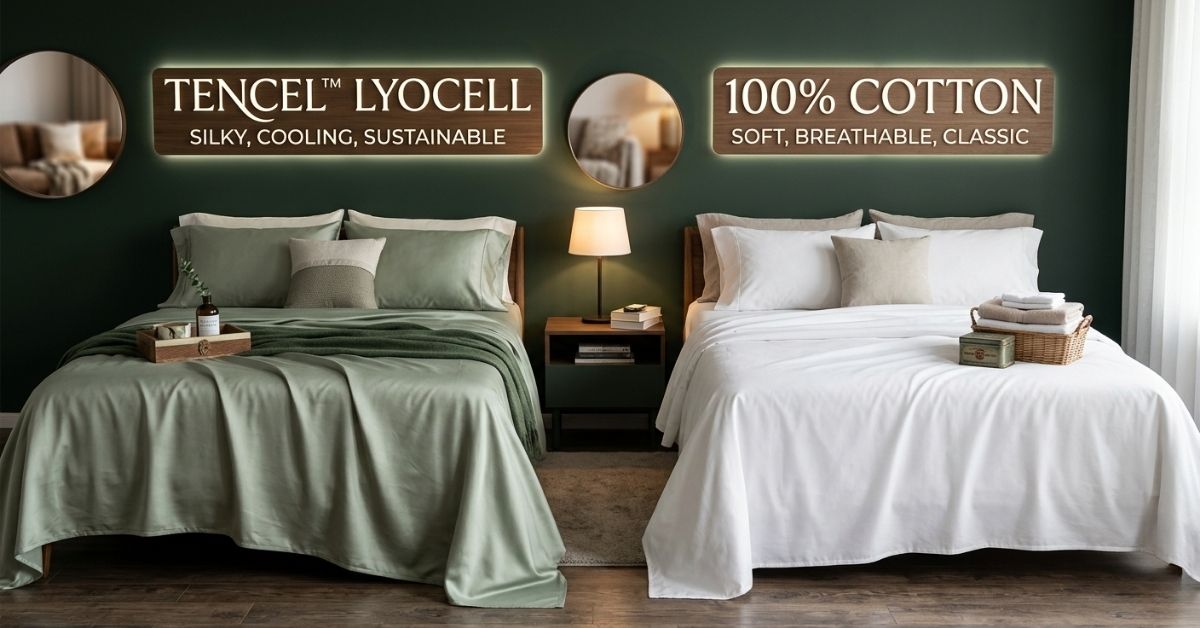
Linen is not the only natural fiber worth considering. Cotton, silk, and bamboo each bring their own strengths, and the right choice often depends on your climate, your skin, and how much maintenance you want to take on. The table below summarizes how the four compare.
| Feature |
Linen |
Cotton |
Silk |
Bamboo |
| Breathability |
Excellent |
Good |
Good |
Very good |
| Moisture wicking |
Excellent, dries almost instantly |
Absorbs moisture, dries slowly |
Moderate |
Very good |
| Durability |
Very high, can last decades |
Moderate to high |
Low, delicate fiber |
Moderate to high |
| Initial feel |
Crisp, softens with washing |
Soft right away |
Very smooth and slippery |
Soft and silky |
| Care |
Machine washable, easy |
Machine washable, easy |
Often needs delicate cycle or dry clean |
Machine washable, easy |
| Best for |
Hot sleepers, all season comfort |
Everyday value and a crisp look |
Hair and skin comfort, special occasions |
Sensitive skin and a soft, silky feel |
If you are trying to decide between two of the softer, more delicate options, our comparison of Bamboo vs. Silk Sheets walks through feel, care, and price in more depth. Shoppers who want a natural fiber with a lower price point than silk often ask whether bamboo sheets are softer than cotton, and the short answer is that bamboo typically feels smoother right away, while cotton and linen both soften over repeated washes.
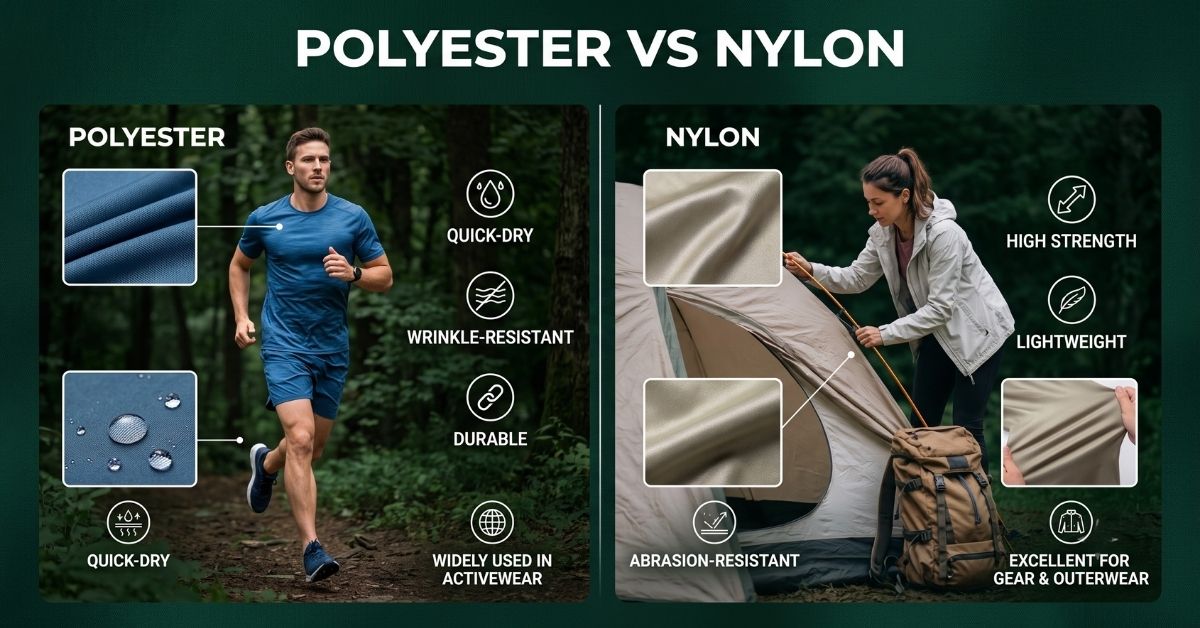
For budget conscious buyers weighing natural fiber against synthetic blends, our guide to Polyester vs. Cotton Sheets explains why breathable natural fibers, including linen, generally outperform polyester for temperature regulation and long term comfort.
If sustainability and eco friendly sourcing matter to you, it is worth reading how organic cotton compares to bamboo lyocell, and how linen, cotton, and bamboo sheets stack up against one another across price, softness, and environmental footprint.
Shoppers who already love the crisp, classic feel of high thread count cotton may want to see how bamboo compares to Egyptian cotton, and how organic cotton compares to conventional cotton when it comes to farming practices, chemical exposure, and skin friendliness.
Understanding Sheet Labels and Safety Standards
Once you start comparing fibers, it helps to know what the labels on your bedding are actually required to tell you, and what standards govern the safety of the products themselves.
In the United States, the Federal Trade Commission requires that most textile and bedding products, including sheets, carry a label listing fiber content, country of origin, and the identity of the manufacturer or marketer. This is why a genuine linen sheet set should clearly state its flax fiber content rather than simply using the word linen as a marketing term.
Bedding sold in the United States is also subject to federal flammability rules. The Consumer Product Safety Commission enforces flammability standards for mattresses and mattress pads under the Flammable Fabrics Act, giving households a baseline level of fire safety assurance for the bedding materials placed on top of a mattress.
If a brand claims its sheets are organic, it is worth knowing what that actually requires. The United States Department of Agriculture Agricultural Marketing Service explains that a finished textile product can only display the USDA organic seal if it is produced in full compliance with USDA organic regulations, and that products meeting the Global Organic Textile Standard may also be sold as organic in the United States. Options such as our Oeko Tex certified bamboo sheets carry independent certification confirming the fabric has been tested for harmful substances, which is a useful reference point when comparing claims across brands.
Is It Worth the Switch? Our Recommendation
Investing in premium bedding is ultimately an investment in your sleep. Linen usually costs more upfront than a standard cotton blend, but its long lifespan means you are unlikely to replace it again for many years.
- Choose linen if: you sleep hot, want a fabric that improves with age, and do not mind a slightly relaxed, textured look.
- Choose an organic cotton set such as our Organic Sheet Set or Organic cotton bed sheet set if: you want a soft, crisp feel from the first night and prefer fibers grown without synthetic pesticides.
- Choose our Oeko Tex certified bamboo sheets if: you want a silky, cooling feel with independently certified safety from harmful substances.
- Choose silk if: you want the smoothest possible surface for hair and skin and are comfortable with delicate, higher maintenance care.
Whichever fiber you choose, the combination of breathability, moisture wicking, and easy care makes linen one of the strongest all around choices for a comfortable, temperature regulated bed throughout the year.
Sources