If you have ever stood in the clothing or bedding aisle squinting at a care label, you are not alone. You see viscose on one tag, rayon on another, and suddenly you are faced with a classic textile puzzle.
Are you looking at two entirely different materials, or is this simply marketing language? This guide breaks down viscose and rayon in plain terms, backed by the federal labeling rules and the health and safety data that U.S. regulators publish, so you can shop with confidence.
Are Viscose and Rayon the Same Fabric?
The short answer is yes and no. Think of it like rectangles and squares. Rayon is the umbrella term for any manufactured fiber made from regenerated cellulose, usually wood pulp. Viscose is one specific member of that family, made using what is known as the viscose process, named after the viscous liquid used during manufacturing.
So while all viscose is rayon, not every rayon is viscose. Other members of the rayon family include modal and lyocell, which rely on different manufacturing methods. In everyday shopping, though, when people ask whether viscose and rayon are the same thing, they are functionally interchangeable.
This is not just an informal industry habit, either. Under the Textile Fiber Products Identification Act, the Federal Trade Commission requires clothing and household textile labels to list the true generic fiber name, and rayon is one of the recognized generic names a manufacturer must use. You can read the full requirements in the FTC's own guidance, Threading Your Way Through the Labeling Requirements Under the Textile and Wool Acts, and in the underlying regulation at 16 CFR Part 303.
What Is Viscose Fabric?
Viscose is a semisynthetic fiber made from chemically treated wood pulp, often sourced from eucalyptus, beech, or pine trees. It is called semisynthetic because it starts as a natural, plant based material but goes through an intensive chemical process that turns those plant fibers into a spinnable liquid, which is then extruded into fine threads and woven or knitted into fabric.
What Does Viscose Feel and Look Like?
The closest comparison for viscose is silk. It was originally developed in the late nineteenth century as a more affordable alternative to luxury silk, and it still shares that fluid drape and soft, subtle sheen. In everyday wear, viscose also behaves a lot like fine cotton, though it typically feels smoother and drapes with less structure. If you are weighing viscose against a natural cotton weave, our comparison of Organic Cotton vs. Conventional Cotton walks through how each fiber behaves on the skin and in the wash.
Bamboo Rayon vs Bamboo Viscose: Same Fiber, Different Names
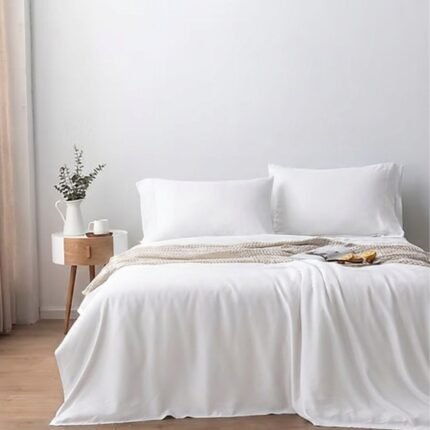
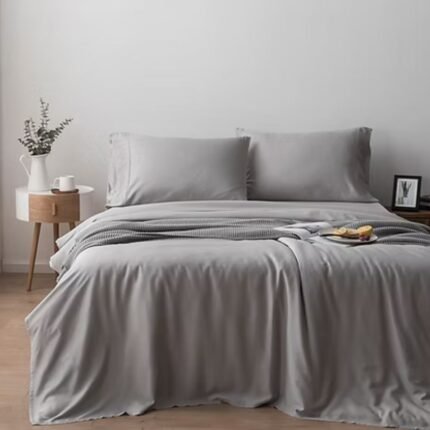
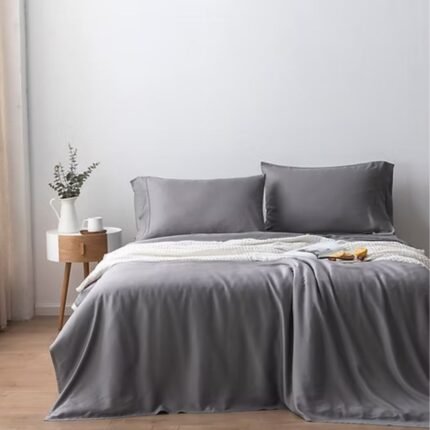
Bedding and apparel brands often market bamboo rayon and bamboo viscose as though they are two competing products. In reality, they are almost always the same fiber. Both terms describe cellulose extracted from bamboo and processed using the viscose method.
- Bamboo viscose is simply the more precise term, since it names the exact chemical process used.
- Bamboo rayon is the broader umbrella classification for the same fiber.
Whichever term a brand uses, you can expect the same core qualities: a soft handfeel, strong moisture wicking performance, and a cool touch that makes temperature regulating sheets popular with hot sleepers.
This labeling distinction is not just semantics. It is federal law, and it has real financial consequences. In 2013, the FTC settled with four major retailers, Sears, Amazon, Macy's, and Leon Max, for a combined 1.26 million dollars in civil penalties after the companies advertised rayon products as unqualified "bamboo fiber" without disclosing the chemical processing involved. As the FTC explained in its own announcement, sellers must call a textile rayon even when bamboo was the original plant source. You can read the agency's summary here: Four National Retailers Agree to Pay Penalties Totaling $1.26 Million for Allegedly Falsely Labeling Textiles as Made of Bamboo. If you want to check a brand's compliance yourself, look for the phrase "rayon from bamboo" or "viscose from bamboo" on the label rather than an unqualified "bamboo" claim.
Curious how bamboo viscose stacks up against other plant based fibers for bedding? See our guides on Eucalyptus vs. Bamboo Sheets, Organic Cotton vs. Bamboo Lyocell, and Bamboo vs. Egyptian Cotton.
The Rules Behind Your Bedsheets: What Government Agencies Say About Viscose
Because viscose touches so many households, several U.S. agencies regulate different parts of its life, from the factory floor to the label sewn into your pillowcase. The table below summarizes who oversees what.
| Agency |
What It Regulates |
Key Rule or Resource |
| Federal Trade Commission (FTC) |
Fiber content labeling, country of origin, and truthful advertising for viscose and rayon products |
16 CFR Part 303 |
| Consumer Product Safety Commission (CPSC) |
Flammability testing and classification for finished clothing and textiles, including viscose garments |
16 CFR Part 1610 |
| National Institute for Occupational Safety and Health (NIOSH, part of the CDC) |
Workplace exposure limits for carbon disulfide, a solvent used during viscose fiber production |
NIOSH Carbon Disulfide Topic Page |
| Environmental Protection Agency (EPA) |
Environmental release and public health data for carbon disulfide emissions from manufacturing |
EPA Carbon Disulfide Hazard Summary |
One important distinction: the carbon disulfide exposure that NIOSH and the EPA track is a workplace and manufacturing concern, not a risk for someone wearing or sleeping on a finished viscose product. The solvent is washed and processed out of the fiber well before it reaches a finished sheet set or garment. Knowing these rules is what lets you tell a properly labeled, responsibly manufactured viscose product apart from one that cuts corners.
The Real World Benefits of Viscose Fabric
There is a reason this material shows up throughout the fashion and home goods industries. A few of its most valued qualities:
- Unmatched drape. Viscose hangs smoothly without bunching, which makes it a favorite for flowing dresses, lightweight blouses, and premium bedding.
- High breathability. It does not trap body heat, so air circulates freely. That makes it a strong option for hot climates and hot sleepers.
- Absorbent and moisture wicking. It absorbs moisture efficiently, keeping you dry and comfortable through the day or night. For a deeper look at how moisture wicking synthetic fabrics compare, see Microfiber vs Polyester Sheets and Is Polyester Bad for You?.
- Silky softness. It feels gentle against the skin, offering a luxury feel without the price tag of pure silk.
Viscose vs Other Members of the Rayon Family
To see how viscose fits into the broader rayon family, here is how it compares with its two closest relatives, modal and lyocell, sometimes sold under the brand name Tencel. If you are also weighing rayon fabrics against woven natural fibers such as linen and cotton, our guides on Linen Sheets vs Cotton Sheets and Linen vs Cotton vs Bamboo Sheets cover that comparison in detail.
| Fabric Type |
Primary Source |
Production Process |
Best Used For |
| Viscose (standard rayon) |
Wood pulp: pine, beech, or eucalyptus |
Chemically intensive viscose process |
Flowing dresses, lightweight blouses, silky bed sheets |
| Modal |
Beechwood trees, almost exclusively |
Moderate chemical processing |
Underwear, pajamas, and stretch resistant activewear |
| Lyocell |
Eucalyptus trees |
Closed loop, environmentally friendlier process |
Premium sustainable apparel, durable bedding |
How to Care for Viscose and Rayon
- Wash on a delicate cycle in cool water, or follow the care label toward dry cleaning when specified.
- Avoid wringing wet viscose. Regenerated cellulose fibers lose much of their strength when saturated, so twisting the fabric can stretch or tear it.
- Tumble dry on low heat, or lay the item flat to air dry when possible.
Iron on a low setting, ideally while the fabric is still slightly damp. If you want a fiber that tolerates a normal washing machine cycle with less fuss, see how viscose compares in our guide to Polyester VS Cotton Sheets.
Our Recommendation
You do not need to stress over whether a label says viscose or rayon. If a garment or sheet set is labeled viscose, you are getting a smooth, breathable, silk like rayon. If it is labeled rayon, it was very likely made using the viscose method anyway.
- For apparel and linens: choose viscose, or bamboo viscose, if you want maximum drape, softness, and rich color depth at an accessible price. Just remember it usually needs delicate washing or dry cleaning, since it can weaken when wet.
- For durability and sustainability: if you love the feel of viscose but want something that handles regular machine washing and a closed loop production process, step up to lyocell.
Recommendation note: if you are ready to shop, a few options fit naturally with everything covered above. For the soft handfeel and cool touch described in this guide, along with independent safety testing, look at Oeko Tex Certified Bamboo Sheets. If you prefer a natural cellulose fiber grown without synthetic pesticides, our Organic Sheet Set and Organic Cotton Bed Sheet Set both give you the breathable, easy care alternative discussed in the care section above.
Sources
- Federal Trade Commission, Threading Your Way Through the Labeling Requirements Under the Textile and Wool Acts
- eCFR, 16 CFR Part 303, Rules and Regulations Under the Textile Fiber Products Identification Act
- Federal Trade Commission, Four National Retailers Agree to Pay Penalties Totaling $1.26 Million for Allegedly Falsely Labeling Textiles as Made of Bamboo
- eCFR, 16 CFR Part 1610, Standard for the Flammability of Clothing Textiles
- U.S. Consumer Product Safety Commission, Clothing Business Guidance
- CDC, National Institute for Occupational Safety and Health, Carbon Disulfide
- U.S. Environmental Protection Agency, Carbon Disulfide Hazard Summary