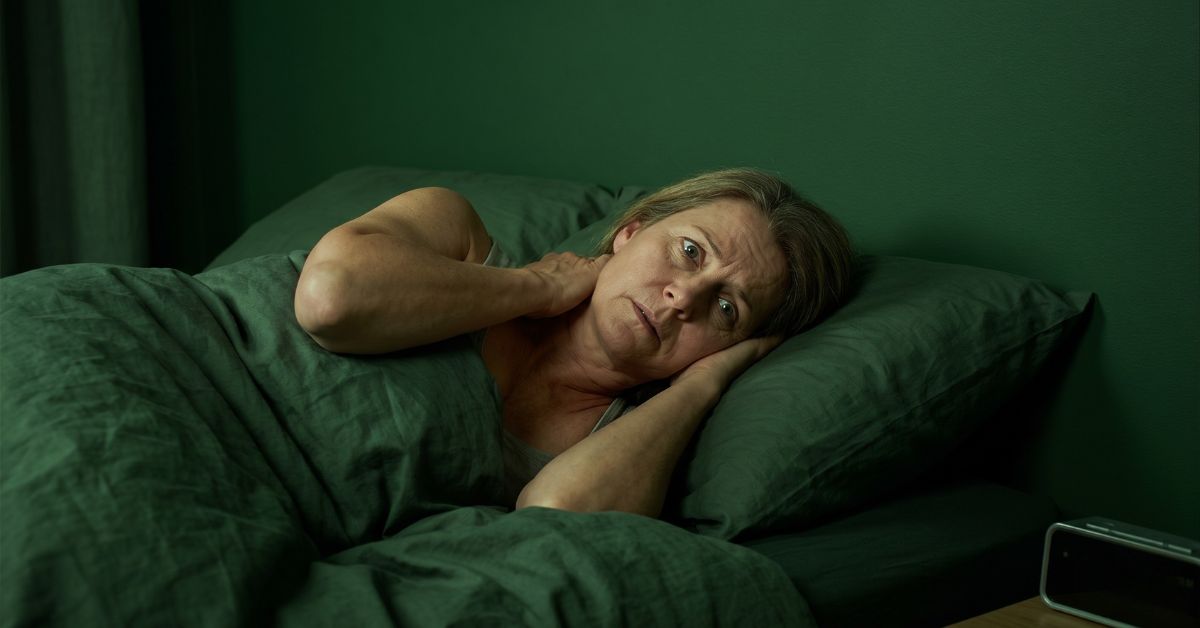
You toss and turn. Your lower back aches. A tight shoulder makes every position feel wrong. When pain keeps you awake, it is natural to wonder whether something in your medicine cabinet can finally help you rest. If you have a prescription for a muscle relaxant, the question becomes especially tempting: do muscle relaxers actually help you sleep?
The honest answer is complicated. These medications are well-known for making people drowsy, but that drowsiness is a side effect, not a sleep solution. Using them as a makeshift sleep aid carries real risks that are worth understanding before you reach for that bottle. This guide covers exactly how these drugs work, what the research says about their effect on sleep quality, and what safer alternatives actually deliver better rest.
What Are Muscle Relaxers and How Do They Work?
Prescription muscle relaxants fall into two broad categories: antispasmodics and antispastics. The most commonly prescribed antispasmodics in the United States include cyclobenzaprine (Flexeril), carisoprodol (Soma), and methocarbamol (Robaxin). Antispastics such as baclofen and tizanidine are typically reserved for neurological conditions like multiple sclerosis or spinal cord injuries.
Contrary to what many people assume, most of these medications do not act directly on muscle tissue. According to the U.S. National Library of Medicine (MedlinePlus), cyclobenzaprine and similar drugs primarily act on the central nervous system, targeting the brain and spinal cord to dampen nerve signals that cause involuntary muscle contractions.
In practical terms, they work like a sedative. They slow down brain activity, reduce the transmission of pain signals along the nervous system, and produce a heavy, relaxed sensation throughout the body. That is why the overwhelming urge to sleep is the most commonly reported side effect.
What Does It Feel Like to Take a Muscle Relaxer?
Within 30 to 60 minutes of taking a typical dose, most people report:
- A heavy, deeply relaxed feeling throughout the limbs and torso
- Significant drowsiness and mental fog
- Reduced sharpness of acute pain or localized muscle stiffness
- Dry mouth, mild dizziness, or blurred vision in some cases
The next-morning "hangover" effect, marked by lingering grogginess and reduced alertness, is also very common and can affect driving ability and concentration.
Do Muscle Relaxers Actually Improve Sleep Quality?
This is the key distinction that most people miss. There is a significant difference between falling asleep and achieving restorative sleep.
Research published in journals indexed by the National Center for Biotechnology Information (NCBI) indicates that sedating medications, including muscle relaxants, commonly suppress REM (rapid eye movement) sleep. REM sleep is the stage most associated with cognitive restoration, emotional processing, and memory consolidation. Reducing it can leave you feeling exhausted even after eight hours in bed.
In other words, a muscle relaxer may help you lose consciousness, but it often does not help your brain cycle through the deep, restorative sleep architecture it needs. Many users report waking up feeling unrefreshed precisely because the drug interrupted these natural cycles.
When Can Muscle Relaxers Legitimately Help with Sleep?
There is one clear scenario where short-term use is clinically justified: when acute muscle pain is the direct cause of sleep disruption. If a pulled muscle, severe neck spasm, or acute back injury is physically preventing you from finding a comfortable position, a short course of muscle relaxants prescribed by a physician can break that cycle of pain and sleeplessness, giving your body the rest it needs to begin healing.
The emphasis is on short-term. The U.S. Food and Drug Administration (FDA) and most prescribing guidelines recommend use limited to two to three weeks at most for acute musculoskeletal conditions. Beyond that window, the risk-to-benefit ratio shifts considerably.
For more on how quality sleep accelerates physical recovery, read our guide on Does Sleeping Help You Heal Faster?.
Are Muscle Relaxers Dangerous? Understanding the Real Risks
The sedative properties that make these drugs feel effective can also make them genuinely dangerous when used incorrectly or for purposes beyond their intended scope.
Dependency and Tolerance
The brain adapts quickly to sedating substances. The U.S. Drug Enforcement Administration (DEA) classifies carisoprodol (Soma) as a Schedule IV controlled substance due to its abuse and dependency potential. Even cyclobenzaprine, which is not formally scheduled, has well-documented tolerance effects: users often need progressively higher doses to achieve the same sedating result, a pattern that can escalate into physical dependency.
Disrupted Sleep Architecture
As noted above, sedation is not the same as quality sleep. The suppression of REM and deep slow-wave sleep stages means that nightly use of these medications can create a cycle of drug-dependent, low-quality sleep that worsens over time. Stopping abruptly can also cause rebound insomnia, making it even harder to sleep without the drug.
Dangerous Drug Interactions
This is the most serious risk category. Combining muscle relaxants with alcohol, benzodiazepines, opioids, or other CNS depressants can severely suppress the respiratory system. The Centers for Disease Control and Prevention (CDC) consistently highlights CNS depressant combinations as a leading contributor to prescription drug overdose deaths in the United States. This is not a theoretical risk.
Impaired Cognitive Function
The National Institutes of Health (NIH) has highlighted particular concerns for older adults, noting that muscle relaxants are associated with increased fall risk, confusion, and cognitive impairment, especially in people over 65.
Muscle Relaxers vs. Natural Sleep Alternatives: At a Glance
The table below compares the most commonly used options across key factors.
| Option |
Onset Time |
Sleep Quality |
Safety Risk |
Best For |
| Prescription Muscle Relaxers |
30–60 min |
Poor (disrupts REM) |
High |
Acute muscle spasm pain |
| Magnesium Glycinate |
45–90 min |
Good |
Very Low |
General sleep & relaxation |
| Melatonin |
20–30 min |
Moderate |
Very Low |
Circadian rhythm reset |
| Progressive Muscle Relaxation (PMR) |
10–20 min |
Excellent |
None |
Everyday sleep hygiene |
| Stretching Before Bed |
15–30 min |
Good |
None |
Muscle tension & anxiety |
Recommendation: For most adults dealing with general sleep difficulties, natural approaches like magnesium glycinate supplementation or Progressive Muscle Relaxation provide meaningfully better sleep quality without the dependency risk, morning grogginess, or dangerous interaction potential of prescription muscle relaxants.
Will Muscle Relaxers Help a Pulled Muscle Heal Faster?
If your sleeplessness is driven by a fresh muscle injury, it is worth separating two questions: will a muscle relaxant ease the pain, and will it speed recovery?
For pain relief, yes, a short course can help by interrupting the spasm cycle. When you pull or strain a muscle, the body instinctively contracts surrounding tissue to immobilize the area, a protective response that becomes counterproductive when the contractions themselves cause severe pain. Breaking that spasm cycle allows the injured tissue to rest more effectively.
For healing speed, the research is more nuanced. Muscle relaxants do not repair torn muscle fibers. Only time, appropriate rest, anti-inflammatory management, and gradual rehabilitation do that. Some research suggests that maintaining controlled movement (active recovery) is more effective for healing than complete immobilization, which muscle relaxants may inadvertently encourage.
Pairing short-term pain management with better sleep posture can also help. See our recommendations in Best and Worst Sleeping Positions to minimize strain on an injured muscle while you sleep.
Comfortable, breathable bedding also matters when you are dealing with pain and inflammation. Our Oeko-Tex certified bamboo sheets and organic sheet sets are designed to regulate temperature and reduce pressure points, making it easier to find and hold a comfortable sleep position during recovery.
Progressive Muscle Relaxation: The Research-Backed Drug-Free Alternative
If you want the physical release of tension without the risks of prescription medication, Progressive Muscle Relaxation (PMR) is one of the most thoroughly researched behavioral sleep interventions available. A National Center for Complementary and Integrative Health (NCCIH) review confirms that relaxation techniques including PMR have strong evidence for reducing sleep-onset time and improving overall sleep quality.
PMR works by deliberately tensing and then releasing specific muscle groups in sequence. The contrast between tension and release activates the parasympathetic nervous system, your body's natural rest-and-digest mode, which lowers heart rate and prepares the brain for deep sleep.
For a complementary approach, our guide on Relaxation Therapy for Sleep provides additional evidence-based techniques. You can also explore our research on Does Stretching Before Bed Help You Sleep? for a physical approach that pairs well with PMR.
How to Do Progressive Muscle Relaxation: Step-by-Step
Follow this sequence every night before sleep. Lie flat on your back on a comfortable surface.
- Set the environment. Dim all lights and silence your phone. Research from the National Sleep Foundation recommends keeping your phone at least a few feet away from your bed. See also: How Far Should You Sleep From Your Phone?
- Breathe first. Take three slow, deep diaphragmatic breaths. Inhale through your nose for four counts, expanding your stomach. Exhale fully through your mouth for six counts.
- Face and neck. Squeeze your eyes shut, wrinkle your forehead, and clench your jaw firmly for five seconds. Then release completely, letting your face go entirely soft as you exhale.
- Shoulders and hands. Raise your shoulders toward your ears and clench both fists simultaneously. Hold for five seconds, then drop your shoulders and open your hands, noticing the sensation of warmth and release.
- Core and back. Tighten your abdominal muscles and arch your lower back slightly off the mattress. Hold for five seconds, then let your torso sink heavily as you release.
- Legs and feet. Curl your toes downward and tense your calves and thighs as tightly as you can. After five seconds, release completely and let your feet flop naturally outward.
- Rest and observe. Spend one to two minutes in stillness, noticing the difference between the tension you held and the relaxation you feel now.
For best results, pair this routine with a wind-down environment. Our Relaxing on Bed: Science-Backed Guide to Winding Down offers additional environmental cues to deepen this effect. If anxiety is part of why you cannot sleep, Does Anxiety Make You Sleepy? explores the relationship between stress and sleep onset.
Your sleep environment matters too. Soft, breathable bedding supports the physical relaxation PMR is trying to create. Our deep pocket sheet sets and adjustable bed sheets stay securely fitted through the night so you are not fighting your bedding when you are trying to relax.
Other Safer Alternatives to Consider
Magnesium Glycinate
Magnesium plays a direct role in regulating the nervous system and supporting GABA activity, a neurotransmitter that promotes calm. The NIH Office of Dietary Supplements notes that many adults do not meet recommended daily magnesium intake, and deficiency is associated with poorer sleep quality. Magnesium glycinate is the most bioavailable form with the fewest digestive side effects.
Melatonin
Melatonin is most effective for circadian rhythm disruption, such as shift work or jet lag, rather than primary insomnia. The NCCIH recommends low doses (0.5 to 3 mg) taken 30 to 60 minutes before intended sleep. Higher doses do not improve effectiveness and may cause next-day grogginess.
Cognitive Behavioral Therapy for Insomnia (CBT-I)
CBT-I is considered the gold-standard first-line treatment for chronic insomnia by the Agency for Healthcare Research and Quality (AHRQ). It addresses the thought patterns and behaviors that perpetuate sleeplessness without any pharmacological risk. If racing thoughts are your primary obstacle, see our guide on How to Stop Thinking About Something When Trying to Sleep.
Your Sleep Environment Also Matters
When pain or muscle tension is disrupting sleep, your bedding choices can make a meaningful difference. Natural fibers regulate temperature more effectively than synthetics, which matters when inflammation or muscle soreness raises your body heat.
Sources and References
- National Center for Biotechnology Information (NCBI) – Sedatives and Sleep Architecture: https://www.ncbi.nlm.nih.gov/pmc/articles/PMC3321217/
- U.S. Drug Enforcement Administration (DEA) – Drug Scheduling: https://www.dea.gov/drug-information/drug-scheduling
- National Center for Complementary and Integrative Health (NCCIH) – Relaxation Techniques: https://www.nccih.nih.gov/health/relaxation-techniques-what-you-need-to-know
- NIH Office of Dietary Supplements – Magnesium Consumer Fact Sheet: https://ods.od.nih.gov/factsheets/Magnesium-Consumer/
- NCCIH – Melatonin: What You Need to Know: https://www.nccih.nih.gov/health/melatonin-what-you-need-to-know
- Agency for Healthcare Research and Quality (AHRQ): https://www.ahrq.gov/