Medically informed and cross checked against current guidance from U.S. federal health agencies including the National Institutes of Health, the Centers for Disease Control and Prevention, and the Food and Drug Administration. Last updated July 2026.
Ask a hundred adults what ruins their sleep and most will point to the moment the lights go off, the racing mind, the clock watching, the tossing and turning. But sleep researchers keep finding that the night is usually won or lost earlier, in the unexamined ninety minutes before bed. The good news is that you can audit that window in about fifteen minutes, once, and fix most of what you find.
Here is a practical walk through, the same questions a sleep coach would ask, with the evidence behind each one.
If you already suspect the answer lies in what is on your nightstand, our companion comparison of natural sleep supplements vs melatonin breaks down the mechanisms, dosing, and safety differences between synthetic melatonin and botanical alternatives such as Hush melatonin free sleep gummies, and it is a useful primer before the supplement shelf audit in Minute 13 to 15.
Minute 1 to 3: What Does Your Light Look Like After Dinner?
Light is the single strongest signal your internal clock receives. According to the National Institute of General Medical Sciences (NIGMS), part of the NIH, the body's master clock is a group of nerve cells called the suprachiasmatic nucleus, which controls melatonin production based on how much light the eyes receive. In the evening, that master clock tells the brain to make more melatonin, causing sleepiness.
Bright overhead lighting and full brightness screens in the evening tell your brain the sun has not set, delaying the natural rise of your own melatonin. The audit: stand in your living room around 9pm and count the light sources. The fix costs nothing. Use lamps instead of ceiling lights after dinner, switch on warm or dim modes on your devices, and aim for no screens in the final half hour before bed.
Minute 4 to 6: When Does Your Caffeine Actually End?
Caffeine lingers in the body far longer than most people assume, and how quickly a person clears it varies from one individual to another. The U.S. Food and Drug Administration notes that for most adults, 400 milligrams a day, roughly two to three 12 ounce cups of coffee, is an amount not generally associated with negative effects. But that threshold, and how sensitive any one person is to it, depends on body weight, medications, and individual sensitivity.
Even decaffeinated coffee is not caffeine free. The FDA points out that an 8 ounce cup of decaf coffee typically still contains 2 to 15 milligrams of caffeine. The audit: write down your last caffeinated drink for the past three days. If any landed after mid afternoon, you have found a lever bigger than any supplement on your shelf.
Minute 7 to 9: Is Your Bedroom Working Against You?
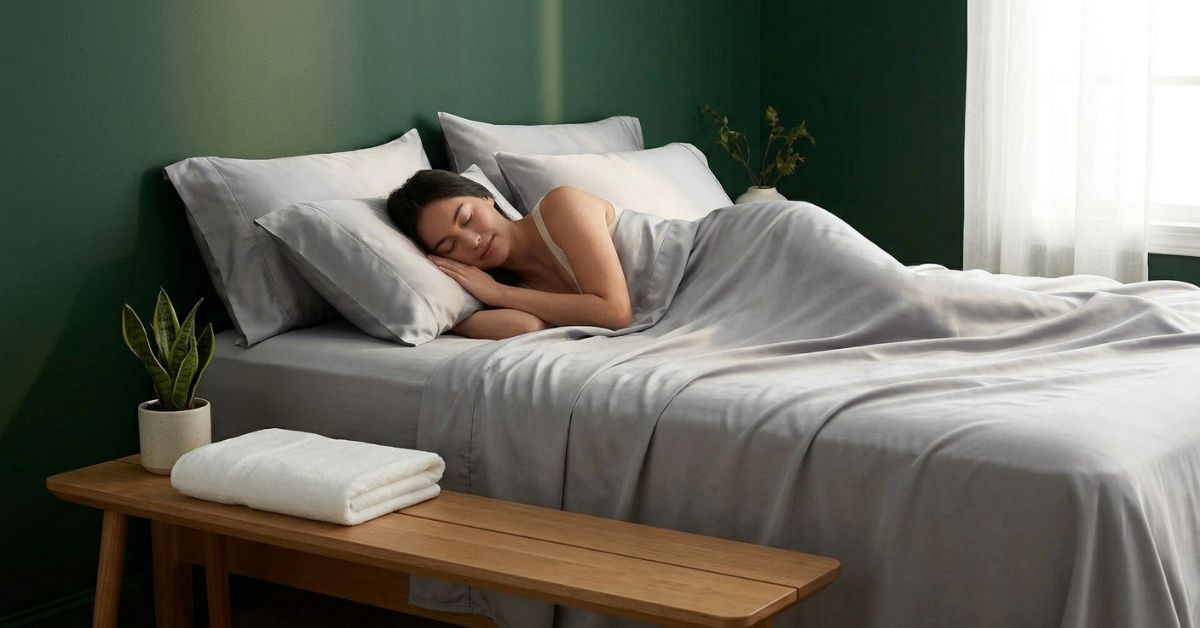
Cool, dark, and quiet remains the boring, evidence backed trifecta. The National Heart, Lung, and Blood Institute (NHLBI) advises making your bedroom sleep friendly by keeping it cool, quiet, and dark, and by avoiding television or electronic devices, since the light from these sources can disrupt your sleep wake cycle.
The audit: check your thermostat's overnight setting, look for light leaks around curtains or doors, and notice whether your phone sleeps within arm's reach. Each is a fifteen second fix with an outsized return.
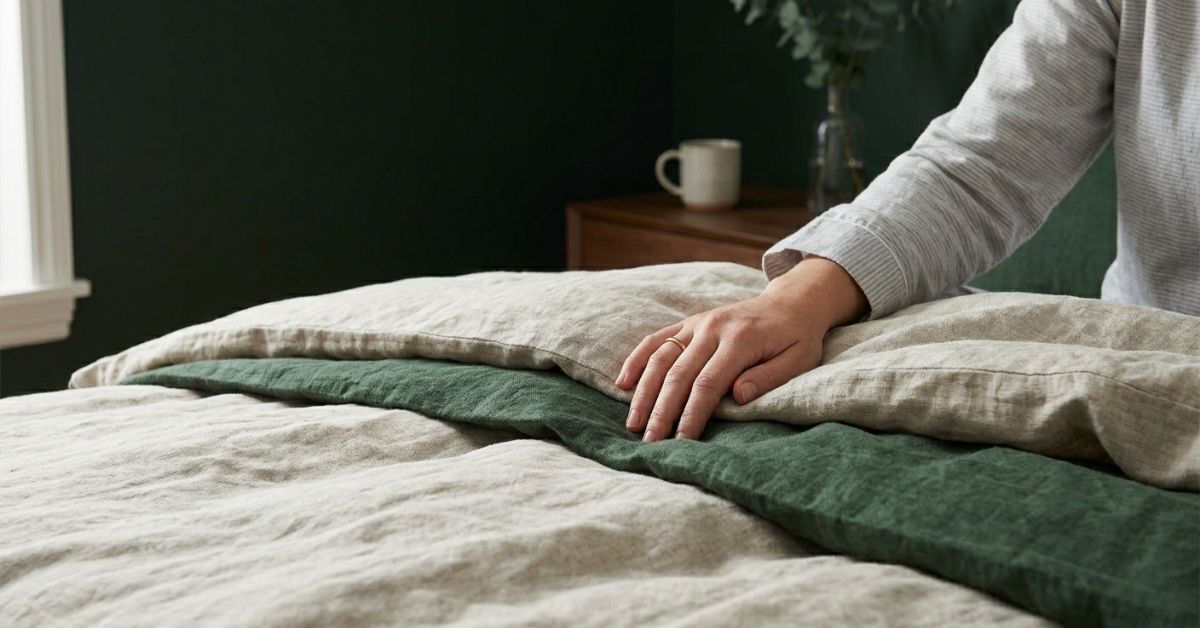
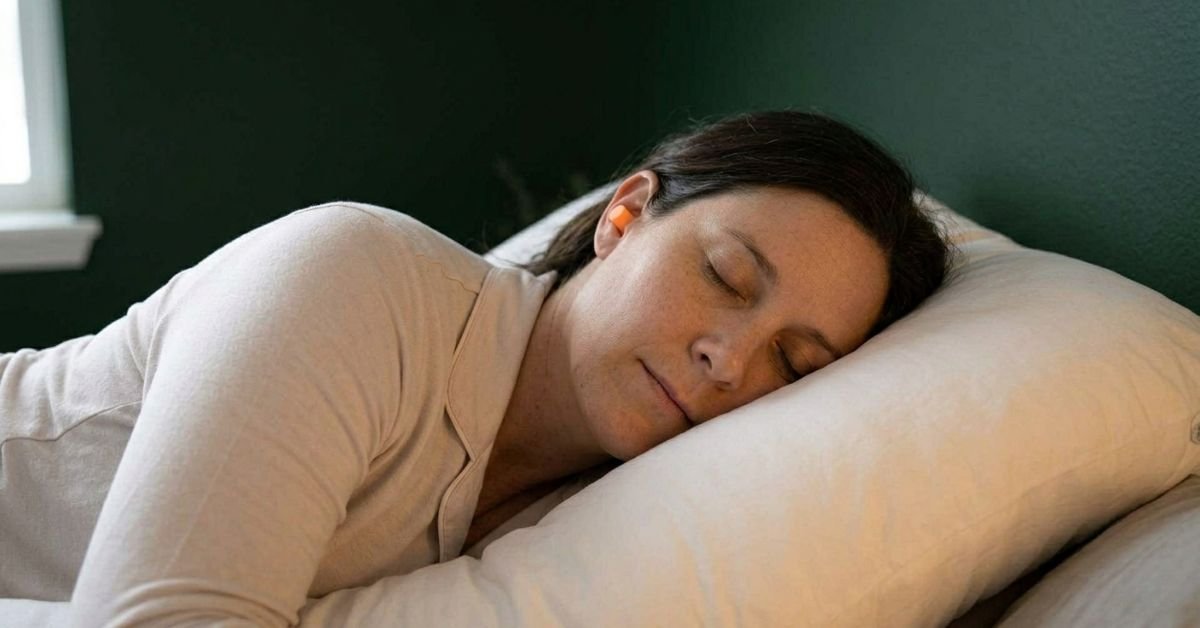
What is actually touching your skin matters too. Breathable, temperature regulating bedding supports the body's natural overnight cooling process. Our guide to the benefits of sleeping on linen sheets walks through how natural fibers affect temperature regulation, moisture wicking, and skin comfort overnight. If noise, rather than light or heat, is what keeps waking you, our evidence based guide on whether sleeping with earplugs is bad for you covers safe nightly use and the warning signs worth watching for.
Minute 10 to 12: Do You Have an Actual Off Ramp?
Bodies do not go from inbox to unconscious. People who fall asleep easily almost always have a repeated sequence, the same twenty minutes of tidying, washing up, reading, or stretching, that functions as a runway. The repetition itself is the mechanism. Done nightly, the sequence becomes a conditioned cue that the day is over. The audit: can you name your last three steps before bed? If the honest answer is scrolling until you cannot keep your eyes open, that is the project.
For a mind that stays busy even when the body is exhausted, a body first approach can help close that gap. Our guide to somatic exercises for sleep outlines a ten minute, body led routine, physiological breathing, gentle shaking, and progressive muscle relaxation, that draws on NCCIH's research into the body's relaxation response and can be layered directly on top of the wind down habits above.
Minute 13 to 15: Audit Your Supplement Shelf Like a Skeptic
Sleep supplements can be a reasonable supporting act, emphasis on supporting, and the shelf audit comes down to two questions.
First: does anything on it contain melatonin you did not intend to take nightly? Melatonin is a hormone your body already makes in response to darkness, so taking it as a supplement is essentially adding more of that timing signal. The National Center for Complementary and Integrative Health (NCCIH) notes that current practice guidelines from the American Academy of Sleep Medicine and the American College of Physicians do not find enough strong evidence to recommend melatonin for ordinary chronic insomnia, and that the American College of Physicians instead strongly recommends cognitive behavioral therapy for insomnia as the first treatment option.
NCCIH also flags a real quality control problem. Independent testing of over the counter melatonin gummies found that most products did not match what was printed on the label, with actual melatonin content ranging from far below to nearly three and a half times the listed amount. If nightly grogginess or unpredictable dosing sounds familiar, the melatonin free category, built on calming botanicals such as chamomile, passionflower, and L theanine, is worth knowing about. Options such as Hush melatonin free sleep gummies publish every dose on the panel, which is exactly what you should demand from anything on your nightstand; see the natural sleep supplements vs melatonin comparison referenced earlier for a fuller breakdown of dosing and mechanism differences.
Second: can you see every dose? Whatever product you choose, a label that hides amounts inside a proprietary blend fails the audit automatically.
Comparing Your Evening Reset Options
The table below summarizes what the federal research actually supports for each part of the evening routine, so you can prioritize the changes most likely to help.
| Approach |
What It Targets |
Evidence Strength (Per Federal Sources) |
Good Starting Point |
| Light and screen timing |
Circadian timing and melatonin release |
Strong, per NIGMS |
Dim lights and screens 30 to 60 minutes before bed |
| Caffeine cutoff |
Chemical alertness and sleep onset |
Strong, per FDA |
No caffeine after early afternoon |
| Bedroom environment |
Physical comfort and body cooling |
Strong, per NHLBI |
Cool, dark, quiet room and breathable bedding |
| Wind down routine |
Nervous system and mental transition to rest |
Moderate to strong, per NCCIH |
A repeated 10 to 20 minute sequence nightly |
| Melatonin supplement |
Circadian timing signal |
Mixed for general insomnia, per NCCIH |
Best for jet lag or shift timing, not a nightly default |
| Cognitive behavioral therapy for insomnia |
Behavioral and thought patterns around sleep |
Strong, first line per NHLBI and NCCIH |
Best for chronic insomnia lasting a month or more |
Our Recommendation
Start with the changes that cost nothing and carry the strongest evidence: light exposure, caffeine timing, and the bedroom environment. These three consistently show up as the highest impact, lowest effort levers across NIGMS, FDA, and NHLBI guidance. Add a repeated wind down sequence next, since consistency itself becomes the cue that tells your body the day is over.
Treat melatonin as a targeted tool for genuine circadian shifts, such as travel across time zones or adjusting to a new shift schedule, rather than a nightly default. If sleep problems persist for a month or more despite consistent habits, cognitive behavioral therapy for insomnia is the treatment most consistently recommended across federal health agencies, more so than any supplement on the shelf.
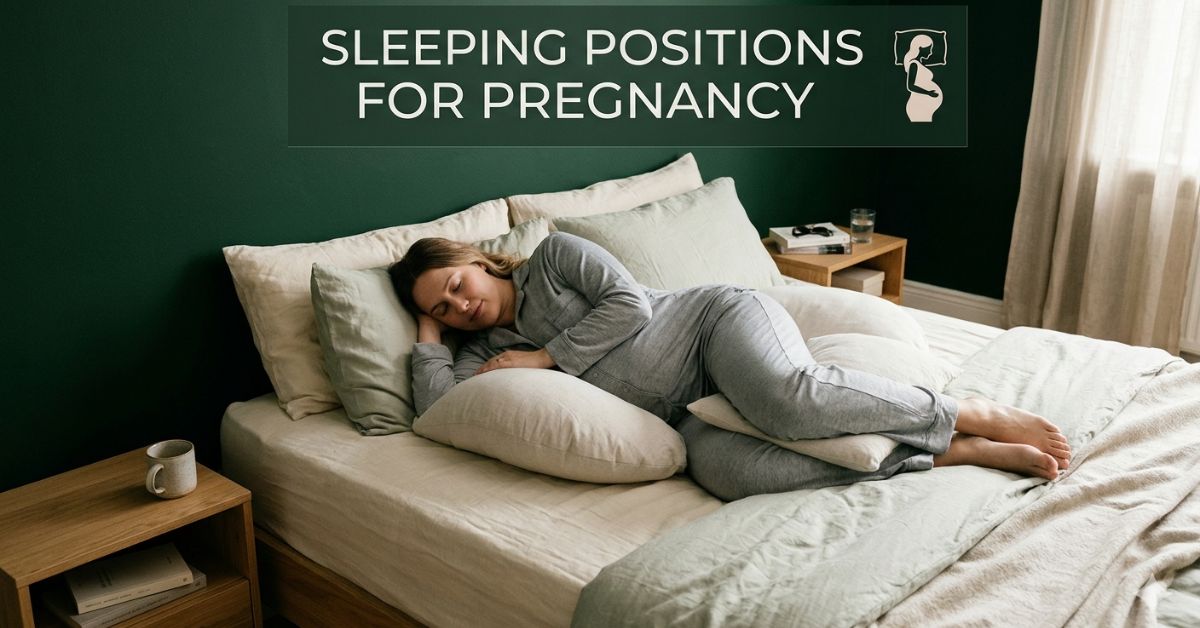
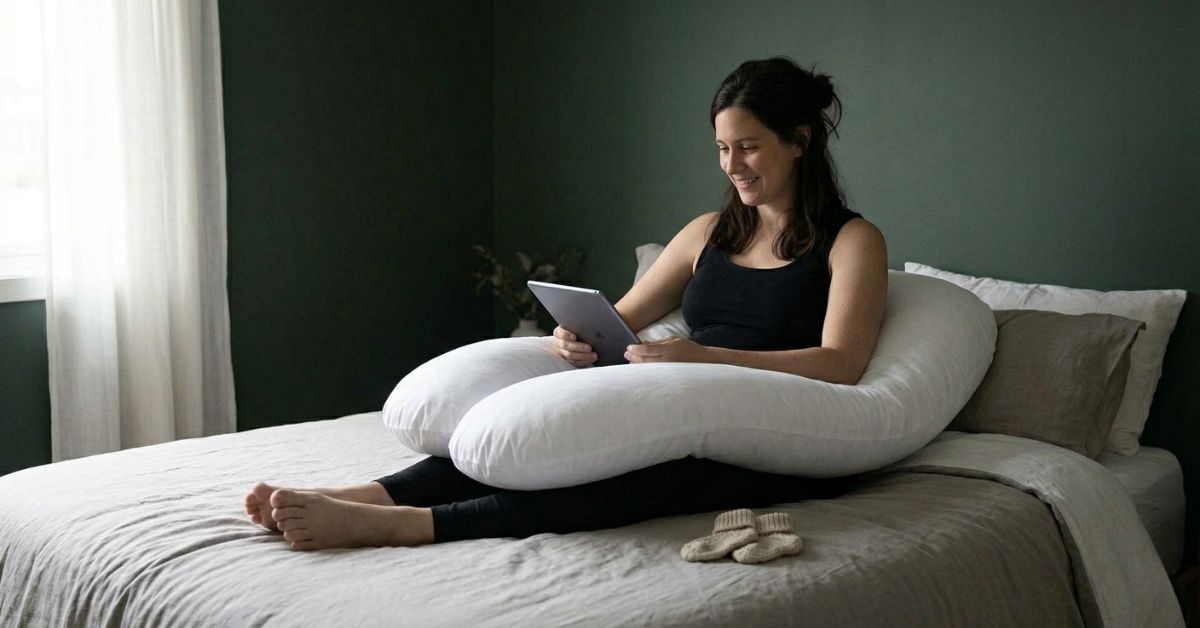
If your sleep struggles have a specific physical cause, whether that is navigating pregnancy or managing lower back pain, positioning is often a bigger lever than anything else on this list, and those guides go into the specifics for each situation.
What to Expect When You Fix What You Found
Light and caffeine changes often show up within days. Routine building takes about two consistent weeks before the cue starts doing the work for you. Give any single change a fair trial before layering the next one, or you will not know what actually helped.
Know when the audit is not enough. Loud snoring, gasping awakenings, or months of broken sleep despite a consistent routine are conversations for a clinician. According to the National Institute on Aging (NIA), insomnia is the most common sleep problem among adults age 60 and older, and healthy bedtime habits combined with cognitive behavioral therapy are the approaches most likely to help manage it, alongside a conversation with a doctor to rule out conditions such as sleep apnea or restless legs syndrome.
Final Thoughts
Fifteen minutes of honest auditing beats another year of buying solutions for problems you have not diagnosed. Most people find two or three easy wins on the first pass, and sleep is one of the few areas of health where easy wins compound nightly.
Sources
Further Reading