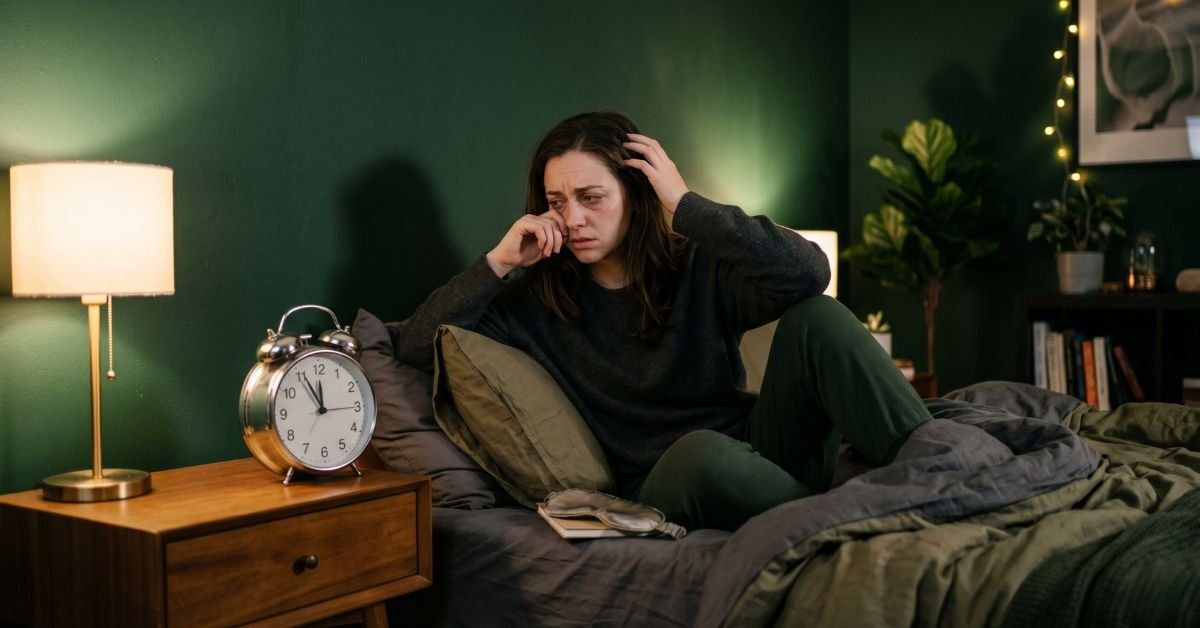
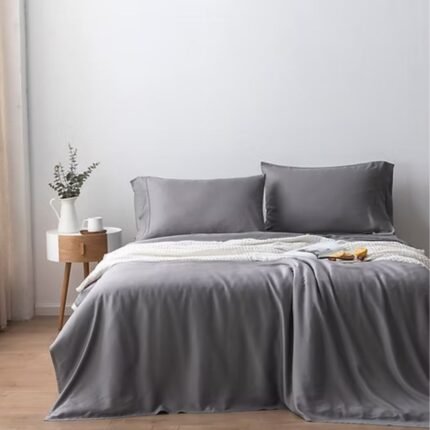
For most people, climbing into bed at the end of a long day is a relief. But for some, the moment the lights go out, a wave of intense anxiety sets in. If you find yourself lying awake, heart racing, asking Why am I afraid to sleep? you are far from alone.
This intense dread of nighttime rest is a very real, highly disruptive condition that goes well beyond typical insomnia. According to the National Institute of Mental Health (NIMH), anxiety disorders including specific phobias affect more than 19% of American adults each year, and sleep-related fears are among the most underreported presentations.
Understanding the root of this anxiety is the first and most important step toward reclaiming your nights.
What Is the Fear of Sleep Called?
When anxiety around bedtime becomes a persistent, irrational phobia, it has a specific clinical name. The fear of sleep is called somniphobia (also referred to as hypnophobia). The term derives from the Latin somnus (sleep) and the Greek phobos (fear).
According to the Diagnostic and Statistical Manual of Mental Disorders (DSM-5), a specific phobia is diagnosed when fear is marked, persistent (lasting six or more months), and causes clinically significant distress or functional impairment. Somniphobia fits squarely within this category.
Somniphobia is not simply being a night owl or a light sleeper. It is an overwhelming psychological barrier an intense dread of the act of sleeping itself, often triggered by a perceived loss of control or fear of what might happen while unconscious.
| Key Distinction: Somniphobia is classified as a specific phobia. Sleep anxiety is a broader term for worry about sleep quality. While the two overlap significantly, treatment approaches can differ making professional evaluation important. |
Somniphobia vs. Related Sleep Conditions at a Glance
| Condition | Primary Driver | Core Symptom | Best Treatment |
|---|
| Somniphobia | Phobia / irrational fear of sleep itself | Panic or dread specifically around sleeping | CBT-I, Exposure Therapy |
| Sleep Anxiety | Generalized worry about not sleeping well | Racing thoughts, hyperarousal at bedtime | CBT-I, Relaxation Training |
| Insomnia | Multiple causes (stress, habits, medical) | Difficulty falling or staying asleep | CBT-I, Sleep Hygiene |
| Sleep Apnea | Airway obstruction during sleep | Gasping, waking, daytime fatigue | CPAP, Medical Evaluation |
| Hypnic Jerk | Normal physiological muscle contraction | Sudden jolt or twitch when drifting off | Stress reduction, routine |
The Root Causes of Bedtime Anxiety
The thoughts that surface when you are afraid to go to sleep can be deeply unsettling. Understanding their origin can help you address them directly. The MedlinePlus Medical Encyclopedia identifies several recognized triggers for sleep-related fear:
- Loss of control: Unconsciousness feels vulnerable to some people, especially those with trauma histories.
- Fear of death during sleep: The intrusive thought of not waking up is extremely common in somniphobia.
- Recurring nightmares: Dreading what the mind will replay makes the prospect of sleep feel unsafe.
- Sleep paralysis: Even a single episode of sleep paralysis can create lasting bedtime dread.
- Hyperarousal: The nervous system remains in a heightened state, misinterpreting relaxation as danger.
When the body enters a relaxed state just before sleep, the brain can misinterpret the drop in heart rate and blood pressure as a threat. This triggers a surge of adrenaline the classic fight-or-flight response which produces the very symptoms (racing heart, chest tightness, hypervigilance) that make sleep feel even more dangerous.
| Important Physical Health Note: If your heart races or you gasp right as you drift off, it could be a physical trigger such as a hypnic jerk or undiagnosed sleep apnea not purely psychological. The CDC recommends discussing persistent nighttime breathing difficulties with a healthcare provider. See the symptoms table below. |
Common Symptoms and What They May Signal
| Symptom | Possible Explanation | Action |
|---|
| Racing heart at bedtime | Fight-or-flight cortisol spike | Try diaphragmatic breathing or CBT-I |
| Fear of not waking up | Loss-of-control cognition | Cognitive reframing with a therapist |
| Gasping or can't breathe drifting off | May indicate sleep apnea | Consult a physician immediately |
| Recurring nightmares / sleep paralysis | REM sleep disruption | Imagery Rehearsal Therapy (IRT) |
| Chest tightness in bed | Anxiety-driven hyperarousal | Progressive Muscle Relaxation (PMR) |
| Avoiding bed until exhausted | Behavioral avoidance pattern | Stimulus control therapy (CBT-I) |
The Impact on Daily Life and Overall Health
Somniphobia does not stop at bedtime. Chronic sleep deprivation resulting from fear-driven avoidance has well-documented health consequences. The CDC's Sleep and Health initiative reports that adults who consistently sleep fewer than seven hours per night face significantly elevated risk for heart disease, type 2 diabetes, obesity, and mental health disorders.
The relationship between anxiety and poor sleep is bidirectional anxiety disrupts sleep, and sleep deprivation amplifies anxiety. This is why many people find that the fear of not sleeping is actually what prevents them from sleeping. Our guide on Does Sleeping Help You Heal Faster? explores the restorative biology of sleep and why consistent, quality rest is essential for physical and psychological recovery.
The Office of Disease Prevention and Health Promotion (ODPHP) recommends that adults aim for 7–9 hours of sleep nightly, noting that both short and long sleep durations carry health risks — reinforcing that the goal is quality, consistent sleep rather than perfection.
Breaking the Cycle: Evidence-Based Strategies
Overcoming a deep-seated fear of sleep takes time, but the brain can be retrained. The following strategies are supported by clinical research and recognized sleep health organizations.
1. Cognitive Behavioral Therapy for Insomnia (CBT-I)
CBT-I is consistently rated as the first-line treatment for insomnia and sleep-related anxiety by both the American Academy of Sleep Medicine and the American Psychological Association. It works by identifying and restructuring the negative thought patterns that fuel bedtime anxiety, replacing them with more accurate, calming beliefs about sleep.
2. Stimulus Control Therapy
If you cannot sleep, get out of bed. Sitting in a softly lit room and reading something undemanding prevents your brain from forming a strong association between your mattress and panic. Return to bed only when genuinely drowsy. This principle keeping the bed for sleep only is a cornerstone of stimulus control therapy and is strongly endorsed by the CDC's sleep hygiene guidelines.
3. Graduated Exposure
Gradual desensitization to sleep-related triggers is a core component of specific phobia treatment. Keeping a soft light on, playing a comforting podcast at low volume, or using a white noise machine can reduce the sensory intensity of absolute darkness and silence two common amplifiers of bedtime fear.
For more structured wind-down techniques that complement gradual exposure, our Relaxation Therapy for Sleep guide covers progressive muscle relaxation, box breathing, and guided imagery — all evidence-backed tools for reducing pre-sleep arousal.
4. Relaxation and Mindfulness Techniques
The National Center for Complementary and Integrative Health (NCCIH) recognizes relaxation techniques including mindfulness meditation, progressive muscle relaxation (PMR), and diaphragmatic breathing as clinically supported tools for managing sleep-related anxiety. Even a 10-minute pre-sleep routine can meaningfully lower cortisol and heart rate.
If you want a structured quick-start method, our guides on How to Fall Asleep in 10 Seconds and How to Sleep Fast in 40 Seconds offer practical breathing and body-relaxation sequences that can complement professional treatment.
5. Optimize the Sleep Environment
Reducing sensory friction at bedtime supports the nervous system's ability to downregulate. A cool, dark room with consistent white noise removes external stressors that can trigger hyperarousal in anxious sleepers. Temperature-regulating bedding also plays a meaningful role research reviewed in our Best Fabric to Sleep In guide shows that overheating during the night significantly disrupts sleep continuity.
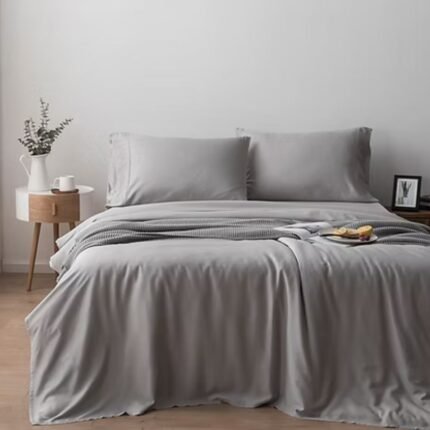
Breathable options such as our Oeko-Tex certified bamboo sheets are free from harmful chemicals and naturally thermoregulating — useful for anxious sleepers who already struggle with elevated heart rate and body temperature at bedtime. For those who need a secure, wrinkle-free fit that stays in place through restless nights, our deep pocket sheet sets provide a reliably smooth, contained sleep surface. If you prefer natural, breathable materials certified for sensitive skin, our organic cotton bed sheet set and purely organic sheet set are both GOTS-certified options.
Our comprehensive guide on Relaxing on Bed: The Science-Backed Guide to Winding Down covers environment optimization in detail, including lighting, temperature, and sensory cues that signal safety to an anxious nervous system.
| Recommendation: Build a consistent pre-bed wind-down ritual lasting 20–30 minutes. Follow the 10-3-2-1-0 framework our article on the |
For a structured approach to managing the hours before bed, the 10-3-2-1-0 Sleep Rule provides a step-by-step framework for gradually powering down the nervous system in the hours before bed highly effective for anxious sleepers.
When to Seek Professional Help
Cognitive Behavioral Therapy for Insomnia (CBT-I) and specific-phobia exposure therapy are both highly effective and well-validated treatments for somniphobia. The NIMH recommends seeking evaluation from a mental health professional if fear, anxiety, or sleep disruption is affecting your daily functioning, relationships, or physical health.
If breathing problems, gasping, or chest tightness at night are part of the picture, a medical evaluation to rule out sleep apnea or cardiovascular issues is warranted before beginning psychotherapy. The NIH's National Heart, Lung, and Blood Institute (NHLBI) provides clinical guidance on identifying and treating sleep apnea, which can closely mimic somniphobia in some presentations.
| Remember: Sleep is a natural, protective, restorative process not a threat. Acknowledging your fear without judgment, and reaching out for professional support, are both signs of strength. Many people with somniphobia recover fully with the right guidance. |
Sources & References
OdeSleep Related Reading