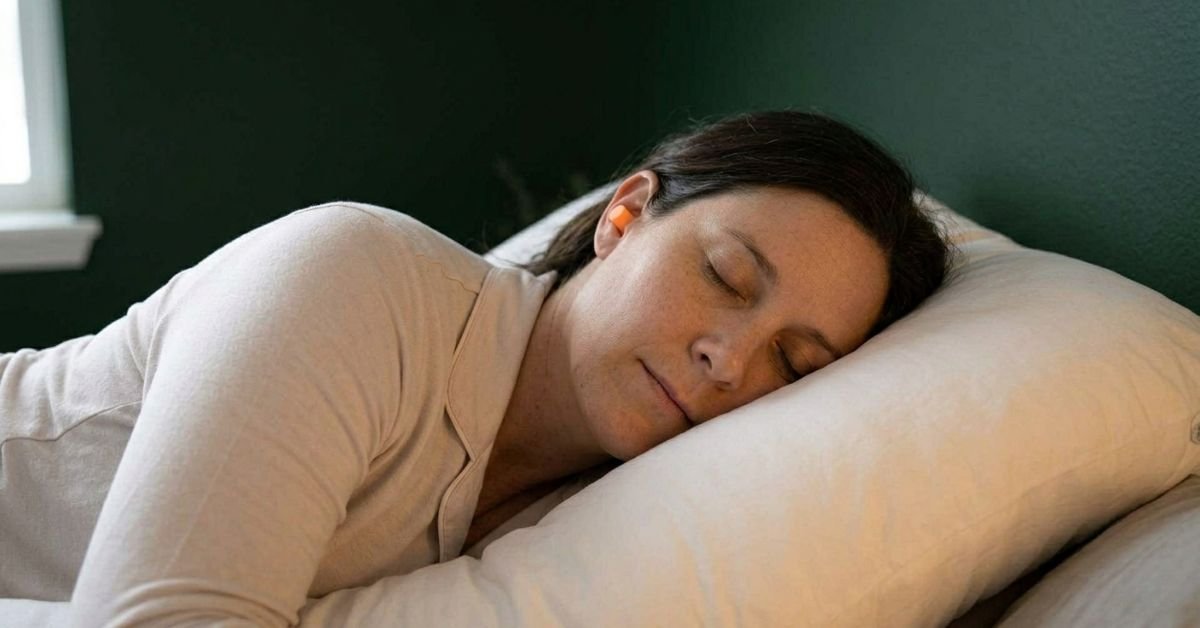
If you share a bed with a chainsaw level snorer, live above a noisy street, or simply wake at every creak in the house, a small pair of foam or silicone earplugs can feel like the difference between a wrecked night and a genuinely restful one. Getting enough sleep matters: adults who regularly sleep fewer than seven hours a night tend to report more health problems than those who consistently get seven or more, which is likely why so many people reach for earplugs in the first place.
That figure comes from the NHLBI guide to how much sleep is enough, a resource maintained by the National Institutes of Health.
But if you rely on earplugs every single night, it is fair to ask: are earplugs bad for your ears over time? Can nightly use cause an earplug related ear infection, earwax buildup, or hearing changes? The short answer, backed by hearing health researchers at the National Institute on Deafness and Other Communication Disorders (NIDCD), is that earplugs are a safe and effective way to block noise when they are used and cleaned correctly. Problems tend to show up only when hygiene, fit, or material choice go wrong. Below is a fully updated, source checked breakdown of what actually happens in your ear canal overnight, plus a practical routine for using earplugs safely for years.
Quick Answer
Sleeping with earplugs every night is generally safe for most healthy adults. The main risks, earwax impaction and outer ear infection (otitis externa), are both preventable with clean hands, clean plugs, a gentle fit, and a earplug material that suits your ear canal.
| Question |
Evidence Based Answer |
| Is it bad to wear earplugs every night? |
No, not for most people, as long as they fit properly and are kept clean. |
| Can earplugs cause ear infections? |
Yes, if they trap moisture or bacteria against irritated skin, but good hygiene largely prevents this, per CDC guidance on outer ear infection. |
| Do earplugs cause earwax buildup? |
They can contribute to it by blocking the natural outward movement of wax, according to MedlinePlus. |
| Can earplugs damage your eardrum? |
Rarely, and only from forceful or overly deep insertion. A snug, shallow fit is safest. |
| Best type for nightly comfort? |
Soft moldable silicone or foam that seals the canal opening rather than pushing in deeply. |
Is It Bad to Wear Earplugs Every Night?
If you reach for ear protection every evening, you do not need to worry. For most healthy adults, the benefits of consistent, uninterrupted sleep outweigh the small risks tied to nightly earplug use. Poor or fragmented sleep is linked to a wide range of downstream problems, and the NHLBI's sleep research points out that people whose sleep is frequently interrupted may not get enough restorative non REM and REM sleep, both of which appear to matter for memory, learning, and physical repair.
That said, continuous long term use can create two recurring issues if you are not careful: earwax impaction and outer ear infection.
Earwax Impaction
Your ears are naturally self cleaning. Glands in the outer third of the ear canal produce cerumen (earwax), which slowly migrates outward, carrying dust and debris with it, and typically dries, flakes, and falls out on its own. According to the U.S. National Library of Medicine's MedlinePlus encyclopedia, wax blockage is one of the most common causes of temporary hearing loss, and pushing objects into the canal, including earplugs inserted too forcefully, can drive wax deeper and compact it against the eardrum.
Signs of impaction include a feeling of fullness, muffled hearing, mild ringing, or dizziness. MedlinePlus specifically advises against trying to dig wax out yourself; if you notice these symptoms, see a clinician rather than reaching for a cotton swab or probing tool. Read the full clinical overview at the MedlinePlus ear wax encyclopedia entry.
Outer Ear Infection (Otitis Externa)
The most common complication tied to nightly earplug use is otitis externa, also known as swimmer's ear, an infection of the skin lining the ear canal. Your ear canal is naturally warm and enclosed, and sealing it overnight with an earplug can trap moisture and skin oils, creating conditions bacteria enjoy.
This can happen in three main ways:
- Trapped moisture: sealing the canal stops sweat and humidity from evaporating, which the CDC identifies as a key driver of otitis externa risk.
- Introduced bacteria: reusing disposable foam plugs for too long, or inserting them with unwashed hands, carries new bacteria into the canal.
- Skin irritation: friction from a rough or poorly fitted plug can create tiny breaks in the canal's skin, giving bacteria an easy point of entry.
The CDC's healthy swimming program, which studies otitis externa prevention in detail, confirms that keeping the ear canal dry and avoiding trauma to its skin are the two most effective prevention steps, the same principles that apply to nightly earplug wear. See the full guidance in Preventing Swimmer's Ear from the CDC, and background on how common the condition is in the CDC's Estimated Burden of Acute Otitis Externa report.
It is worth distinguishing otitis externa from a middle ear infection, which sits behind the eardrum and is unrelated to earplug hygiene. The CDC's Ear Infection Basics page explains the difference and outlines general prevention and treatment steps for both conditions.
Earplug Types Compared
Not all earplugs behave the same way in your ear canal overnight. The table below compares the most common materials by comfort, hygiene needs, and noise reduction, so you can match the plug to your ear shape and sleep habits.
| Material |
Best For |
Advantages |
Watch Outs |
| Foam |
Maximum noise blocking |
High noise reduction rating; inexpensive; widely available. |
Porous, absorbs oil and bacteria quickly; replace every few days. |
| Silicone (moldable putty) |
Side sleepers, sensitive canals |
Sits over the canal opening rather than inside it; reusable and washable. |
Traps more surface heat and moisture; wash and dry daily. |
| Reusable rubber or plastic |
Frequent, long term nightly use |
Durable, easy to clean with mild soap and water. |
Can feel rigid; needs correct sizing to avoid pressure discomfort. |
| Custom molded |
Chronic snorers, shift workers |
Fitted to your exact canal shape for comfort and seal. |
Higher upfront cost; still needs regular cleaning. |
| Wax |
Very sensitive or narrow canals |
Softest option; molds without deep insertion. |
Lower noise reduction; can be messy in warm rooms. |
How to Sleep in Earplugs Safely
Good hygiene habits prevent nearly every complication linked to nightly earplug wear. Build these five steps into your bedtime routine:
- Wash your hands first. Hands carry more bacteria than almost any other surface you touch before bed. Rolling or inserting an earplug with unwashed fingers is the single easiest way to introduce bacteria into the canal.
- Retire disposable foam plugs often. Foam is porous and absorbs earwax, skin oil, and bacteria like a sponge. Replace disposable foam plugs after a few nights, and wash reusable silicone or plastic plugs daily with mild soap and warm water, letting them air dry completely before reuse.
- Match the material to your canal. If foam feels irritating after a few uses, try moldable silicone or wax plugs, which sit over the canal opening instead of pushing deep inside it.
- Never force a plug in deep. An earplug should seal the entrance of the canal, not press against the eardrum. Gently pull the top of your ear up and back to straighten the canal, then insert the plug slowly. Stop if you feel pain or pressure.
- Give your ears occasional breaks. If your household allows it, a few earplug free nights a month lets the canal's natural self cleaning process catch up and reduces prolonged moisture exposure.
When to See a Doctor
Most nightly earplug users never run into a problem. Still, know the warning signs that call for a professional check rather than home treatment.
| Symptom |
Likely Cause |
| Ear pain, especially when the outer ear is tugged |
Possible otitis externa (outer ear infection) |
| Muffled hearing or a sense of fullness |
Possible earwax impaction |
| Discharge, pus, or foul odor from the ear |
Likely infection requiring medical treatment |
| Persistent ringing (tinnitus) or dizziness |
Could indicate wax pressure or inner ear involvement |
| Redness or swelling of the ear canal opening |
Skin irritation that may progress to infection |
For guidance on hearing protection fit and noise exposure more broadly, the NIDCD's overview of hearing protectors and its page on noise induced hearing loss are useful references maintained by the National Institutes of Health.
Build a Better Sleep Environment
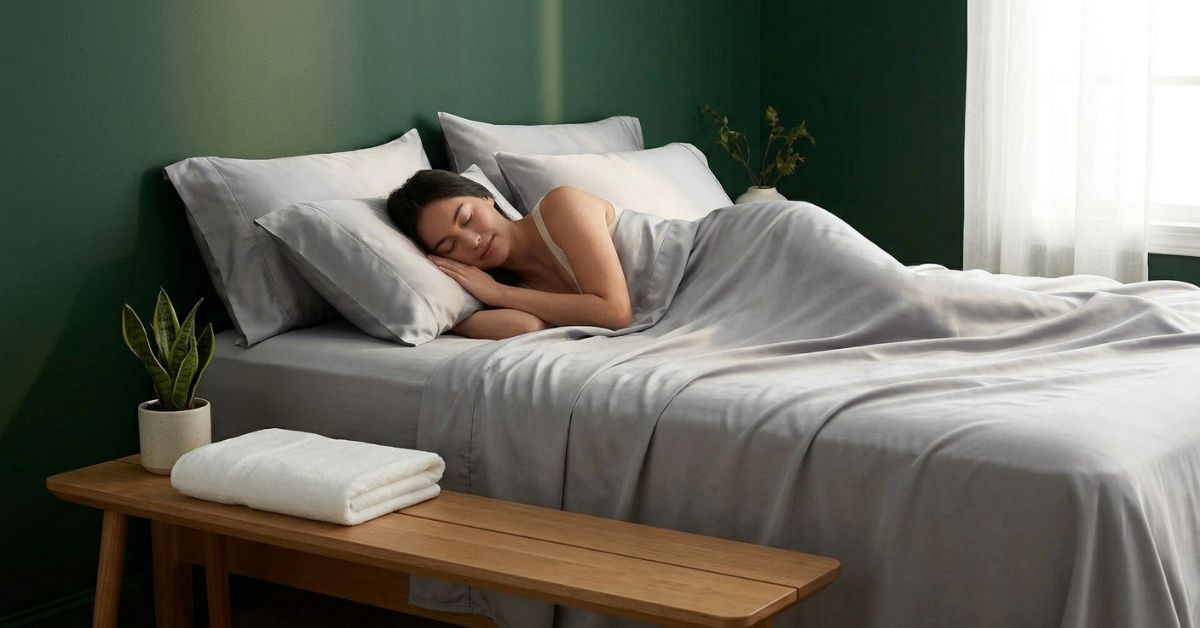
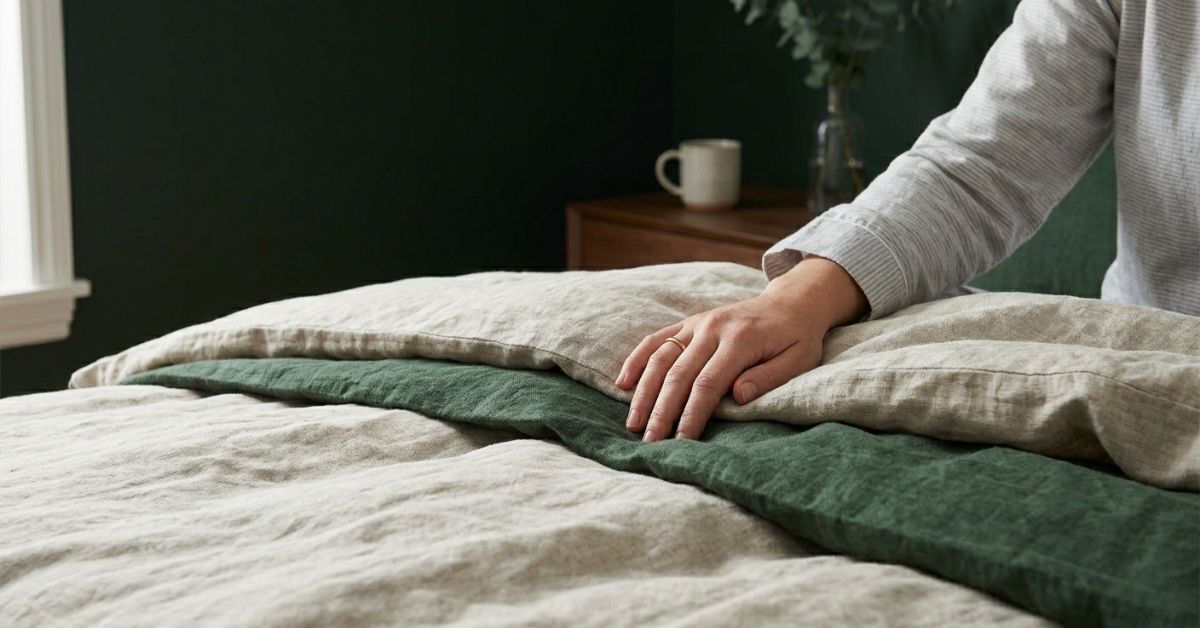
Earplugs solve the noise half of the sleep equation, but temperature and skin comfort matter just as much for staying asleep once you are quiet. Breathable, hypoallergenic bedding helps prevent the overheating and skin irritation that often causes people to wake up and fidget with their earplugs mid night.
If you run warm at night, Oeko Tex certified bamboo sheets are naturally moisture wicking and tested for harmful substances, which pairs well with the same clean sleep routine you use for your earplugs.
For sensitive skin, a purely organic sheet set avoids the synthetic finishes and dyes that can aggravate skin already prone to irritation, including around the ears and face.
And if you prefer a classic, breathable feel, an organic cotton bed sheet set offers a soft, chemical free surface that supports the same clean sleep habits recommended for safe nightly earplug use.
Related Reading
Noise is only one obstacle to falling and staying asleep. If a racing mind or restless body is also keeping you up, these guides go deeper on the non noise side of a good night:
Sources
- National Heart, Lung, and Blood Institute (NIH), How Much Sleep Is Enough: https://www.nhlbi.nih.gov/health/sleep/how-much-sleep
- National Institute on Deafness and Other Communication Disorders (NIH), Hearing Protectors: https://www.nidcd.nih.gov/health/hearing-protectors
- National Institute on Deafness and Other Communication Disorders (NIH), Noise Induced Hearing Loss: https://www.nidcd.nih.gov/health/noise-induced-hearing-loss
- MedlinePlus, National Library of Medicine (NIH), Ear Wax: https://medlineplus.gov/ency/article/000979.htm
- Centers for Disease Control and Prevention, Preventing Swimmer's Ear: https://www.cdc.gov/healthy-swimming/prevention/preventing-swimmers-ear.html
- Centers for Disease Control and Prevention, Ear Infection Basics: https://www.cdc.gov/ear-infection/about/index.html
- Centers for Disease Control and Prevention (MMWR), Estimated Burden of Acute Otitis Externa: https://www.cdc.gov/mmwr/preview/mmwrhtml/mm6019a2.htm