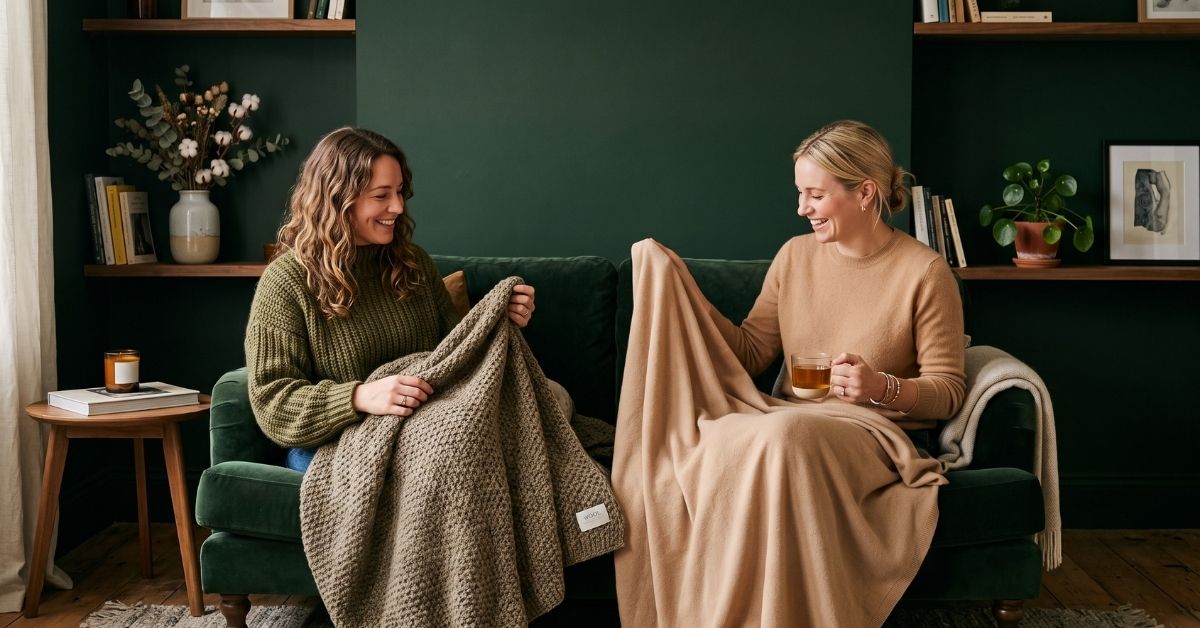
Few debates in textiles are as enduring as wool versus cashmere. Both are prized animal fibers, both promise warmth and comfort, and both show up everywhere from winter coats to bed linens. But the two fibers are genuinely different in origin, feel, durability, and price, and understanding those differences will save you money and disappointment. This guide combines textile science with official U.S. government labeling and grading standards so you can shop with confidence.
What Is Cashmere Wool, Officially?
Cashmere is technically a type of wool, but with an important distinction. Standard wool comes from sheep, while cashmere comes from the soft undercoat that Cashmere goats grow to survive harsh winters in regions such as Mongolia and China. Herders comb this undercoat out by hand once a year rather than shearing it, which is part of why cashmere carries a premium price.
The definition is not just marketing language. Under the Wool Products Labeling Act, enforced by the Federal Trade Commission, a fiber can only be called cashmere if it comes from the dehaired undercoat of a Cashmere goat and has an average diameter of no more than nineteen microns. Fiber that fails this test cannot legally be labeled cashmere in the United States, which gives buyers a real, enforceable benchmark rather than a vague marketing claim.
Virgin Wool vs Cashmere: The Core Differences
Virgin wool is sheep wool that has never been processed, woven, or recycled before, making it the highest quality grade of standard wool. When you set it next to cashmere, the physical differences become clear.
Softness
Cashmere fibers are markedly thinner and smoother than sheep wool, which is why cashmere feels scratch free against bare skin, while even fine virgin wool can carry a slight natural texture.
Warmth
Gram for gram, cashmere is up to three times warmer than sheep wool. Its ultra fine fibers trap tiny air pockets, creating an efficient thermal barrier without adding bulk.
Weight and Loft
Cashmere is remarkably lightweight and airy. Virgin wool carries a comforting, substantial weight that feels structurally protective, which is part of why it remains a staple for outerwear.
| Feature |
Virgin Wool |
Cashmere |
| Source animal |
Sheep, first shearing, never recycled |
Soft undercoat of the Cashmere goat (Capra hircus laniger) |
| Fiber diameter |
Generally coarser, often above 20 microns |
Ultra fine, capped at 19 microns under U.S. labeling rules |
| Insulation |
Excellent, with substantial protective weight |
Superior warmth per gram, up to three times warmer |
| Texture |
Structured, occasionally slightly crisp |
Silky and buttery soft against skin |
| Durability |
High resilience, resists stretching and wrinkling |
Delicate, prone to friction pilling |
| Maintenance |
Low to moderate; naturally odor resistant |
High; gentle hand washing or dry cleaning recommended |
| Typical price |
Moderate to high |
Premium to luxury |
How Wool and Cashmere Are Regulated and Graded
Because fiber names like cashmere and virgin wool carry real meaning, several U.S. federal agencies maintain public standards that define, grade, and regulate them. These sources are useful reading for anyone who wants to verify a fiber content claim before buying.
- Threading Your Way Through the Labeling Requirements Under the Textile and Wool Acts, published by the Federal Trade Commission, explains the fiber content, country of origin, and manufacturer identification that must appear on wool and textile labels.
- Wool Grades and Standards, maintained by the United States Department of Agriculture Agricultural Marketing Service, sets the official micron based grading system used to classify raw wool fineness in the United States.
- 16 CFR Part 300, Rules and Regulations Under the Wool Products Labeling Act of 1939, available through the Electronic Code of Federal Regulations, lays out the legal labeling requirements manufacturers must follow for any wool product sold in the United States.
- Clothing and Textiles, an FTC business guidance hub, covers labeling rules for cashmere, cotton, down, wool, and other common apparel and bedding fibers in one place.
- Flammable Fabrics Act, administered by the U.S. Consumer Product Safety Commission, sets the flammability testing standards that apparel and bedding textiles, including wool and cashmere blends, must meet before they can be sold.
For international buyers, it is worth noting that fiber diameter grading and cashmere purity standards can vary slightly by country. The U.S. figures above are the ones enforced on goods sold domestically.
Cashmere vs Wool Suit: Which Wins for Daily Wear?
Your choice often changes depending on what you are buying. A one hundred percent cashmere suit is exceptionally soft with a beautiful, fluid drape, and it looks stunning for evening events or winter galas. However, cashmere lacks the natural elasticity and rugged durability of sheep wool, and it is prone to pilling in high friction areas such as under the arms.
A virgin wool suit remains the more practical choice for regular office wear. Virgin wool is durable, naturally resists wrinkles, and holds a crisp, pressed shape over years of use, which is why tailors still reach for it as the default suiting fiber.
Our Recommendation
| Best For |
Recommendation |
| Everyday office wear |
Choose virgin wool. It resists wrinkling, holds a crisp shape, and stands up to a daily commute far better than cashmere. |
| Travel and layering |
Choose cashmere. Its warmth to weight ratio makes it ideal for packing light without sacrificing comfort. |
| Special occasion tailoring |
Choose cashmere or a wool cashmere blend for a fluid drape and a noticeably soft handle. |
| Budget conscious shoppers |
Choose virgin wool. It offers strong longevity and value for the price compared with pure cashmere. |
| Sensitive skin |
Choose cashmere, or a fine Merino wool, since both minimize the coarse fiber tickle some people feel with standard wool. |
| Undecided shoppers |
Choose a wool cashmere blend, typically ninety percent virgin wool and ten percent cashmere, for structure plus softness. |
If you genuinely cannot decide, look for a blended fabric. A garment made of roughly ninety percent virgin wool and ten percent cashmere combines the structure and wrinkle resistance of wool with a noticeably softer, slightly luxe hand feel.
Which Fiber Belongs on Your Bed?
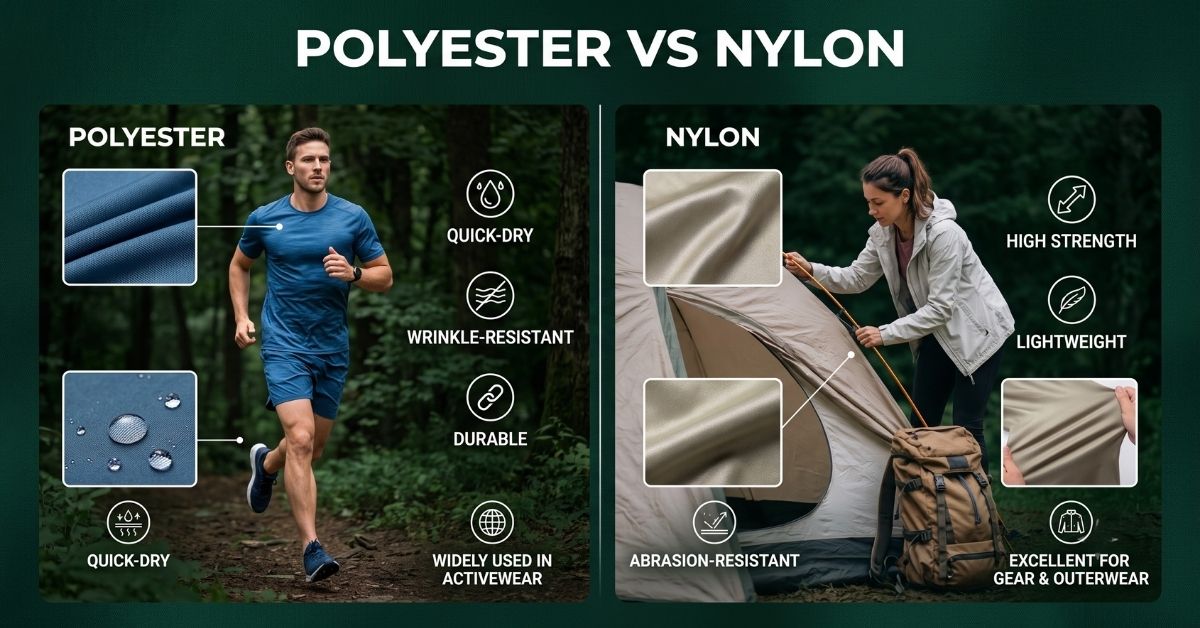
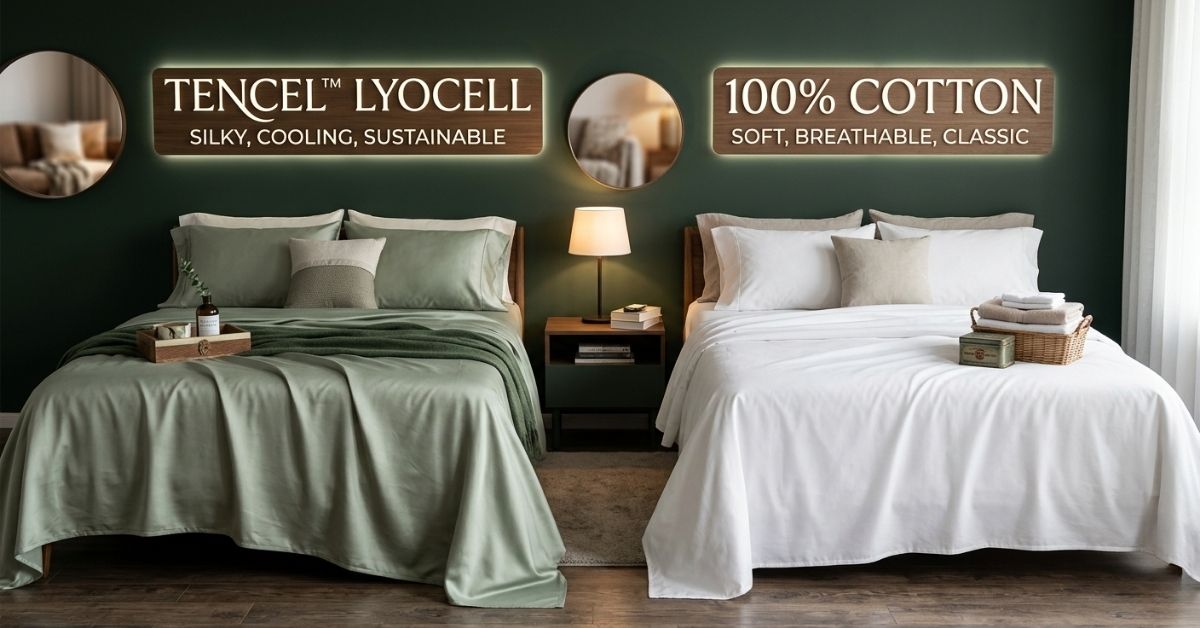
Wool and cashmere are less common in bedding than in outerwear, but the same softness, warmth, and durability trade offs apply when you are choosing sheets, blankets, or a duvet insert. If you are comparing bedding fibers more broadly, these guides break down how other popular materials stack up.
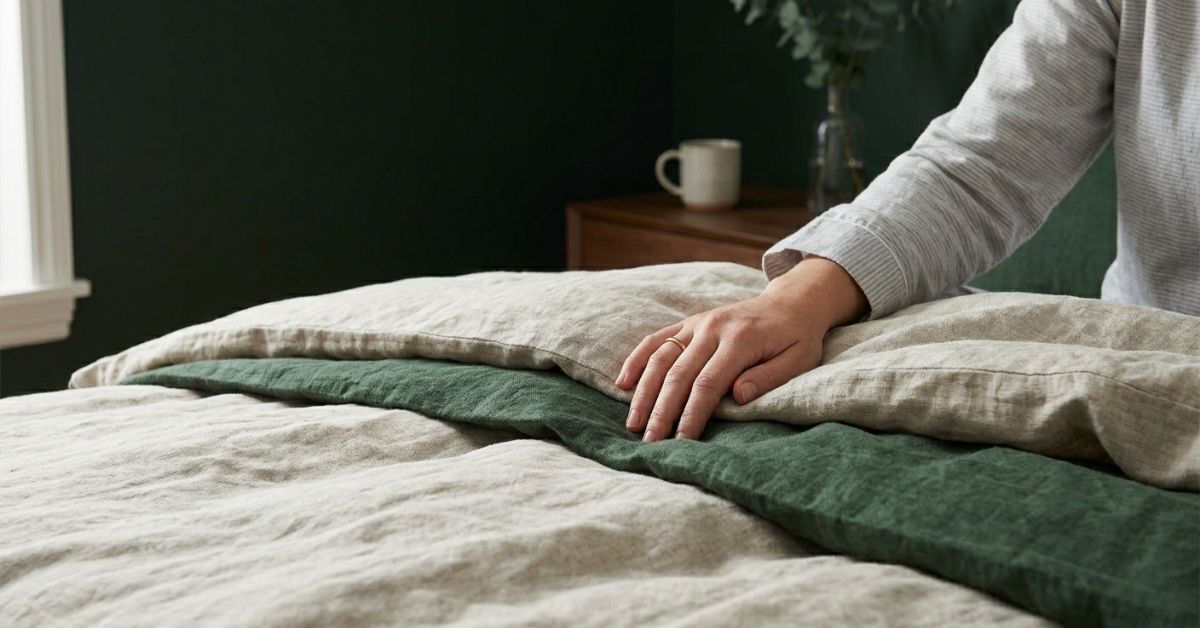
If you want the closest thing to a cashmere level softness upgrade for your bed without the delicate care routine, these certified, breathable options are a natural next step:
Sources