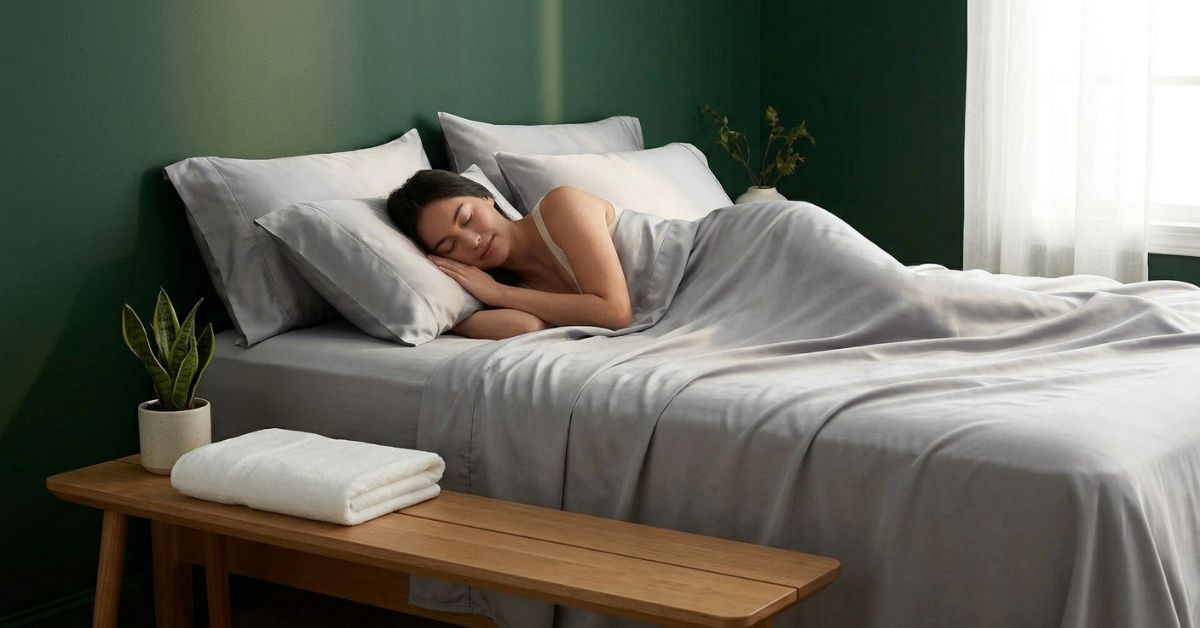
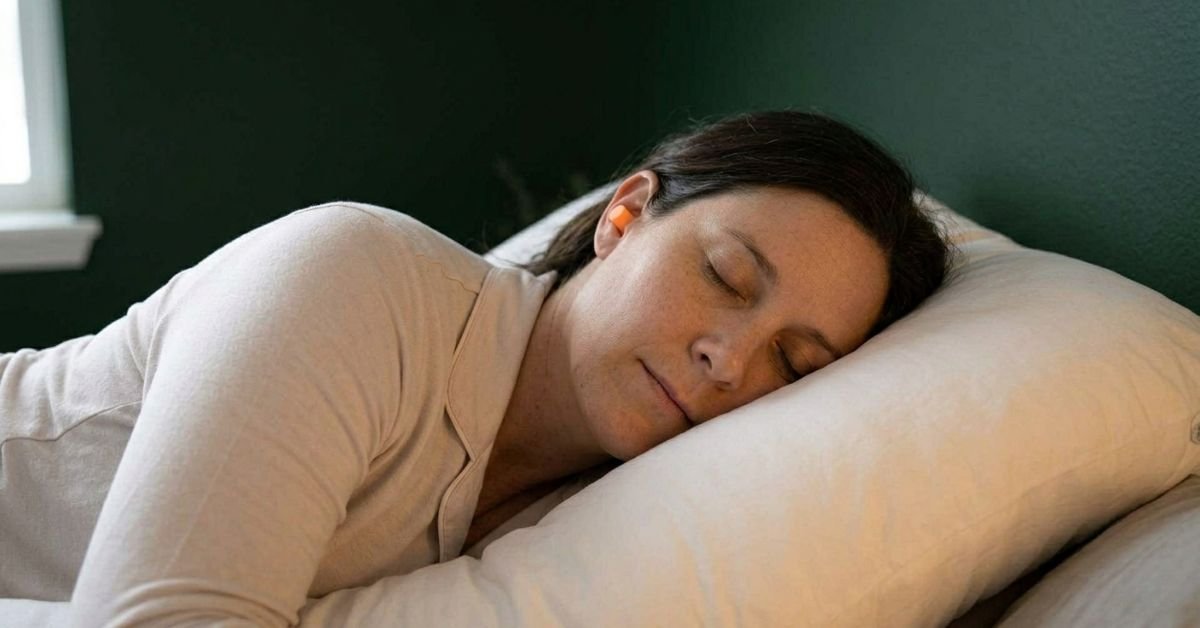
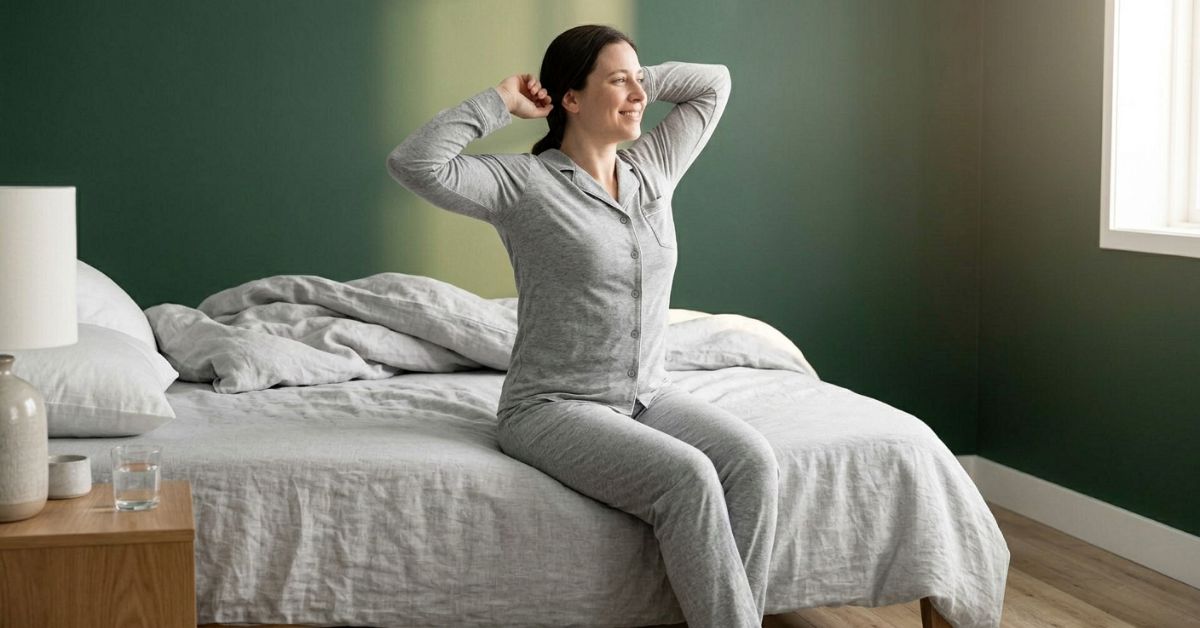
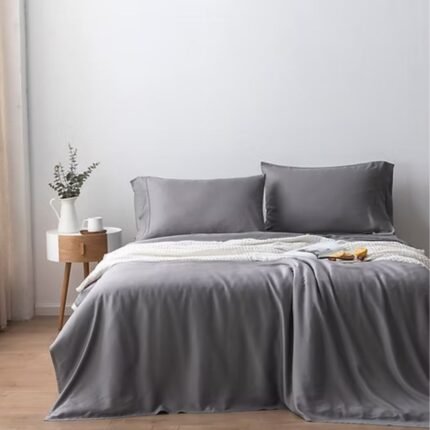
We spend roughly a third of our lives asleep, and the CDC notes that consistent, good quality sleep is essential for overall health, which means our face and body sit in direct, prolonged contact with our bedding almost every night. If you regularly wake up with a sudden breakout, irritated patches, or frizzy bedhead, the sheets underneath you may be part of the problem.
Picking the right fabric to sleep in is not only about coziness. It is a genuine extension of your skincare and haircare routine. Below is a well researched, dermatology informed breakdown of the best sheet materials for skin health, matched to specific skin types and concerns, along with government backed sources you can check for yourself.
Why Bedding Material Actually Matters for Skin
Pillowcases and sheets collect dead skin cells, natural oils, sweat, saliva, and skincare residue every single night. Warm, damp fabric is also the ideal environment for dust mites, which feed on shed human skin flakes. According to EPA research on indoor biological contaminants, house dust mites are one of the most common indoor allergens and thrive in warm, humid bedding. A peer reviewed review published via the National Institutes of Health confirms that dust mites feed on dead skin cells and that their waste particles, not the mites themselves, trigger most allergic reactions. That is one reason fabric choice and washing habits matter as much as the sheet material itself.
The Top Contenders for Skin and Hair Health
1. One Hundred Percent Mulberry Silk: The Gold Standard
When it comes to the best sheets for skin and hair, pure mulberry silk is difficult to beat, and it is a common recommendation in our comparison of bamboo versus silk sheets for readers weighing texture and price against performance.
- For hair and aging skin: Silk creates an almost frictionless surface, so hair glides across the pillow instead of catching. This reduces split ends, frizz, and tangles, and it helps prevent the sleep creases on your face that can contribute to fine lines over time.
- Moisture retention: Unlike absorbent fabrics, silk does not pull natural hydration out of your skin or soak up expensive night serums, which makes it a strong option for dry or mature skin.
2. One Hundred Percent Bamboo Lyocell or Viscose: Ideal for Sensitivity and Oil Control
If silk feels too slippery or high maintenance, bamboo derived fabric is a strong alternative and consistently ranks among the best bed sheets for sensitive skin. Our full breakdown of whether bamboo sheets are softer than cotton covers the texture comparison in more depth.
- Hypoallergenic and smooth: High quality bamboo derived fabrics have long, smooth fibers that feel gentle against irritated, eczema prone, or reactive skin.
- A strong option for oily and acne prone skin: If you struggle with body breakouts, look for bedding that maximizes moisture wicking and breathability. Bamboo derived fabric pulls sweat away from the body more efficiently than standard cotton, which helps prevent the warm, damp environment where acne related bacteria thrive. MedlinePlus, a service of the National Library of Medicine notes that acne forms when hair follicles become clogged, and that heavy sweating and humidity can make breakouts worse.
A labeling note worth knowing: the Federal Trade Commission has taken enforcement action against retailers that labeled rayon textiles as pure bamboo. Fabric made through a chemical process must legally be described as rayon or viscose made from bamboo. When shopping, look for third party verification such as Oeko Tex certified bamboo sheets, which confirms the finished fabric has been tested for harmful substances rather than relying on marketing claims alone.
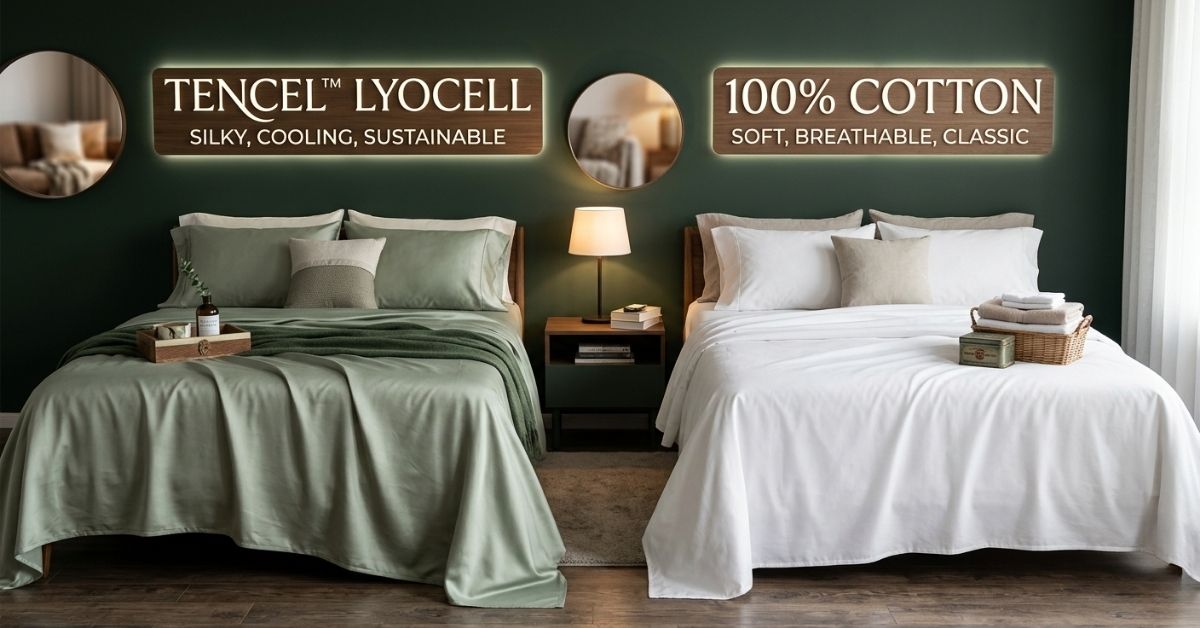
3. Tencel or Eucalyptus Lyocell: The Cool, Clean Choice
Similar to bamboo, Tencel is made from wood pulp, usually eucalyptus, and has an exceptionally smooth surface. It naturally resists dust mites and bacterial growth, which is helpful for people managing reactive skin barriers. The National Institute of Arthritis and Musculoskeletal and Skin Diseases explains that atopic dermatitis, commonly called eczema, occurs when the skin barrier loses moisture more easily, and that environmental irritants can trigger flare ups. Smooth, breathable fabrics reduce one of those everyday irritants. For a side by side look at how these fibers compare, see our guide to linen versus cotton versus bamboo sheets.
4. Classic Cotton: Comfortable, But Not Always Optimal
Cotton is often praised as a natural, breathable choice, and it can be the most comfortable option if you prefer a classic, crisp hotel feel. From a strict skin health perspective, though, standard cotton has two drawbacks worth knowing:
- High absorption: It acts like a sponge for sweat, oils, and skincare products, holding them close to your face night after night.
- Texture: Lower quality or low thread count cotton can have rougher microfibers that create friction against the skin barrier. If you prefer cotton, choose long staple varieties such as Egyptian or Pima in a smooth sateen weave. See our comparisons of bamboo versus Egyptian cotton and polyester versus cotton sheets for more detail.
If sustainability and skin friendliness both matter to you, organic cotton is worth a closer look. Our guides on organic cotton versus bamboo lyocell and organic cotton versus conventional cotton walk through how growing and processing methods affect the residues left in the finished fabric. A certified option such as the Organic Cotton Bed Sheet Set avoids the synthetic pesticide residue found in some conventional cotton, which can matter for sensitive or reactive skin.
Which Material Should You Choose? Comparison Table
| Skin Concern |
Winner |
Why It Works |
Best For |
| Frizz, hair breakage, aging skin |
Mulberry Silk |
Near zero friction against skin and hair; does not absorb moisture or serums. |
Dry or mature skin |
| Acne, night sweats, oily skin |
Bamboo Lyocell or Viscose |
Strong moisture wicking; naturally smooth and breathable, reducing bacterial buildup. |
Oily or acne prone skin |
| Eczema, allergies, high sensitivity |
Bamboo or Tencel Lyocell |
Ultra smooth fiber structure that resists dust mites and limits bacterial growth. |
Sensitive or reactive skin |
| Classic, crisp comfort |
Long Staple Cotton (Egyptian or Pima) |
Breathable and familiar, though it absorbs more oil and moisture than silk or bamboo. |
Cool sleepers who prioritize a crisp feel |
Our Recommendation
For most sleepers who want a balance of skin benefits, breathability, and value, a certified bamboo lyocell sheet set is the most practical everyday choice. It offers much of silk's smoothness with far better moisture wicking, which matters for warm sleepers and acne prone skin alike. The Oeko Tex Certified Bamboo Sheets are independently tested for harmful substances, which addresses the labeling concerns raised by the FTC above.
If you lean toward natural fiber and organic sourcing, the Purely Organic Sheet Set or the Organic Cotton Bed Sheet Set are strong picks, particularly for people who prefer a crisp, traditional cotton feel while still avoiding conventional cotton's pesticide residue. Reserve pure mulberry silk for those specifically targeting anti aging skincare goals or reducing hair breakage, since it carries a higher price point and requires gentler care.
Care Tips That Protect Your Skin
Sources