Growing a human is remarkable, but it can also be deeply uncomfortable, especially when a sharp, shooting pain flares from your lower back down your leg. Sciatica during pregnancy is surprisingly common, and it can make a full night of sleep feel nearly impossible. This guide covers why it happens and exactly how to adjust your nightly setup to take pressure off the nerve so you can actually rest.
|
Key Takeaways
- Sciatica in pregnancy is usually caused by the combination of a growing uterus, shifting weight distribution, and a hormone called relaxin loosening the pelvic joints.
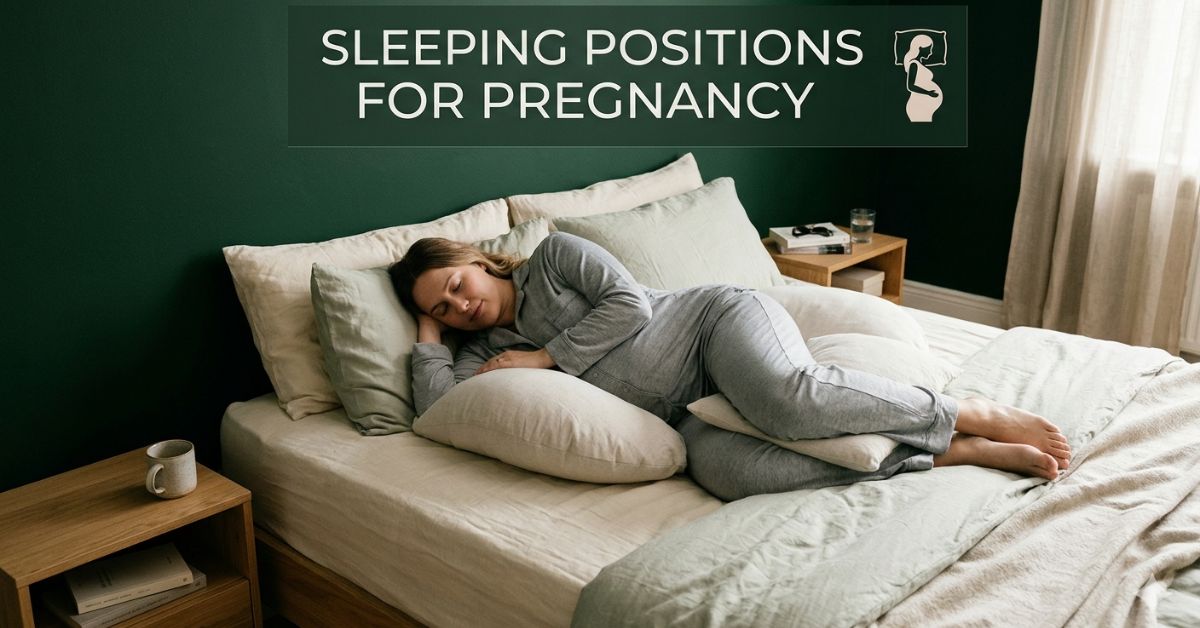
- Side sleeping, with a pillow supporting the knees and ankles, is the most effective and widely recommended position once back sleeping is no longer advised.
- Heat, gentle stretching, and proper pillow support in the hour before bed can meaningfully calm an irritated nerve before you even lie down.
- Persistent or worsening nerve pain should always be reviewed with your obstetric provider rather than managed with home strategies alone.
- Small, consistent changes to positioning and evening routine tend to help more than any single product or gadget.
|
Why Pregnancy Causes Sciatica
As your uterus grows, it shifts your center of gravity and adds direct weight and pressure through the pelvis. That pressure can compress or irritate the sciatic nerve, the longest nerve in the body, which runs from the lower back through the hips and down each leg. The Eunice Kennedy Shriver National Institute of Child Health and Human Development (NICHD) notes that musculoskeletal changes are a well recognized and expected part of pregnancy, driven by both the physical weight of the growing baby and hormonal shifts that loosen the body's connective tissue in preparation for birth.
Is Side Sleeping Really Necessary
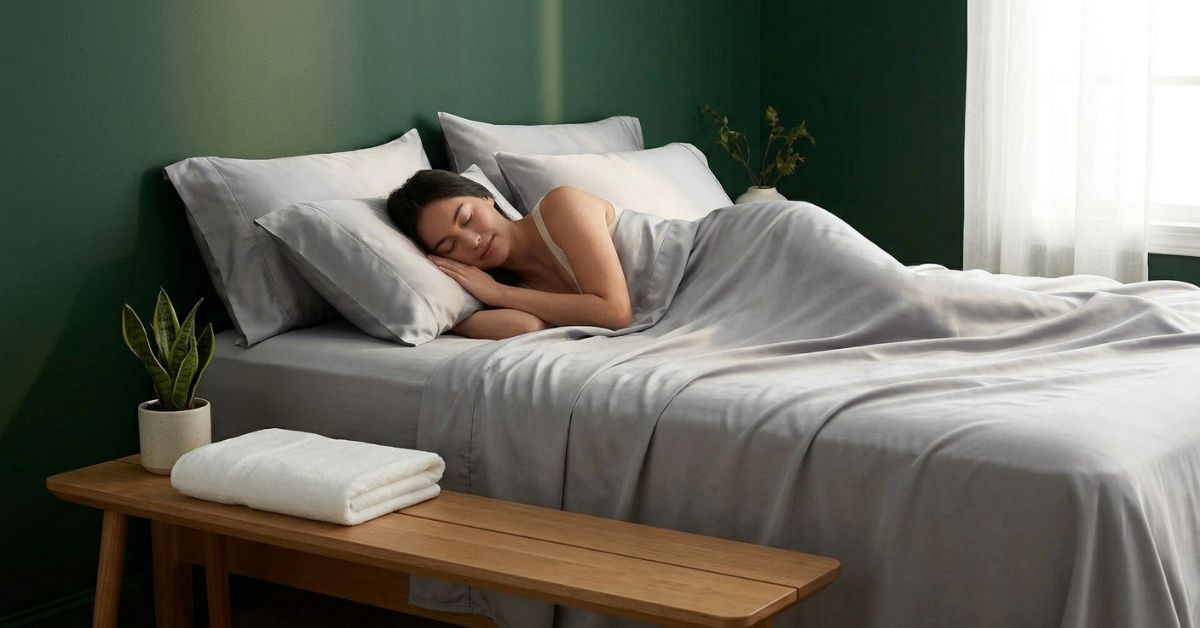
Back sleeping is generally discouraged after the first trimester, since the weight of the uterus can press on major blood vessels and reduce blood flow. That leaves side sleeping as the healthiest and most comfortable option for most of pregnancy, and it also happens to be the position least likely to compress the sciatic nerve directly.
Why the Left Side Is Often Recommended
Sleeping on the left side is frequently recommended during pregnancy because it can support healthy blood flow to the placenta and baby. That said, if your sciatic pain is clearly worse on the left, it is generally considered safe to sleep on your right side instead, in order to keep direct pressure off the irritated nerve. Comfort and pain relief matter here as much as the general guideline does.
How to Position Pillows Correctly
Never sleep with your legs stacked directly on top of each other. This lets the top leg drop forward, twisting the lower back and pulling the pelvis out of alignment, which pinches the sciatic nerve even further. Instead:
- Bend your knees and place a thick, firm pillow between them.
- Extend that pillow down to support your ankles as well.
- Keep your knees aligned directly over each other so your hips stay open, neutral, and free of unnecessary pressure.
What Relaxin Has to Do with It
As pregnancy progresses, the body releases a hormone called relaxin, which loosens ligaments to prepare for birth. This is a normal and necessary part of pregnancy, but it frequently causes joint instability in the pelvis. When the pelvis is unstable, the muscles in the glutes and lower back have to overcompensate, often tightening into painful knots that sit close to, and directly irritate, the sciatic nerve. The National Institute of Arthritis and Musculoskeletal and Skin Diseases (NIAMS) notes that muscle tension and joint instability are common contributors to lower back pain generally, which lines up with why relaxin related looseness can make sciatic symptoms noticeably worse at night.
Supporting Your Pelvis Overnight
A few targeted adjustments can meaningfully reduce this extra friction on the nerve:
- Tuck a wedge pillow under your bump to take the downward pulling weight off your lower spine.
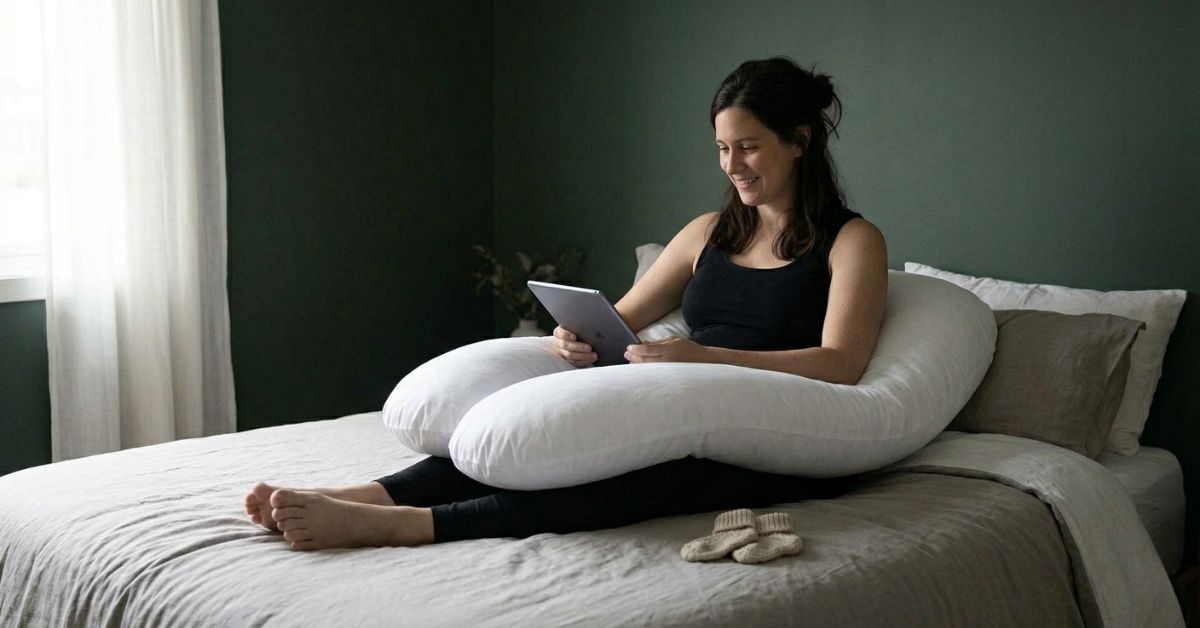
- Use the hug technique: hold a full length body pillow against your chest to keep your upper body from twisting forward while you sleep, which helps keep your entire spine neutral from head to toe.
Evening Habits That Calm the Nerve Before Bed
A good night's sleep often starts an hour before you actually get into bed. The National Institute of Neurological Disorders and Stroke (NINDS) explains that low back pain, including sciatic nerve irritation, often responds well to a combination of heat, gentle movement, and rest, rather than any single fix on its own.
| Approach |
How It Helps |
Best Way to Use It |
| Targeted ice or heat |
Ice numbs sharp, acute nerve pain, while heat relaxes tight muscles around the pelvis |
Apply an ice pack or a warm heating pad to your lower back or glute for fifteen to twenty minutes before bed |
| The figure four stretch |
Opens the piriformis muscle in the glutes, which frequently pinches the sciatic nerve |
Sit in a sturdy chair, cross the ankle of your painful leg over the opposite knee, and lean forward gently with a straight back until you feel a deep stretch in the hip |
| Supportive mattress topper |
Softens pressure points at the hips and shoulders during consistent side sleeping |
If your mattress is too firm, a temporary memory foam topper can distribute weight more evenly through the night |
If muscle tightness feels like the bigger driver of your pain than nerve irritation itself, it is worth reading whether muscle relaxers actually help you sleep, since pregnancy limits which options are safe and a targeted stretch may accomplish more than expected. Gentle movement in general also pairs well with this routine; our guide on whether stretching before bed helps you sleep covers the broader case for it. For a more structured, evidence based approach to calming the body before sleep, our piece on relaxation therapy for sleep goes deeper than a single nightly habit can.
What Your Bedding Is Doing While You Sleep
Consistent side sleeping puts sustained pressure on the same hip and shoulder every night, and overheating can make that discomfort feel worse. Breathable, temperature regulating bedding, such as Oeko Tex certified bamboo sheets, an organic sheet set, or an organic cotton bed sheet set, can support a cooler, more comfortable sleep surface, which matters more during pregnancy than most people expect given how much body temperature can shift.
Why the Pain Often Gets Worse the Moment You Lie Down
Many people notice that sciatic pain spikes the instant they get into bed, even if it felt manageable all day while upright. Lying down changes the angle of the lower spine just enough to increase pressure on the already irritated nerve, and remaining still for hours removes the small postural shifts that happen constantly while you are awake and moving. This is also why so many people report being jolted awake in the middle of the night rather than simply having trouble falling asleep in the first place.
When Sleep Disruption Starts Affecting Everything Else
Waking repeatedly through the night from nerve pain does more than leave you tired. Chronically fragmented sleep during pregnancy can compound daytime fatigue considerably; our article on whether four hours of sleep is enough explains why partial, broken sleep does not function the same way as a shorter but uninterrupted night. If the anticipation of another painful, broken night has started to create its own dread around bedtime, that pattern is worth naming directly; our guide on somniphobia and the fear of sleeplessness describes how a cycle like that develops and how it is typically addressed. A racing mind on top of physical pain rarely helps either, and our pieces on how to stop your mind racing at night and dealing with an overactive mind at night both offer ways to interrupt that layer of the problem, separate from the physical pain itself. It is also worth remembering that healthy sleep looks different at every stage of life, from a newly pregnant body to advanced age; our piece on why elderly people sleep a lot is a reminder that there is no single universal sleep pattern to measure yourself against.
A note on what people commonly describe: In online discussions about pregnancy related sciatica, a recurring pattern is that people describe the pain as most severe in the first few hours after lying down, easing somewhat as the night goes on, only to spike again with the first movement in the morning. Many also mention that a single consistent change, most often the pillow between the knees or a nightly heating pad, made a bigger difference than several remedies tried inconsistently. That lines up with what the mechanism above would predict, since steady positioning reduces the repeated nerve compression that tends to build the longer you stay still in a poor position.
A Simple Checklist for Tonight
- Pillow bent and placed firmly between both knees, extending down to the ankles
- Wedge pillow tucked under the bump if lying on your side
- Full length body pillow hugged to the chest to prevent forward twisting
- Heat applied to the lower back or glute for fifteen to twenty minutes before bed
- Mattress topper added if your current mattress feels too firm against the hip
|
Recommendation
Start with the pillow setup and one evening habit, most people find heat more immediately effective than stretching when pain is sharp, rather than changing everything at once. Give any single change about a week before adding another, so you can actually tell what is helping. Always confirm new stretches or heat routines with your obstetric provider first, since pregnancy specific guidance can vary based on your individual history.
|
When to Talk to Your Doctor
Occasional sciatic discomfort is common in pregnancy, but certain symptoms warrant a prompt call to your obstetric provider rather than home management alone. The Office on Women's Health advises contacting a provider if pain is severe, sudden, one sided and accompanied by fever, or associated with numbness, weakness, or loss of bladder or bowel control, since these can indicate something beyond routine pregnancy related nerve irritation.
Final Thoughts
Dealing with sciatica and pelvic discomfort during pregnancy is genuinely exhausting, but small, consistent shifts in how you support your body at night can make a real difference. Keep your hips parallel with supportive pillows, take direct weight off your lower back, and do not hesitate to use heat or gentle stretching to calm your muscles before bed. Your body is doing enormous work right now, and getting comfortable enough to rest is worth the effort it takes to adjust your setup.
Sources and References
- Eunice Kennedy Shriver National Institute of Child Health and Human Development, NIH: Pregnancy
- National Institute of Neurological Disorders and Stroke, NIH: Low Back Pain
- National Institute of Arthritis and Musculoskeletal and Skin Diseases, NIH: Back Pain
- MedlinePlus, National Library of Medicine: Sciatica
- Office on Women's Health, U.S. Department of Health and Human Services: Aches, Pains, and More During Pregnancy
- National Center for Complementary and Integrative Health, NIH: Relaxation Techniques, What You Need To Know