Shopping for sheets, loungewear, or everyday basics used to mean choosing between cotton and polyester. Today the shelf is crowded with plant based alternatives, and two of the biggest names are modal and bamboo. Both promise a softer night's sleep, but they are made differently, regulated differently, and suited to different parts of your wardrobe and bedroom.
This guide breaks down modal, micromodal, bamboo viscose, and cotton in plain language, with the labeling rules and environmental data that back up (or debunk) common marketing claims. If you are also comparing other materials, our guides on linen sheets vs cotton sheets and linen vs cotton vs bamboo sheets are good companion reads.
What Are Modal and Bamboo, Really?
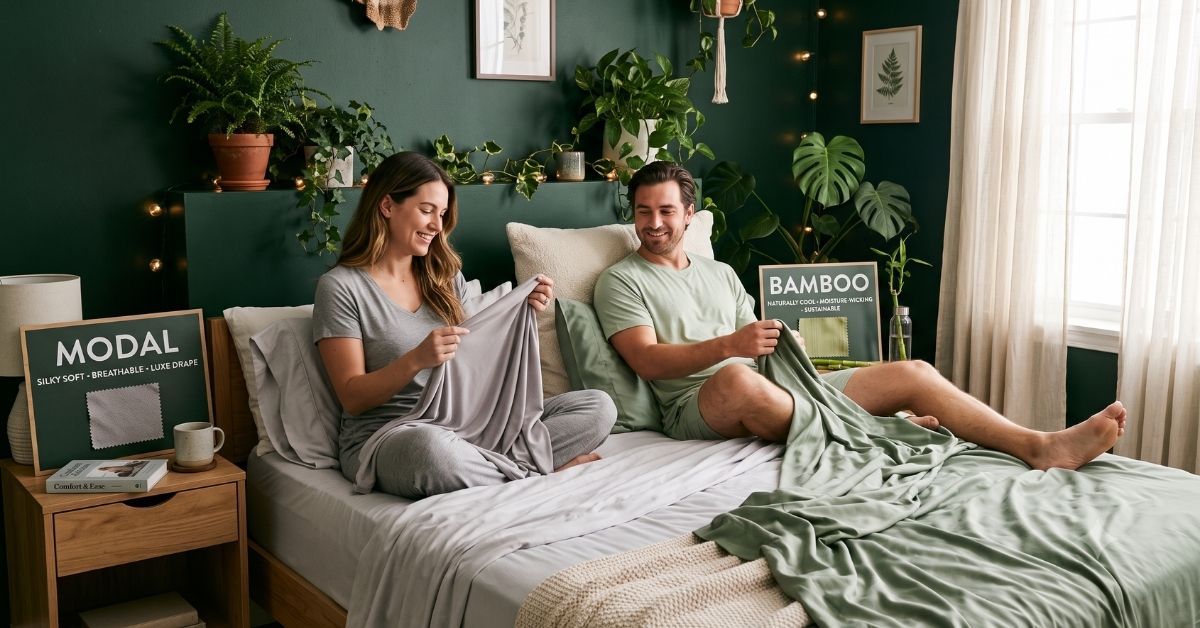
Modal and bamboo fabric are both semi synthetic cellulosics. They start as wood pulp from a real plant, then go through an industrial process that dissolves the cellulose and re spins it into soft, spinnable fiber.
Modal: made specifically from the pulp of beech trees, then wet spun into fiber.
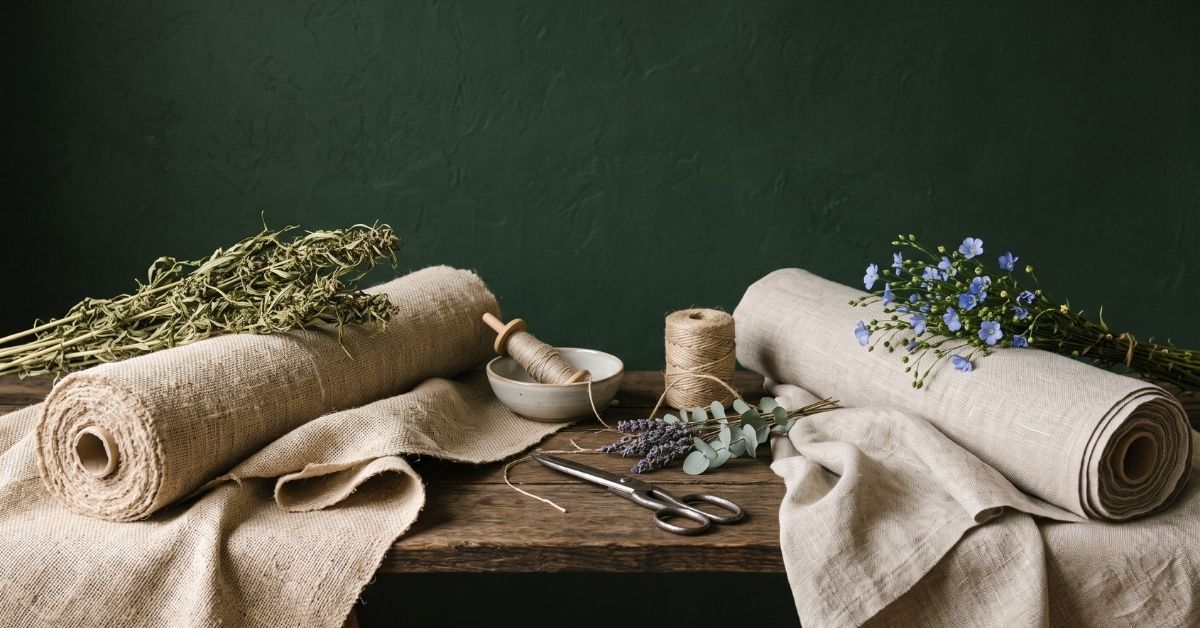
Bamboo: made from the bamboo plant, almost always processed into a viscose or rayon fiber rather than a raw, mechanically separated bamboo strand.
That second point matters more than most shoppers realize. According to the Federal Trade Commission's guidance on bamboo textiles, a fabric can only be marketed as bamboo if it is made directly from mechanically processed bamboo fiber, which is rare and coarse. Almost everything sold as bamboo bedding or clothing is actually rayon or viscose made from bamboo cellulose, and the FTC has fined major retailers, including a combined multi million dollar penalty against two national chains, for skipping that distinction in their labeling. When you see bamboo sheets marketed honestly, the label should say rayon from bamboo or viscose from bamboo, not 100% bamboo.
Modal does not run into this problem because modal is itself one of the FTC's recognized generic fiber names, not a marketing term layered on top of rayon. You can read the full labeling framework in the FTC's business guide, Threading Your Way Through the Labeling Requirements Under the Textile and Wool Acts, which covers how generic fiber names, country of origin, and manufacturer identity must appear on every label.
Modal Fabric vs. Cotton
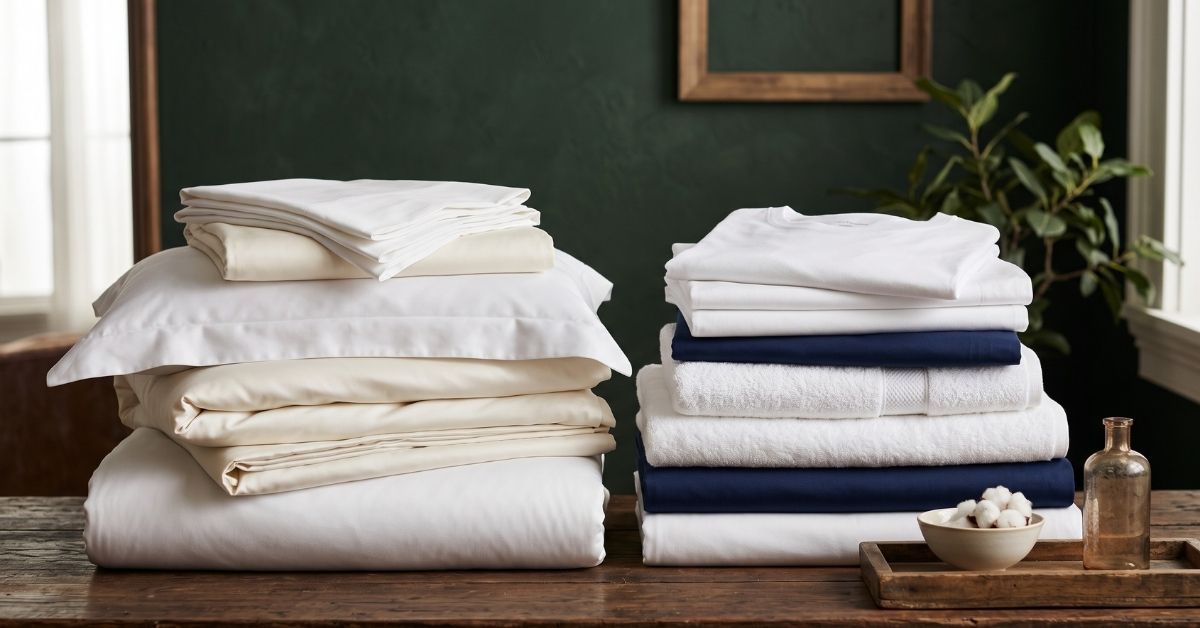
For generations, cotton has been the default choice for bedding and clothing. When you put modal fabric next to cotton, a few clear differences emerge.
| Feature |
Modal Fabric |
Cotton |
| Softness and feel |
Silky, fluid drape that moves with the body |
Crisp, structured hand feel |
| Moisture control |
About 50% more absorbent than cotton |
Absorbent, but slower to release moisture |
| Long term wear |
Resists shrinking, fading, and pilling |
Prone to piling and fading over repeated washes |
| Best for |
Underwear, pajamas, premium sheets |
Denim, dress shirts, structured basics |
Cotton keeps that familiar, structured feel people love in button downs or classic percale sheets, but it is well known for shrinking and fading with repeated washing. Modal, by comparison, has a silky drape and holds its shape and color far longer. If you have ever compared polyester vs. cotton sheets and wondered whether a natural fiber could match synthetic durability without the clammy feel, modal is the closer answer.
Is Modal Better Than Cotton?
It depends on what you want from the fabric. If you prefer a crisp, structured hand feel, cotton wins, especially for percale sheets or tailored clothing. If your priority is cloud like softness, strong moisture absorption, and long term color retention, modal is generally the better pick for underwear, pajamas, and premium sheet sets. For a deeper look at how organic cotton specifically stacks up, see our comparison of organic cotton vs. conventional cotton.
Micromodal vs. Bamboo
Micromodal is a finer, lighter weight version of standard modal. The difference between modal and micromodal comes down to fiber fineness: micromodal fibers are spun thinner, which produces an even lighter, more fluid fabric that feels close to a second skin.
Micromodal: the fine fiber structure eliminates chafing and feels essentially weightless, which is why it shows up so often in premium underwear and fitted loungewear.
Bamboo: bamboo viscose has a cooler initial touch and naturally airy structure, which many hot sleepers prefer on warm nights. If you run warm at night, our guide to eucalyptus vs. bamboo sheets digs deeper into cooling plant based fibers.
Bamboo vs. Standard Modal: Head to Head
Step back to regular weight modal and bamboo viscose, and the comparison gets close. Both share a similar manufacturing lineage and both are meaningful upgrades over older synthetic blends.
| Category |
Bamboo (Viscose/Rayon) |
Modal |
| Breathability |
Slight edge, microscopic fiber gaps improve airflow for hot sleepers |
Very breathable, though marginally less airy than bamboo |
| Durability and care |
Can shrink slightly with high heat washing or drying |
Holds dye and shape exceptionally well through repeated washes |
| Raw material |
Fast growing bamboo plant, minimal water and no pesticides to cultivate |
Beech tree pulp, grown on marginal land with modest water needs |
| Labeling |
Legally sold as rayon or viscose made from bamboo, not as pure bamboo fiber |
Labeled as modal, a regulated generic fiber name |
| Ideal use |
Bed sheets and warm weather loungewear |
Everyday tees, underwear, and long lasting basics |
Breathability and Temperature Regulation
Both fabrics perform well here, but bamboo has a slight edge. Its fiber structure includes microscopic gaps that improve ventilation, which is part of why it is a favorite for hot sleepers. This lines up with sleep science on skin temperature: research published by the National Institutes of Health on the temperature dependence of sleep shows that the body works to hold a skin microclimate roughly between 31 and 35 degrees Celsius during sleep, and that deviating from that range disrupts sleep onset and quality. A more breathable fabric helps your bedding support that microclimate instead of fighting it, which is a core reason we build our sleep content around fabric performance, not just softness.
Longevity and Maintenance
Modal wins on easy care. It holds dye exceptionally well, so deep colors stay rich instead of washing out, and it keeps its structural integrity through the laundry better than bamboo viscose, which can shrink slightly when exposed to high heat.
Sustainability and the Chemistry Behind the Softness
Both fibers start from renewable plants. Beech trees used for modal need less irrigation than cotton and can grow on land unsuitable for food crops. Bamboo is a famously fast grower that regenerates from its own root system without pesticides.
Where the sustainability story gets more complicated is in processing. Turning either beech pulp or bamboo pulp into a soft, wearable fiber is a chemically intensive step. The U.S. Environmental Protection Agency's emission standards for cellulose products manufacturing identify carbon disulfide, carbonyl sulfide, and toluene as the primary hazardous air pollutants released during viscose style processing, which applies to bamboo rayon, modal, and standard rayon alike. In practice, this is why there are no active rayon or viscose manufacturers left in the United States, and why the fiber's true environmental footprint depends heavily on how well a specific mill controls its emissions, not just which plant the pulp came from.
This is also why third party certifications matter more than the word bamboo or organic on its own. For a fiber to legally carry the USDA organic seal, the raw crop and every step of processing must meet the USDA's organic textile labeling standards, and most finished textiles instead rely on the Global Organic Textile Standard, which the USDA recognizes as an accepted equivalent for finished goods. Our Organic Sheet Set and organic cotton bed sheet set are built around this chain of custody rather than a loose organic claim on a hangtag.
Marketing language is regulated too. Under the FTC's Green Guides for environmental marketing claims, brands are not allowed to make broad, unqualified claims like eco friendly or all natural without specific, substantiated evidence. That is one more reason to look for a named certification, such as OEKO-TEX or GOTS, rather than taking a sustainability claim at face value.
Which Should You Choose?
The right fabric depends on the product, not just the fiber name.
Choose bamboo if: you are buying sheets or summer loungewear and want a cooling, airy feel. Look for a labeled and certified option, such as an OEKO-TEX certified bamboo sheet set, so you know the finished fabric has been tested for harmful substances, not just marketed as bamboo.
Choose modal or micromodal if: you want everyday loungewear, underwear, or sheets that resist pilling, hold color, and feel weightless against skin over years of washing.
Choose cotton if: you need structured, durable basics like denim, dress shirts, or classic percale sheets. If you want the best of both worlds in a sheet set, an organic cotton bed sheet set pairs cotton's crisp hand feel with verified, pesticide free growing standards.
Still deciding between synthetic and plant based options? Our breakdowns of microfiber vs. polyester, is polyester bad for you, and bamboo vs. Egyptian cotton for sensitive skin cover the other side of that decision. If you want the science behind lyocell processing specifically, see organic cotton vs. bamboo lyocell.
Sources
- Federal Trade Commission. Bamboo Textiles.
- Federal Trade Commission. Threading Your Way Through the Labeling Requirements Under the Textile and Wool Acts.
- Federal Trade Commission. Green Guides, 16 CFR Part 260.
- U.S. Environmental Protection Agency. Cellulose Products Manufacturing, National Emission Standards for Hazardous Air Pollutants.
- National Institutes of Health, National Center for Biotechnology Information. The Temperature Dependence of Sleep.
- U.S. Department of Agriculture, Agricultural Marketing Service. Organic Textiles.