When you are furnishing a bedroom or living room, picking the right fabric for pillows, drapes, or a sofa can feel like a big decision. You want something that feels soft against your skin, looks beautiful in the room, and holds up to daily life. This search often leads shoppers to one of the most common home decor debates: chenille versus velvet.
Both fabrics are prized for their plush texture, but they are built in very different ways and suit different lifestyles. This guide breaks down what each fabric is, how the two compare to popular synthetics, and which one deserves a spot in your home, with references from the federal agencies that oversee textile labeling, furniture flammability, and fiber standards in the United States.
What Does Chenille Look Like?
To understand this cozy material, it helps to start with its name. Chenille is the French word for caterpillar.
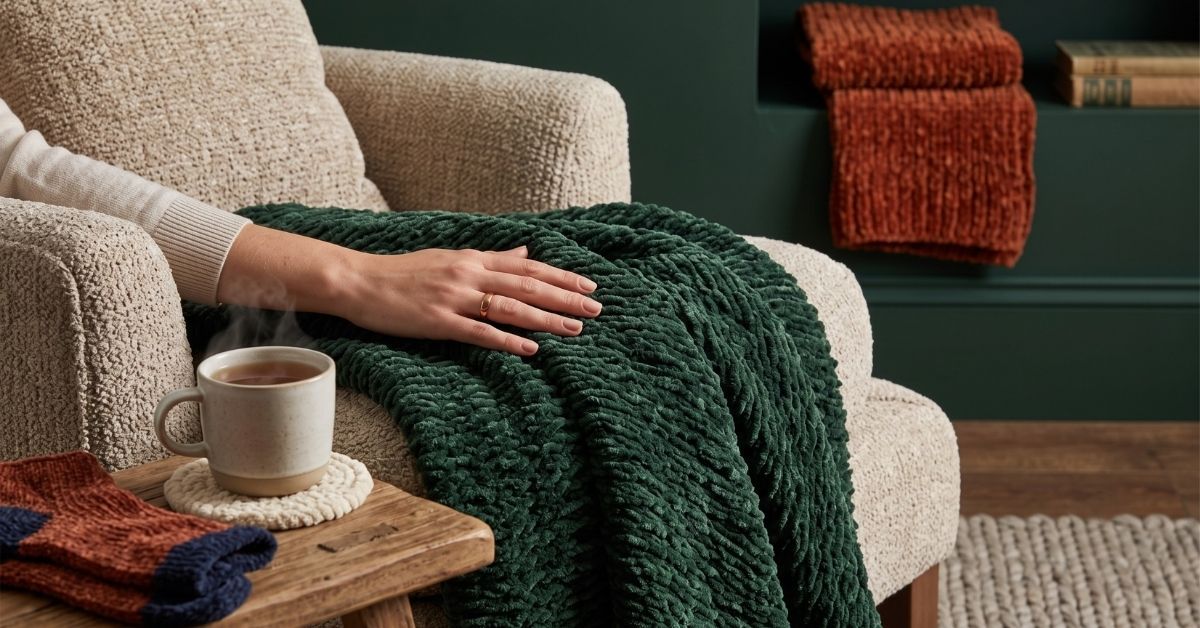
So what does chenille actually look like? Look closely at the fabric and you will notice it resembles a caterpillar's fuzzy skin. Unlike fabrics with a flat, uniform face, chenille is made by placing short lengths of yarn between two core yarns and twisting them tightly together. This process forces the fiber edges to stand upward, creating a chunky, tufted texture with pleasing irregularity. It has a soft shimmer, because the tufted fibers catch light from many different angles.
Because chenille describes a weaving method rather than a single material, its fiber content can vary widely from one product to the next. The USDA Agricultural Marketing Service, which sets the official cotton fiber grading standards used across the American textile industry, measures raw cotton by length, strength, uniformity, and micronaire. Those same qualities influence how soft and durable a cotton based chenille yarn will feel once it is woven into a pillow or sofa cover.
Is Chenille Like Velvet?
Because both fabrics feel soft and carry a bit of sheen, people often ask whether chenille is basically the same as velvet.
While the two share a cozy, touchable quality, they are constructed in completely different ways. Velvet is woven on a specialized loom that produces two layers of fabric at once. Those layers are then sliced apart to create a flat, short, and very dense pile.
Chenille gets its softness from twisted, cordlike yarns, which give it a chunkier, more textured surface. If velvet is a smooth tailored suit, chenille is your favorite oversized knit sweater.
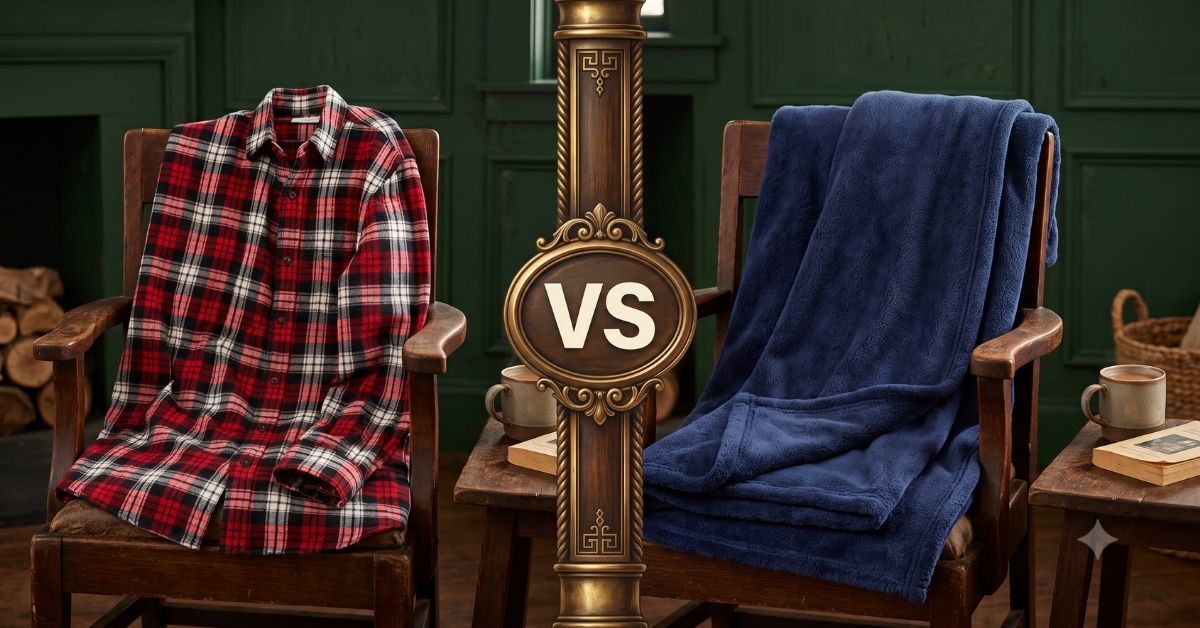
Chenille vs Velvet at a Glance
| Feature |
Velvet |
Chenille |
| Texture |
Ultra smooth, flat, dense pile |
Chunky, tufted, raised texture |
| Appearance |
Regal, high sheen, dramatic |
Warm, cozy, casual chic |
| Pet Friendliness |
Great, claws glide off the tight pile |
Poor, loops catch and snag easily |
| Common Fiber Content |
Polyester, cotton, silk blends, rayon |
Polyester, cotton, acrylic, olefin |
| Durability |
Very good with proper care |
Good, though loops may loosen over time |
| Best Suited Vibe |
Modern or traditional luxury |
Cozy, relaxed, transitional |
Every fiber listed in that table must be disclosed by law. Under the Textile Fiber Products Identification Act, enforced by the Federal Trade Commission, manufacturers must attach a label stating the generic names and percentages of every fiber used, so check the tag if you want to know exactly what you are buying.
Understanding Fabric Labels Before You Buy
Before you commit to either fabric, it helps to know what manufacturers are legally required to tell you. The Textile Fiber Products Identification Act requires that covered textile products carry a label disclosing generic fiber names and the percentage of each fiber by weight. That is why a single chenille sofa might list polyester, cotton, and acrylic all on one tag.
The Federal Trade Commission also enforces a separate Care Labeling Rule, which requires manufacturers to include washing, drying, bleaching, and cleaning instructions on textile products. Reading both labels before you buy helps you understand not just how a fabric looks, but how well it will hold up in your home over time.
Fire Safety Standards for Upholstered Furniture
If you are shopping for a chenille or velvet sofa, armchair, or ottoman, flammability is worth a moment of attention. The Consumer Product Safety Commission enforces the Flammable Fabrics Act, and upholstered furniture sold in the United States must meet the smolder resistance requirements set out in 16 CFR Part 1640. This standard applies to the cover fabric itself, so a compliant chenille or velvet piece should carry a label confirming it passed the required smolder test.
Allergies, Pets, and Indoor Air Quality
Texture is not the only thing worth weighing. If anyone in your household has asthma or related allergies, fabric choice matters more than you might think. Research summarized by the National Institute of Environmental Health Sciences notes that dust mites, a common indoor asthma trigger, thrive in soft, textured household surfaces such as upholstered furniture and bedding. Because chenille's looped, tufted surface offers more nooks for dust and pet dander to settle into compared with velvet's dense, flat pile, allergy sensitive households may find velvet easier to keep clean.
Pet owners face a related tradeoff. Chenille's open loops can catch on claws, while velvet's tight pile lets claws glide across the surface without snagging, one reason many pet owners lean toward velvet for a scratch resistant sofa.
The Environmental Side of Synthetic Fibers
Most chenille, and a good share of velvet sold today, is made partly or fully from polyester, a synthetic fiber. The U.S. Environmental Protection Agency has identified synthetic textile microfibers as a contributor to microplastic pollution, since tiny plastic fibers shed from synthetic fabric during washing and can travel into waterways. If this is a concern for you, look for chenille or velvet blends with a larger share of cotton or another natural fiber, and wash upholstered cushion covers less often, using a full load and cold water when you do.
How Chenille Compares to Popular Synthetics
Chenille vs Polyester
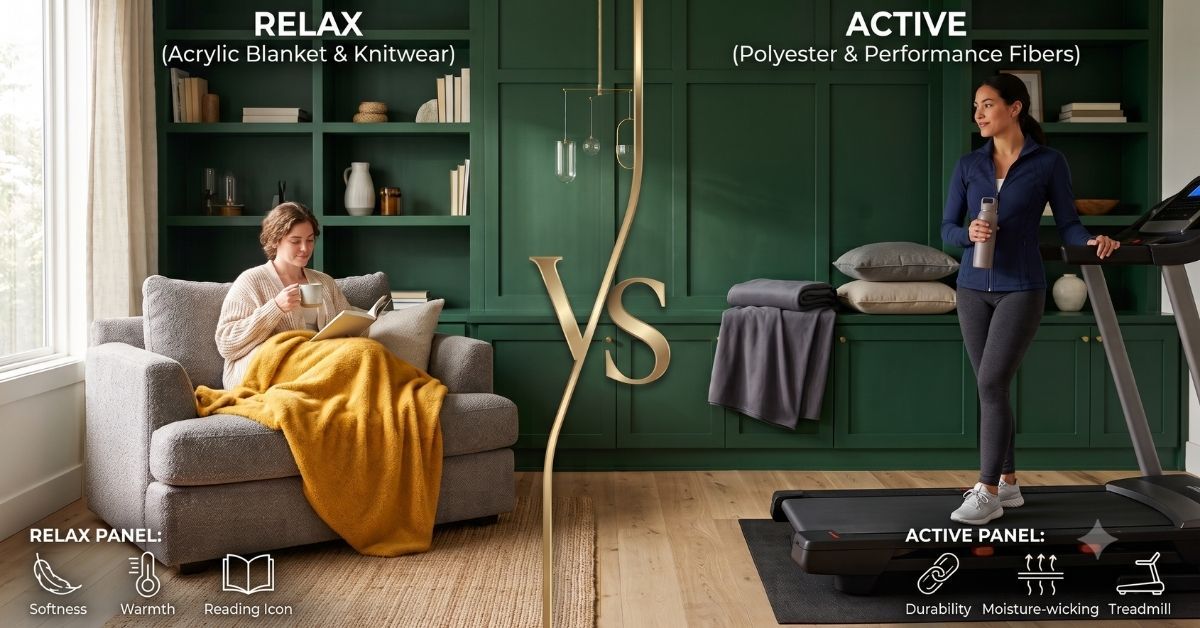
When comparing chenille vs polyester, it helps to realize these are not really competing materials. Polyester is a synthetic fiber, while chenille is a weaving method. In fact, most modern chenille fabric is made from polyester fibers, precisely to boost durability and stain resistance.
Still, if you compare a standard, flat polyester weave to a polyester based chenille, the flat weave will be easier to spot clean, while the chenille will feel much softer and more textured.
Chenille vs Microfiber
Another common matchup is chenille vs microfiber. Microfiber is a tightly knit synthetic fabric made from very fine, split fibers.
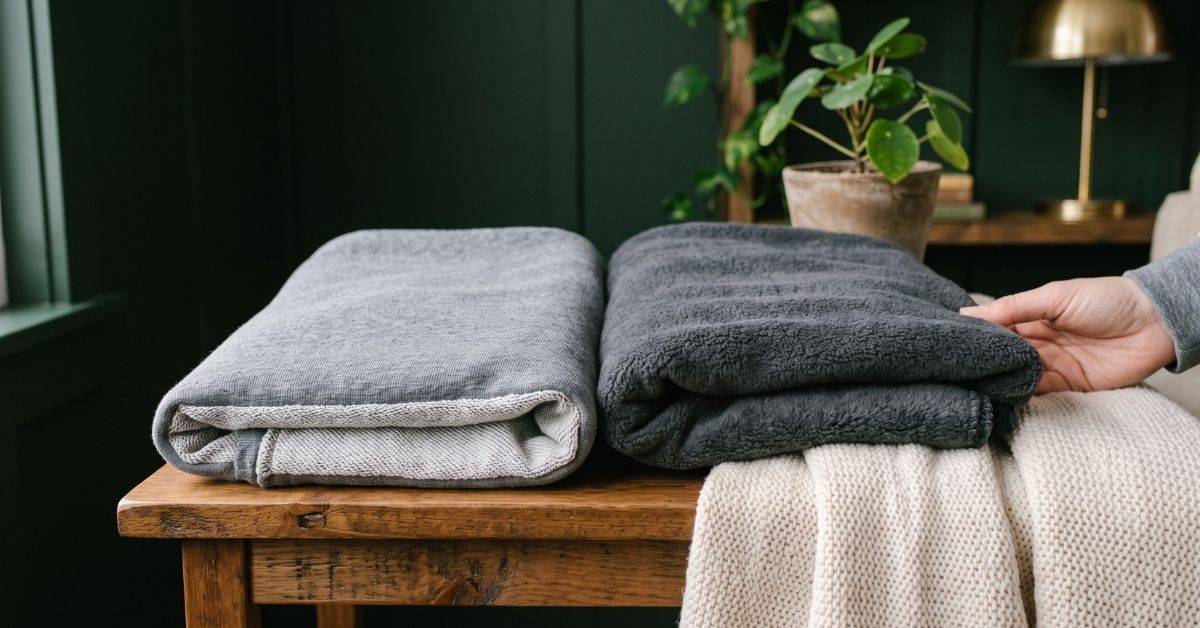
When comparing chenille vs microfiber for a busy family room, microfiber usually wins on pure stain resistance and ease of cleaning. Microfiber can look a bit flat or plain, though. Chenille wins if you want a fabric with more depth, character, and an organic, elevated look.
Our Recommendation
- Choose velvet if you love a sleek, luxurious look, want rich color depth, need a fabric that resists pet claws, or want an easier fabric to keep clean for allergy sensitive households.
- Choose chenille if your priority is a warm, cozy, deeply textured room where you can curl up and relax, and pets or heavy dust exposure are not a major concern.
For a formal living room, a home office, or a household with cats and dogs, velvet is generally the safer, more practical pick. For a reading nook, a media room, or a casual family space built around comfort, chenille brings a warmth that velvet cannot quite match. Whichever you choose, check the fiber content label described above and confirm the piece meets current furniture flammability requirements before you buy.
Related Reads
If you are also comparing bedding and sheet fabrics, these guides can help:
Sources
- Federal Trade Commission. Textile Fiber Products Identification Act
- Federal Trade Commission. Clothes Captioning: Complying with the Care Labeling Rule
- U.S. Consumer Product Safety Commission. Flammable Fabrics Act
- Electronic Code of Federal Regulations. 16 CFR Part 1640, Standard for the Flammability of Upholstered Furniture
- U.S. Environmental Protection Agency. About Plastic Products and Plastic Pollution
- National Institute of Environmental Health Sciences. Asthma
- USDA Agricultural Marketing Service. Cotton Fiber Testing and Standardization