Reviewed against primary federal sources including the FTC, CPSC, EPA, OSHA, and CDC. Last updated July 2026.
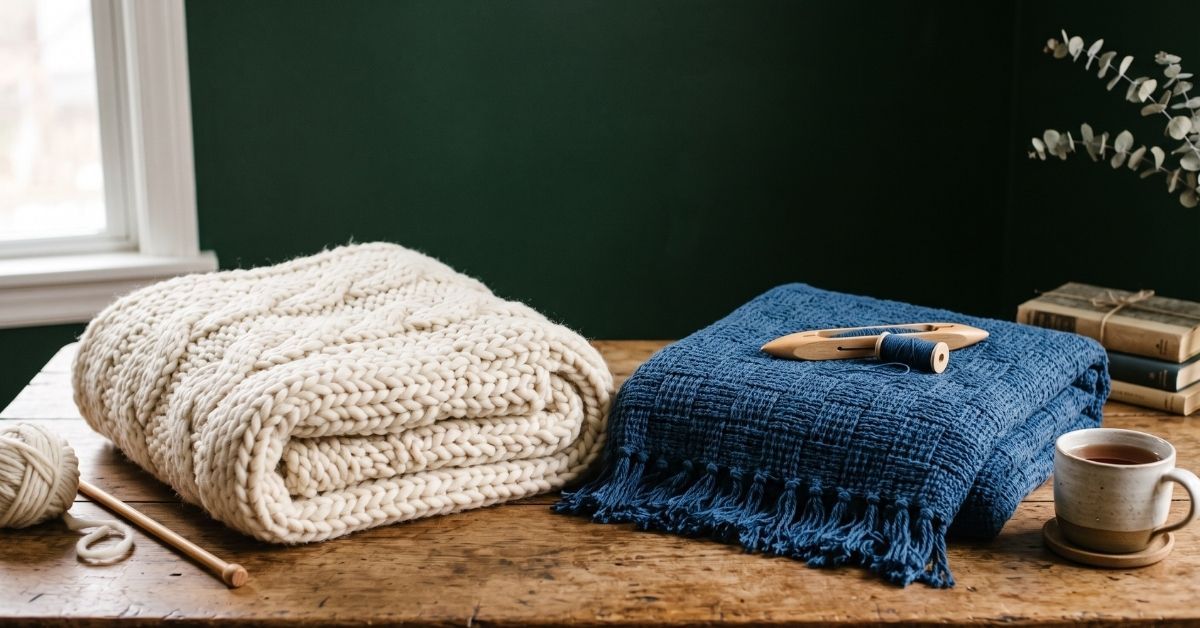
When shopping for blankets, bedding, and winter apparel, synthetic textiles are almost impossible to avoid. Two names dominate the modern textile landscape: acrylic and polyester. Both materials have reshaped how fabrics are manufactured, offering affordability, lightweight warmth, and easy care. Choosing between acrylic and polyester is not simply a matter of picking a synthetic option, though. It requires understanding how their structural differences affect comfort, sleep quality, and the long life of your home goods.
Whether you are searching for the coziest blanket for cold winter nights or trying to work out which material performs better for your climate, a side by side look at acrylic fabric versus polyester reveals genuinely different profiles in insulation, breathability, and wear resistance. This guide has been rewritten to lean on primary regulatory sources rather than marketing claims, so you can shop with confidence.
The Core Science: Is Acrylic a Type of Polyester?
To understand how these fabrics perform in real life, it helps to settle a common point of confusion first: is acrylic a type of polyester? The short answer is no. While both are synthetics derived from petroleum based chemical compounds, they belong to entirely different polymer families and are produced using different manufacturing methods.
Polyester is made from polyethylene terephthalate, commonly abbreviated PET. Federal regulation defines it as a manufactured fiber composed of at least 85 percent by weight of an ester of a substituted aromatic carboxylic acid, a definition set out in the Federal Trade Commission's Rules and Regulations under the Textile Fiber Products Identification Act. Polyester is manufactured through a process called melt spinning, in which the plastic resin is melted and extruded through microscopic holes to create smooth, durable filaments.
Acrylic, by contrast, is composed of polyacrylonitrile, defined the same way under federal rule as a fiber containing at least 85 percent acrylonitrile units by weight. Every generic fiber name used in the United States, including acrylic, modacrylic, and polyester, is set and enforced by the FTC under the Textile Fiber Products Identification Act, which governs how fiber content must be labeled, invoiced, and advertised nationwide. Acrylic fiber is produced through solution spinning, a process using specialized solvents that yields a crimped, wavy fiber structure closely mimicking natural wool.
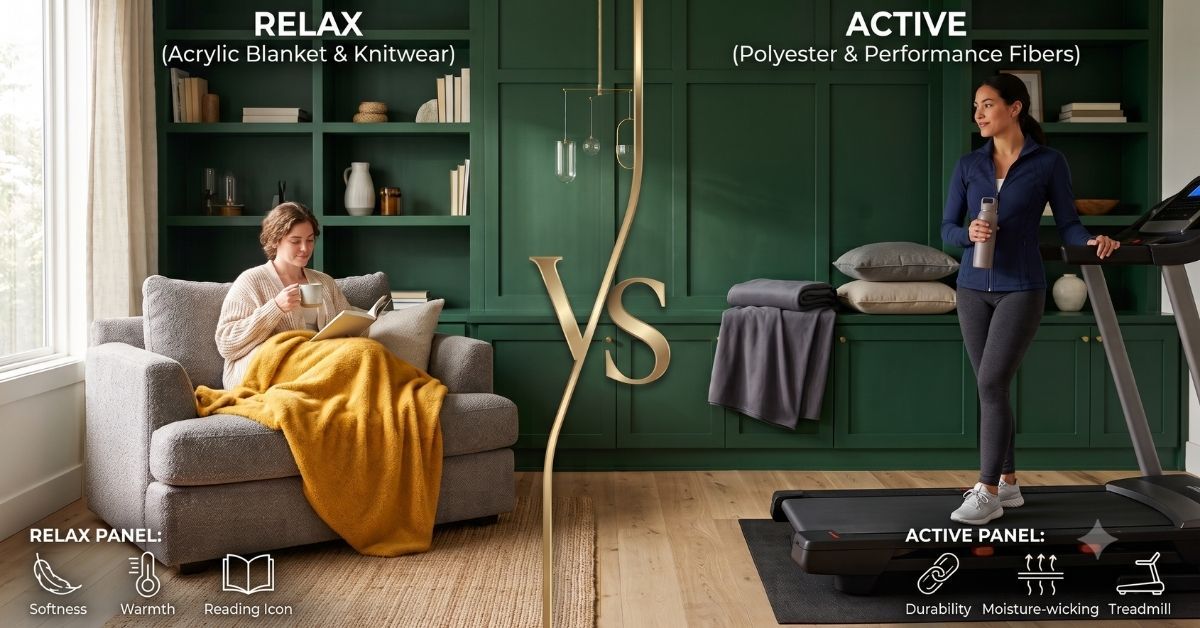
Because of these structural differences, asking whether acrylic is better than polyester depends heavily on the application. Acrylic is engineered to replicate the soft, crimped loft of wool, while polyester is designed for strength, versatility, and rapid moisture wicking.
How Federal Standards Regulate These Fabrics
Both acrylic and polyester textiles sold in the United States sit inside a framework of federal consumer protection and safety rules, which gives shoppers a reliable baseline for the claims printed on a hang tag.
Fiber Content Labeling
Every textile product sold in the United States must be labeled with the generic fiber names and the percentage by weight of its constituent fibers, a requirement set by the Textile Fiber Products Identification Act. This is why a label reading one hundred percent Acrylic, or sixty percent Polyester and forty percent Cotton, carries legal weight rather than being an arbitrary marketing choice.
Flammability Testing
Interior textiles such as blankets and clothing fabrics fall under the Flammable Fabrics Act, administered by the Consumer Product Safety Commission. Under the associated clothing textile standard, plain and raised surface fabrics made of acrylic, modacrylic, nylon, olefin, polyester, wool, or blends of these fibers are exempt from certain flammability testing requirements, which reflects their generally favorable burn characteristics compared with untreated cellulose based fabrics.
Care Instructions
The FTC Care Labeling Rule requires manufacturers to attach a permanent label describing at least one safe washing or dry cleaning method for a garment or piece good. This is the legal source behind the wash and dry symbols found on nearly every blanket, sheet set, and sweater, and it is worth checking before assuming acrylic and polyester can be laundered the same way, since acrylic is more sensitive to heat.
Key Performance Comparison
When evaluating these textiles for home bedding and apparel, a handful of performance factors dictate how comfortable you will actually feel while using them.
Insulation and Heat Retention
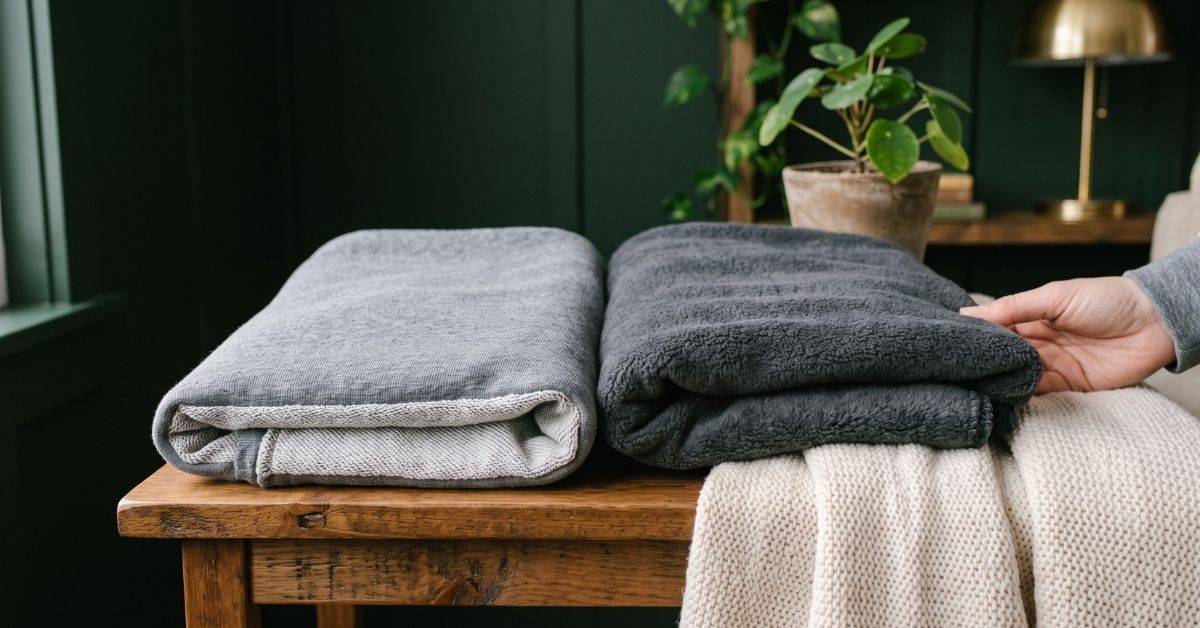
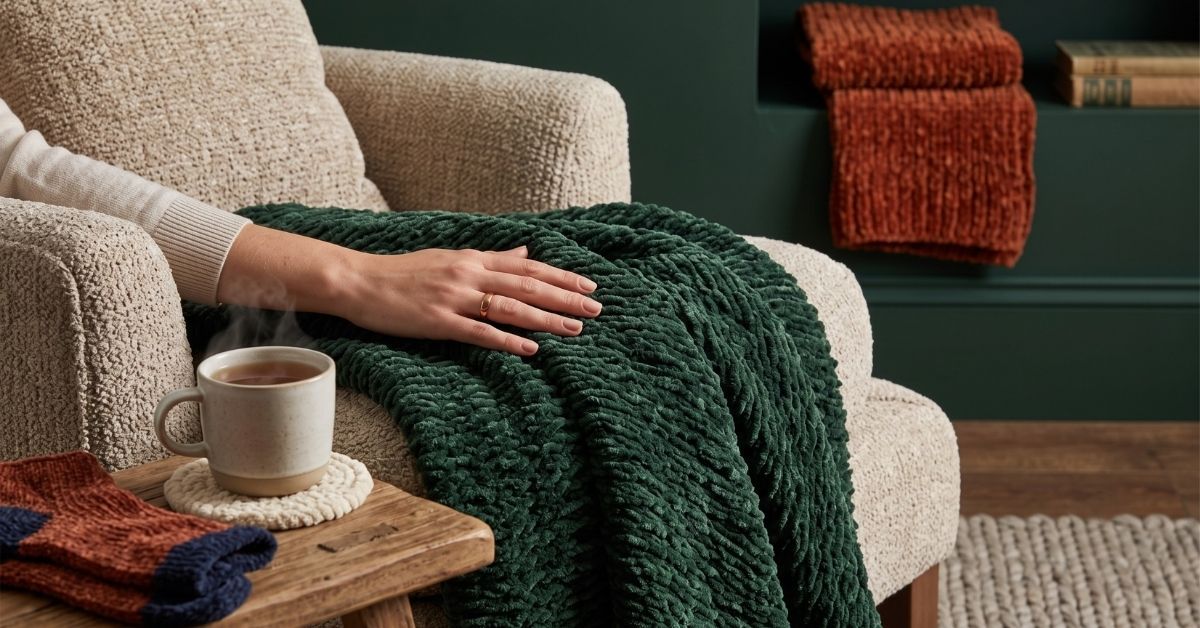
Acrylic performs strongly in cold weather environments. Its irregular, crimped fiber shape creates microscopic air pockets that trap ambient body heat. Industry testing frequently cites bulked acrylic as achieving noticeably higher thermal retention than wool of the same weight, making it a popular choice for thick winter blankets.
Polyester, on the other hand, has a smoother and more uniform fiber structure. It still provides a solid baseline of insulation, especially when processed into fleece or micro plush weaves, but it lacks the built in structural loft that acrylic offers naturally.
Moisture Management and Breathability
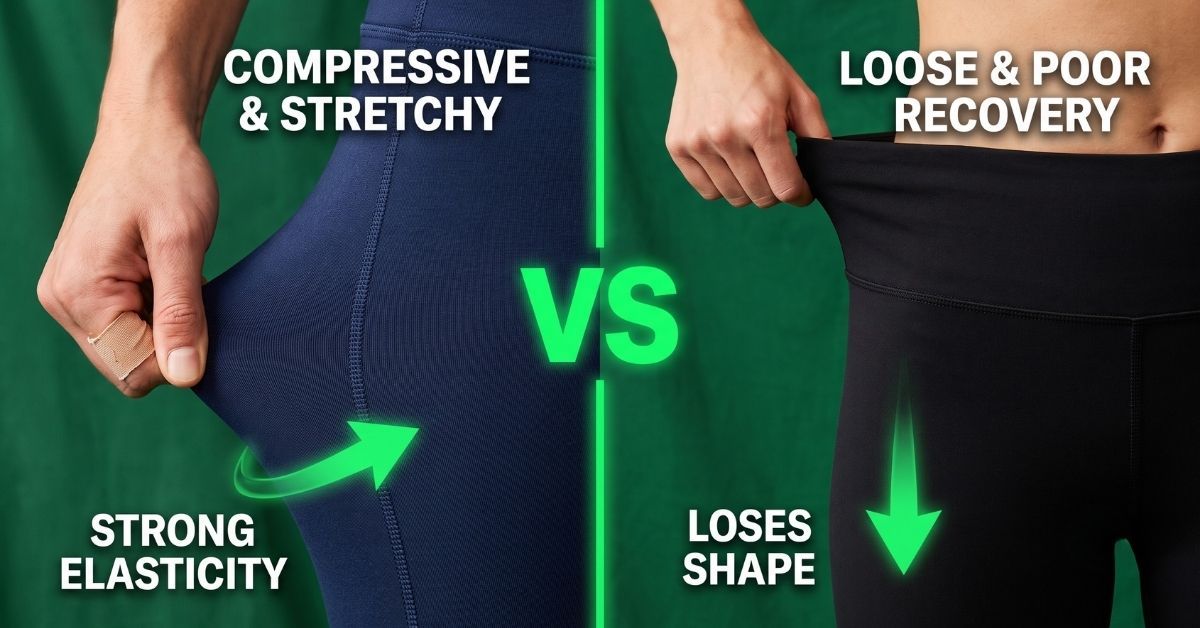
Polyester is a highly hydrophobic material, meaning it repels water rather than absorbing it into the fiber. Instead, it pulls moisture away from the skin and lets it evaporate quickly, which is why it remains the global standard for performance sportswear.
Acrylic also resists moisture absorption, but its high loft, heat trapping weave makes it far less breathable overall. Under heavy sweat conditions, acrylic can trap humid air close to the skin, creating an uncomfortable, damp microclimate.
Pilling and Longevity
One notable drawback of acrylic fabric is its vulnerability to surface friction. The fibers have lower tensile strength and a tendency to break under physical agitation. When these short fibers snap, they tangle together on the surface of the fabric, forming the small fuzzy balls known as pills.
Polyester fibers are strong and resilient. While low quality polyester blends can still pill somewhat, high grade polyester resists abrasion, holds up to frequent machine washing, and keeps its shape for years without warping. If pilling is a major concern for everyday sheets, it is worth reading our comparison of polyester versus cotton sheets for how each fares over time.
Performance At A Glance
| Performance Metric |
Acrylic Fabric |
Polyester Fabric |
| Primary Texture |
Soft, fluffy, wool like loft |
Smooth, silky, or plush |
| Thermal Insulation |
Excellent, high heat retention |
Moderate, depends on fabric thickness |
| Moisture Management |
Low breathability, traps ambient humidity |
Excellent moisture wicking, dries rapidly |
| Pilling Resistance |
Poor, prone to surface fuzzing |
Excellent, high tensile strength |
| Durability and Washing |
Moderate, can stretch or shrink under high heat |
High, exceptionally wrinkle resistant |
| UV and Weather Resistance |
Superior, highly resistant to sun degradation |
Good, but prone to UV degradation over long periods |
Environmental Footprint: Microplastics and Sustainability
One growing area of scientific interest concerns what happens to synthetic fibers after they leave the store. Both acrylic and polyester are plastic based textiles, and each wash cycle can release tiny fiber fragments known as microplastics into wastewater. The Environmental Protection Agency is actively researching how to characterize and measure microplastics in ambient water, including fibers that originate from synthetic fabrics. While federal regulation of textile microfiber shedding is still developing, independent laboratory studies have found that looser, high loft fabrics such as acrylic can shed proportionally more microfibers during washing than tightly woven polyester. Washing full loads on a lower spin speed, using a mesh laundry bag, and air drying when possible can reduce fiber shedding for either material.
Health, Skin Sensitivity, and Safety Considerations
Skin irritation is the most common consumer complaint about synthetic fabrics, and acrylic and polyester behave differently here. Because both fibers are chemically stable once fully polymerized, most wearers experience no reaction at all. That said, people with sensitive skin sometimes find acrylic's coarser, wool mimicking texture more irritating than the smoother surface of polyester.
Acrylic fiber is manufactured from acrylonitrile monomer. Occupational safety data published by OSHA's Substance Safety Data Sheet for Acrylonitrile and the CDC Agency for Toxic Substances and Disease Registry's Medical Management Guidelines for Acrylonitrile describe acrylonitrile as a skin and respiratory irritant during industrial handling of the raw, unreacted chemical. It is important to note that these hazard profiles describe occupational exposure to liquid monomer inside a manufacturing facility, not the finished, fully polymerized acrylic fabric found in a blanket or sweater, where residual free monomer is regulated and typically negligible. Even so, anyone with a known sensitivity may prefer polyester or a natural fiber option as a simple precaution.
Explore More Fabric Comparisons
Fabric choice extends well beyond a single blanket or throw. If you are building a full sleep system, see how our guide to Nylon vs. Polyester compares two other synthetic mainstays, or read our breakdown of Tencel vs. Cotton if you are deciding on your sheet set. For a broader natural fiber comparison, see how linen, cotton, and bamboo stack up together, or review polyester versus cotton sheets for everyday bedding decisions.
Readers who want to dig further into synthetic fabrics may also want to read our full piece on whether polyester is bad for you, while anyone exploring plant based alternatives can compare Eucalyptus vs Bamboo Sheets and Organic Cotton vs Conventional Cotton. And if you are simply trying to decide what to sleep in at all, start with the best fabric to sleep in.
OdeSleep Product Recommendations
If you decide to keep an acrylic throw for warmth at the foot of the bed, pairing it with a breathable, skin contact sheet underneath gives you the best of both worlds: a cozy top layer and a fresh, temperature regulating base layer.
Final Recommendations
Choosing whether acrylic is better than polyester ultimately comes down to matching fabric properties to your lifestyle and climate.
| Choose Acrylic If You |
Choose Polyester If You |
| Live in a genuinely cold climate and want maximum heat retention |
Run hot and need reliable moisture wicking to prevent night sweats |
| Prefer the look and feel of a thick, fuzzy wool style blanket |
Want bedding that survives dozens of heavy wash cycles without wearing down |
| Value intense, long lasting color saturation |
Have sensitive or allergy prone skin |
| Do not mind extra laundry care, such as washing cold and air drying to limit pilling |
Want a smooth, wrinkle resistant, low maintenance fabric |
For the ultimate sleep setup, consider a high performance polyester or natural fiber micro weave for your direct skin contact linens to maximize breathability, while reserving an acrylic blended throw for the foot of the bed to lock in cozy, draft blocking warmth.
Sources
- Federal Trade Commission, Textile Fiber Products Identification Act
- Electronic Code of Federal Regulations, 16 CFR Part 303, Rules and Regulations Under the Textile Fiber Products Identification Act
- Electronic Code of Federal Regulations, 16 CFR Part 423, Care Labeling of Textile Wearing Apparel and Certain Piece Goods
- Consumer Product Safety Commission, Flammable Fabrics Act Business Guidance
- Environmental Protection Agency, Advanced Ambient Water Quality Research, Microplastics
- Occupational Safety and Health Administration, 1910.1045 Appendix A, Substance Safety Data Sheet for Acrylonitrile
- Centers for Disease Control and Prevention, Agency for Toxic Substances and Disease Registry, Acrylonitrile Medical Management Guidelines