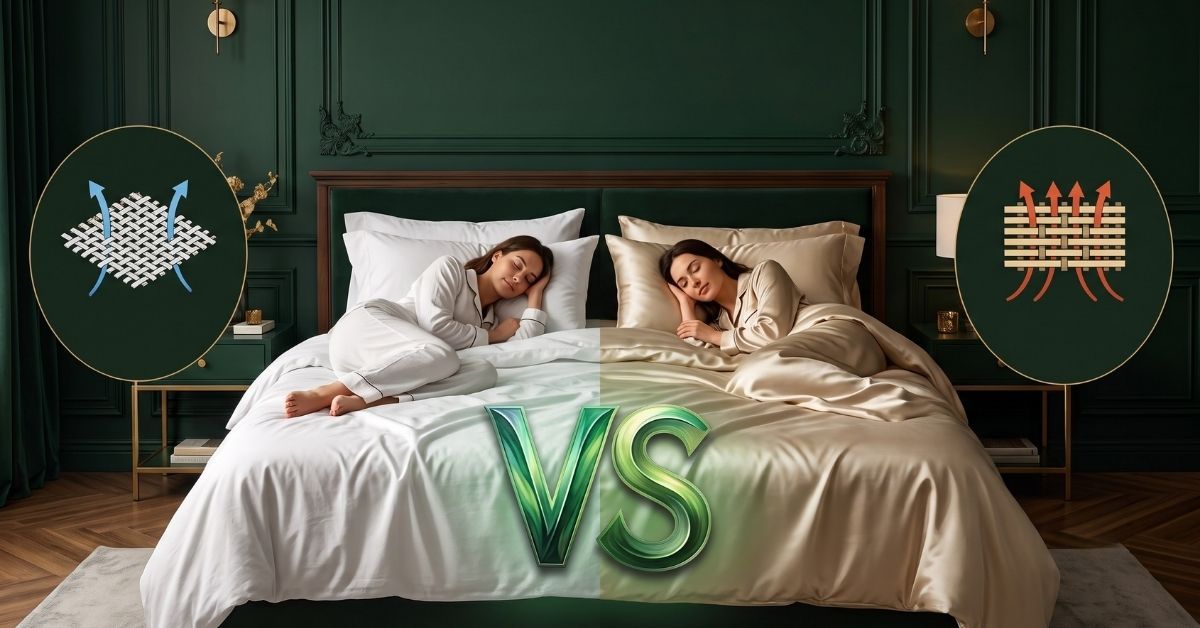
Most people never think twice about what they sleep on until they spend half the night tossing, turning, or waking up in a pool of sweat. When shopping for new bedding or sleepwear, you will quickly find yourself choosing between two fundamental fabric structures: knit and woven.
While it is easy to focus only on raw materials like organic cotton or bamboo, the way those fibers are constructed plays a major role in how a fabric feels against your skin, how it manages heat, and how long it lasts. This guide breaks down the science behind knit and woven textiles, references guidance from official health and consumer protection agencies, and helps you decide which structure belongs in your bedroom. If you are still comparing materials more broadly, our guide to the best fabric to sleep in is a useful starting point.
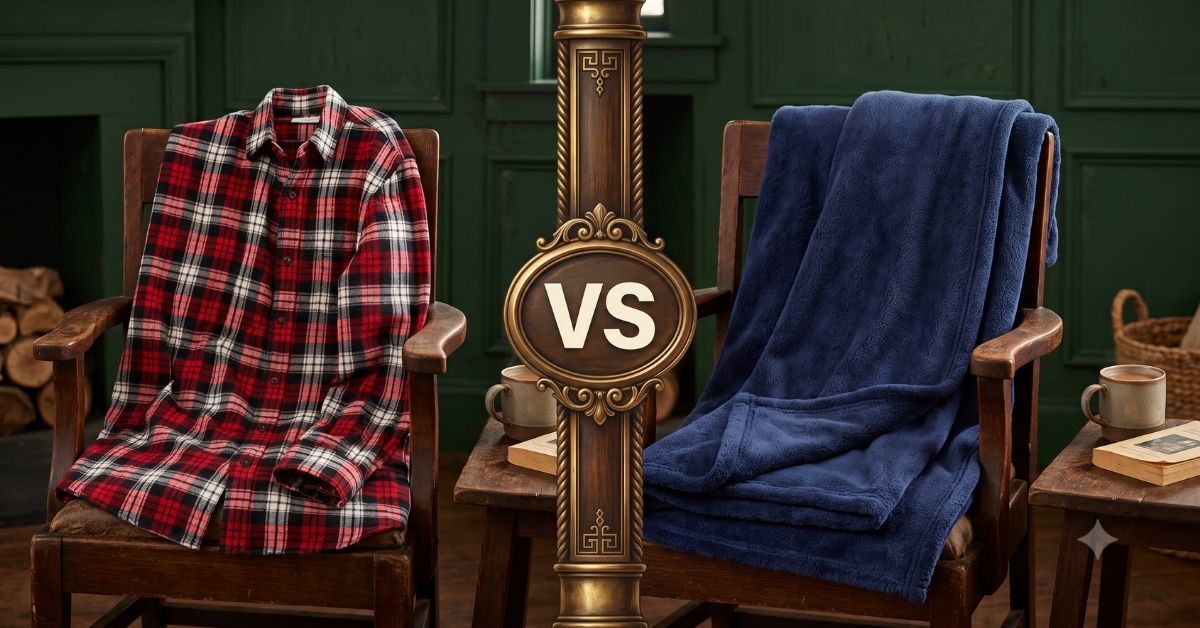
1. The Core Architecture: Knit vs Woven Material
At a microscopic level, the difference between a woven or knitted material comes down to geometry and construction.
What Is a Knit Fabric?
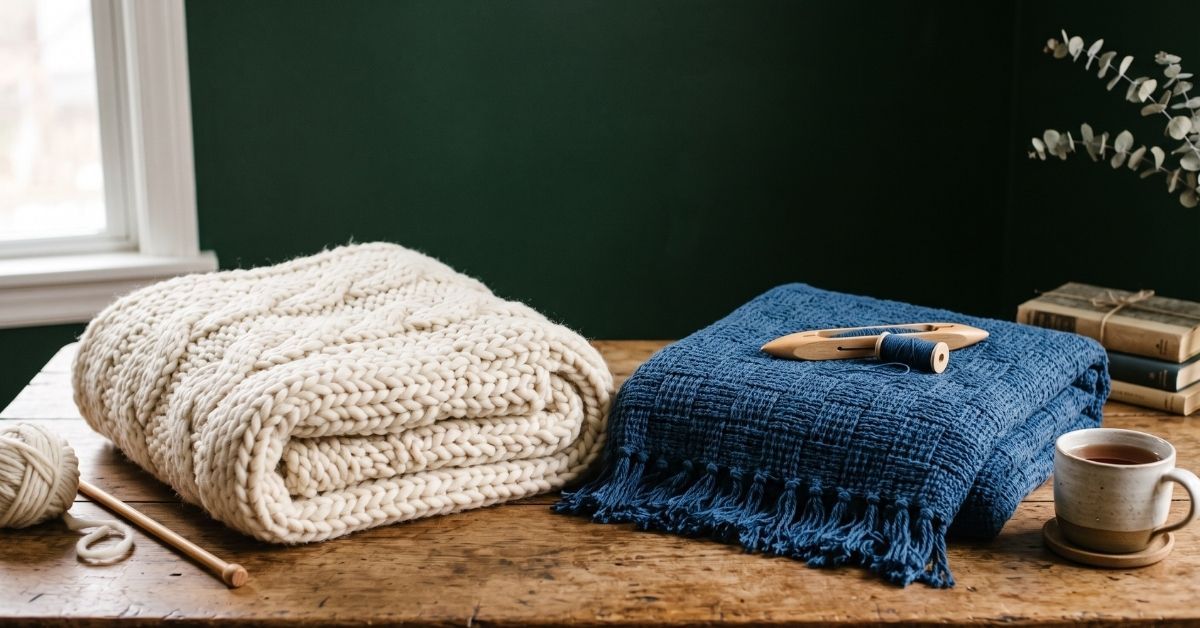
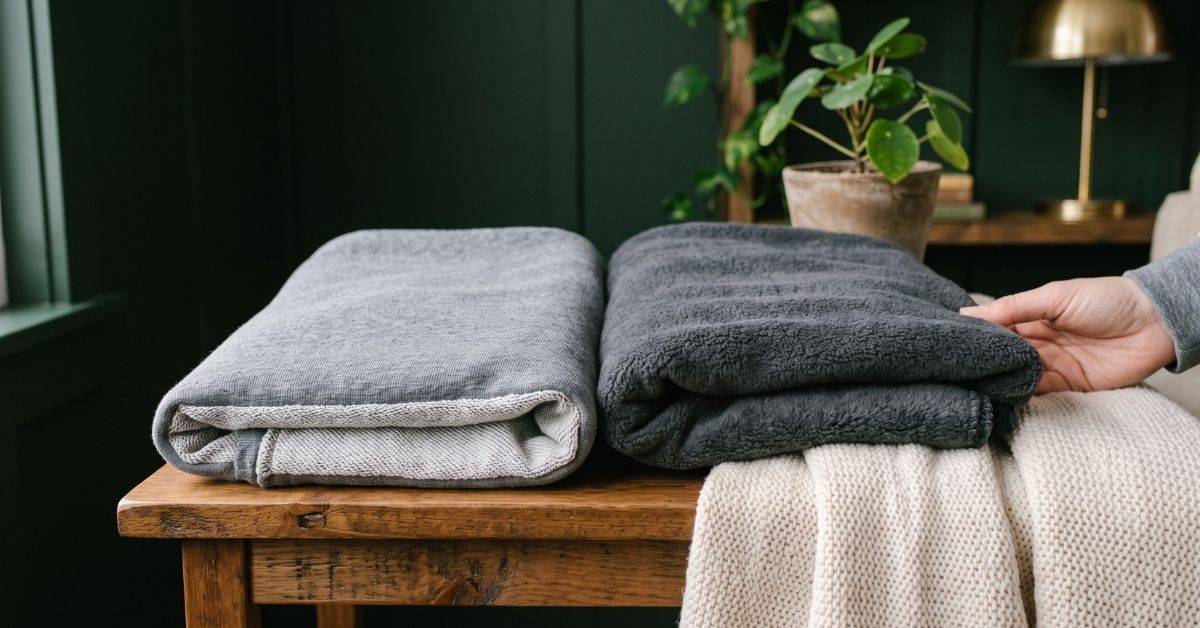
Knitted fabrics are formed by interlocking a single continuous strand of yarn into rows of loops. Think of it as a highly sophisticated, micro scale version of a hand knitted sweater. Because the yarns loop over one another, there is a built in pocket of empty space inside each loop. This structure gives knit fabrics a naturally plush, highly elastic and relaxed texture. A universal example of a knit fabric is your everyday jersey tee or jersey bed sheet.
What Is a Textile Woven Fabric?
A textile woven fabric is constructed by interlacing two separate sets of yarns at strict right angles, typically ninety degrees.
- The warp: the vertical yarns held stationary on a loom.
- The weft: the horizontal yarns woven over and under the warp.
This tight, crisp grid structure creates a flat, highly stable surface with very little natural give. Classic examples of woven fabrics include crisp button front dress shirts, denim, and traditional luxury bed sheets.
2. Deep Dive: Types of Woven Fabrics and the Cotton Factor
Understanding the types of woven fabrics helps clarify why some sheets feel crisp and cool while others feel heavy and smooth. The three primary foundational weaves used in textiles are:
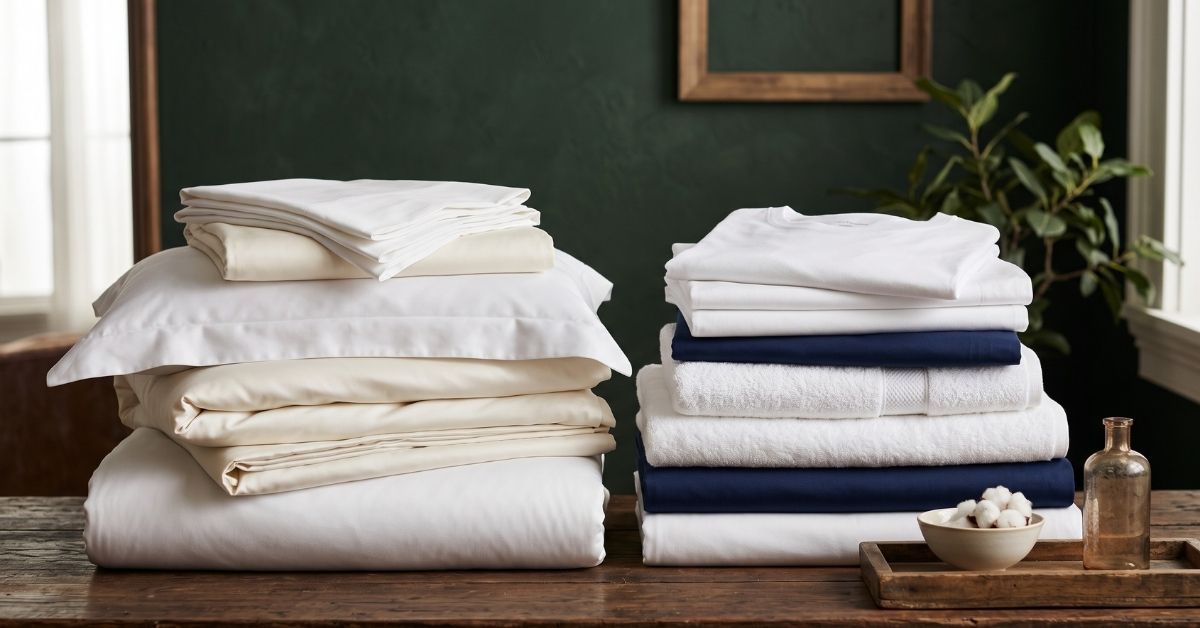
- Plain weave: an alternating over and under pattern. It is durable, balanced, and creates a breathable fabric known as percale when used in bedding.
- Twill weave: identified by a distinct diagonal ribbing pattern, similar to denim or gabardine. It is heavier and highly resistant to tearing.
- Satin or sateen weave: a pattern where the weft thread floats over several warp threads before going under one, exposing more yarn surface. This creates a lustrous, silky sheen and a heavier drape that glides smoothly over the skin.
What Is Cotton Woven Fabric?
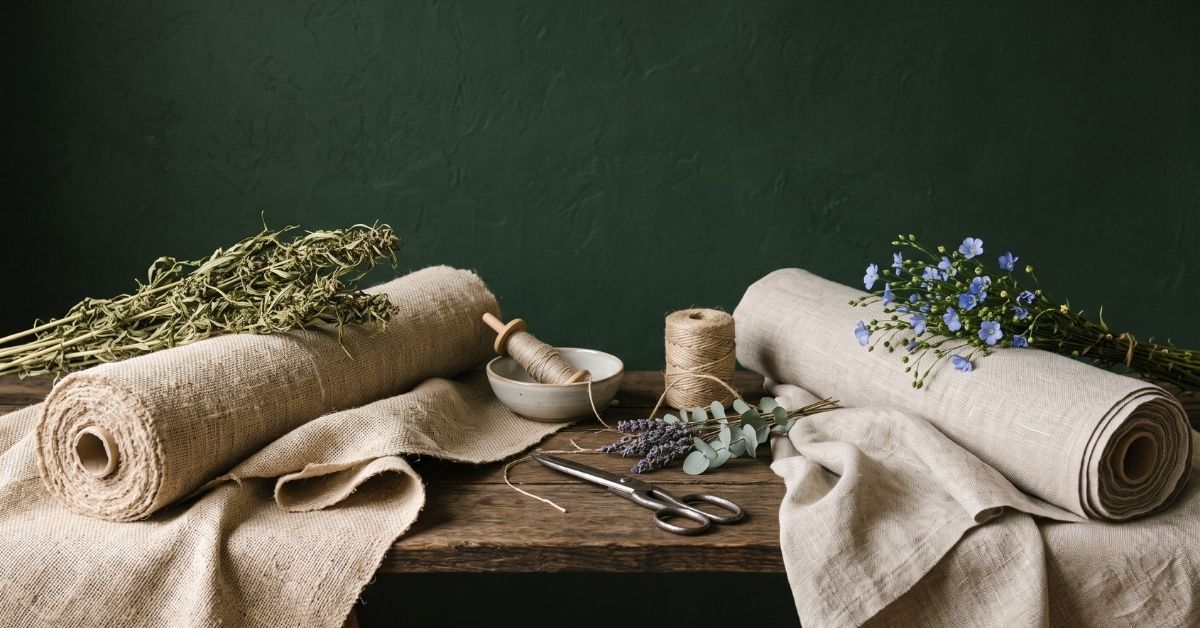
When researching what cotton woven fabric actually is, you are looking at a material that combines the natural properties of cotton fibers with the structural stability of a loom weave.
Cotton is naturally absorbent and breathable. When spun into fine threads and woven tightly into a percale or sateen pattern, it creates a crisp, durable fabric that softens with every wash. It delivers the classic five star hotel sheet feel: cool to the touch, structurally uniform, and resistant to stretching or warping out of shape over time.
In the United States, any bedding marketed as cotton, a cotton blend, or organic cotton must disclose its true fiber content by weight. This requirement comes from the Textile Fiber Products Identification Act, which is enforced by the Federal Trade Commission. It is why a genuine percale or sateen sheet set will always list exact fiber percentages on the label rather than vague marketing language.
If a brand advertises its cotton as organic, that claim carries extra legal weight. According to the United States Department of Agriculture, a finished textile can only carry the USDA organic seal if the entire product, not just the raw fiber, is produced in full compliance with National Organic Program regulations. Many organic cotton sheets instead rely on Global Organic Textile Standard certification to verify both the fiber and the processing. If you want to see how that distinction plays out against conventional growing methods, our comparison of organic cotton versus conventional cotton covers it in more depth.
3. Structural Properties: Is Woven Fabric Stretchable?
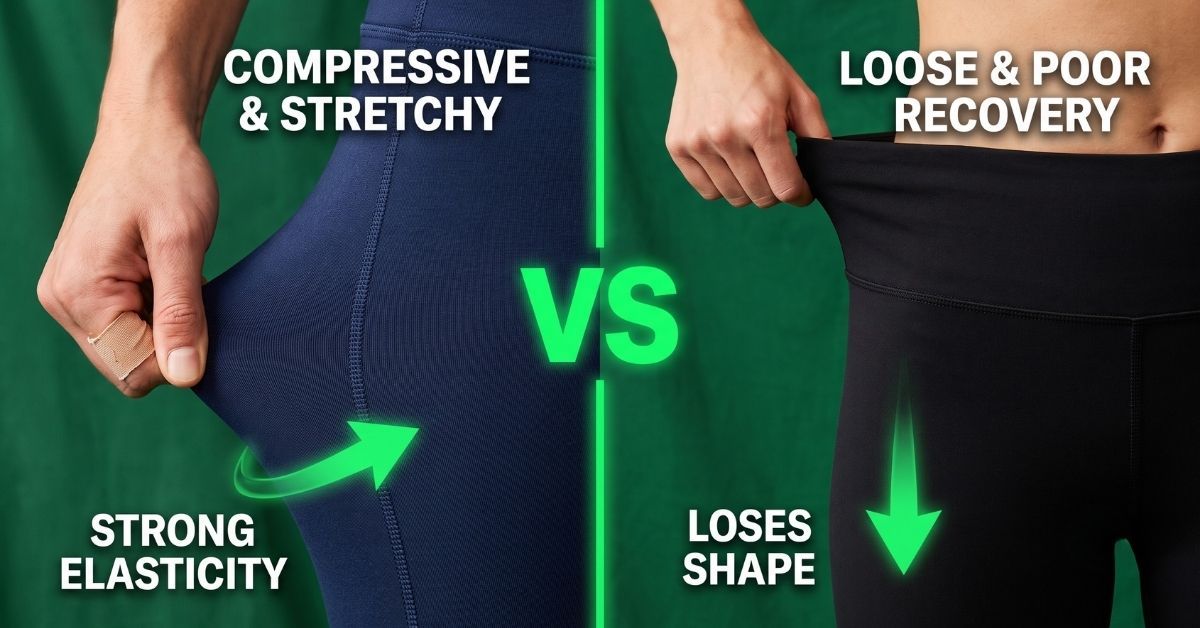
A common question among people looking for a little give in their bedding is whether woven fabric is stretchable.
By its structural design, standard woven fabric is not naturally stretchy along its vertical (warp) or horizontal (weft) axes. If you pull a one hundred percent organic cotton woven sheet firmly from top to bottom, it will resist the pull almost entirely. The only direction a pure woven fabric shows natural give is diagonally, a direction tailors refer to as the bias.
There is a technical exception. Modern textile engineering can make a woven fabric stretch by blending elastomeric synthetic fibers, such as spandex or lycra, directly into the weft threads. Under federal fiber content regulations, when a textile is made partly of elastic material and partly of another fiber, the two must be disclosed sectionally by percentage on the label, so shoppers can see exactly how much stretch fiber they are buying. For a closer look at how synthetic stretch fibers compare to natural ones, see our breakdown of polyester versus cotton sheets and our review of whether polyester is bad for you.
At OdeSleep, we avoid these synthetic shortcuts because they can trap body heat and compromise fabric purity. For true, natural stretch without chemical additives, a knit construction remains the better choice.
4. The Complete Breakdown: At A Glance Comparison
To summarize the operational differences before answering specific situational questions, here is how the two textile structures compare:
| Feature |
Knit Fabrics (Jersey, Interlock) |
Woven Fabrics (Percale, Sateen) |
| Production method |
Interlooping a single continuous yarn |
Interlacing two sets of yarn at right angles |
| Natural elasticity |
High, stretches and conforms easily |
Minimal to none unless blended with synthetics |
| Texture and feel |
Soft, plush and instantly cozy |
Smooth, flat and crisp or silky |
| Wrinkle resistance |
Excellent, naturally bounces back |
Prone to creasing, needs careful laundering |
| Durability profile |
Prone to snagging, pilling and losing shape |
Resistant to tearing, fraying and distortion |
| Thermal retention |
Traps air inside loops, runs warmer |
Allows direct airflow, runs cooler |
| Skin friction |
More surface texture from the loops |
Flatter surface, often gentler on sensitive skin |
5. Which Fabric Is Better for Sensitive Skin?
If you manage sensitive skin, eczema, or contact irritation, fabric choice matters more than most people realize. According to the National Institute of Arthritis and Musculoskeletal and Skin Diseases, atopic dermatitis damages the protective barrier of the skin, which makes it easier for everyday irritants, including certain fabrics, to trigger flares and worsen itching.
Self care guidance published on MedlinePlus, a service of the National Institutes of Health, specifically recommends smooth, textured clothing and bedding made from cotton, and advises avoiding wool or other scratchy fabrics that can rub against compromised skin.
A fine sateen woven fabric, built from long float threads, creates a flatter and more continuous surface than a looped knit. This can reduce the mechanical friction that triggers itching for people managing eczema, though individual tolerance varies and cotton in either a knit or woven structure remains a reasonable starting point for sensitive sleepers.
6. Which Is Better for Hot Sleepers: Jersey Knit or Woven Cotton?
Woven cotton, particularly a loose plain weave like percale, tends to work better for people who sleep hot. Jersey knits are effective insulators because their loops trap pockets of still air, similar to a lightweight sweater, which keeps warmth close to the body.
The Centers for Disease Control and Prevention lists keeping your bedroom quiet, relaxing, and at a cool temperature as one of the core habits of good sleep hygiene, alongside a consistent sleep schedule and limiting screens before bed. Pairing a cooler room with a breathable, moisture wicking woven fabric such as bamboo or cotton percale reinforces the natural drop in core body temperature that helps trigger deeper sleep. If bamboo specifically interests you, our comparison of Eucalyptus versus Bamboo Sheets is a helpful next read, along with our side by side of Tencel versus Cotton.
7. Durability, Wrinkles and Everyday Safety
Woven fabrics possess high dimensional stability because the warp and weft threads are locked under tension on a loom, so they tend to hold their shape through repeated washing better than knits, which can stretch, sag or pill over time. Knit fabric, on the other hand, is the clear winner for wrinkle resistance, since its looped structure flexes and compresses in multiple directions and naturally resists setting deep creases.
Safety is worth a mention too. Bedding sold in the United States falls under the Flammable Fabrics Act, administered by the Consumer Product Safety Commission, which sets mandatory flammability standards covering clothing textiles as well as mattresses, mattress pads and related bedding components. It is one more reason to buy sheets from a transparent, established source rather than an unverified seller.
For a broader look at how natural fibers compare to blended options on durability and cost, see how linen, cotton and bamboo stack up together, or how a synthetic blend performs in our review of microfiber versus polyester sheets.
9. The Verdict for Your Bedroom
If your priority is low maintenance wrinkle resistance and a soft, flexible, tee shirt like hug that keeps you warm in a chilly room, a knit construction will serve you well. If you want a clean, elegant, hotel grade presentation, smooth friction free relief for sensitive skin, and strong breathability to keep you cool through the night, a high quality, one hundred percent organic woven sheet set remains the gold standard for restorative sleep.
10. Buying Recommendations: Which One Belongs in Your Bedroom?
Choosing between a knit and a woven fabric ultimately comes down to your personal sleep profile, your local climate, and how much time you want to spend on laundry day.
Choose a Knit (Jersey) Fabric If:
- You live in a cold climate or run cold at night: the heat trapping loops act like light insulation, keeping you cozy through fall and winter.
- You dislike ironing: knits naturally shrug off wrinkles, so you can pull them straight out of the dryer and onto the bed.
- You prefer a worn in, casual feel: knits give you the same relaxed comfort as your favorite ultra soft jersey tee.
Choose a Textile Woven Fabric If:
- You are a hot sleeper or deal with night sweats: the breathable grid of a woven fabric, especially a crisp percale, lets heat escape and keeps your sleep microclimate cool.
- You have sensitive skin or allergies: the flat, low friction surface of a premium sateen or bamboo weave will not rub against irritated skin as much as a deeper knit loop can.
- You want long lasting durability: woven sheets hold their shape, resist stretching, and offer that crisp, structured hotel bed aesthetic.
The OdeSleep Recommendation
For the best year round sleep, we recommend keeping a set of both in your linen closet. Use a breathable, moisture wicking woven bamboo or cotton percale set during the hot summer months to maximize airflow, and switch to a cozy knit jersey set once the winter chill sets in.
11. Shop OdeSleep Bedding
Here are a few OdeSleep options that put the guidance above into practice, depending on which side of the knit versus woven decision fits your sleep style:
Oeko Tex Certified Bamboo Sheets — a breathable woven bamboo set built for hot sleepers and independently tested for harmful substances.
Organic Sheet Set — an everyday organic cotton woven set that balances softness, breathability and durability.
Organic Cotton Bed Sheet Set — a crisp percale weave for anyone who wants the classic hotel grade feel described above.
Linen Bed Sheets — a heavier woven texture with excellent dimensional stability for shoppers who prioritize long term durability.
12. Further Reading on Fabric Choices
If you want to keep exploring how different fibers and constructions compare, these related OdeSleep guides go deeper on specific material pairings:
Nylon vs Polyester
Tencel vs Cotton
Linen vs Cotton vs Bamboo Sheets
Polyester vs Cotton Sheets
Is Polyester Bad for You
Eucalyptus vs Bamboo Sheets
Organic Cotton vs Conventional Cotton
What Is the Best Fabric to Sleep In
Microfiber vs Polyester Sheets
13. Sources
Federal Trade Commission — Textile Fiber Products Identification Act
Electronic Code of Federal Regulations — 16 CFR Part 303, Textile Rules
United States Department of Agriculture — Organic Textiles, Agricultural Marketing Service
National Institute of Arthritis and Musculoskeletal and Skin Diseases — Atopic Dermatitis
MedlinePlus, National Institutes of Health — Atopic Dermatitis Self Care
Centers for Disease Control and Prevention — About Sleep
Consumer Product Safety Commission — Flammable Fabrics Act