

Blog
Why Do I Get So Hot When I Sleep? (2026 Guide to Nighttime Overheating)
Written by Maryam Riaz (M.Phil.) | Medically Reviewed by Dr. Beenish Gafoor, MBBS
About Maryam Riaz M.Phil
A dedicated researcher and author for OdeSleep who specializes in bridging the gap between complex medical insights and practical, non-medical wellness strategies for our global audience.
View all posts by Maryam Riaz M.PhilNighttime overheating is usually caused by your circadian rhythm shifting heat from your core to your extremities to prepare for sleep. If this heat is trapped by non-breathable bedding or triggered by hormonal changes, you feel like you're "burning up." Being cold during the day and hot at night is often a biological rebound where the body overcompensates for a chilled core once you are in a relaxed environment.
We’ve all been there: you spend your entire workday huddled in a sweater, sipping tea, and shivering at your desk. But the moment you crawl under the covers, your body decides it’s a furnace.
Being cold during the day and hot at night is a frustrating paradox. If you find yourself constantly hot at night, you aren't imagining things—there is a biological tug-of-war happening behind the scenes. Finding a solution is often the first step in creating the new sleep guide of your dreams for a better lifestyle.
The Biological Tug-of-War: Why You Overheat
1. The Circadian Rhythm Shift
Your body temperature isn’t a flat line; it’s a wave. To prepare for deep sleep, your brain signals your core temperature to drop. To dump that internal heat, your body sends blood flow to your skin (especially your hands and feet). If this process is mistimed or if you are over-insulated, that radiating heat makes you feel like you're overheating. Understanding how the brain's hypothalamus regulates body temperature is key to realizing why this "internal thermostat" sometimes feels overactive at night.
2. The Cold Day Connection
Ironically, being cold during the day can lead to being hot at night. If you spend your day in a state of mild chill (like a frigid office), your body may overcompensate once you’re in a warm bed. Once the "thaw" begins, your peripheral blood vessels dilate significantly, leading to that sudden feverish feeling.
Comparison: Daytime Chills vs. Nighttime Swelters
| Situation | What Your Body is Doing | Common Feeling |
| Daytime (Office/Home) | Vasoconstriction (trapping heat inside) | Shivering, cold hands, needing layers |
| Early Night (Falling Asleep) | Vasodilation (shedding heat to skin) | Warmth radiating from hands and feet |
| Deep Sleep (2 AM - 4 AM) | Metabolic Low (lowest core temp) | Waking up drenched if heat is trapped |
Common Culprits for Nighttime Overheating
If the feeling of being constantly hot at night is a new development, one of these factors might be the cause:
- The Memory Foam Trap: Many modern mattresses trap body heat. Using specialized adjustable bed sheets can help improve the fit and airflow between you and the mattress surface.
- Hormonal Fluctuations: Changes in estrogen or testosterone can wreak havoc on the body's thermostat.
- Late-Night Stress: Sometimes it's not just the room temperature; racing thoughts can keep your heart rate up and your body warm. Learning how to stop thinking about something when trying to sleep is essential for lowering your body's stress response.
- Synthetic Fabrics: Polyester and nylon trap sweat. Switching to a high-quality organic cotton bed sheet set allows for much better ventilation and moisture absorption.
- Underlying Health: Persistent sweating can sometimes be related to medical issues. You can review the official NHS symptoms guide for night sweats to see if your symptoms warrant a GP visit.
Recommendations to Break the Cycle
To stop the "daytime shivers, nighttime swelters" routine, try these professional adjustments:
- The 10-3-2-1-0 Sleep Rule: Implementing a structured wind-down routine, like the 10-3-2-1-0 sleep rule, helps eliminate caffeine and heavy meals that can raise your metabolic temperature before bed.
- The Sock Strategy: It sounds counterintuitive, but wearing socks to bed helps your core temperature drop faster by dilating distal blood vessels.
- Choose Chemical-Free Cooling: For those with sensitive skin who also sleep hot, Oeko-Tex certified bamboo sheets are an excellent choice as they are free from harmful substances and naturally moisture-wicking.
- Prioritize Natural Fibers: Investing in an organic sheet set ensures that your bedding is breathable and helps regulate your temperature throughout the night.
- Optimize Your Environment: The CDC recommends specific sleep hygiene habits to ensure your bedroom temperature and light levels support restful sleep.
When to Seek Help
While feeling hot is often environmental, your quality of life depends on a good night's sleep. After all, consistent rest is vital for recovery— does sleeping help you heal faster? Absolutely, as it is the primary time your body repairs tissue and boosts your immune system.
Sources:
- National Institute of Health (NIH)
- National Health Service (NHS UK)
- Centers for Disease Control and Prevention (CDC)
Frequently Asked Questions (FAQs):
Why does my body get hot at night?
Your body gets hot mainly due to natural circadian rhythm changes that raise your skin temperature while lowering your core temperature to initiate sleep.
Why do I wake up drenched in sweat but not sick?
This is often caused by "thermal environment" issues—like a memory foam mattress—or hormonal shifts rather than an actual fever.
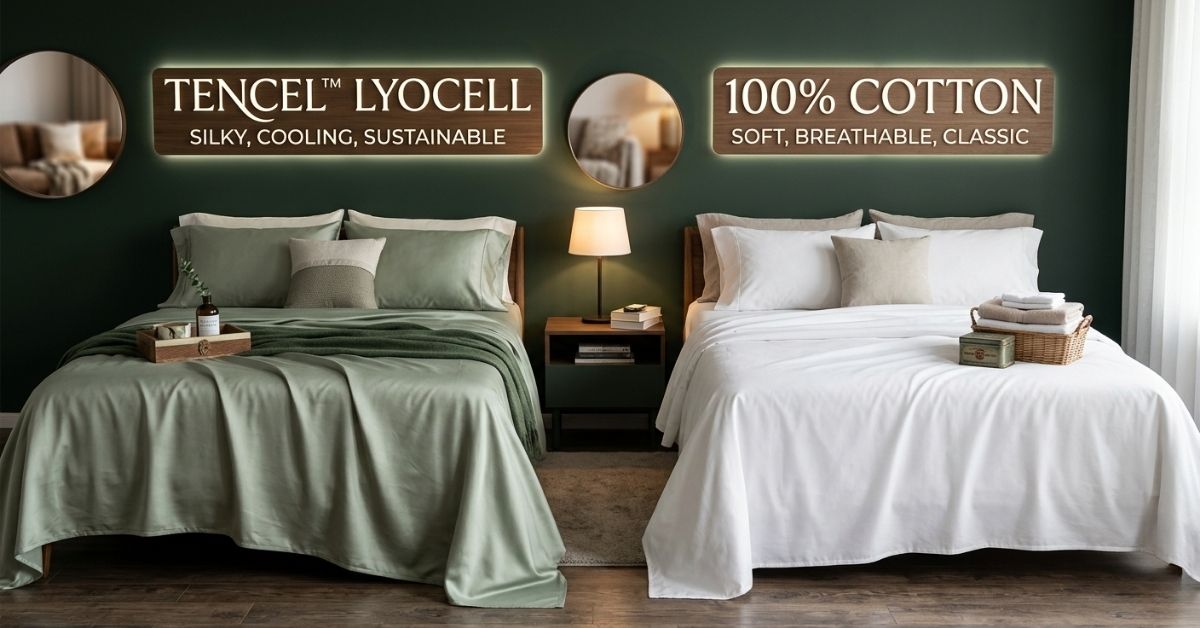
Is 100% Organic Bamboo cooler than cotton?
Yes. Bamboo is naturally moisture-wicking and more breathable than even high-quality cotton, making it ideal for "hot sleepers."
Â
Disclaimer: The information in this article is for educational and informational purposes only and is not intended as medical advice.