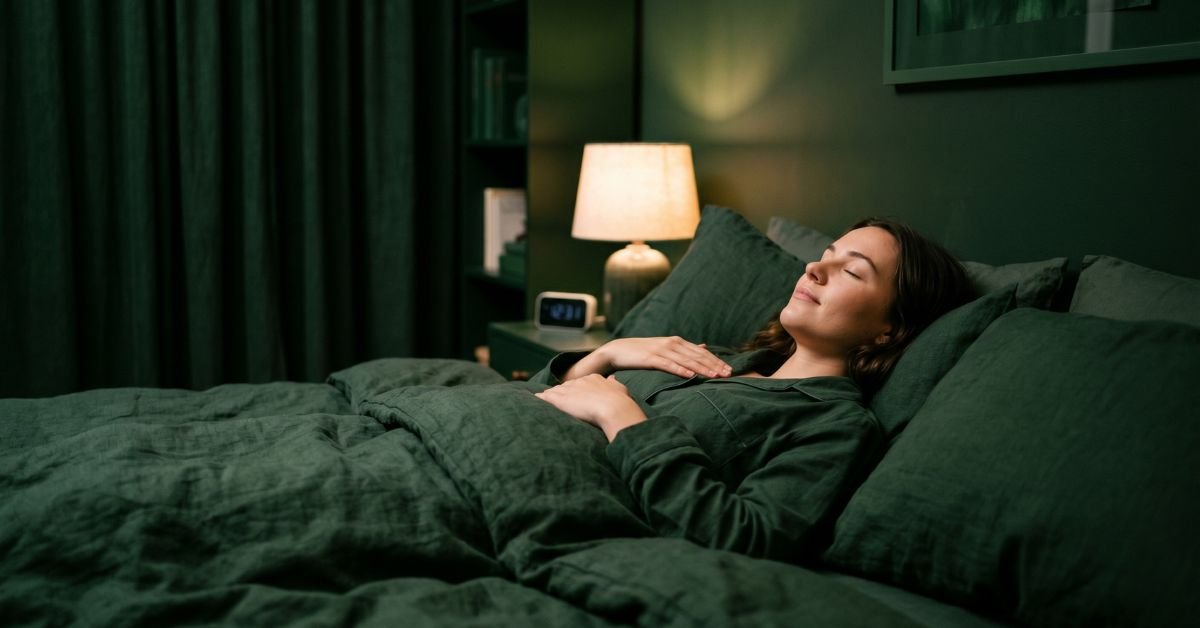
Falling asleep in under a minute might sound like a superpower, but it is actually a trainable skill rooted in physiology. While most people lie awake for 20 minutes or more, learning how to sleep fast in 40 seconds is achievable when you understand your body's natural relaxation triggers and use them strategically.
Whether you are a student searching for sleep study tricks before an exam, a parent wondering how to put a kid to sleep in 40 seconds, or simply someone exhausted by restless nights, the answer lies in combining physical positioning with mental rebooting. According to the National Heart, Lung, and Blood Institute (NHLBI), quality sleep is just as essential as diet and exercise for long-term health.
1. Your 40-Second Blueprint: The Military Method
The most widely cited rapid-sleep technique was originally developed to help U.S. Navy fighter pilots fall asleep in high-stress environments — even seated upright in a noisy cockpit. The method works by systematically releasing physical tension and quieting mental chatter so the nervous system can shift into a sleep-ready state.
Step-by-Step Instructions:
- Relax the Face: Close your eyes and breathe slowly. Consciously relax every facial muscle — your tongue, jaw, forehead, and the muscles around your eyes. This is crucial: relaxing your tongue and jaw signals the brain that physical tension is gone, accelerating sleep onset.
- Drop the Shoulders: Let your shoulders sink as low as physically possible. This releases deep-seated tension in the neck and upper back.
- Exhale and Soften the Chest: Take a slow breath out, allowing your chest to deflate naturally. Feel the weight of your body pressing into the mattress.
- Relax the Legs: Starting from the thighs, work downward — calves, ankles, and toes — letting each muscle group go limp.
- Clear the Mind for 10 Seconds: Visualize a peaceful scene — floating in a canoe on a still lake, lying in a meadow. If thoughts intrude, gently repeat the phrase "don't think" until your mind settles.
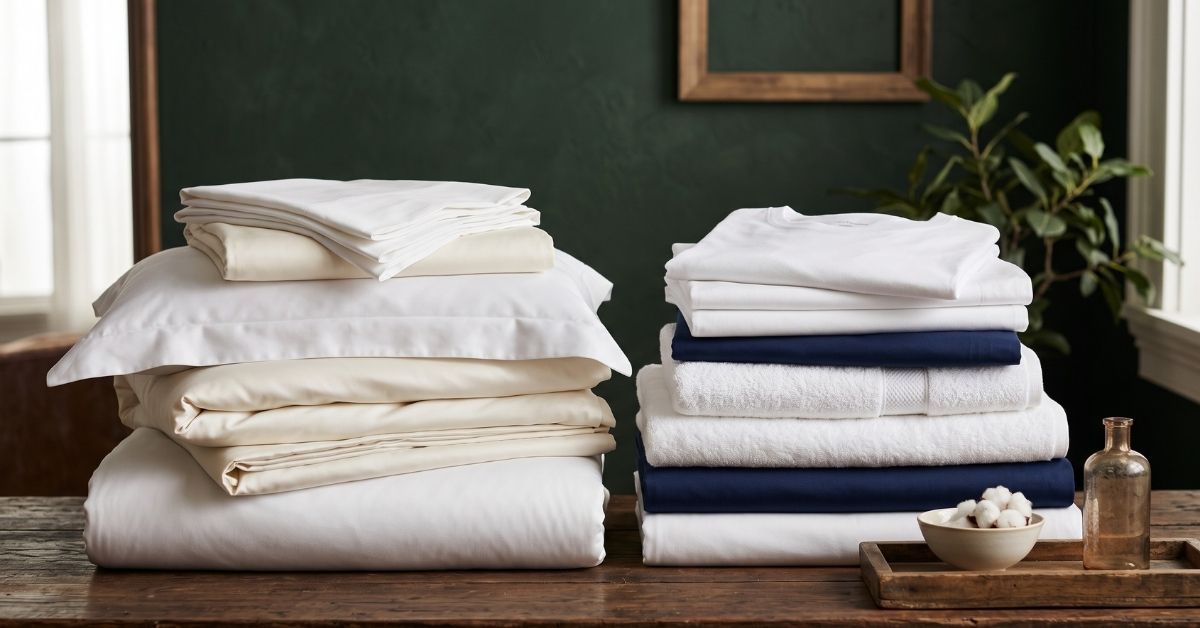
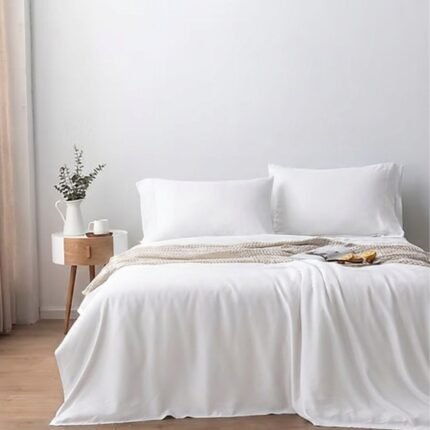
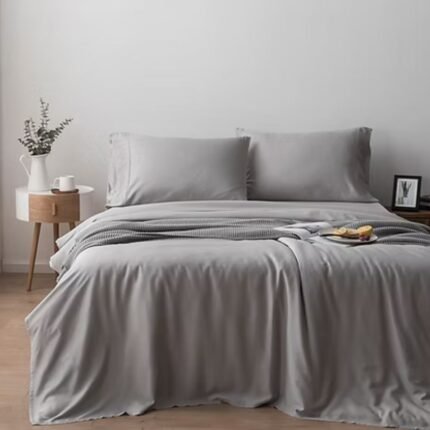
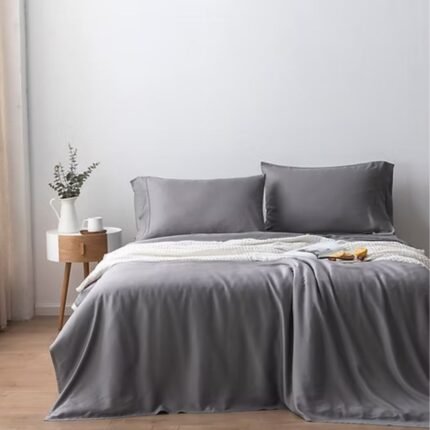
| 💡 Recommendation: Pair this technique with Oeko-Tex Certified Bamboo Sheets to create an optimal sleep environment. Their breathable, chemical-free fabric keeps your skin temperature regulated — a key factor in fast sleep onset. |
2. Using Pressure Points to Induce Sleep
If the Military Method feels too mentally demanding, physical triggers can do the heavy lifting. Specific pressure points to induce sleep have been used in traditional Chinese medicine for centuries, and some evidence supports their effectiveness for calming the autonomic nervous system.
Spirit Gate (HT7): Located at the crease of your outer wrist, just below the pinky finger. Apply gentle circular pressure here for 30–60 seconds. This acupressure point is believed to calm a racing mind and lower heart rate, making the 40-second sleep goal far more attainable. For deeper research on sleep and nervous system interactions, see the NHLBI body clock overview.
Anmian (Behind the Ear): Located just behind the earlobe where the neck meets the skull. Light pressure here for 1–2 minutes is traditionally linked to anxiety reduction before sleep.
For those who struggle to quiet a busy brain, our guide on how to stop thinking about something when trying to sleep offers complementary strategies.
3. Breathing Techniques That Accelerate Sleep
Controlled breathing directly influences your parasympathetic nervous system — the system responsible for rest and digestion. Slowing your breathing rate triggers a cascade of physiological changes that lower blood pressure, reduce cortisol, and prime the body for sleep.
- 4-7-8 Breathing: Inhale for 4 seconds, hold for 7, exhale for 8. Repeat 3–4 cycles. This technique, developed by Dr. Andrew Weil, is particularly effective for anxiety-driven insomnia.
- Box Breathing: Inhale for 4 seconds, hold for 4, exhale for 4, hold for 4. Used by military personnel and first responders to reduce acute stress.
- Diaphragmatic Breathing: Place one hand on your chest and one on your belly. Breathe so that only your belly rises. This activates the vagus nerve and shifts the body out of fight-or-flight mode.
Quick Comparison: Sleep Techniques at a Glance
| Technique |
Target Area |
Time Needed |
Best For |
| Military Method (Relaxation) |
Whole-body |
2–5 min |
High stress, anxiety |
| 4-7-8 Breathing |
Nervous system |
4 min |
Racing thoughts |
| Progressive Muscle Relaxation |
Physical tension |
10–15 min |
Body tension |
| Spirit Gate Pressure Point (HT7) |
Acupressure |
1–2 min |
Mild sleeplessness |
| Body Scan Meditation |
Mind + body |
5–10 min |
Overthinking |
4. Optimizing Your Sleep Environment
Your bedroom environment directly impacts how quickly you fall asleep. The CDC's sleep health guidelines recommend keeping your bedroom cool, dark, and quiet. Here is what the research shows matters most:
- Temperature: Core body temperature must drop by 1–2°F to initiate sleep. A room between 60–67°F (15–19°C) is optimal. A room that is too warm prevents this natural drop, making fast sleep nearly impossible.
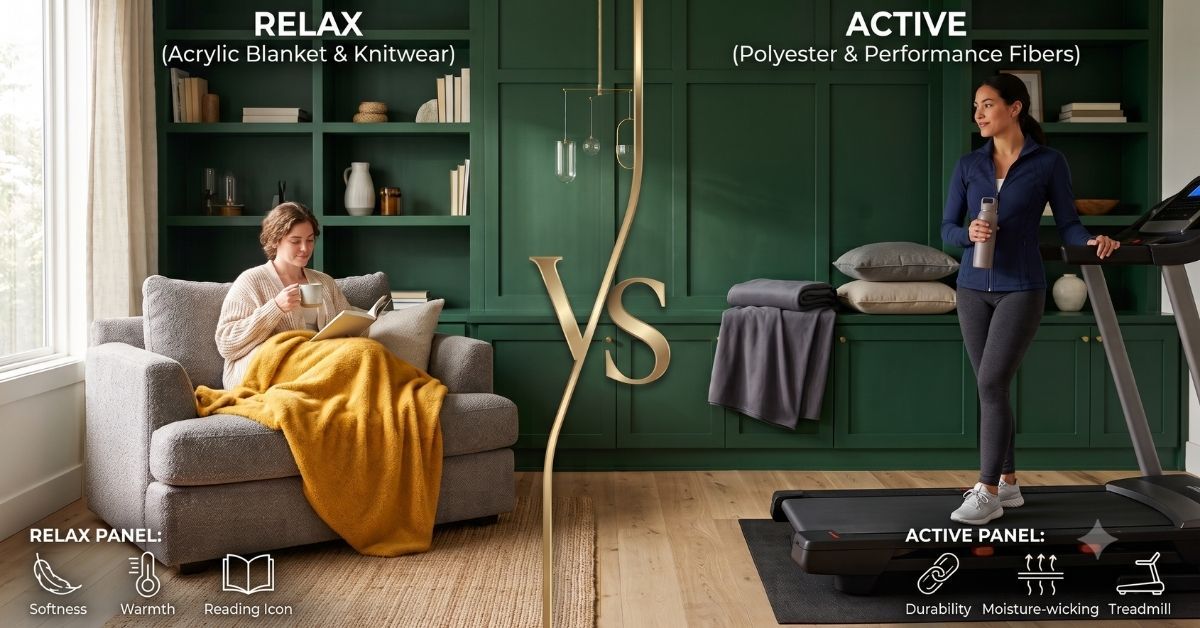
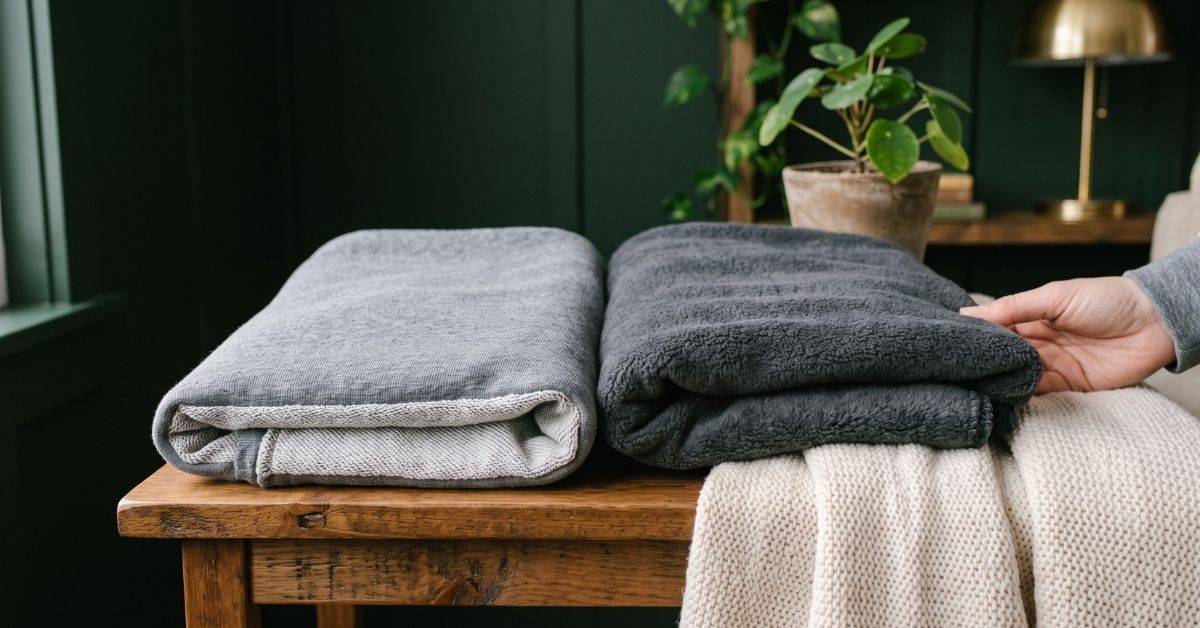
- Bedding Fabric: Natural fibers like organic cotton and bamboo regulate body temperature far better than synthetic alternatives. Switching to an Organic Sheet Set can measurably reduce night sweats and improve sleep continuity.
- Light: Exposure to blue light suppresses melatonin — the hormone that signals sleep readiness. Dim lights 30–60 minutes before bed.
- Noise: Even low-level background noise disrupts sleep architecture. White noise machines or earplugs can reduce micro-arousals during the night.
| 🛏️ Recommendation: If you share a bed with a partner who moves differently, consider Adjustable Bed Sheets that stay securely in place regardless of movement — eliminating one of the most common middle-of-the-night disruptions. |
5. The New Mattress Question: Can You Sleep on It Straight Away?
A common concern after upgrading your bedroom is whether you can sleep on a new mattress immediately. The short answer is yes — but with one important caveat.
Most bed-in-a-box memory foam mattresses require 24–48 hours to fully expand and off-gas after unboxing. If the mattress has not reached its full shape, it may not provide adequate spinal support, which can leave you feeling tired after sleeping 8 hours despite logging sufficient time in bed. According to the NHLBI's guidance on how much sleep is enough, sleep quality is as important as sleep quantity — a poorly supported spine directly degrades slow-wave sleep stages. For best results, allow your new mattress to expand fully before your first night, and pair it with breathable, natural-fiber bedding to maximize comfort.
Your sleep position also matters. Review our guide on the best and worst sleeping positions to ensure your new mattress is working with your preferred posture, not against it.
6. Why You Still Feel Tired After 8 Hours of Sleep
If you have mastered the 40-second fall-asleep trick but wake up exhausted, the problem is almost certainly sleep quality rather than quantity. The CDC's adult sleep statistics confirm that a significant percentage of Americans get 7+ hours of sleep but still report insufficient rest — pointing to quality as the missing variable.
The most common culprits include:
- Sleep Apnea: Causes repeated micro-arousals throughout the night, preventing deep NREM Stage 3 sleep without the person ever fully waking. Consult a physician if you snore loudly or wake with headaches.
- Caffeine Timing: Caffeine has a half-life of 5–7 hours. A 3pm coffee means half the caffeine is still active at 10pm, significantly degrading slow-wave sleep.
- Blue Light Exposure: Suppresses melatonin for up to 2 hours after screen exposure, delaying sleep onset and compressing restorative sleep stages.
- Alcohol: Although alcohol speeds the transition to sleep, it severely disrupts REM sleep in the second half of the night, leaving you feeling unrefreshed.
- Poor Sleep Position: Spinal misalignment during sleep causes frequent position changes and prevents deep sleep consolidation.
For those recovering from illness, the relationship between sleep and healing is particularly important — see our detailed look at does sleeping help you heal faster.
How Much Sleep Do You Really Need? (By Age Group)
| Age Group |
Recommended Sleep |
Notes |
| Newborns (0–3 months) |
14–17 hours |
High; includes naps |
| School-age (6–12 years) |
9–12 hours |
Critical for growth |
| Teenagers (13–18 years) |
8–10 hours |
Melatonin peaks later |
| Adults (18–64 years) |
7–9 hours |
Minimum 7 for health |
| Older Adults (65+) |
7–8 hours |
Lighter, earlier cycles |
7. Does a Fast Count While You Sleep?
For those practicing intermittent fasting, a common question is whether sleep hours count toward the fasting window. The answer is a clear yes. During sleep, you consume no calories while your body continues to metabolize stored glycogen and fatty acids — making sleep the most effortless portion of any fast.
Beyond caloric restriction, consistent sleep timing directly regulates your circadian rhythm. According to the NHLBI's circadian rhythm research, a well-calibrated body clock synchronizes hunger hormones (ghrelin and leptin) with sleep cycles, making it easier to both fast effectively and fall asleep quickly.
8. Evidence-Based Sleep Hygiene Tips
The NHLBI's healthy sleep habits page outlines a number of evidence-based practices for improving both sleep speed and sleep quality:
- Maintain a consistent sleep-wake schedule — even on weekends. Irregular schedules disrupt circadian rhythm and make it harder to fall asleep quickly.
- Avoid caffeine within 6 hours of bedtime and alcohol within 3 hours.
- Keep the bedroom for sleep and intimacy only — avoid working or watching screens in bed.
- Exercise regularly, but not within 2 hours of bedtime as it raises core temperature.
- Follow a structured pre-sleep wind-down. The 10-3-2-1-0 Sleep Rule is an excellent framework for building this habit.
- If you sleep with wet hair, be aware it may affect your scalp and sleep quality — read more in our guide on what happens when you sleep with wet hair.
- When sick, sleep positioning and environment become even more important. Our guide on how to sleep while sick covers the best practices for illness recovery.
Sources & Further Reading
The following government and institutional sources informed this article: