

Blog

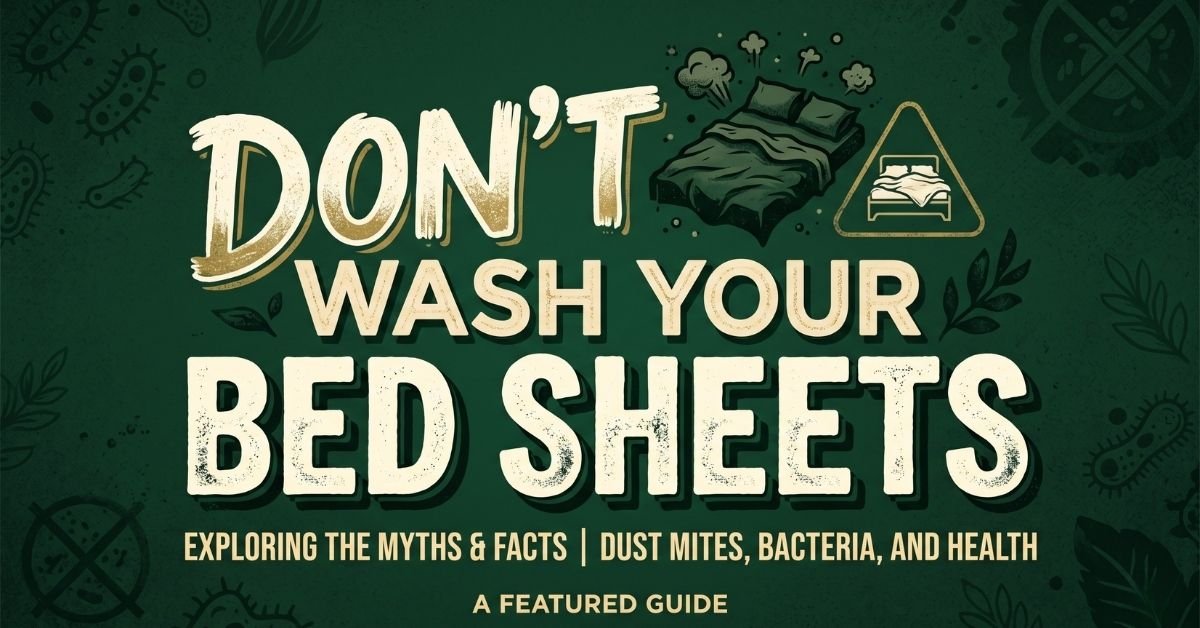
What happens if you don’t wash your bed sheets

Written by Maryam Riaz (M.Phil.) | Medically Reviewed by Dr. Beenish Gafoor, MBBS

What happens if you don't wash your bed sheets

We spend about a third of our lives tucked between our covers, but have you ever stopped to think about what exactly is tucked in there with you? While it’s easy to put off laundry day, skipping the wash cycle can turn your sanctuary into a microscopic petri dish.

If you have been feeling a bit "off" lately waking up with a stuffy nose or mysterious skin patches your bed might be the culprit. According to the Cleveland Clinic, the average person sheds enough dead skin daily to fill half a teaspoon, creating a massive food source for unwanted microscopic guests.

The Invisible Buildup

Every night, our bodies shed millions of dead skin cells and release about a liter of sweat. When you leave dirty bed sheets on for too long, this organic matter accumulates, creating a feast for dust mites. While these microscopic critters don't bite, their waste products are the primary trigger for a persistent allergic reaction to bed sheets.

  • Shocking Data: Research shared by WebMD reveals that unwashed pillowcases can harbor over 17,000 times more bacteria than a toilet seat after just one week.
  • White Spots: If you notice white spots on bed sheets, it’s often more than just spilled coffee. These marks can be a sign of built-up skin cells, dried sweat, or even colonies of fungal growth.

These aren't just aesthetic issues; they are clear indicators that your sleep environment is no longer hygienic. This is why choosing the right fabric matters; in the debate of Linen vs cotton vs bamboo sheets, breathability and moisture-wicking properties play a huge role in how fast this buildup occurs.

Skin Irritation: From Itching to Hives

The short answer to the common question, can dirty sheets cause itching?, is a resounding yes. The irritation usually comes from a combination of friction dust and debris acting like sandpaper on your skin and the microbes that thrive in damp, warm environments.

Severe Reactions:

  • Contact Dermatitis: This is a visible rash where your skin reacts to the concentrated oils, salts, and bacteria trapped in the fabric.
  • Hives and Welts: According to the National Institutes of Health (NIH), exposure to concentrated allergens in textiles can trigger a histamine release, resulting in itchy, raised welts for those with sensitive immune systems.
  • Acne Mechanica: Clogged pores from dirty pillowcases often lead to breakouts on the face, back, and shoulders.

Are Musty Sheets Dangerous?

That "old towel" smell is a warning sign. If you are wondering, are musty sheets dangerous?, the answer lies in what creates that scent: mold and mildew. The U.S. Environmental Protection Agency (EPA) notes that breathing in these spores all night can lead to persistent sinus congestion and morning grogginess.

To prevent this, many sleepers are switching to high-quality materials. Investing in an Organic Sheet Set or Oeko Tex certified bamboo sheets can provide a naturally hypoallergenic barrier that resists the growth of mold and bacteria better than synthetic blends.

Summary of Health Risks

Symptom Primary Cause Severity
Itching/Prickling Dust mites and salt buildup Low to Moderate
Rash or Acne Bacterial growth and clogged pores Moderate
Hives/Welts Acute allergic reaction High
Respiratory Issues Mold spores and musty odors High

Recommendations for a Healthier Sleep

To keep your skin clear and your lungs healthy, you don't need a professional cleaning service—just a consistent routine.

  • The Weekly Rule: Wash your sheets at least once a week. The National Institute of Environmental Health Sciences (NIEHS) emphasizes that regular washing is essential to manage dust mite populations.
  • Avoid Damage: Be careful not to use harsh chemicals. Check out these 5 common Mistakes That are Ruining Your Luxury Sheets to ensure your linens last.
  • Turn Up the Heat: Use water that is at least 60°C (140°F). This is the "kill zone" for dust mites and most bacteria. If you are using delicate fabrics, follow specific Bamboo sheets washing instructions to maintain their integrity.
  • Dry Thoroughly: Never put slightly damp sheets back on the bed. Use a high-heat dryer setting or direct sunlight to ensure no moisture remains to feed mold.

For those looking for the cleanest possible sleep, an Organic cotton bed sheet set is often the gold standard for purity and breathability.

Sources:

Frequently Asked Questions (FAQs):

About once a week. The Sleep Foundation notes that 85% of people report sleeping better on fresh, clean linens.

It may be due to the accumulation of sebum and dust on your pillowcase, which can irritate sensitive facial skin.

Yes, unwashed sheets can harbor bacteria and fungi that contribute to folliculitis (inflamed hair follicles), potentially leading to scalp infections.


Disclaimer: The information in this article is for educational and informational purposes only and is not intended as medical advice.

Leave a Reply

Your email address will not be published. Required fields are marked *