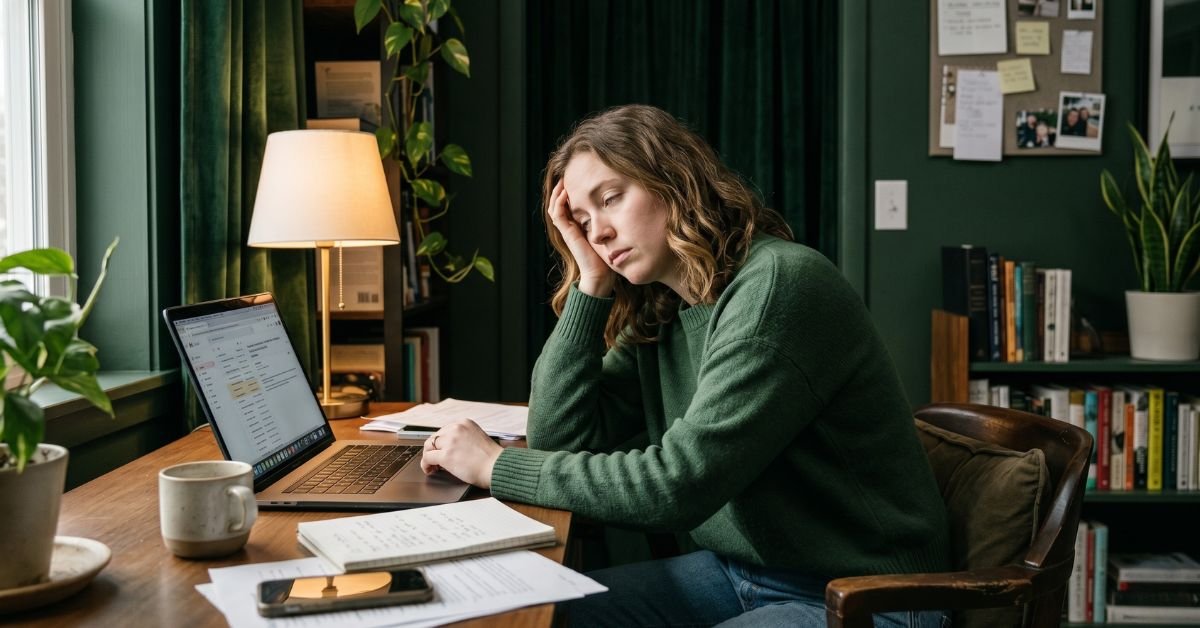
Yes — anxiety can absolutely make you feel exhausted, even after a full night in bed. This is not laziness or weakness; it is a well-documented physiological response. Understanding why it happens is the first step to breaking the cycle.
Key Takeaways
- Anxiety triggers stress hormones (cortisol and adrenaline) that drain energy, causing anxiety fatigue.
- Poor sleep worsens anxiety, creating a reinforcing bidirectional cycle.
- Sleep deprivation impairs the prefrontal cortex and over-activates the amygdala, raising panic risk.
- Nighttime symptoms like teeth grinding and night terrors reduce restorative REM sleep.
- Consistent routines, breathwork, and a supportive sleep environment can break the cycle.
1. The Physiology of Anxiety Fatigue
When your body perceives a threat, real or imagined, it activates the hypothalamic-pituitary-adrenal (HPA) axis, flooding your bloodstream with cortisol and adrenaline. Muscles tense, heart rate climbs, and cognitive vigilance spikes. This is the classic fight-or-flight response, and it is extraordinarily energy-intensive.
Once the perceived threat passes, your nervous system does not simply switch off. The hormonal cascade takes time to clear. Meanwhile, prolonged muscle tension, elevated breathing rate, and sustained mental alertness have consumed enormous metabolic resources. The resulting exhaustion, often called anxiety fatigue, is your body demanding recovery.
According to the National Institute of Mental Health (NIMH), anxiety disorder symptoms can interfere with routine daily activities, including sleep, a finding supported by decades of clinical research.
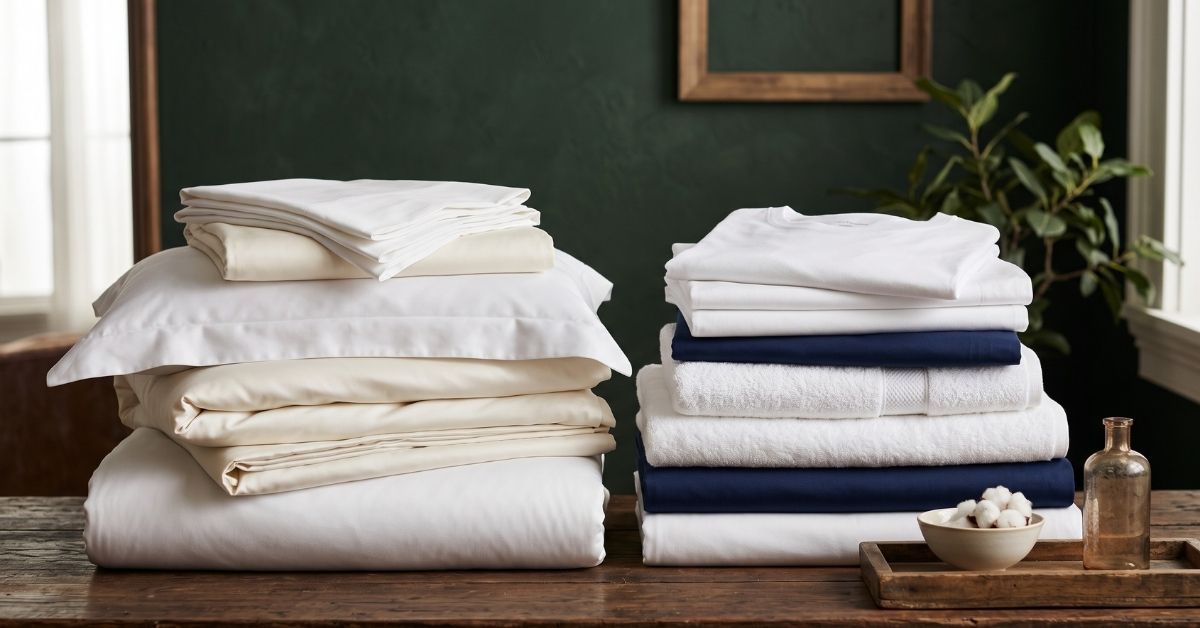
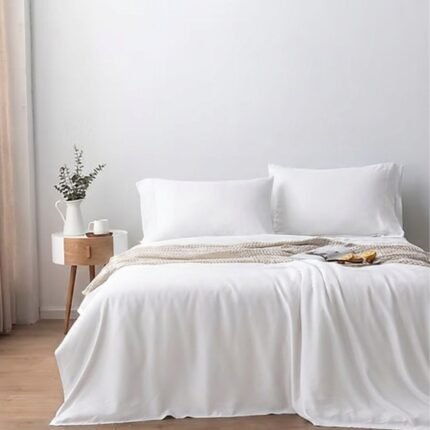
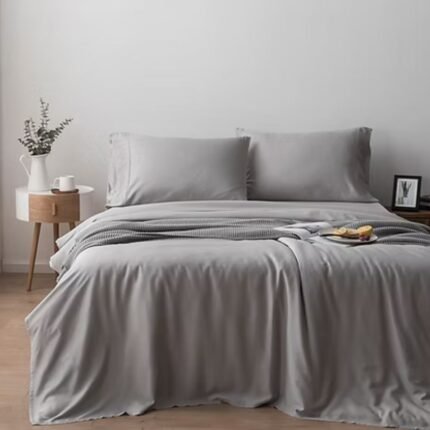
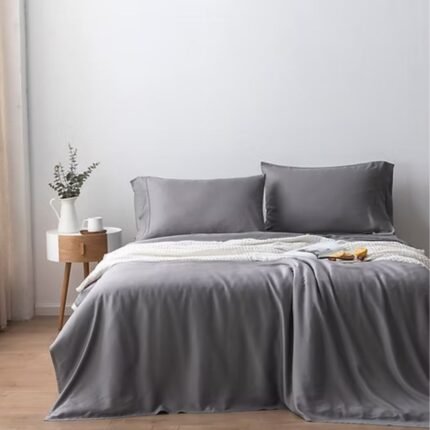
Recommendation: If nighttime muscle tension is disrupting your rest, the quality of your bedding matters. Oeko-Tex certified bamboo sheets are naturally thermoregulating and hypoallergenic, helping your body stay cool and comfortable and reducing the physical arousal that keeps anxiety alive at night.
2. The Two-Way Street: Can Lack of Sleep Cause Anxiety?
The relationship between anxiety and sleeplessness is bidirectional and compounding. Anxiety degrades sleep quality, and poor sleep then amplifies anxiety.
The CDC notes that good sleep is essential for emotional well-being and that insufficient sleep impairs the brain's ability to regulate mood and stress. Sleep deprivation suppresses the prefrontal cortex, responsible for logical thinking and fear regulation, while amplifying reactivity in the amygdala, the brain's emotional alarm center.
In practical terms, a sleep-deprived brain is primed to interpret neutral situations as threatening. This is why people who sleep poorly are significantly more vulnerable to sudden panic attacks and disproportionate worry. If you have ever wondered whether lack of sleep can cause anxiety panic attacks, the clinical answer is yes.
For a deeper look at how sleep supports recovery and healing, see: Does Sleeping Help You Heal Faster?
3. Anxiety at Night: What Happens While You Sleep
Anxiety does not always stay in the daylight hours. Unresolved daytime stress follows many people into sleep, showing up as physical symptoms they may not even be aware of.
Teeth Grinding (Bruxism)
Causes micro-awakenings and jaw or neck pain. Strongly correlated with daytime psychological stress.
Restless Leg Movements (Restless Leg Syndrome)
Prevents entry into deep NREM sleep. Linked to heightened nervous system activation.
Night Terrors (Sleep Terror Disorder)
Abrupt arousal from slow-wave sleep. Associated with unprocessed emotional stress.
Sleep-Talking (Somniloquy)
Indicates shallow, fragmented sleep stages. Associated with anxiety and heightened arousal.
Frequent Wakings (Sleep Maintenance Insomnia)
Reduces total REM time. Caused by overnight HPA axis hyperactivation.
Each of these disruptions reduces time spent in REM sleep, the restorative stage where emotional memories are processed and stress hormones are regulated. This is why you can spend eight hours in bed and still wake up exhausted. Your body was managing anxiety, not truly resting.
Understanding the best and worst sleeping positions can also make a difference, as poor posture during sleep can worsen muscle tension and contribute to broken sleep cycles.
4. Breaking the Cycle: Evidence-Based Strategies
Addressing anxiety-related sleep problems requires two approaches: calming the nervous system before bed, and removing physical triggers that maintain arousal during the night.
4.1 Establish a Consistent Sleep Routine
The NIMH recommends sticking to a consistent sleep schedule every day, including weekends. This reinforces your circadian rhythm and signals to the brain that the threats of the day are over. The 10-3-2-1-0 sleep rule is a structured, practical framework many people find helpful for winding down each evening.
4.2 Practise Relaxation Techniques
Physiological calming techniques directly counteract the HPA axis stress response:
- Box Breathing (4-4-4-4): Inhale 4 counts, hold 4, exhale 4, hold 4. Activates the parasympathetic nervous system and measurably lowers heart rate.
- Progressive Muscle Relaxation (PMR): Systematically tense and release muscle groups from feet to forehead to discharge physical tension.
- Mindfulness Meditation: Even 10 minutes before bed has been shown in clinical studies to reduce pre-sleep cognitive arousal.
4.3 Reduce Digital and Cognitive Stimulation
Blue light from screens suppresses melatonin production. The NIMH advises reducing blue light exposure at least 60 minutes before bed.
If a ruminating mind is keeping you awake, see: How to Stop Thinking About Something When Trying to Sleep
4.4 Optimise Your Physical Sleep Environment
Recommendation — Temperature: Oeko-Tex certified bamboo sheets or a purely organic sheet set wick heat and keep your sleep surface cool throughout the night.
Posture: Adjustable bed sheets work with adjustable bases to maintain proper spinal alignment and prevent the tension that can mimic anxiety symptoms on waking.
Natural Texture: Vintage linen bed sheets offer superior breathability and moisture-wicking, especially effective in warmer climates.
4.5 Address Pre-Bed Anxiety Triggers
For some people, anxiety spikes during pre-bed rituals. Shower anxiety, a sense of unease during bathing, often stems from sensory overload or being alone with intrusive thoughts. Play a familiar podcast, switch to warm dimmed lighting, and treat the shower as a deliberate sensory wind-down rather than a chore.
The CDC's mental health resources also emphasise that social connection and physical activity lower baseline anxiety, reducing the nightly cortisol load before it disrupts sleep.
5. Anxiety Fatigue vs. Depression Fatigue: Key Differences
It is important not to confuse anxiety-driven tiredness with depression fatigue, as they have different presentations and require different treatments.
| Factor |
Anxiety Fatigue |
Depression Fatigue |
| Primary Cause |
Sustained physiological arousal and hypervigilance |
Low mood, anhedonia, disrupted neurotransmitter balance |
| Sleep Pattern |
Difficulty falling asleep and frequent waking |
Hypersomnia (sleeping too much) or early-morning waking |
| Mental State |
Racing thoughts, worry, and a sense of urgency |
Emptiness, hopelessness, and mental fog |
| Energy After Rest |
May improve temporarily after genuine rest |
Sleep rarely feels restorative |
| Interest in Activities |
Often preserved |
Significantly reduced due to anhedonia |
Both conditions can co-occur. If symptoms are persistent, the NIMH stress and anxiety fact sheet provides clear guidance on when and how to seek help.
6. What the Research and Statistics Say
The NIMH reports that an estimated 19.1% of U.S. adults experienced an anxiety disorder in the past year, and 31.1% will experience one at some point in their lives.
The CDC's sleep data states adults need at least 7 hours of sleep per night, yet a significant proportion of adults fall short consistently.
The CDC also recognises that insufficient sleep is directly linked to increased risk of anxiety, depression, heart disease, and other serious conditions.
Adults reporting five or fewer hours of sleep show significantly higher rates of depression, according to NIH population-based research.
The Bottom Line
Anxiety makes you sleepy because it runs your body's energy systems at full capacity, often for extended periods without genuine relief. But the sleepiness it produces is rarely high-quality, restorative rest. It is the shallow, broken sleep of a nervous system still scanning for threats.
Breaking the cycle requires addressing both sides: calming the nervous system through evidence-based strategies, and removing the physical and environmental factors that sustain arousal during the night. Small consistent changes, a reliable bedtime routine, breathwork, and a cool comfortable sleep environment, compound over time into meaningfully better rest and reduced anxiety.
If symptoms persist or significantly impact your daily life, speak with a qualified healthcare provider. The NIMH and MentalHealth.gov offer trusted, evidence-based resources to help you find the right support.
Sources and References
- National Institute of Mental Health — Anxiety Disorders: https://www.nimh.nih.gov/health/topics/anxiety-disorders
- National Institute of Mental Health — Anxiety Statistics: https://www.nimh.nih.gov/health/statistics/any-anxiety-disorder
- National Institute of Mental Health — Caring for Your Mental Health: https://www.nimh.nih.gov/health/topics/caring-for-your-mental-health
- National Institute of Mental Health — Stress Fact Sheet: https://www.nimh.nih.gov/health/publications/so-stressed-out-fact-sheet
- Centers for Disease Control and Prevention — About Sleep: https://www.cdc.gov/sleep/about/index.html
- Centers for Disease Control and Prevention — Adults Sleep Facts and Stats: https://www.cdc.gov/sleep/data-research/facts-stats/adults-sleep-facts-and-stats.html
- Centers for Disease Control and Prevention — Sleep and Chronic Disease: https://www.cdc.gov/cdi/indicator-definitions/sleep.html
- Centers for Disease Control and Prevention — Mental Health: https://www.cdc.gov/mental-health/living-with/index.html
- MentalHealth.gov — U.S. Department of Health and Human Services: https://www.mentalhealth.gov
- NIH/PMC — Sleep Duration and Mental Health in U.S. Adults: https://pmc.ncbi.nlm.nih.gov/articles/PMC12803467/