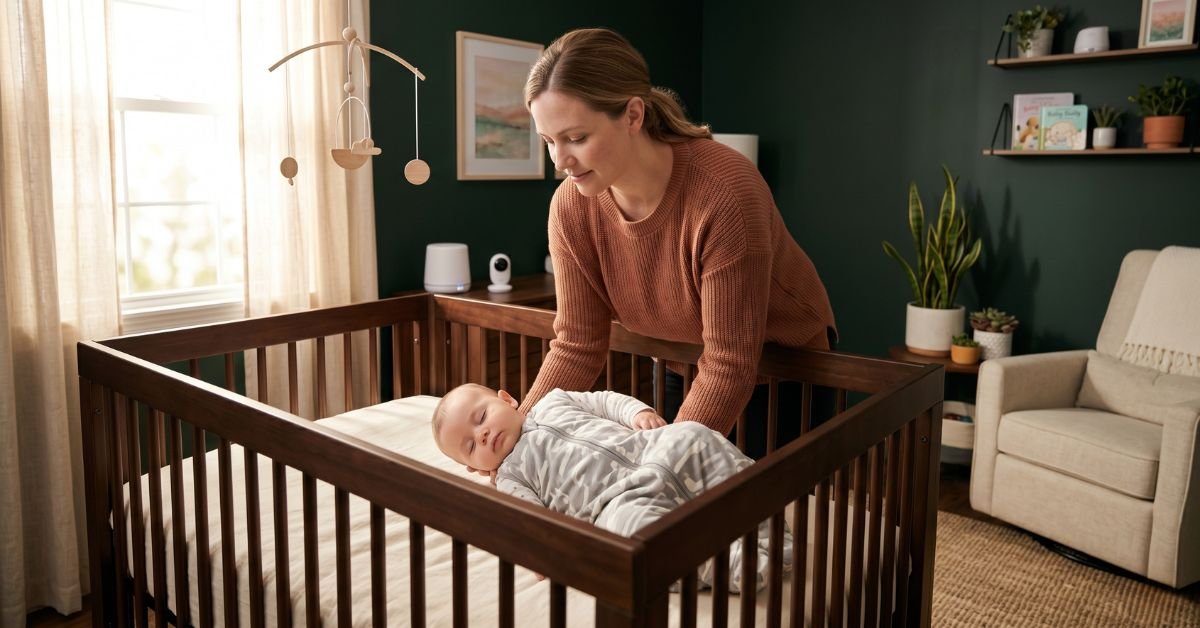
When it comes to establishing healthy sleep habits, nighttime often gets all the attention. However, mastering daytime rest is just as crucial for your child's cognitive development, emotional regulation, and overall temperament. Research from the American Academy of Pediatrics (AAP) confirms that total daily sleep including naps directly impacts a child's neurological development and behavior.
Navigating nap transitions, active schedules, and changing sleep needs can feel like a puzzle. The good news is that by implementing evidence-based sleep training strategies, you can help your little one embrace restorative daytime rest. Here is a practical, well-researched guide to building a seamless nap routine and maintaining the calm, comfortable sleep environment your baby deserves.
1. Recognize Timing and Nap Transitions
One of the most common hurdles parents face is managing the natural evolution of their child's daily nap schedule. Understanding when and why these changes happen backed by developmental science makes the process far less stressful.
According to the NIH National Institute of Child Health and Human Development, infant sleep architecture changes significantly in the first two years of life, with awake windows gradually lengthening as the brain matures.
Nap Schedule by Age
| Age | Number of Naps | Typical Nap Duration | Awake Window |
|---|
| 0–3 months | 4–5 naps | 30–60 min each | 45–90 min |
| 4–5 months | 3–4 naps | 30–90 min each | 1.5–2 hrs |
| 6–8 months | 2–3 naps | 1–2 hrs each | 2–3 hrs |
| 9–12 months | 2 naps | 1–1.5 hrs each | 3–4 hrs |
| 13–18 months | 1–2 naps (transitioning) | 1–2 hrs | 4–5 hrs |
| 18 months+ | 1 nap | 1.5–2 hrs | 5–6 hrs |
Knowing when to drop to 3 naps usually occurs around the 4–5 month mark, as awake windows naturally stretch. Signs your baby is ready include fighting the final catnap or experiencing split nights. They will eventually consolidate to a one-nap schedule around 15–18 months. Staying attuned to these milestones ensures you are not forcing sleep when your child simply is not tired.
| 💡 Expert Recommendation: Check awake windows daily — overtiredness and under-tiredness are both enemies of a good nap. The sweet spot is putting your baby down at the first signs of tiredness, not after a meltdown begins. |
2. Wind Down with Intention
Before laying your little one down, creating a calm pre-nap environment is essential. The CDC's infant and toddler sleep guidelines emphasize that consistent pre-sleep routines help regulate the nervous system and build healthy sleep associations.
A short period of intentional wind-down — such as playing soft, rhythmic sounds, practicing light infant massage, or guiding an older toddler through deep belly breaths signals to the nervous system that rest is coming. For more science-backed wind-down techniques, our guide on Relaxing on Bed: The Science-Backed Guide to Winding Down explores this topic in depth.
A consistent, predictable 10-minute pre-nap ritual helps lower cortisol levels and makes independent sleep much easier to achieve. You can also explore our resources on Relaxation Therapy for Sleep and How to Fall Asleep in 10 Seconds for techniques that work for both children and adults.
Sample 10-Minute Pre-Nap Wind-Down Routine
- Draw curtains and dim the room (1 min)
- Change diaper and into sleep-appropriate clothing (2 min)
- Gentle infant massage or cuddle time (3 min)
- White noise on, soft lullaby or deep breaths (2 min)
- Place in crib awake but drowsy, say a consistent goodbye phrase (2 min)
3. Balance Activity and Rest
Physical exertion plays a major role in building sleep pressure, but timing is everything. The U.S. Department of Health and Human Services Physical Activity Guidelines note that physical activity supports healthy sleep in children — but intensity and timing matter significantly.
Laying a child down while they are still in a heightened state from running around can backfire, leading to overtiredness and a cortisol spike that makes sleep harder. Allow 20–30 minutes of quiet, indoor transition time after vigorous activity so their heart rate can settle before entering the crib. For insights on how best and worst sleeping positions affect rest quality, that principle applies to naps just as much as nighttime sleep.
| 💡 Expert Recommendation: If your toddler seems wired after outdoor play but is clearly within their nap window, try 10 minutes of quiet picture-book time or calm sensory play before attempting to settle them. This bridges active energy with sleep readiness without fully missing the window. |
4. Create the Optimal Sleep Environment
Creating the right sleep sanctuary is one of the most impactful investments you can make in your child's nap quality. The Safe to Sleep campaign from the Eunice Kennedy Shriver NICHD provides evidence-based guidance on safe infant sleep environments, emphasizing firm, flat surfaces, appropriate room temperature, and minimal sensory distractions.
Environment Checklist
- Darkness: Use blackout curtains to signal daytime nap time as clearly as nighttime.
- Temperature: Aim for 68–72°F (20–22°C) as recommended by pediatric sleep specialists.
- White noise: A white noise machine masks household sounds and mimics womb-like conditions.
- Comfortable bedding: Breathable, temperature-regulating sheets make a noticeable difference. Oeko-Tex certified bamboo sheets are free from harmful chemicals and are naturally hypoallergenic — ideal for sensitive infant skin.
- Fitted sheets: For safety and comfort, ensure sheets fit snugly. Deep pocket sheet sets prevent dangerous bunching in cribs and toddler beds.
If your child runs warm during sleep, our article Why Do I Get So Hot When I Sleep? explains the physiology and offers practical solutions — including the role of breathable natural fiber bedding. Our guide on the Best Fabric to Sleep In: Cotton vs. Bamboo vs. Linen can also help you choose the most suitable materials for your child's sleep space. For children with sensitive skin conditions, eczema-friendly sleep practices and allergy-friendly sheets can make a significant difference in nap comfort.
For parents who prefer natural materials, our organic cotton bed sheet set and organic sheet set options offer GOTS-certified purity. If you prefer a natural, textured feel and excellent for temperature regulation in warmer climates.
5. Choose the Right Nap Training Method
Not all sleep training approaches are the same, and the method you choose should align with your parenting philosophy, your child's temperament, and your family's comfort level. According to a 2020 review published by the American Academy of Sleep Medicine, several sleep training approaches — from graduated extinction to parent-present methods — are both safe and effective when applied consistently.
Common Nap Training Methods at a Glance
| Method | How It Works | Best For |
|---|
| Ferber (Graduated Extinction) | Timed check-ins with increasing intervals | Babies 6 months+ who can self-soothe partially |
| Chair Method (Sleep Lady Shuffle) | Parent gradually moves further from crib each day | Parents who want to stay present during training |
| Fading Method | Gradually reduce parental assistance over time | Younger babies or more sensitive temperaments |
| Pick Up / Put Down | Pick up when crying, put down when calm — repeat | Babies under 6 months, or as a gentler first step |
| No Cry Method (Pantley) | Slow removal of sleep associations without extinction | Parents opposed to any crying; slower results |
For a broader look at building a consistent sleep schedule, the 10-3-2-1-0 Sleep Rule is a popular framework that also applies to managing daytime alertness and nap readiness in toddlers.
6. Troubleshoot Common Nap Problems
Even with the best preparation, you will likely encounter some common nap challenges. Here is how to address them based on evidence-based guidance:
- Short naps (30–45 min): This is typically the end of one sleep cycle. Give your baby 5–10 minutes to resettle independently before intervening. Consistency here is the fastest path to cycle consolidation.
- Nap refusal: Check whether the awake window has been missed (overtired) or is too short (not tired enough). Ensure the room is dark and white noise is running.
- Frequent night waking despite good naps: Explore whether the last nap is ending too close to bedtime. Most children need at least a 3-hour gap between the end of the final nap and bedtime.
- Nap regression: Common around 4 months, 8 months, and 18 months often tied to developmental leaps. Maintain your routine and ride it out; regressions typically last 2–6 weeks.
Curious about why reading or gentle activities cause drowsiness? Our article Why Do I Feel Sleepy When Reading? explains the cognitive science useful insight when deciding which quiet activities to include in the pre-nap wind-down.
You may also find it helpful to understand how does sleeping help you heal faster? reinforcing why consistent nap training supports more than just mood and behavior.
| 💡 Expert Recommendation: For best results: Begin nap training after nighttime sleep has stabilized. Commit to a 2-week consistent effort before evaluating outcomes. Keep a simple nap log — noting awake windows, nap start times, and durations helps you identify patterns quickly. |
Sources & References
OdeSleep Related Reading