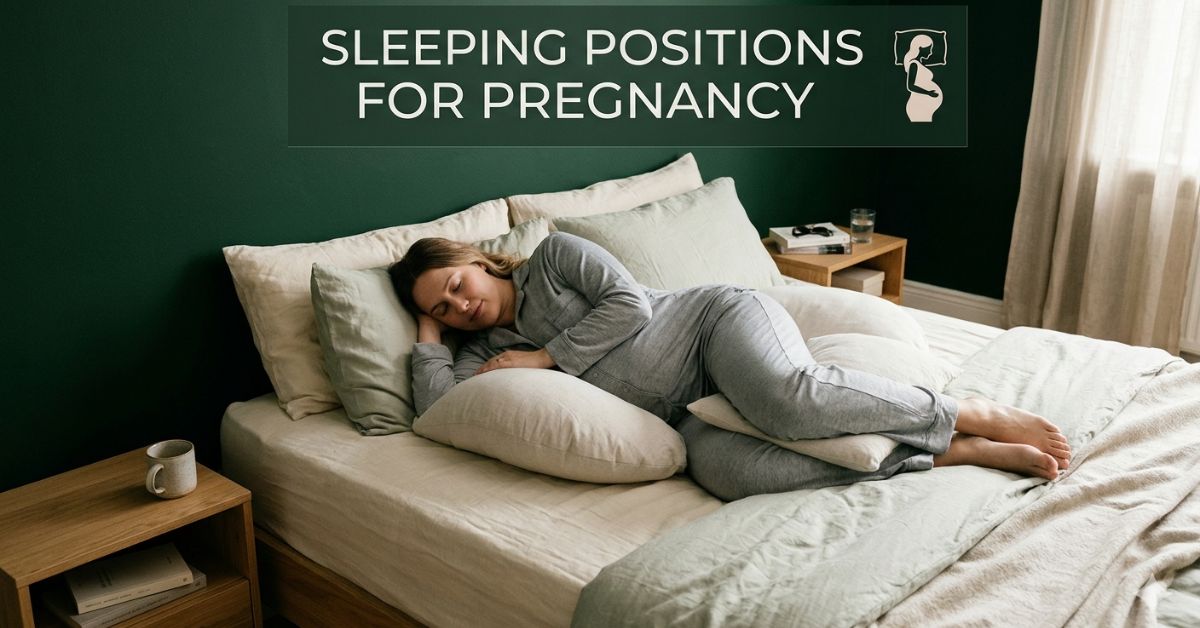
Growing a tiny human is beautiful, exhausting, and comes with a never ending list of questions. Among the most common involves your nightly routine: can you sleep on your back while pregnant? This guide breaks down what current research and major health authorities actually say, how your body changes across each trimester, and how to build a comfortable, safe sleep routine from the first trimester through delivery.
When pregnancy fatigue hits, getting comfortable in bed can feel like a competitive sport. If you have always been a back or stomach sleeper, changing your habits can feel frustrating. Below, we cover exactly what happens to your body during sleep, how to adapt your position as your pregnancy progresses, and what to do if things do not go perfectly to plan.
Quick Answer: Safe Sleep Positions by Trimester
Here is a simple overview you can refer back to as your pregnancy progresses. Each recommendation reflects guidance summarized from the National Institutes of Health, MedlinePlus, and the UK National Institute for Health and Care Excellence evidence review hosted by the National Library of Medicine.
| Trimester |
Back Sleeping |
Recommended Position |
| First trimester (weeks 1 to 12) |
Generally considered safe; the uterus is still low in the pelvis. |
Whatever position feels most natural, including back or stomach. |
| Second trimester (weeks 13 to 27) |
Comfort usually decreases; most people naturally shift away from it. |
Side sleeping, ideally the left side, with knee support. |
| Third trimester (week 28 onward) |
Health authorities advise avoiding going to sleep flat on your back. |
Left or right side, or a 20 to 30 degree recline if side sleeping is uncomfortable. |
Can I Lie on My Back While Pregnant?
The short answer is yes, in early pregnancy, but most health authorities advise avoiding going to sleep flat on your back once you reach the second half of pregnancy, generally from around 28 weeks onward, according to an evidence review conducted for the UK National Institute for Health and Care Excellence and hosted on the National Library of Medicine bookshelf. The reason is not an old wives tale. It comes down to basic anatomy.
As your baby, uterus, and amniotic fluid grow heavier, lying flat on your back can place weight on a major blood vessel called the inferior vena cava. This large vein runs along the right side of your spine and carries blood from your lower body back up to your heart. Compressing it can reduce circulation, potentially lowering blood pressure and reducing the flow of oxygen and nutrients to the placenta, as explained in the MedlinePlus guide to sleep problems during pregnancy, a resource maintained by the National Library of Medicine.
What the Research Actually Shows
It helps to know that the science here is genuinely evolving, and that is a sign of good, honest medicine rather than confusing advice. A large study funded by the Eunice Kennedy Shriver National Institute of Child Health and Human Development, part of the National Institutes of Health, followed more than 8,700 pregnant women and found that sleep position through 30 weeks of gestation did not appear to raise the risk of stillbirth, reduced birth size, or high blood pressure disorders of pregnancy.
Separately, a broader evidence review compiled for national maternity guidelines and archived by the National Library of Medicine found that going to sleep on the back after 28 weeks was associated with a higher likelihood of stillbirth and babies born small for their gestational age, compared with going to sleep on the left side. Because of this, committees advising national health services recommend that pregnant people try to avoid going to sleep on their back after 28 weeks, while also noting that the evidence is not considered fully conclusive and should not be a source of panic. You can read the full review on the National Library of Medicine bookshelf.
The takeaway for you: the position you fall asleep in matters more than the position you happen to wake up in, since your body naturally shifts throughout the night regardless of what you intended.
Do Not Panic If You Wake Up on Your Back
Your body is remarkably good at protecting your pregnancy. If blood flow drops while you sleep, your brain will typically wake you or prompt you to roll over before it affects your baby. You might notice dizziness, nausea, or slight breathlessness. If you wake up on your back, simply roll onto your side and settle back to sleep. Waking up on your back occasionally is common and is not, on its own, a reason for alarm.
When to Stop Lying on Your Stomach
If you are a front sleeper, you might wonder when to stop lying on your stomach during pregnancy. Most people find their bodies make the decision for them. Around the end of the first trimester or the start of the second, roughly weeks 12 to 16, your expanding belly and increasingly tender breasts make stomach sleeping feel like balancing on top of a watermelon. Once your bump begins to show, it is a natural time to transition toward side sleeping.
How Far Can You Recline While Pregnant?
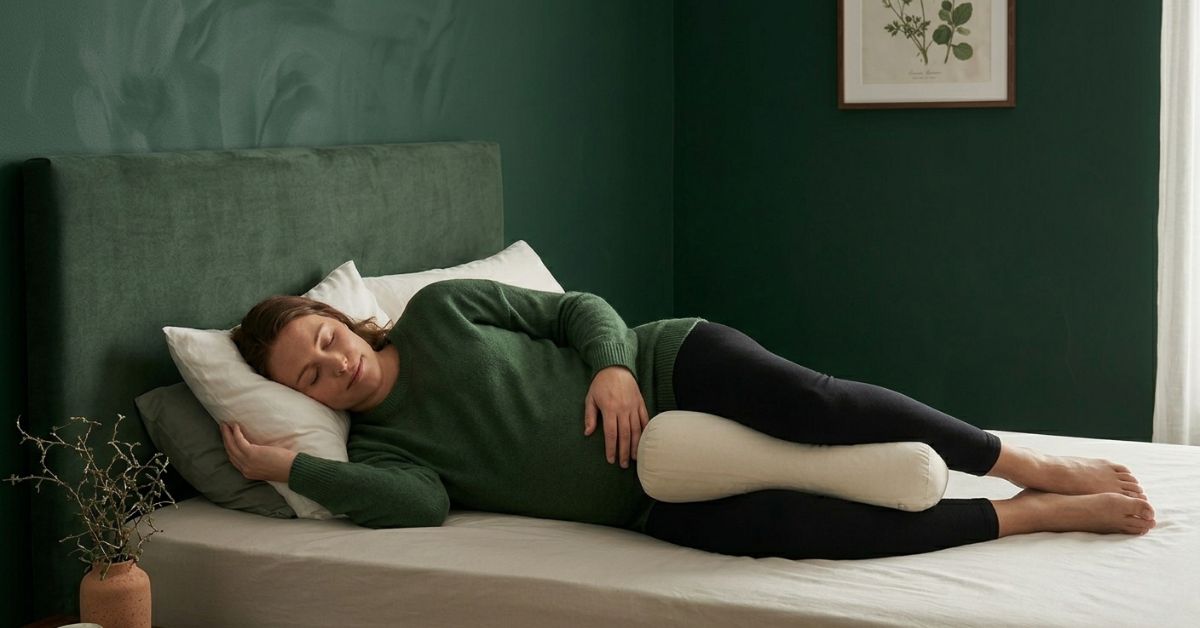
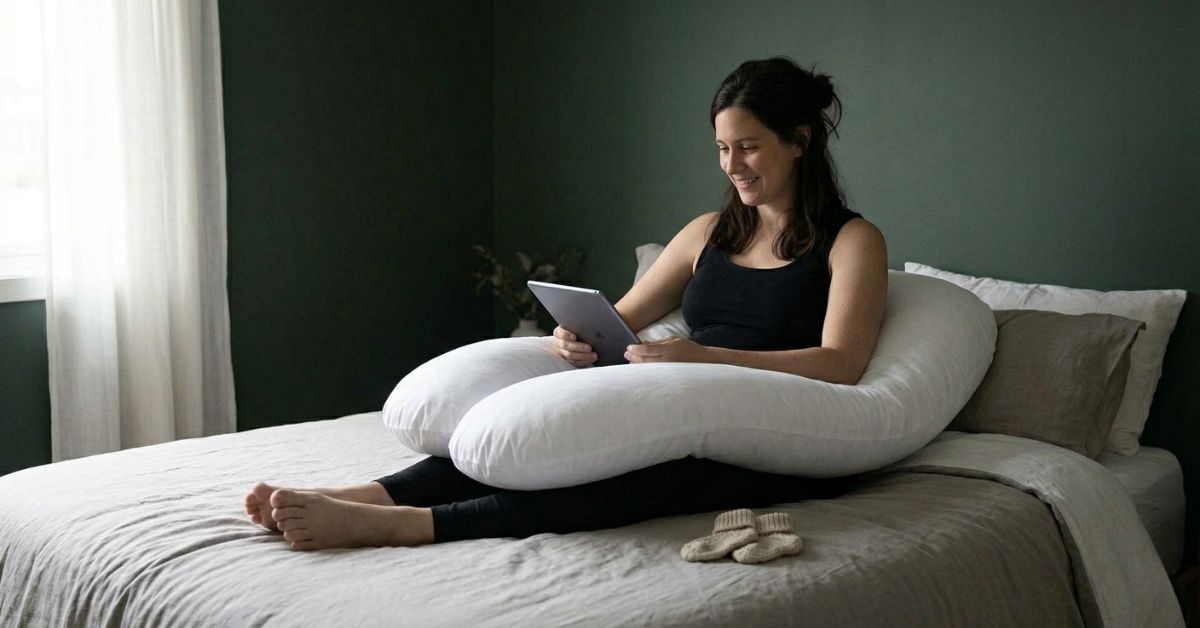
If side sleeping feels unnatural or causes hip pain, you do not have to force yourself into a strict, flat side position all night. Many care providers note that propping yourself at roughly a 20 to 30 degree tilt, or up to about 45 degrees for extra comfort, meaningfully relieves pressure on the inferior vena cava while still letting you rest comfortably. You can achieve this with:
- A wedge shaped pregnancy pillow behind your back.
- A stack of standard pillows elevating your head, shoulders, and upper torso.
- A comfortable reclining chair for afternoon naps.
- A single pillow under one hip, which tilts your uterus gently away from your spine while letting you feel like you are resting on your back.
Building a Comfortable, Sleep Friendly Environment
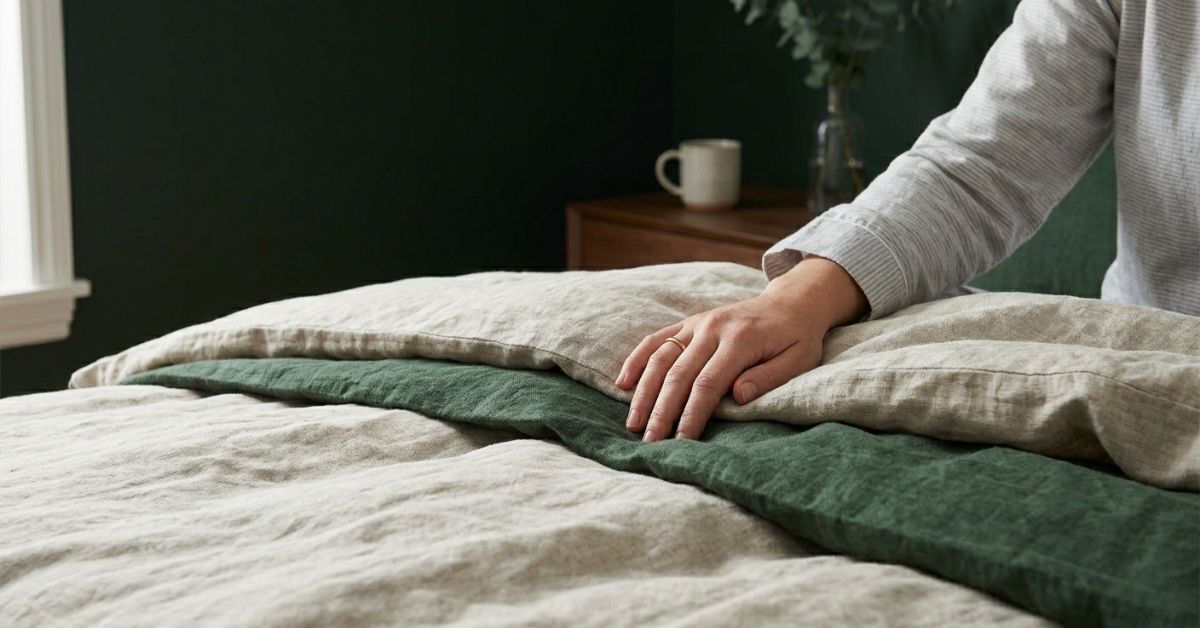
Alongside position, the surface you sleep on plays a real role in comfort and temperature regulation, especially as pregnancy raises your baseline body temperature. Breathable, natural fiber bedding can make side sleeping and reclined positions considerably more comfortable through the night. Many expecting parents find it helpful to switch to Oeko Tex certified bamboo sheets, which are naturally breathable and gentle against sensitive, changing skin. If you prefer cotton, a purely organic sheet set or an organic cotton bed sheet set can offer a soft, chemical free surface that pairs well with a full body pregnancy pillow.
Bumps and Falls: Second and Third Trimester Concerns
As your center of gravity shifts, accidents can happen, and falling while pregnant is understandably frightening. If you take a tumble and land on your back or side, take a deep breath first. Your baby is protected by an effective shock absorption system made up of thick uterine walls, strong abdominal muscles, and a generous cushion of amniotic fluid.
What to Do After a Fall
- Note the time and circumstances of the fall.
- Rest quietly and monitor how your body feels.
- Pay close attention to your baby's movements over the next several hours.
- Call your obstetric provider even if you feel completely fine, since a brief check in can offer real peace of mind.
When to Call Your Doctor or Seek Care Immediately
The CDC Hear Her campaign outlines urgent maternal warning signs that call for immediate medical attention during pregnancy, including any of the following:
- Vaginal bleeding or fluid leaking.
- Severe abdominal pain or cramping that does not ease.
- Regular uterine contractions before your due date.
- A noticeable decrease or absence of fetal movement.
- Severe headache, vision changes, or sudden swelling.
- Dizziness, fainting, or chest pain.
If you experience any of these signs after a fall or at any other point in pregnancy, contact your provider or seek emergency care right away. For general guidance on staying healthy throughout pregnancy, the CDC pregnancy resource center and the FDA women's health pregnancy page are both reliable, regularly updated federal resources.
Tips for a Better Night's Sleep
Transitioning to side sleeping takes time, so be patient with yourself. A few practical adjustments can help:
- Tuck a plush pillow between your knees to align your hips and ease lower back pain.
- Hug a full body pillow to help prevent rolling forward onto your stomach or backward onto your spine.
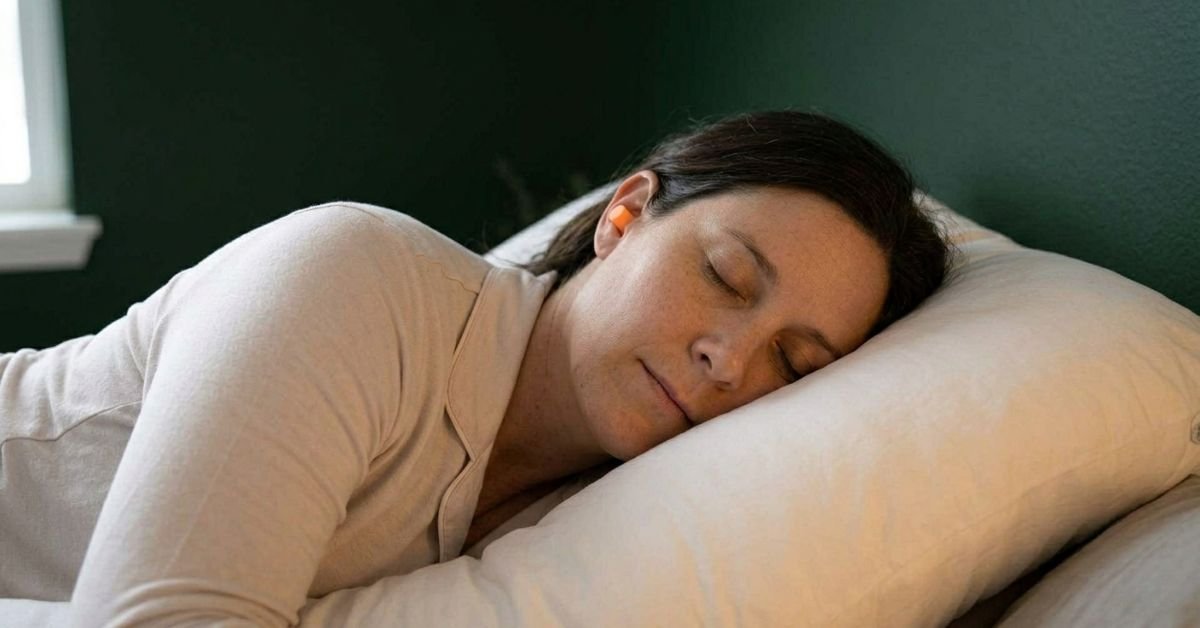
- Keep your bedroom cool, dark, and quiet, since pregnancy tends to raise body temperature at night.
- Limit caffeine and large meals in the few hours before bed to reduce heartburn and nighttime waking.
- Build a calming wind down routine so your body has time to settle before lights out.
If a racing mind or general sleep difficulty is part of what is keeping you up, it may help to explore some focused sleep resources. For calming your body before bed, see our guide to relaxation therapy for sleep. If falling asleep quickly is the main challenge, our piece on how to fall asleep in 10 seconds walks through several science backed techniques.
Pregnancy can also bring on an unusually busy mind right at bedtime. Our articles on how to turn your brain off to sleep, how to stop your mind racing at night, and an overactive mind at night each offer different, practical approaches depending on what is keeping you awake.
A few other common questions worth exploring while you are adjusting your sleep habits during pregnancy: many people notice they get unexpectedly drowsy while reading in bed, which our article on why you feel sleepy when reading explains. Gentle movement before bed can also help with pregnancy related aches, and our research backed piece on whether stretching before bed helps you sleep covers what actually works. And if you have ever wondered about medication options, our guide on whether muscle relaxers help you sleep is a helpful, informational starting point, though you should always confirm any medication use with your own provider during pregnancy.
Our Recommendations
Based on current government backed research and clinical guidance, here is a simple set of recommendations to carry into your third trimester and beyond:
- Sleep on your first trimester however feels natural to you; there is no medical reason to force a side position yet.
- From around 20 weeks, begin practicing side sleeping, ideally on your left side, so it feels natural by the third trimester.
- From 28 weeks onward, aim to fall asleep on your side rather than flat on your back, and do not worry if you wake up on your back occasionally.
- Use a wedge pillow or a 20 to 30 degree recline if flat side sleeping is uncomfortable.
- Choose breathable, natural bedding, such as certified bamboo or organic cotton sheets, to help manage nighttime body temperature.
- Always contact your provider after any fall, and learn the urgent maternal warning signs so you know exactly when to seek immediate care.
Be kind to yourself. Your body is doing incredible work, and finding the right rhythm for rest is just one part of the journey.
Sources
This article draws on the following government and federal health resources, current as of 2026: