

Blog
Best Fabric to Sleep In: Cotton vs. Bamboo vs. Linen
Written by Maryam Riaz (M.Phil.) | Medically Reviewed by Dr. Beenish Gafoor, MBBS
About Maryam Riaz M.Phil
A dedicated researcher and author for OdeSleep who specializes in bridging the gap between complex medical insights and practical, non-medical wellness strategies for our global audience.
View all posts by Maryam Riaz M.PhilFinding the right bedding can feel like a quest for the Holy Grail, especially when you’re tired of waking up in a tangle of damp, overheated sheets. We spend a third of our lives in bed, so the material touching your skin matters more than just looking nice.
If you have been tossing and turning, here is the breakdown of the best fabric for sleep to ensure you actually get some rest.
The Science of Sleep: Natural vs. Synthetic
When people ask, "Is 100 percent polyester bad?" the answer isn't a simple yes or no, but for sleep quality, it’s usually a no.
- Polyester is essentially plastic: While it’s durable and budget-friendly, it lacks the air permeability necessary for temperature regulation.
- Heat Trapping: It traps heat against your body, which can turn a mild summer evening into a personal sauna.
- Deep Sleep Disruptor: If you’re a hot sleeper, synthetic fibers are generally the enemy of deep sleep. They fail to support the body's natural temperature drop required for rest. According to the National Institute of General Medical Sciences, your circadian rhythm relies on a decrease in body temperature to signal sleep.
Top Contenders for the Coolest Sleep
To find the coolest fabric to sleep in, you need to look toward natural fibers that offer high breathability and moisture-wicking properties.
1. The Classic Choice: Cotton
Cotton is the gold standard for a reason. However, the weave matters just as much as the fiber.
- Sateen Bed Linens: If you want a silky, heavier feel that still breathes better than polyester, sateen is an excellent choice.
- Organic Options: For a pure experience, an Organic cotton bed sheet set provides a chemical-free surface that is soft and durable.
- Percale Weave: For those in warmer climates, cotton percale is often preferred for its crisp feel and superior airflow.
2. The Heavy Hitter: Bamboo
For those specifically searching for the best fabric for night sweats, bamboo is often the winner.
- Thermal Regulation: Bamboo fibers are naturally moisture-wicking, helping to pull sweat away from the body.
- Certification Matters: Using Oeko Tex certified bamboo sheets ensures your bedding is tested for harmful substances, providing a safer sleep environment.
- Evaporative Cooling: The CDC notes that a cool, comfortable environment is essential for restorative sleep. This is why choosing between linen, cotton, or bamboo sheets is a critical decision for your sleep hygiene.
3. The Crisp Alternative: Linen
Linen is perhaps the most breathable option available.
- Maximum Airflow: Its loose, porous weave allows for maximum airflow, making it a favorite for those in humid climates.
- Durability: While it starts a bit stiff, linen becomes incredibly soft over time.
Comparison at a Glance
Fabric Type | Best For | Breathability | Feel |
Bamboo | Night Sweats | Excellent | Silky & Cool |
Cotton Sateen | Year-round Comfort | Good | Smooth & Heavy |
Linen | Maximum Airflow | Superior | Textured & Crisp |
Polyester | Durability/Price | Poor | Slick & Warm |
Special Considerations: Health & Environment
Investing in natural fibers isn't just about luxury; it’s about giving your body the environment it needs for restorative sleep.
- For Sensitive Skin: Organic cotton is often recommended for those with eczema. The USDA enforces strict standards for organic textiles to ensure they are free from toxic pesticides. A Purely Organic Sheet Set can significantly reduce skin irritation.
- Recovery and Healing: Proper bedding supports the physical recovery process. You might wonder, does sleeping help you heal faster? The answer is a resounding yes, provided your environment supports deep sleep stages.
- Safe Sleep Environments: For parents, Health Canada emphasizes that breathable, fitted sheets are critical for a safe infant sleep environment.
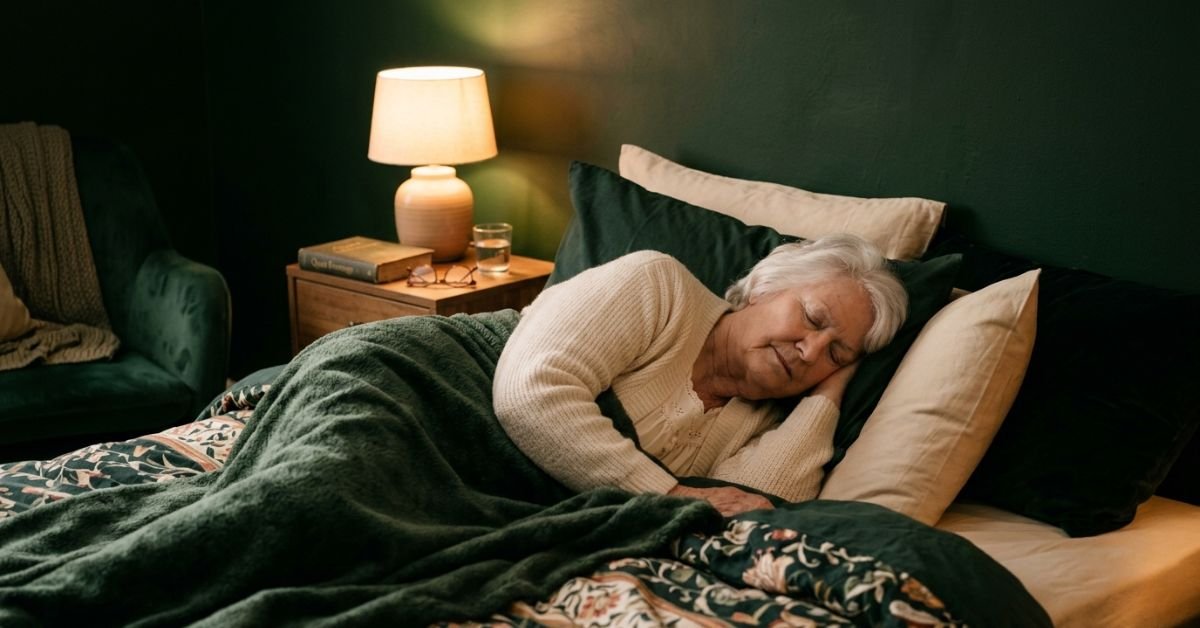
- Aging & Sleep: As we age, temperature regulation becomes more difficult. The National Institute on Aging suggests keeping the bedroom temperature cool and choosing light, breathable bedding.
Sources
- National Institute of General Medical Sciences: Circadian Rhythms Fact Sheet
- Centers for Disease Control and Prevention (CDC): NIOSH Training for Sleep Environments
- United States Department of Agriculture (USDA): Organic Textile Labeling Standards
- National Institute on Aging (NIH): A Good Night's Sleep and Aging Guide
- Health Canada: Safe Sleep Time for Children and Infants
Frequently Asked Questions (FAQs):
Is hot milk good for sleep?
Yes, warm milk may help you sleep by promoting relaxation and supporting melatonin production.
What happens if I go to bed after a shower?
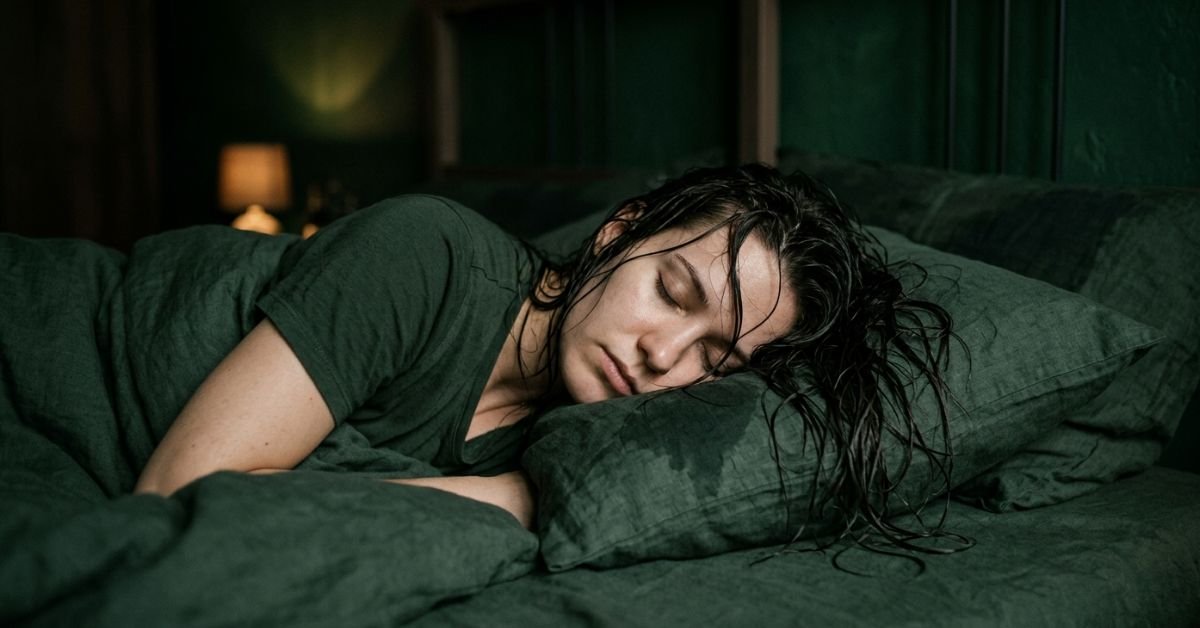
You should be careful, as there are specific risks regarding what happens when you sleep with wet hair, including potential fungal growth on your pillow.
What is the healthiest fabric for sensitive skin?
Breathable natural fabrics are best. For a detailed breakdown, see our guide on Bamboo vs. Egyptian Cotton for sensitive skin.
Does my sleep position matter?
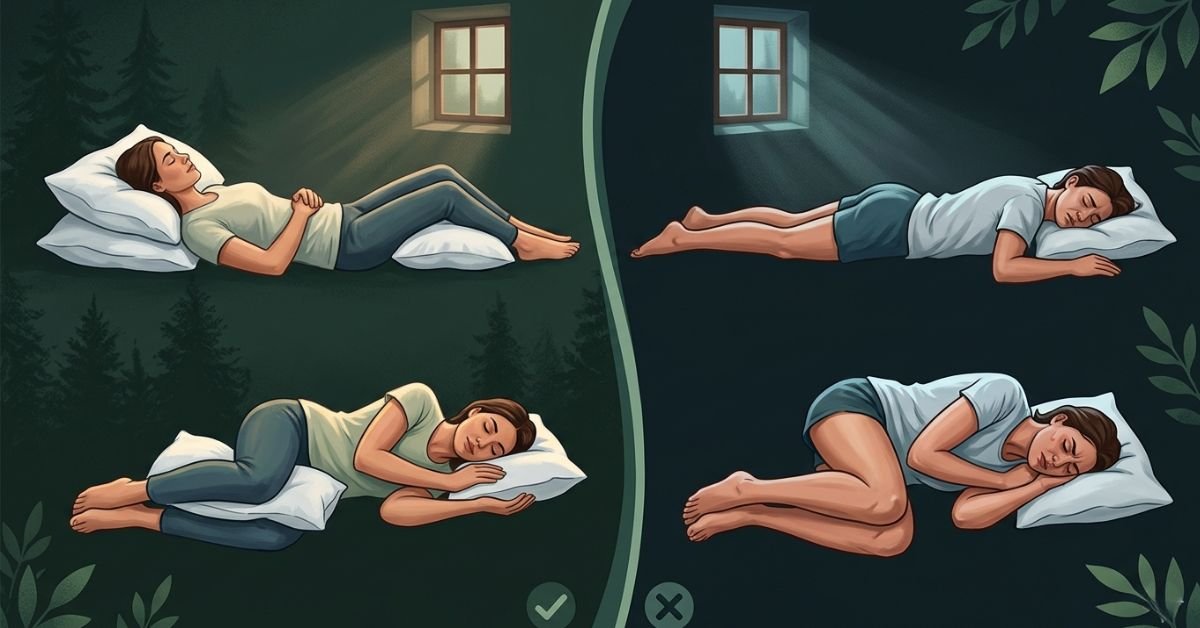
Absolutely. Your fabric choice works in tandem with your posture. Check out the best and worst sleeping positions to optimize your rest.
What is the best fabric for 72°F?
Breathable, soft cotton (like percale or jersey) is ideal for comfort at this temperature.
Disclaimer: This article is for general informational purposes only and does not constitute medical or legal advice. Always consult a qualified professional before making any medical or legal decisions.