

Blog
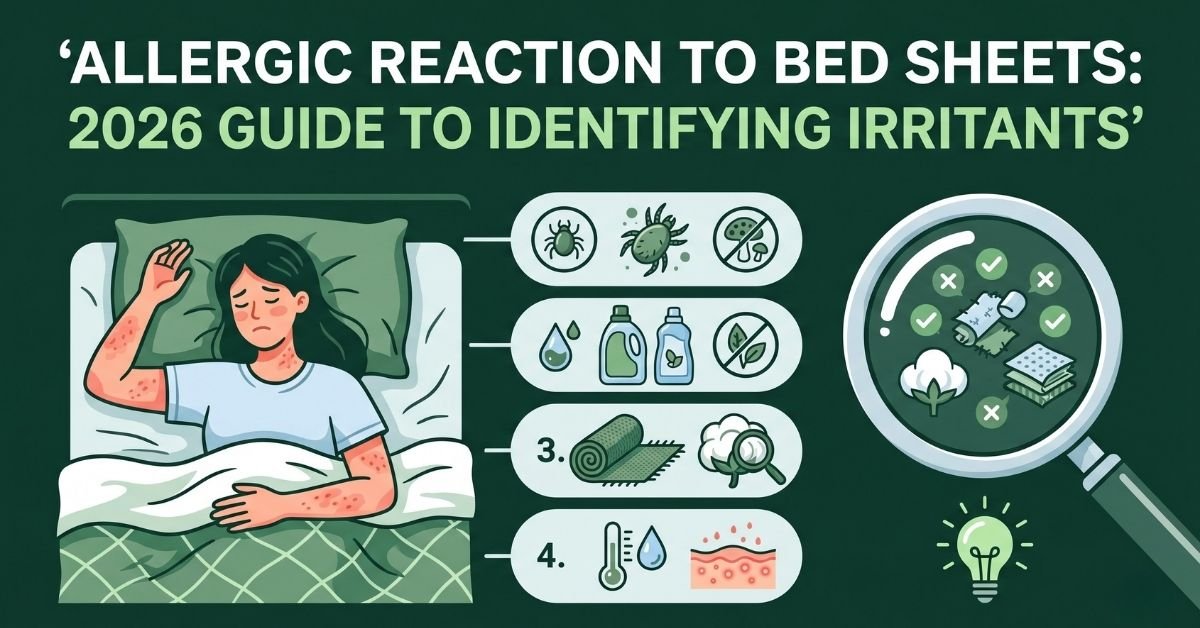
Allergic Reaction to Bed Sheets: 2026 Guide to Identifying Irritants
Written by Maryam Riaz (M.Phil.) | Medically Reviewed by Dr. Beenish Gafoor, MBBS
About Maryam Riaz M.Phil
A dedicated researcher and author for OdeSleep who specializes in bridging the gap between complex medical insights and practical, non-medical wellness strategies for our global audience.
View all posts by Maryam Riaz M.PhilYes. While it is rare to be allergic to natural fibers themselves, most reactions are allergic contact dermatitis caused by chemical finishes (like formaldehyde), synthetic dyes, or household allergens like dust mites. Symptoms often include redness, persistent itching, or a raised rash that appears specifically where your skin touches the fabric.
We often think of our beds as the ultimate safe haven. But for those with sensitive skin, the bedroom can become a source of irritation. If you have ever woken up with an unexplained rash from sheets, understanding the root cause is the first step toward reclaiming your sanctuary and discovering why allergy-friendly sheets are the secret to better sleep.
1. Can Someone Be Allergic to Cotton?
While a true biological allergy to the cotton fiber itself is extremely rare, most reactions are triggered by the processing of the fabric. According to the CPSC official safety report on formaldehyde in textiles, exposure to wrinkle-resistant resins can cause allergic contact dermatitis. If you find yourself reacting to these treatments, it may be time to compare linen vs cotton vs bamboo sheets to find a more natural alternative.
2. Allergic Reaction to Dryer Sheets
Sometimes the issue isn't the fabric, but the additives used in the laundry. An allergic reaction to dryer sheets is a frequent cause of localized itching. These sheets coat your linens in surfactants and heavy perfumes. For sensitive individuals, these chemicals stay trapped in the fibers and can lead to skin irritation and contact dermatitis.
Furthermore, using these harsh additives is one of the common mistakes that are ruining your luxury sheets, as they break down fibers over time.
3. The Dust Mite Factor: Can Dirty Sheets Cause Itching?
As we sleep, we shed dead skin cells that feed dust mites. The Cleveland Clinic official guide on dust mite allergies notes that reactions are caused by proteins in the mites' waste. This can lead to a prickly, itchy sensation or worsening of asthma symptoms.
Identifying the Culprit: Comparison Table
| Potential Cause | Common Symptoms | Key Identification Factor |
| Formaldehyde Resins | Red, raised hives or blisters. | Occurs most often with brand-new, unwashed "no-iron" sheets. |
| Dryer Sheets/Softener | Itchy, scaly, or dry patches. | Reaction stops if you skip the softener/dryer sheet. |
| Dust Mites | Prickly itching & congestion. | Symptoms worsen if sheets aren't washed weekly in hot water. |
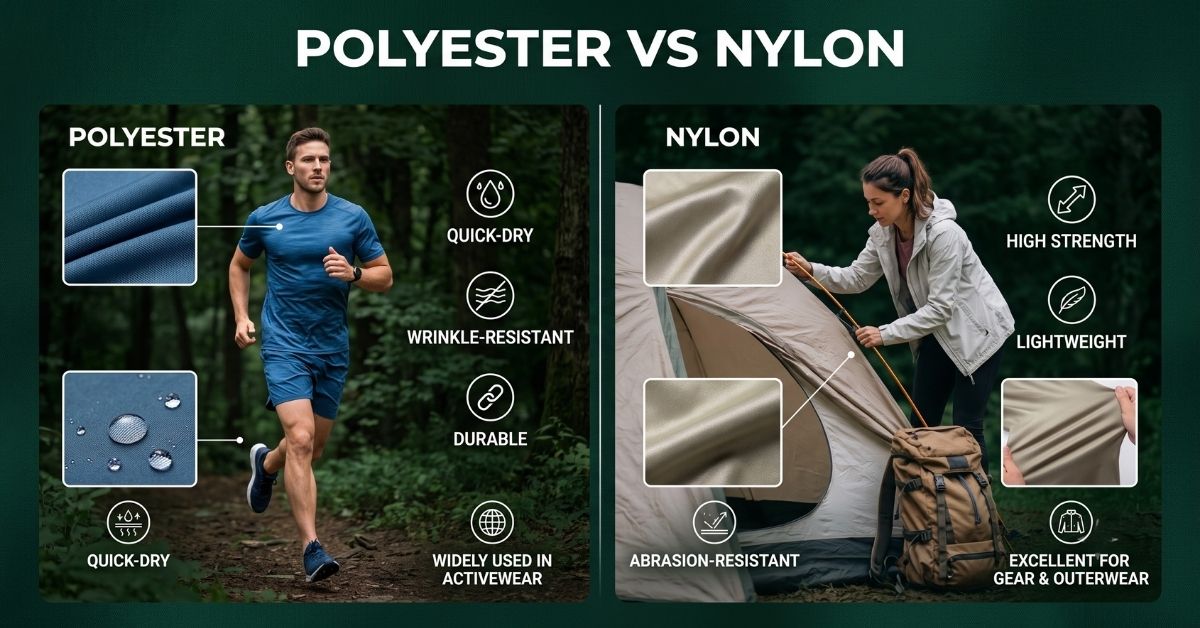
| Synthetic Fibers | "Textile dermatitis" rashes. | Common with polyester; learn more in our Polyester vs Cotton Sheets guide. |
Expert Recommendations to Protect Your Skin
- Go Organic: Eliminate chemical exposure by switching to a purely organic sheet set or a GOTS-certified organic cotton bed sheet set . These are grown and processed without the harsh pesticides and dyes that trigger sensitivity.
- Switch to Bamboo: For a naturally hypoallergenic surface, Oeko-Tex certified bamboo sheets are tested for over 100 harmful substances and are ideal for sensitive skin.
- Manage Dust Mites: The NIH guide for healthy sleep suggests washing bedding weekly in hot water 130° F to effectively kill allergens.
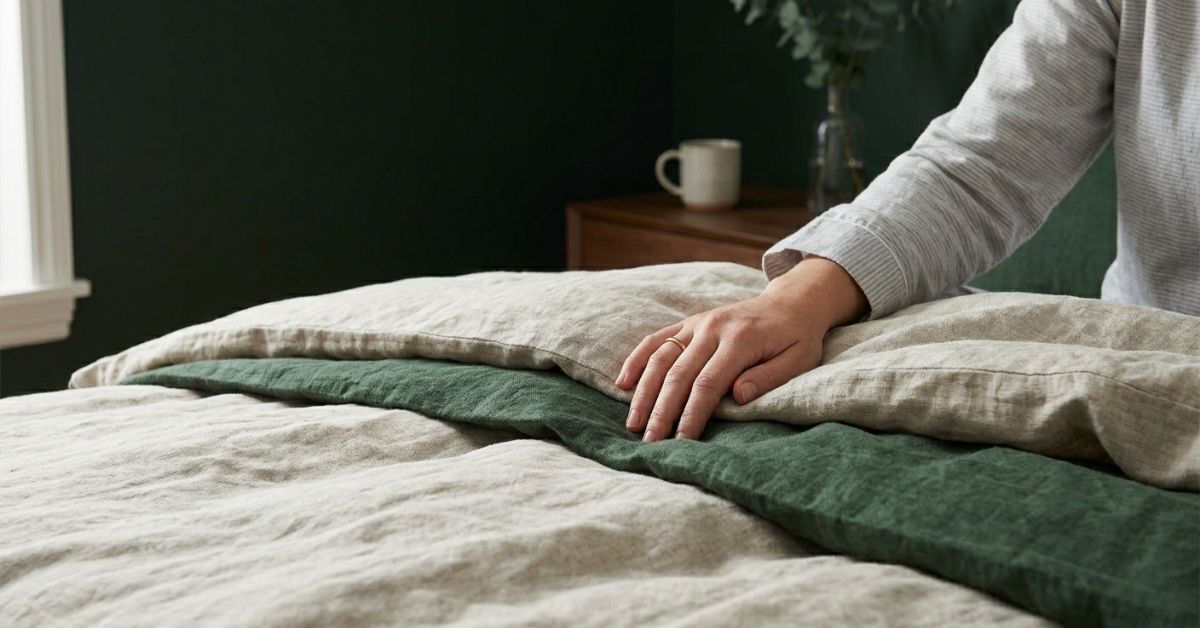
- Alternative Textures: If your skin is extremely reactive, linen bed sheets offer a naturally anti-bacterial option. For thicker mattresses, ensure you use deep pocket sheet sets to prevent the fabric from bunching.
- Consider Your Setup: If you use a modern base, adjustable bed sheets are designed to stay secure, reducing skin-chafing movements.
Resource
- CPSC: Official Formaldehyde Safety Resource
- FTC: Textile and Wool Act Labeling Requirements
- EPA: Safer Choice Standard for Textiles
- USDA: Cotton Fiber Testing and Standardization
Frequently Asked Questions (FAQs):
Can new bed sheets cause a skin rash without washing them?
Yes. New sheets often contain "sizing" agents and formaldehyde to keep them crisp. Always wash new bedding before use to remove these residues.
Can you be allergic to polyester sheets but not cotton?
Yes. Polyester is a synthetic fiber that lacks breathability and often contains "disperse dyes," which are known triggers for textile dermatitis.
Disclaimer: The information in this article is for educational and informational purposes only and is not intended as medical advice.