

Blog
Best Sheets for Allergies and Asthma: Your Guide to a Healthier Sleep
Written by Maryam Riaz (M.Phil.) | Medically Reviewed by Dr. Beenish Gafoor, MBBS
About Maryam Riaz M.Phil
A dedicated researcher and author for OdeSleep who specializes in bridging the gap between complex medical insights and practical, non-medical wellness strategies for our global audience.
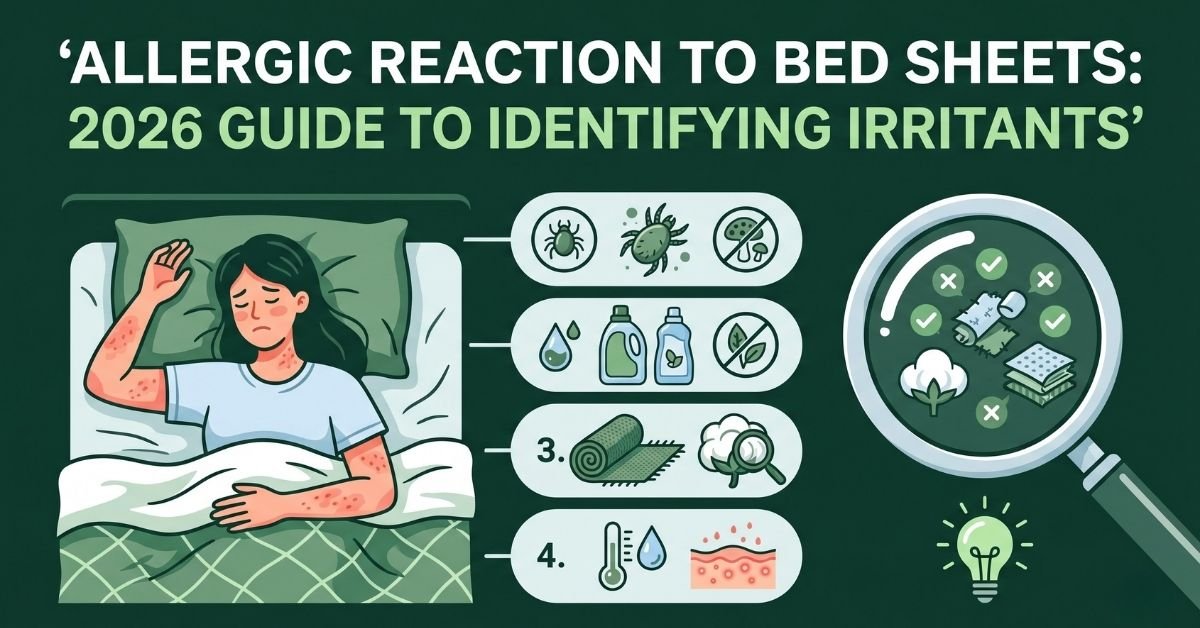
View all posts by Maryam Riaz M.PhilWaking up with a stuffy nose or itchy eyes can make it feel like you never slept at all. For those living with allergies or asthma, the bedroom which should be a sanctuary often becomes a hotspot for triggers like dust mites, pet dander, and mold.
While you can’t control the air outside, you can control your sleep environment. Choosing the right sheets isn't just about comfort; it’s about creating a physical barrier between you and the allergens that disrupt your rest. According to the EPA, controlling indoor triggers like dust mites is a vital step in managing asthma and preventing attacks.
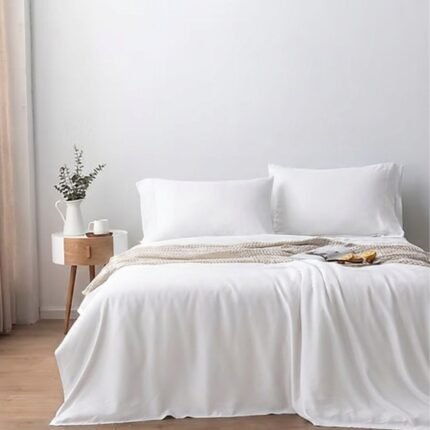
Organic Cotton (Percale Weave)
Cotton is the most popular bedding choice, but for allergy sufferers, the type of cotton and the weave make all the difference.
- Why it works: Conventional cotton is often treated with harsh chemicals and finishes that can "off-gas" volatile organic compounds (VOCs), potentially triggering respiratory distress. Choosing Organic Sheet Sets ensures these irritants are absent.
- The Weave: Opt for a Percale weave. It has a crisp, tight one-over, one-under structure that is highly breathable. The CDC emphasizes that improving ventilation and reducing moisture is key to controlling mold and mite growth.
Bamboo or Eucalyptus (Tencel)
If you tend to sleep hot, these plant-based fabrics are a game-changer. They are naturally more absorbent than cotton and have a silk-like smoothness.
- Why it works: Dust mites thrive in humidity. Oeko Tex certified bamboo sheets are incredible at moisture-wicking, pulling sweat away from your body so the bed stays dry.
- A Clinical Barrier: By keeping the bed dry, you create an inhospitable environment for allergens. This is a primary recommendation by the Mayo Clinic to prevent houses from becoming breeding grounds for mold.
Silk
Silk is more than a luxury; it is one of nature’s most functional fibers for respiratory health.
- Why it works: Silk contains a natural protein called sericin that is inherently resistant to dust mites and fungi. Because silk fibers are extremely long and smooth, there are no tiny gaps where dander can get trapped.
- Skin Relief: This smoothness is a major relief for those who deal with skin sensitivity or eczema alongside their asthma.
Technical Specs for Allergen Protection
Before you buy, check the "fine print" to ensure the sheets act as a functional shield:
- Pore Size: For true protection, look for a pore size of 10 microns or less. This is small enough to stop dust mites and their waste from passing through.
- Thread Count: Don't be fooled by 1,000+ thread count marketing. For allergies, the "sweet spot" is 200 to 400. This ensures the weave is tight enough to be a barrier but breathable enough to stay dry.
- Certification: Look for the Asthma & Allergy Friendly® Certification or OEKO-TEX labels, which guarantee the fabric has been tested for harmful chemicals and allergen permeability.
The "Clean Sleep" Maintenance Routine
Even the best Organic cotton bed sheet sets won't help if they aren't cleaned correctly.
- The 60°C Rule: Wash your sheets at least once a week in water that is 130° F (54°C) to 140°F (60°C). The National Institutes of Health (NIH) notes that while lower temperatures may wash away allergens, only hot water kills the mites themselves.
- Dry Indoors: Avoid hanging sheets on a line during high-pollen seasons. They act like a giant net for outdoor allergens.
- Fabric Care: For delicate items, always follow specific Bamboo sheets washing instructions to preserve their antibacterial properties. Avoid scents and softeners, which are common asthma triggers.
Sources:
Frequently Asked Questions (FAQs):
What is the best material for sheets for asthma?
Tightly woven 100% organic cotton or bamboo. They are breathable and withstand the frequent hot washing required to eliminate triggers. To compare, see our guide on Linen vs cotton vs bamboo sheets.
How often should asthmatics wash their sheets?
At least once a week in hot water. Failing to do so is one of the 5 common mistakes that ruin luxury sheets and your health.
Does cold water kill dust mites?Â
No. As noted by Allergy Standards Ltd, water must reach 130° F (54°C) to 140°F (60°C) to kill the mites and eradicate the allergen source.
Â
Disclaimer: The information in this article is for educational and informational purposes only and is not intended as medical advice.