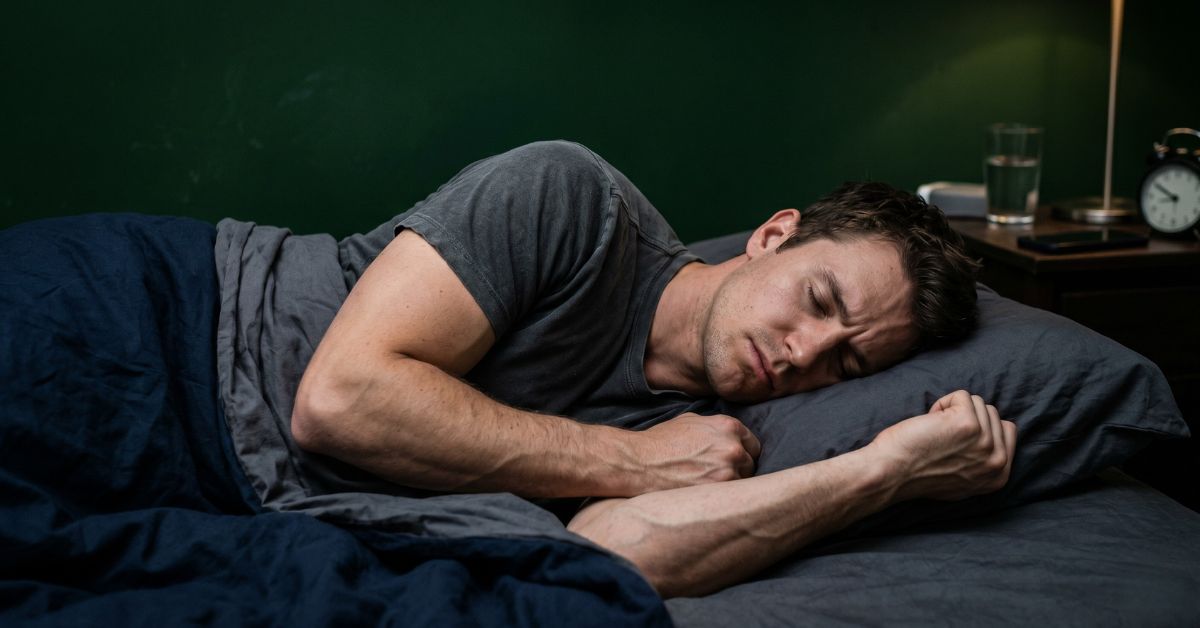
Have you ever woken up feeling as if you spent the night lifting weights rather than resting? Your shoulders are locked, your jaw is clenched, your lower back aches and you did not even move out of bed. It is one of the most frustrating experiences a tired body can have, and it is far more common than most people realize.
Understanding exactly why your muscles tense during sleep and what you can do about it tonight requires looking at the biology of stress, the stages of sleep, and the small environmental factors that quietly sabotage your recovery every night.
What Is Muscle Stress, and Why Does It Follow You to Bed?
Muscle stress is the physiological response of muscle tissue to physical overload, sustained psychological anxiety, or prolonged poor posture. When your brain perceives a threat whether a looming work deadline or an unsupportive pillow it signals the autonomic nervous system to keep muscle fibers in a state of partial contraction.
What does muscle tension actually feel like when it accumulates overnight?
- Persistent aching or throbbing in the neck, shoulders, or jaw
- Myofascial trigger points (hard, tender knots) that resist morning stretching
- Restricted range of motion — stiffness when turning your head or bending forward
- Deep, heavy limb fatigue — as if your muscles never truly stopped working
Can tension cause muscle pain? Yes. Chronic contraction restricts blood flow, depriving tissues of oxygen while allowing lactic acid and metabolic waste to accumulate. This activates nociceptors (pain receptors), leaving you hurting before your feet hit the floor.
If your mind races as much as your muscles tense up, visit our guide on how to turn your brain off to sleep for practical techniques that quiet the nervous system before bed.
The Protective Tension Mechanism: When Your Body Guards You While You Sleep
Not all nighttime tightness is a dysfunction. Your central nervous system uses a mechanism called protective tension (or muscle guarding) — an involuntary contraction that locks down muscles surrounding an injured, unstable, or poorly supported joint.
If your mattress sags in the middle, or your pillow forces your neck into forward flexion, your nervous system will tighten surrounding muscles to prevent structural injury. This is survival logic — but the price you pay is waking up stiff and sore.
Sleeping mattress parameters significantly influence sleeping comfort and health, as reflected by the extensive investigations of sleeping support biomechanics to prevent sleep-related musculoskeletal problems.
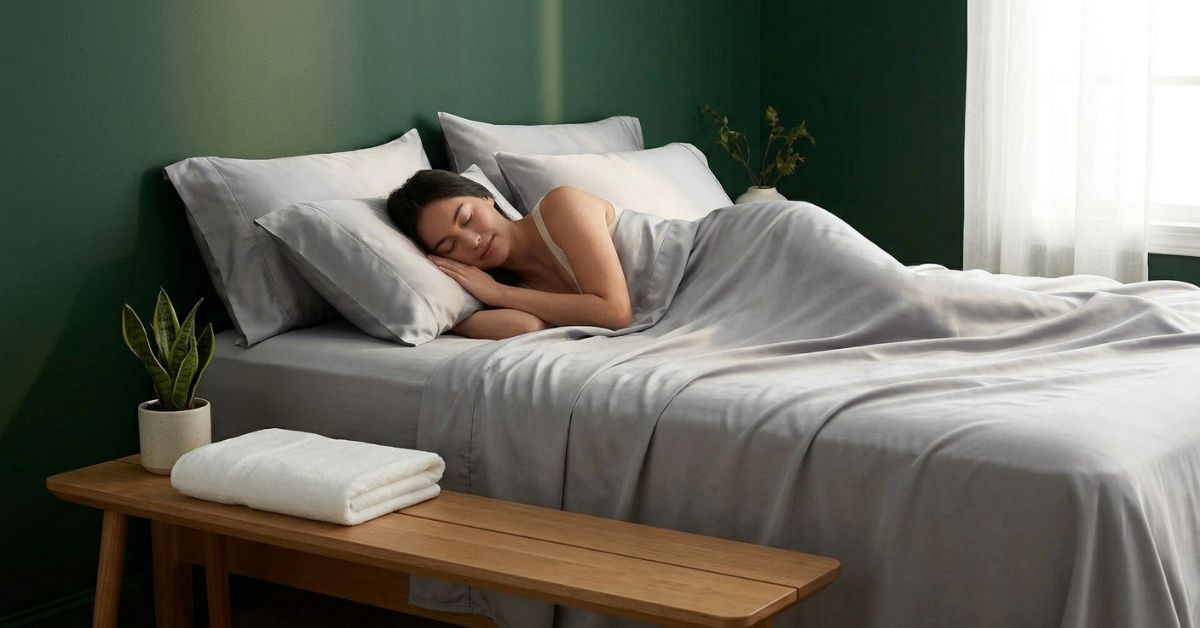
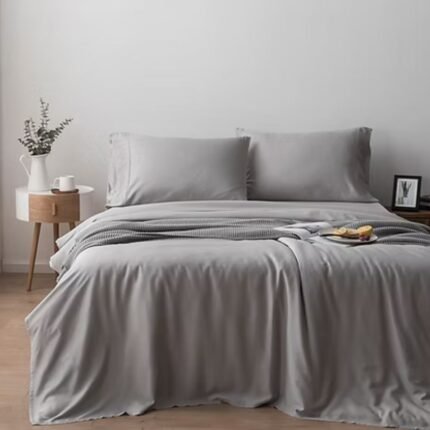
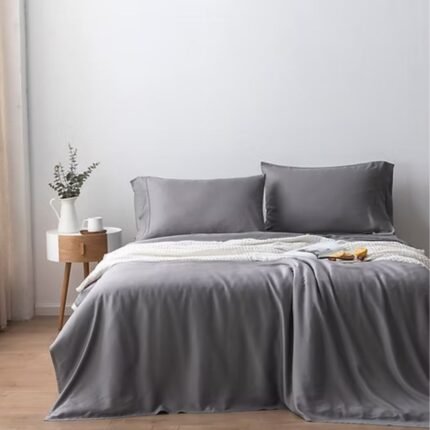
The practical takeaway: your sleep surface communicates with your nervous system all night long. Breathable, body-contouring bedding like Oeko-Tex certified bamboo sheets or organic sheet sets reduces friction and heat build-up that encourages restless repositioning and muscle activation.
The Stress-Cortisol-Muscle Connection
Psychological stress is the most underestimated driver of nighttime muscle tension. When you carry the anxiety of the day into bed, your nervous system stays in a sympathetic (fight-or-flight) state, flooding the body with cortisol, the primary stress hormone.
A 15-day longitudinal study published in the journal Sleep found that higher pre-sleep cortisol predicted significantly shorter total sleep time and lower sleep efficiency. Cortisol naturally dips near midnight — but elevated stress prevents this drop, keeping the body wound up during the exact hours it needs to repair.
Beyond immediate tension, chronically elevated cortisol raises a longer-term concern: does stress cause muscle loss? Yes. Cortisol is catabolic; it breaks down muscle protein for rapid energy. When stress remains persistently high, it inhibits protein synthesis and actively promotes muscle degradation. For anyone maintaining lean mass or recovering from training, unchecked stress literally dismantles your gains while you sleep.
Extreme anxiety around sleep itself — called somniphobia — can intensify this cortisol loop dramatically. If dread of a sleepless night is part of your experience, our resource on fear of sleeplessness and somniphobia walks through evidence-based strategies for breaking this cycle.
Sleep Duration, Growth Hormone, and Muscle Recovery
One of the most common questions from busy adults is: is 6 hours of sleep enough to build muscle? From a physiological standpoint, the answer is no for most people.
The CDC recommends adults get at least 7 hours of sleep per night for optimal health and well-being. Sleeping fewer than 7 hours is associated with higher risks of obesity, heart disease, high blood pressure, diabetes, and impaired mental performance.
The reason sleep duration matters so directly to muscle recovery is Non-REM Stage 3 (deep sleep / slow-wave sleep). This is when the body releases the majority of its human growth hormone (HGH) and initiates cellular repair. Cutting sleep to 6 hours compresses this window significantly, leaving muscles partially repaired and far more prone to lingering tension.
If you are curious how severe this can get, our breakdown of whether 4 hours of sleep is enough examines the real physiological toll of severe sleep restriction.
Common Causes of Nighttime Muscle Tension
The table below summarizes the main causes, how they trigger tension, and what tends to help most.
| Cause |
How It Triggers Tension |
What Helps |
| Psychological stress / anxiety |
Keeps nervous system in fight-or-flight; elevates cortisol |
Progressive muscle relaxation, diaphragmatic breathing, consistent bedtime routine |
| Poor sleep ergonomics |
Triggers protective tension to guard unsupported joints |
Neutral-spine mattress, supportive pillow, body-contouring sheets |
| Magnesium deficiency |
Impairs nerve-muscle signaling; lowers threshold for cramps |
Dietary magnesium (leafy greens, nuts), possible supplementation (consult doctor) |
| Bruxism / jaw clenching |
Sustained masseter contraction throughout the night |
Night guard, stress management, physical therapy |
| Sleep deprivation |
Reduces deep sleep; impairs HGH release and tissue repair |
Prioritize 7–9 hours; maintain consistent sleep-wake schedule |
| Overtraining / muscle overuse |
Accumulated micro-damage without adequate recovery |
Scheduled rest days; post-workout stretching; adequate protein intake |
| Dehydration |
Electrolyte imbalance disrupts muscle contraction/relaxation |
Adequate fluid and electrolyte intake throughout the day |
The Magnesium Factor
Magnesium is essential for proper nerve-to-muscle signaling. According to MedlinePlus (National Institutes of Health), a deficiency can manifest as muscle contractions, cramps, fatigue, and weakness — exactly what people describe when they wake up feeling as though they never relaxed overnight. Foods rich in magnesium include dark leafy greens, pumpkin seeds, legumes, almonds, and dark chocolate. If you suspect a deficiency, speak with your healthcare provider before supplementing.
Addressing a Specific Issue: The Overactive Cremaster Muscle
While general tension most commonly affects the back, neck, and shoulders, stress can also impact the cremaster muscle — the thin layer of muscle fibers that regulates testicular position in men. Stress, cold temperatures, or pelvic floor hypertonicity can cause it to spasm. Three approaches that help:
- Targeted warmth: A warm bath or heating pad applied to the lower abdomen soothes overactive fibers almost immediately.
- Diaphragmatic breathing: Deep belly breaths naturally drop and relax the entire pelvic floor, which shares neural pathways with the cremasteric reflex.
- Gentle mobility work: Restorative yoga poses such as Happy Baby or a wide-legged Child's Pose decompress the pelvic structure and lower the nervous system's alert level.
Your Blueprint for a Tension-Free Night
Breaking the cycle of nighttime muscle tension requires proactively down-regulating your nervous system before sleep — not just hoping your body figures it out on its own.
1. Build a 30-Minute Decompression Routine
Dedicate the final half-hour before bed to gentle mobility work — a seated forward fold, Child's Pose, or a supported reclined twist. These release accumulated spinal tension without stimulating the nervous system. Our guide on whether stretching before bed helps you sleep covers the evidence-backed poses most effective for this purpose.
2. Practice Progressive Muscle Relaxation (PMR)
Once in bed, systematically tense each muscle group for 5 seconds, then consciously release it — working from your toes to your jaw. The National Center for Complementary and Integrative Health (NCCIH) identifies PMR as clinically promising for reducing anxiety, improving sleep quality, and reducing pain. A 2018 study of 58 people with chronic low-back pain found PMR helped with pain, anxiety, depression, and sleep quality.
3. Optimize Your Sleep Ergonomics
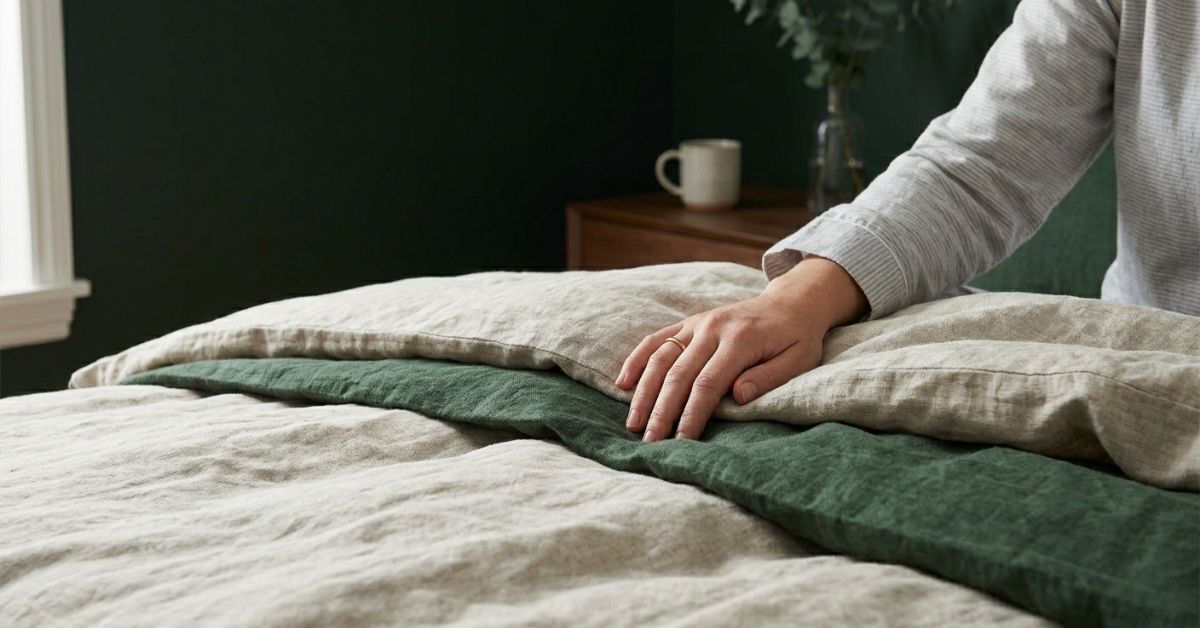
Your mattress and pillow should keep your spine in a neutral position throughout the night. Research published in the NIH's PMC database confirms that spinal alignment during sleep is significantly influenced by the stiffness and design of the sleep surface, directly affecting how much protective muscle guarding is triggered. Consider bedding that moves with your body rather than against it:
4. Protect 7–9 Hours of Sleep
According to the CDC's NIOSH Sleep Science Bulletin, most healthy adults need 7 or more hours of good-quality, uninterrupted sleep for their bodies to complete the full sequence of tissue repair, especially the deep-sleep phases where HGH is released. Think of adequate sleep not as a luxury but as a non-negotiable component of physical maintenance.
If you cannot get the full duration you need, our article on how to sleep 8 hours in 4 hours explores sleep efficiency strategies — though these are optimization tactics, not a substitute for adequate duration.
5. Address Pre-Sleep Stress Directly
The NCCIH's research on stress highlights mindfulness meditation and PMR as evidence-supported approaches for reducing perceived stress and improving sleep. The CDC also recommends maintaining a consistent sleep schedule, limiting bright light exposure in the evenings, and keeping your bedroom cool and quiet as foundational behaviors for better sleep quality.
Sources