Building the perfect bed often feels like a balancing act between style and comfort. As you scroll through endless bedding options, the terminology can get tangled fast. The question that trips up most shoppers — is a duvet and a comforter the same thing? — has a clear answer: no. While they look similar in a photo, they function quite differently in real life, from how they are washed to how they feel night after night.
This guide cuts through the confusion with research-backed detail, so you can build a sleep environment that works for your household — and your laundry routine.
What Is a Comforter?
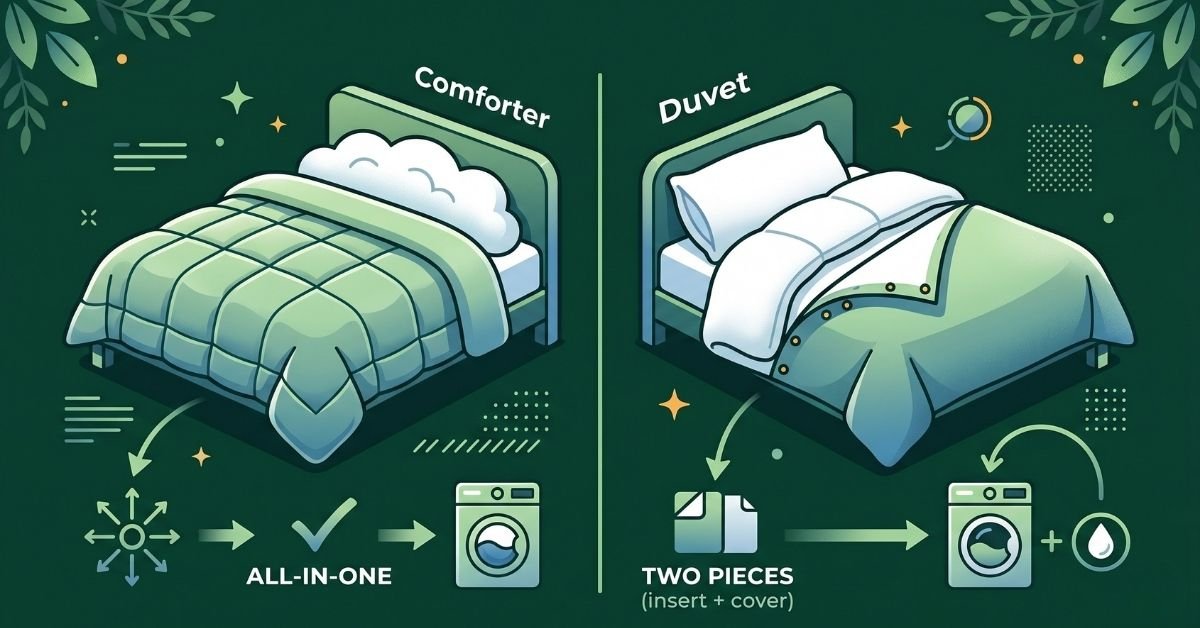
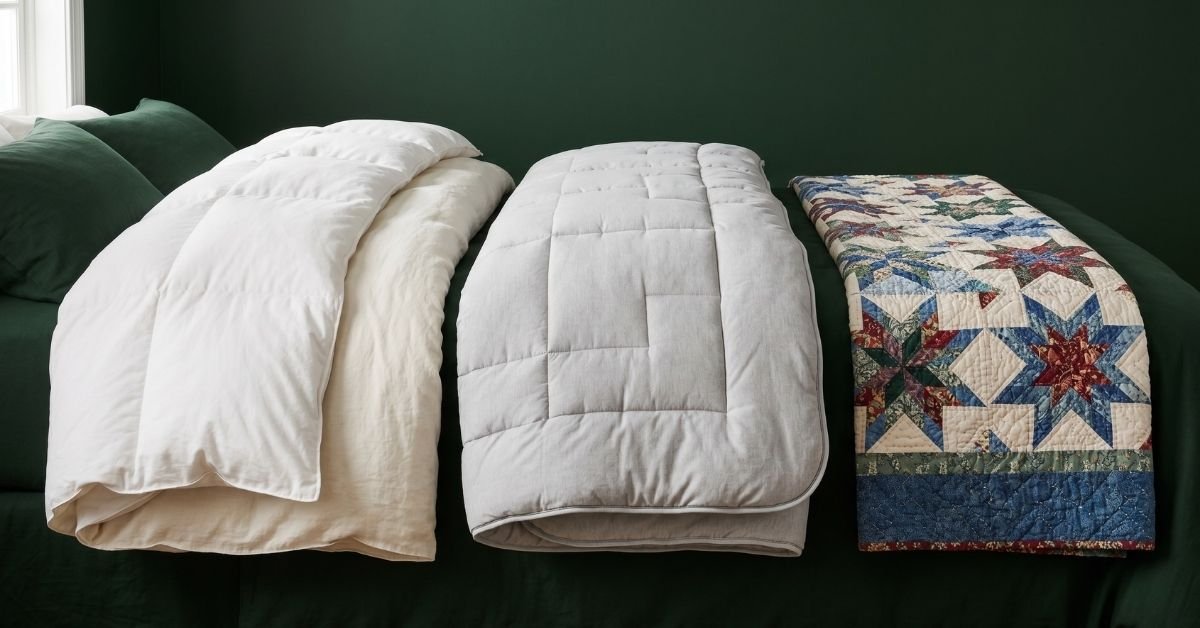
A comforter is an all-in-one quilted topper made of two layers of decorative fabric stitched together with an insulating fill — such as down, cotton, polyester, or wool — permanently sealed inside. Think of it as a sandwich: decorative shell on the outside, warmth layer inside, all in one piece.
Comforters are designed to be grab-and-go bedding. They are typically oversized to hang over the sides of the mattress, and they often come in bed-in-a-bag sets that include matching pillow shams, a bed skirt, and occasionally Euro shams. Because the outer fabric is already decorative, no additional cover is needed for the bed to look finished.
Key comforter characteristics:
- Permanent fill: The insulation is sewn in and cannot be removed.
- Ready to use: No assembly required — just unfold onto the bed.
- Machine washing challenge: The entire bulky unit requires a large-capacity washer, often found at a laundromat.
- Coordinated sets: Frequently sold with matching accessories for a complete bedroom look.
Quick Tip When shopping, you may see the phrase "duvet comforter" used loosely. This typically refers to the duvet insert — the fill-only unit that goes inside a duvet cover. Always confirm which piece you're purchasing before checkout. |
What Is a Duvet?
The word duvet comes from the French word for "down" and the bedding system originated in rural Europe, where heavy, lofted down-filled covers were folded at the foot of the bed each morning. Today, the term refers to a specific two-piece system: a duvet insert and a duvet cover.
The insert is typically plain white and resembles a large, flat pillow. This insert slides inside the duvet cover, which is the decorative outer shell. The cover protects the insert from body oils and dust and is removed for regular washing.
Key duvet characteristics:
- Two-piece design: Insert plus cover, sold separately or together.
- Washable cover: The cover fits in any standard home washing machine.
- Endless style options: Swap covers to change the room's entire look without replacing the insert.
- Corner ties: Covers have interior ties to keep the insert centered and prevent bunching.
Comforter vs. Duvet: Full Comparison
Use this table to compare every major factor side by side:
Feature | Comforter | Duvet (Insert + Cover) |
|---|
Construction | Single quilted unit; fill is sewn between two fabric layers permanently | Two-piece system: a plain insert inside a removable fabric cover |
Ease of Use | Grab-and-go; bed is ready in seconds | Requires inserting the insert and securing ties/buttons — takes a minute |
Washing | Needs a large-capacity washer (commercial laundromat often required) | Cover washes in any standard home machine; insert washed a few times yearly |
Style Flexibility | Fixed pattern; typically part of a coordinated set | Unlimited variety; just swap the cover seasonally or to match a new décor |
Hypoallergenic Upkeep | Harder to launder frequently; allergens can accumulate | Cover washed weekly keeps allergens low; easier to maintain |
Size | Oversized; designed to drape over mattress sides | Sized closer to the mattress top; relies on cover for aesthetics |
Cost Over Time | Lower upfront; full replacement needed for style change | Higher upfront; save money long-term by only replacing cover |
Best For | Minimalists, guest rooms, quick bedding sets | Families with pets/kids, style switchers, allergy sufferers |
Choosing the Right Fill: What's Inside Matters
Whether you choose a comforter or a duvet, the fill material determines warmth, breathability, and maintenance. Here is a breakdown of the most common fills sold in the U.S. market:
Fill Material | Warmth Level | Best For | Hypoallergenic? |
|---|
Hungarian/Polish Down | High | Cold climates, luxury feel | No (unless treated) |
Down Alternative (Polyester) | Medium | Budget buyers, allergy sufferers | Yes |
Cotton | Light–Medium | Warm climates, sensitive skin | Yes |
Wool | Medium–High | Temperature regulation, year-round | Largely yes |
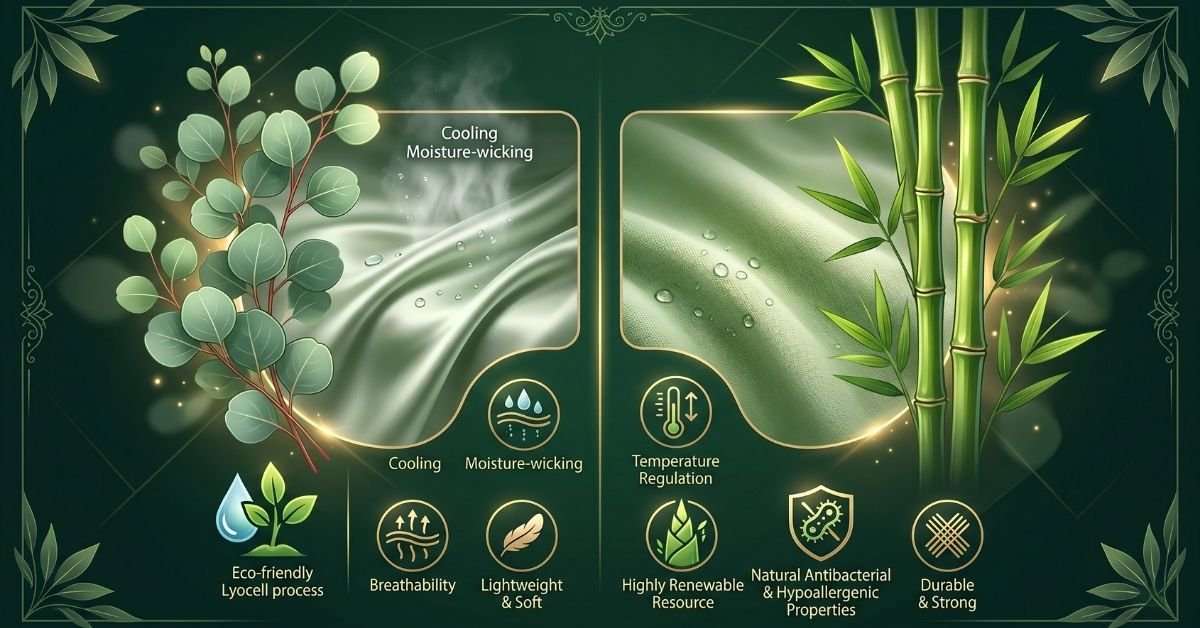
Eucalyptus (Lyocell/Tencel) | Light–Medium | Hot sleepers, moisture-wicking | Yes |
Silk | Light | Luxury, naturally hypoallergenic | Yes |
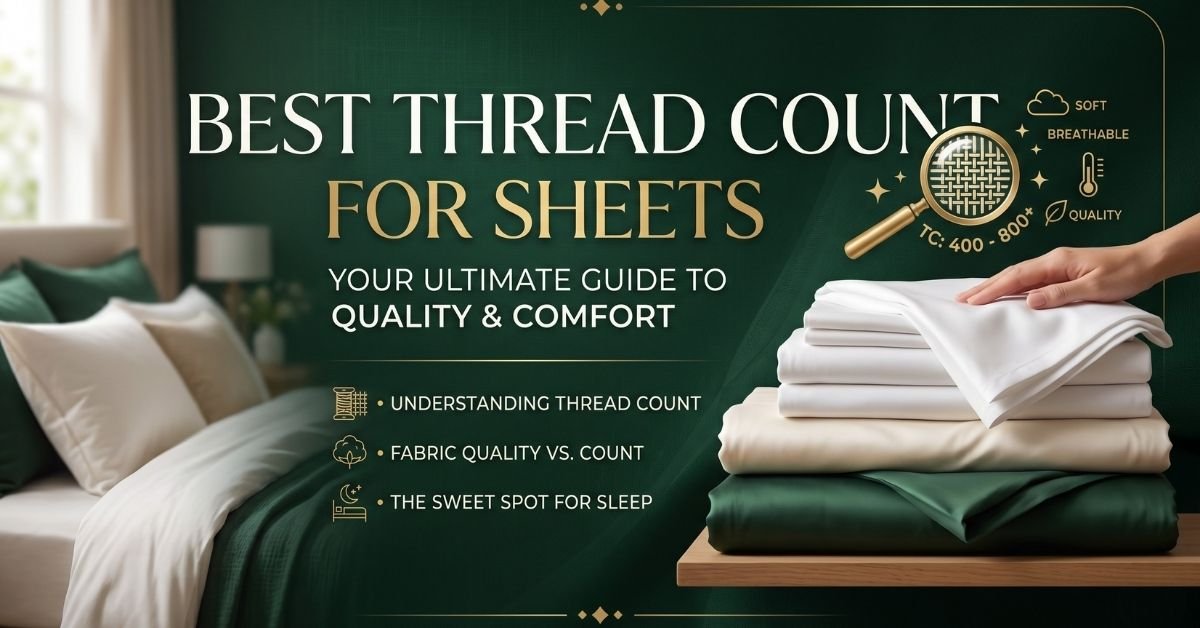
The fill power of a down or down-alternative product also matters. Fill power (measured in cubic inches per ounce) indicates loft, not warmth: a higher fill-power down can achieve the same insulation with less weight. A fill power of 600 or higher is considered premium. For a related guide on the fabrics that wrap around your bedding, see our article on what is the best thread count for sheets — because the right sheet pairs directly with the duvet or comforter you choose.
Difference Between a Blanket and a Comforter
If you prefer a lighter feel, you might reach for a blanket — but do not expect the same warmth. The critical difference lies in loft and construction.
A blanket is a single layer of woven or knitted material — think wool, fleece, or cotton. A comforter, by contrast, is a multi-layer sandwich designed to trap air and body heat. Research published on the National Institutes of Health's database shows that bedding creates a microclimate around the sleeper, and that thinner duvets or blankets require a narrower, more precise bedroom temperature to maintain comfort, while loftier bedding provides a wider comfortable temperature range.
In practical terms: in a drafty U.S. home during winter, a blanket works as a secondary layer, while a comforter or duvet serves as your primary heat source.
Duvet Cover vs. Comforter Cover: Not the Same Thing
These two terms are sometimes confused, but they serve very different roles:
Duvet covers are functional accessories designed to be used routinely. They feature buttons, zippers, or snap closures plus interior corner ties to keep the insert locked in place. They are washed regularly — ideally weekly, according to sleep hygiene best practices — and are the primary style element of a duvet system.
Comforter covers (sometimes called duvet covers used on comforters) are much rarer and primarily serve as protectors. Because a comforter is already thick and decorative, adding a cover can make the bed feel excessively heavy and cause the outer fabric to bunch awkwardly. Most decorators and bedding specialists do not recommend this combination.
What the Research Says: Bedding and Sleep Quality
The quality of your sleep environment — including your bedding — has a documented impact on sleep outcomes. The National Heart, Lung, and Blood Institute (NHLBI) recommends eliminating anything in the bedroom that creates discomfort, including bedding that causes overheating.
Research indexed on the National Institutes of Health (NIH) database confirms that humans use bedding to form warm microclimates that activate the hypothalamic sleep-induction mechanisms. In other words, your bedding choice directly affects how quickly you fall asleep and how deeply you sleep throughout the night.
A study available through the NIH National Library of Medicine found that sleep efficiency drops by 5–10% when bedroom temperatures rise above the optimal range — and that heavier, loftier bedding provides a wider comfort zone for temperature regulation. This supports choosing a fill weight appropriate for your climate and typical bedroom temperature.
Separately, the CDC's Division of Sleep Health highlights that a consistent, comfortable sleep environment is foundational to adult health, linking poor sleep to cardiovascular risk, mental health challenges, and reduced immune function.
Allergens, Dust Mites, and Bedding Hygiene
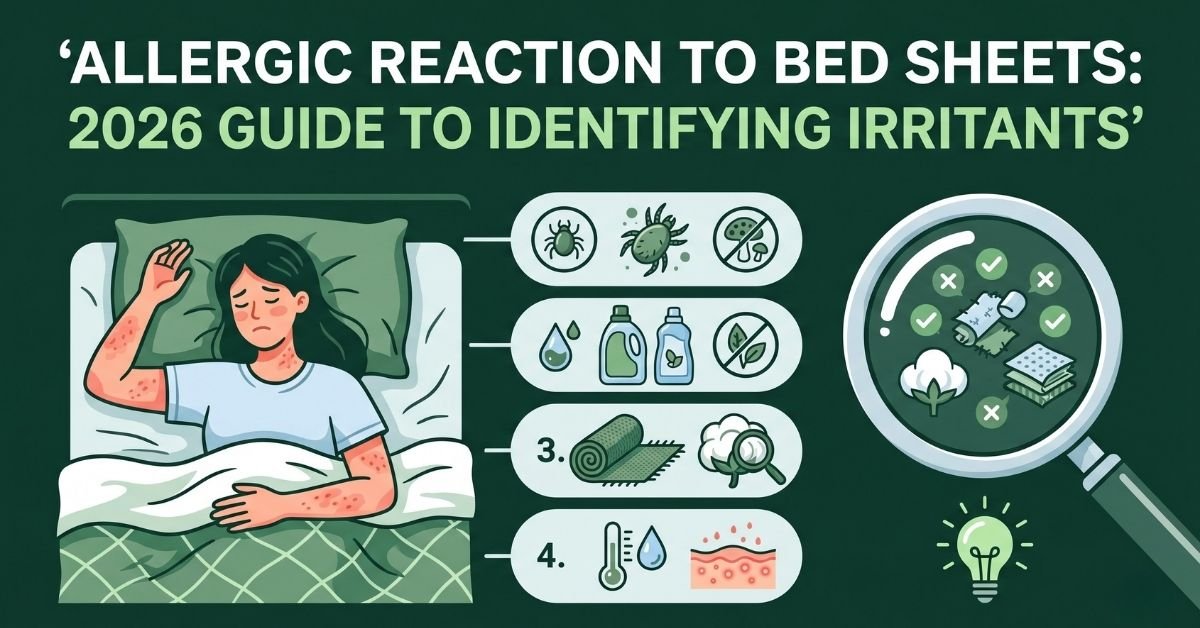
If you or someone in your household has allergies or asthma, your bedding choice can be a meaningful health decision. Dust mites are microscopic arthropods that thrive in warm, humid environments — including bedding. The NIH identifies regular laundering of bedding as one of the primary strategies for reducing dust mite populations.
From a practical standpoint, duvet covers win clearly on hypoallergenic upkeep: because they slide off easily, they can be washed at least weekly in hot water (130°F / 54°C kills dust mites), while a full comforter typically needs a commercial washer and takes longer to dry completely — creating a risk of mildew if not dried thoroughly.
For maximum allergen control, choose a down-alternative or eucalyptus insert (both naturally less hospitable to dust mites) and launder your duvet cover every 7–10 days.
A Critical Note: Bedding Safety for Infants
Important Safety Notice (for Parents & Caregivers) Government agencies advise that ALL soft bedding — including comforters, quilts, blankets, and duvets — be kept out of the sleep space of infants under 12 months. This is a leading risk factor for sleep-related infant deaths. |
If you are purchasing bedding for a nursery or infant sleep space, please read the following guidance before proceeding with any product selection:
How to Read Bedding Labels: Your Rights as a Consumer
U.S. federal law protects consumers from deceptive bedding claims. Under the Textile Fiber Products Identification Act, enforced by the Federal Trade Commission (FTC), every comforter and duvet sold in the United States must carry a label disclosing:
- The generic names of all fibers present at 5% or more by weight (e.g., "100% cotton" or "90% down, 10% feather")
- The percentage by weight of each fiber
- The country of origin and manufacturer or responsible marketer
This matters when comparing a "down" comforter to a "down alternative" one. If a label says merely "polyester fill" but the product is marketed as down-like softness, the FTC label is your verification tool. For care instructions, the FTC's Care Labeling Rule also requires that bedding carry washing and drying guidance, which is particularly important for comforters that may only be safely dry-cleaned.
Our Recommendation: Which Should You Choose?
If you are still on the fence, this table matches your living situation to the right bedding choice:
Your Situation | Best Choice | Why |
|---|
You want quick bed-making | Comforter | One piece, no assembly required |
You have pets or young children | Duvet | Cover launders easily in any washer |
You redecorate seasonally | Duvet | Swap covers without buying new fill |
You suffer from allergies | Duvet | Weekly cover washing keeps allergen levels low |
You sleep hot | Duvet with eucalyptus/lyocell insert | Natural fibers wick moisture better |
Guest room or spare bedroom | Comforter set | All-in-one sets are cost-effective and convenient |
You want a minimalist, hotel look | Duvet | Clean, tailored finish with custom covers |
You're on a tight budget | Comforter | Lower initial cost; many all-in-one sets available |
The bottom line: if laundry frequency is your priority — especially if you have pets, children, or allergies — the duvet system is the smarter long-term investment. If you want instant bedding with no assembly, the comforter is your fastest path to a made bed.
Whichever you choose, pair it with the right sheets. Check our guide on what is the best thread count for sheets to ensure your full bedding stack works together for the best night's sleep.
Sources & Government References
The following U.S. government and authoritative sources informed this article:
- CDC — Sleep Health Overview | Centers for Disease Control and Prevention
- CDC — Helping Babies Sleep Safely | Centers for Disease Control and Prevention
- NIH NHLBI — Your Guide to Healthy Sleep (PDF) | National Heart, Lung, and Blood Institute
- NIH PMC — The Temperature Dependence of Sleep | National Library of Medicine
- NIH PMC — Nighttime Bedroom Temperature and Sleep Quality in Older Adults | National Library of Medicine
- CPSC — Safe Sleep for Cribs and Infant Products | U.S. Consumer Product Safety Commission
- NICHD — Safe to Sleep® Campaign | National Institute of Child Health and Human Development
- FTC — Textile Fiber Products Identification Act | Federal Trade Commission
- FTC — Textile Fiber Rule | Federal Trade Commission
- FTC — Care Labeling Rule | Federal Trade Commission