If you have ever climbed into bed looking forward to rest, only to find yourself tossing, turning, and scratching within minutes, you are not alone. That restless, crawling sensation can turn your bedroom into a source of stress rather than recovery.
Understanding why you feel itchy in bed is the first step toward fixing it. Several factors play a role from laundry detergents to underlying skin conditions but your choice of bedding is often both a primary culprit and your most powerful solution. This guide draws on clinical research, dermatology guidelines, and official health authority guidance to help you find the best sheets for sensitive skin and stop the itch for good.
Why Do I Feel Itchy in My Bed?
Before swapping your linens, it helps to understand where the irritation is coming from.
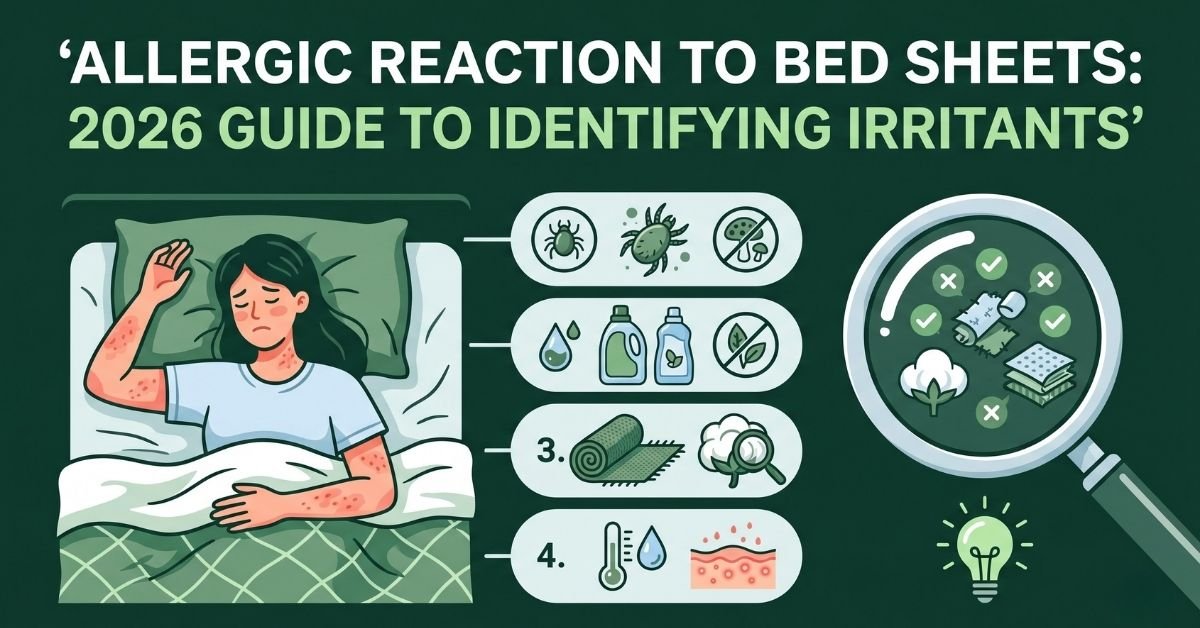
Can dirty sheets make you itchy? The answer is a clear yes. Over time, sheets accumulate dead skin cells, body oils, and sweat. This creates an ideal environment for house dust mites — microscopic creatures that feed on shed skin cells and thrive in warm, humid bedding. Their waste particles are one of the most powerful biological allergens known, and a leading trigger for eczema, dermatitis, and nighttime itching. Research published via the U.S. National Institutes of Health (NIH/PubMed) confirms that patients with atopic dermatitis have significantly higher concentrations of dust mites on their skin and bedding than healthy individuals.
The U.S. Environmental Protection Agency (EPA) identifies dust mites as one of the most significant indoor biological allergens, noting they thrive particularly in soft bedding and warm, humid environments.
However, if your sheets are freshly washed and you are still scratching, the problem is likely the fabric itself. Itchy bed sheets are usually the result of low-quality fibers, synthetic materials that trap heat and moisture, or chemical finishes applied during manufacturing.
What Sheets Are Best for Skin?
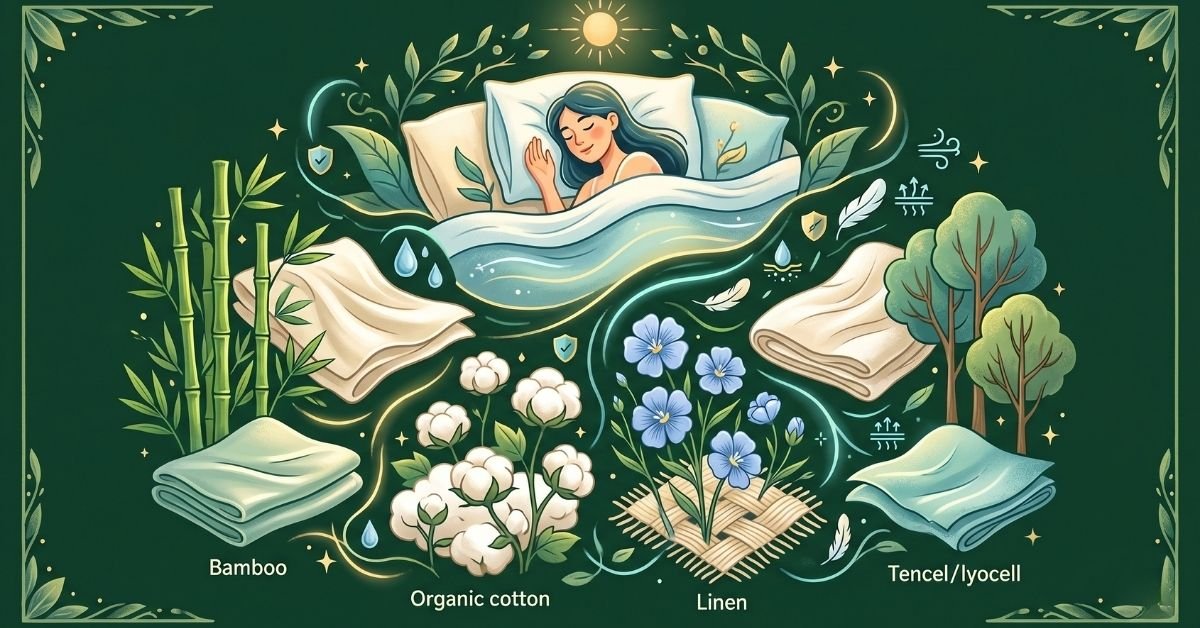
Dermatologists and sleep researchers generally agree on three core properties that the best sheets for sensitive skin should have: breathability, moisture-wicking ability, and surface smoothness. Here is how the leading fabrics measure up.
1. 100% Organic Cotton (Sateen Weave)
Cotton is the gold standard for sensitive skin for good reason. It is naturally hypoallergenic, breathable, and widely available with reliable certifications. For people with itchy or reactive skin, a sateen weave is often preferable to a percale weave. Sateen has a silkier, smoother surface that reduces friction against the skin throughout the night. Percale, while crisp and cool, has a slightly rougher texture that some sensitive individuals find stimulating.
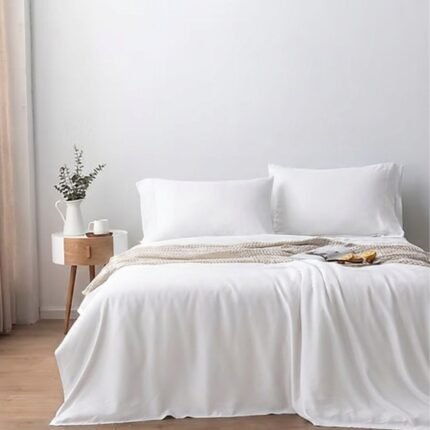
When buying cotton sheets, look for long-staple varieties (such as Egyptian or Pima cotton), as shorter fibers tend to pill over time. Pilling creates tiny rough bumps on the fabric surface — a subtle but real source of nighttime irritation. Our Purely Organic Sheet Set is made from certified organic long-staple cotton and is a practical starting point for anyone managing sensitive skin.
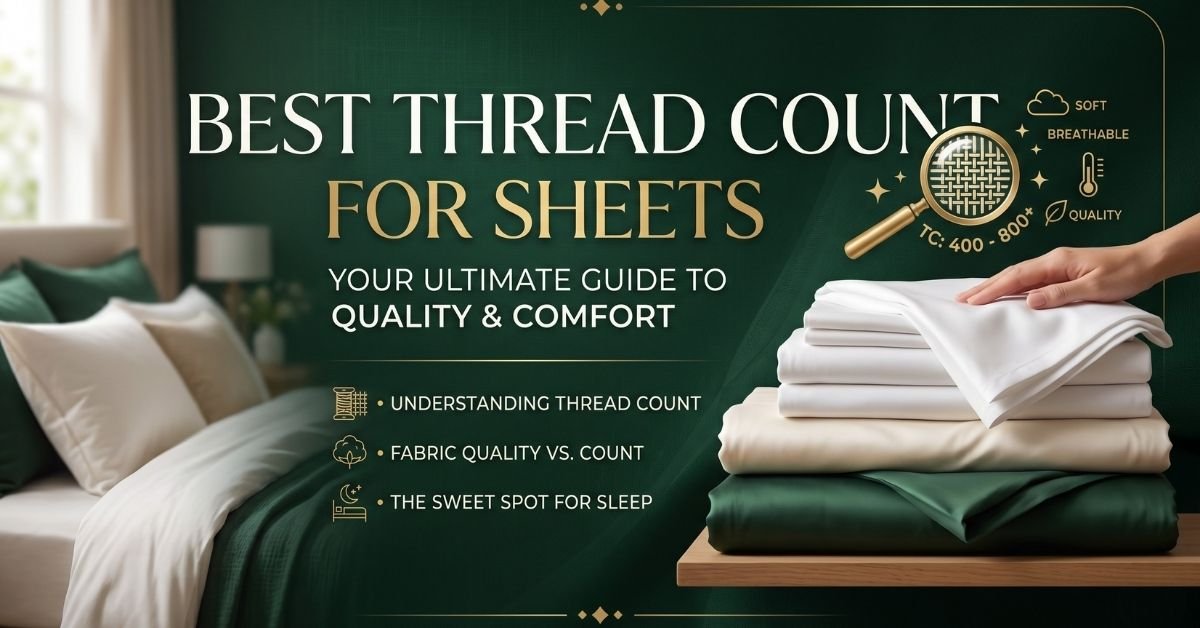
To understand how thread count affects sheet quality and feel for sensitive skin, it is worth reading beyond the marketing numbers higher is not always better.
2. Bamboo (Viscose/Lyocell)
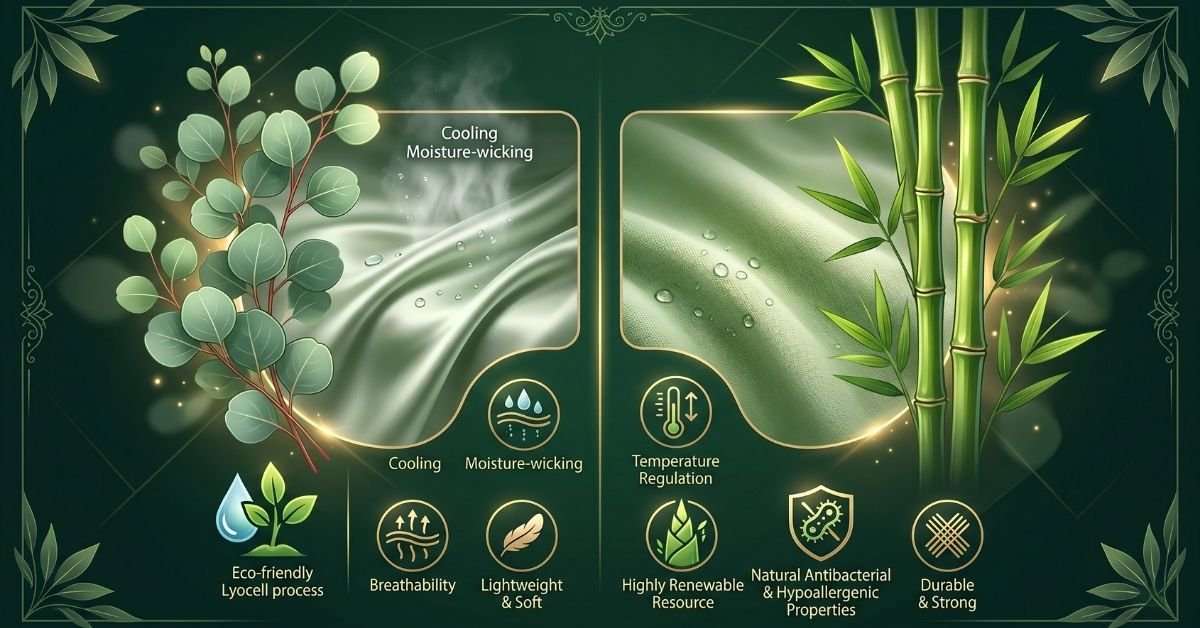
Bamboo-derived fabrics have become one of the most recommended options for people with sensitive skin, and for valid reasons. Their fibers are naturally round and smooth, which means they do not poke or scratch the skin the way coarser fibers can. Bamboo is also naturally antimicrobial and exceptionally effective at wicking moisture away from the body, which prevents the sweat-induced itching that often accompanies night sweats or overheating.
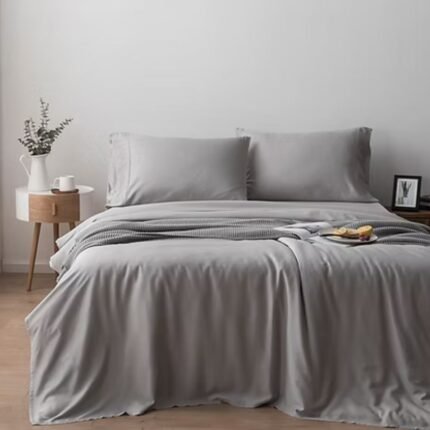
Because heat is a well-established trigger for the itch-scratch cycle, the temperature-regulating properties of bamboo make a meaningful difference. Our OEKO-TEX Certified Bamboo Sheets carry the OEKO-TEX Standard 100 certification — meaning every component of the fabric has been tested for harmful substances and confirmed safe for skin contact, including for babies.
If you are also managing allergies or asthma alongside skin sensitivity, our full guide on the best sheets for allergies and asthma covers the overlap in detail.
3. Silk
Silk is arguably the softest sheet material available for sensitive skin. As a protein-based fiber, it is structurally similar to human skin, which makes it exceptionally unlikely to trigger an allergic reaction or physical friction-based irritation. A study indexed by the NIH's National Library of Medicine (PubMed) found that patients with mild to moderate atopic dermatitis who slept on silk-like bedding showed measurable improvements in eczema severity scores over eight weeks.
The main drawback of silk is cost and care requirements. It also offers less moisture-wicking performance than bamboo, which may be a factor for those who sleep hot.
4. Tencel (Lyocell)
Tencel is a branded form of lyocell, a fiber derived from wood pulp using a closed-loop manufacturing process. It shares many of the properties of bamboo smooth, soft, breathable, and moisture-managing and is often recommended as an eco-conscious alternative. It has a slightly silkier hand feel than standard cotton and tends to hold its smoothness well through repeated washing.
Are Linen Sheets Itchy?
Linen is a polarizing fabric, and the question of whether linen sheets are itchy has a nuanced answer.
Raw or lower-quality linen is made from thick flax fibers that can feel abrasive, particularly on freshly irritated or broken skin. High-quality linen that has been stone-washed or pre-washed softens considerably with each wash and becomes genuinely comfortable over time. Linen is exceptional for breathability and durability, and it excels in hot climates where airflow is the priority.
That said, if you have reactive, eczema-prone, or broken skin, the texture of linen, even well-washed linen may be too stimulating compared to the smooth surface of bamboo or silk. For most people with itchy but otherwise intact skin, high-quality linen becomes a viable option. For active eczema flares, it is generally not the first choice.
Learn more in detail about Linen vs cotton vs bamboo sheets
What Sheets Do Dermatologists Recommend?
When treating patients with eczema, psoriasis, or contact dermatitis, dermatologists consistently point to a few key criteria rather than a single brand or fabric.
Certifications to look for:
OEKO-TEX Standard 100 is the most widely trusted certification for bedding. It confirms that every component of the fabric — including dyes, threads, and finishing chemicals — has been independently tested and found free from harmful substances. For a deep comparison of popular certified fabrics side by side, our guide on bamboo versus Egyptian cotton for sensitive skin is a useful resource.
What dermatologists typically advise:
Long-staple cotton or bamboo to avoid the pilling and rough surface texture of shorter-fiber fabrics. White or undyed sheets where possible, since synthetic dyes are a documented cause of contact dermatitis in some individuals. Moisture-wicking materials to keep the skin surface cool, because heat is a primary driver of the itch-scratch cycle. Avoiding wrinkle-free or "easy care" sheets, which are treated with resin finishes — including formaldehyde-releasing compounds such as DMDHEU — that can cause significant skin irritation in sensitive individuals.
The South Tees Hospitals NHS Foundation Trust explicitly advises patients with eczema to never use nylon sheets, noting that synthetic fabrics create the kind of warm, moisture-trapping environment that worsens skin conditions and encourages dust mite populations.
The Newcastle upon Tyne Hospitals NHS Foundation Trust similarly identifies dust mites in bedding as one of the biggest environmental triggers for eczema and other skin conditions, and recommends washing bed linen weekly at high temperature as a key management step.
How to Wash Your Sheets for Sensitive Skin
The fabric you choose matters less if your washing routine works against you. Several official health authorities have published clear guidance on this.
The U.S. EPA's Indoor Air Quality Guide recommends washing sheets and blankets weekly in hot water and using allergen-proof mattress and pillow covers as foundational steps for controlling dust mite allergens in the bedroom.
The North West Allergy Network (NHS) advises washing bedding regularly at 60°C, noting that lower temperatures will wash away the allergen temporarily but allow surviving mites to repopulate quickly.
EPA-funded research published through the agency's research database found that washing bedding in hot water above 50°C for at least 30 minutes is required to achieve full mite mortality for the most common dust mite species.
Practical washing tips:
Wash sheets at a minimum of 60°C (140°F) weekly. Skip scented fabric softeners and dryer sheets — fragrance chemicals are a frequent trigger for contact dermatitis. Use a fragrance-free, dye-free detergent formulated for sensitive skin. Tumble-dry on a hot setting after washing to further reduce mite populations. Avoid dry-cleaning sprays with harsh solvent residues.
Common washing and care mistakes that shorten the life of sheets and increase skin irritation risk are covered in our guide on 5 common mistakes that ruin luxury sheets.
Choosing the Right Sheet for Your Skin Type
Not all sensitive skin is the same. Here is a quick guide to help you match fabric to your specific situation.
For the smoothest feel with the least friction: Choose silk or bamboo. Both have naturally fine, rounded fibers that glide rather than drag across reactive skin.
For the safest overall choice with strong certification: Choose OEKO-TEX certified organic cotton or OEKO-TEX certified bamboo. Both have strong track records with dermatologists treating eczema and psoriasis.
For hot sleepers who itch more when they overheat: Bamboo or Tencel offer the best combination of breathability and moisture management.
For those managing active eczema or psoriasis flares: Avoid anything labeled "wrinkle-free," "easy care," or made from synthetic blends. Focus on certified organic cotton or bamboo, use allergen-proof mattress encasements, and prioritize weekly hot washing.
For those on a budget who still want a meaningful upgrade: Good-quality long-staple cotton in a sateen weave is the most accessible option backed by dermatological evidence.
Investing in the right sheets is not a luxury decision — it is a sleep and skin health decision. The materials against your skin for seven or eight hours every night have a direct effect on your skin barrier, your body temperature, and your exposure to allergens. Getting them right is one of the most practical steps you can take.
Sources
- National Institutes of Health / PubMed — Dust mites on skin and bedding of atopic dermatitis patients: https://pubmed.ncbi.nlm.nih.gov/18717857/
- National Institutes of Health / PubMed — Silk-like bedding in atopic dermatitis: https://pubmed.ncbi.nlm.nih.gov/18789083/
- NIH / PubMed — House dust mite reduction for eczema (Cochrane Review): https://pubmed.ncbi.nlm.nih.gov/25598014/
- U.S. EPA — Biological pollutants and indoor air quality: https://www.epa.gov/indoor-air-quality-iaq/biological-pollutants-impact-indoor-air-quality
- U.S. EPA — Care for Your Air: A Guide to Indoor Air Quality: https://www.epa.gov/indoor-air-quality-iaq/care-your-air-guide-indoor-air-quality
- U.S. EPA — Indoor Air Pollution: An Introduction for Health Professionals: https://www.epa.gov/indoor-air-quality-iaq/indoor-air-pollution-introduction-health-professionals
- South Tees Hospitals NHS Foundation Trust — House dust mite avoidance: https://www.southtees.nhs.uk/resources/house-dust-mite-avoidances/
- Newcastle upon Tyne Hospitals NHS Foundation Trust — Environmental triggers for eczema: https://www.newcastle-hospitals.nhs.uk/services/dermatology/patient-dermatology-information-leaflets/environmental-triggers/
- North West Allergy Network (NHS) — House dust mite allergy: https://allergynorthwest.nhs.uk/home-patient/managing-allergies/patient-leaflets/house-dust-mite-allergy-2/
- National Eczema Society — Household irritants and eczema (bedding guidance): https://eczema.org/information-and-advice/triggers-for-eczema/household-irritants-and-eczema/