We spend roughly a third of our lives in a state of slumber, yet for many of us, the world we enter when we close our eyes remains a profound mystery. For years, sleep was viewed simply as a reset button for the body. However, modern science and a growing movement toward holistic wellness has revealed that sleep is less of a shutdown and more of a complex, nighttime theater.
In this new era of sleep optimization, we are moving beyond just counting hours. We are looking at the quality of our rest and the fascinating content of our subconscious. Whether you are navigating the unique intersection of sleep and women’s health or wondering if that vivid midnight adventure meant something more, it’s time to rethink your relationship with the pillow.
The Evolution of Sleep Science
| Feature |
The Traditional View |
The Modern Sleep Guide |
| Purpose |
Simple physical "reset" button. |
Active "Nighttime Theater" for emotional processing. |
| Dreams |
Random brain firing or "noise." |
Nocturnal therapy & memory consolidation. |
| Focus |
Quantity (Total hours slept). |
Quality (REM cycles & Sleep Hygiene). |
| Biology |
Ignored gender-specific needs. |
Addresses hormonal shifts & nutrient gaps (e.g., Iron). |
Are the Dreams Real?
One of the most frequent questions people ask when they wake up with a racing heart or a lingering sense of joy is: are the dreams real? The answer depends on how you define real. Physically, no you aren’t actually flying over a city or reuniting with a long-lost relative. However, neurologically and emotionally, dreams are incredibly real. When you dream, your brain’s amygdala (the emotional center) and the hippocampus (the memory center) are firing rapidly. To your brain, the fear you feel during a nightmare or the peace you feel in a pleasant dream is indistinguishable from the sensations you experience while awake.
In the context of a modern sleep guide, we view dreams as a nocturnal therapy. They allow us to process complex emotions and consolidate memories without the interference of our conscious, logical mind. So, while the scenario might be a fabrication, the emotional processing is a vital part of your reality.
Will Dreams Become True?
There is an age-old fascination with the prophetic nature of sleep. Will dreams become true? While science hasn’t found evidence that dreams are a literal crystal ball, there is a psychological phenomenon at play here.
Dreams often reflect our deepest anxieties, desires, and subconscious observations. If you dream about a work promotion, it might not be a psychic prediction, but rather your brain recognizing your hard work and ambition before your conscious mind even admits it. Sometimes, dreams coming true is simply a result of our subconscious preparing us for future actions. By rehearsing social interactions or challenges in our sleep, we often perform better in waking life, making our desired outcomes more likely to manifest.
Sleep and Women’s Health
In the landscape of modern wellness, we cannot discuss sleep without addressing the specific biological needs of women. Sleep and women’s health are intrinsically linked through a delicate dance of hormones.
From the fluctuations of the menstrual cycle to the profound shifts during pregnancy and menopause, women face unique architectural challenges in their sleep cycles. For example:
- Hormonal Shifts: Progesterone and estrogen levels impact core body temperature and REM cycles, often leading to restless nights.
- The Iron Gap: Women are more prone to iron deficiencies, which is a leading cause of Restless Leg Syndrome (RLS), a major sleep disruptor.
- Life Stages: Transitioning through menopause often introduces night sweats and insomnia, making a dedicated sleep hygiene routine not just a luxury, but a health necessity.
Learn more in our detailed guide on the 10-3-2-1-0 Sleep Rule
Creating Your Dream Sanctuary
-
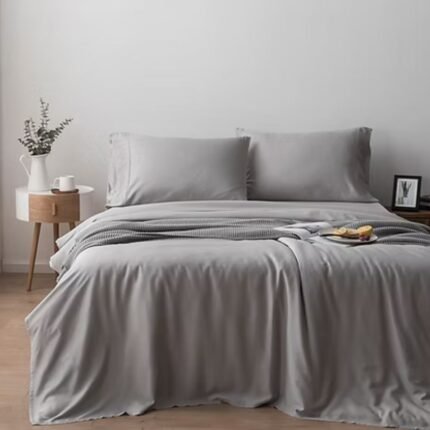
Temperature Control: While temperature control is the foundation of a sanctuary, the materials touching your skin matter just as much. If you find yourself waking up with congestion, sneezing, or skin irritation, allergy-friendly sheets are often the hidden secret to better sleep, providing a clean, breathable barrier that supports uninterrupted rest.
-
The Digital Sunset: Blue light inhibits melatonin. Turn off screens at least 60 minutes before bed to allow your brain to enter alpha waves.
-
Reflective Journaling: If you are preoccupied with whether your dreams will come true, keep a bedside journal. Writing down your dreams immediately upon waking helps bridge the gap between your subconscious and your daily goals.
Odesleep Recommendations for Quality Rest
- Audit Your Environment: If your room isn't naturally cool, consider breathable bedding (like cotton or bamboo) to help maintain that 18°C sweet spot.
- Check Your Levels: If you suffer from "creepy-crawly" sensations in your legs at night, consult a professional about your iron/ferritin levels.
Respect the "Golden Hour": Try to be in bed by 10:00 PM tonight to maximize your body’s natural melatonin surge.