
Blog
Why Do Elderly People Sleep a Lot?
Written by Maryam Riaz (M.Phil.) | Medically Reviewed by Dr. Beenish Gafoor, MBBS
About Maryam Riaz M.Phil
A dedicated researcher and author for OdeSleep who specializes in bridging the gap between complex medical insights and practical, non-medical wellness strategies for our global audience.
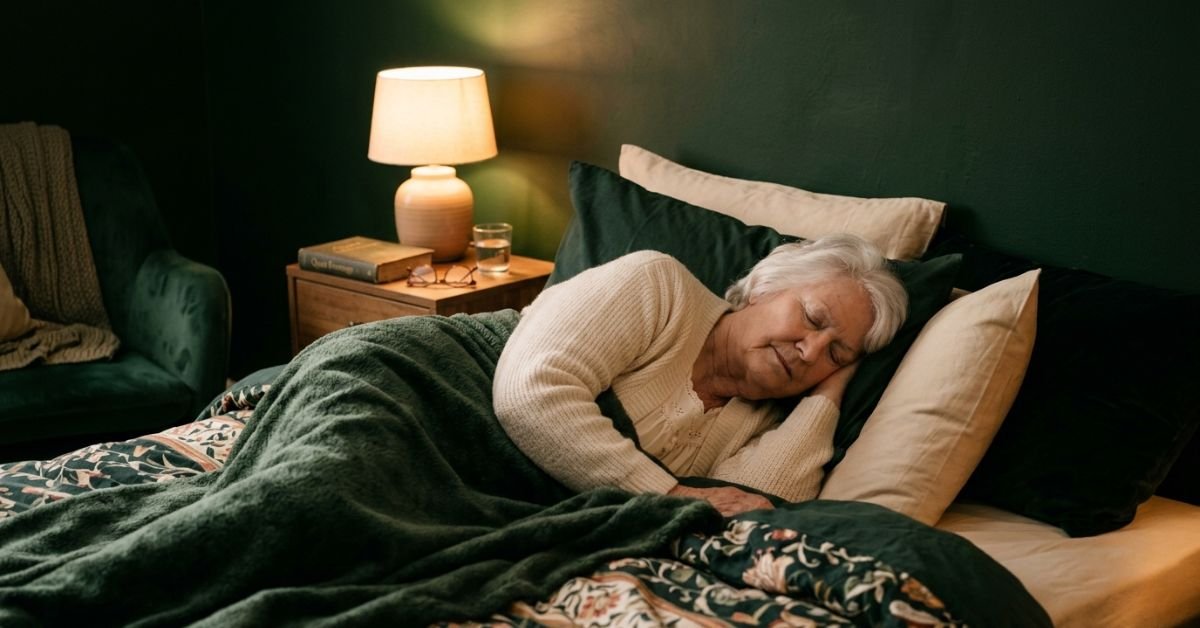
View all posts by Maryam Riaz M.PhilAs our loved ones age, we often notice a shift in their daily rhythms. You might walk into the house and see grandma sleeping in bed at 2:00 PM, or notice that the early-bird habits of your parents have turned into long morning lie-ins. This shift often leaves family members wondering: Is it normal for elderly people to sleep a lot?
The answer is nuanced. While the need for sleep doesn't actually change much as we get older, the way we sleep certainly does.
Is It Normal for Elderly People to Sleep a Lot?
Generally, healthy seniors still need about 7 to 9 hours of sleep. However, aging often brings about a phase advance in the circadian rhythm, causing seniors to get tired earlier in the evening and wake up earlier in the morning.
If you notice a senior sleeping significantly more than 9 hours a day, it may not just be getting older. Increased sleepiness can be a side effect of medications, a symptom of underlying conditions like depression or sleep apnea, or a sign of cognitive changes. If grandma sleeping in bed becomes a permanent fixture of the afternoon, it’s worth a quick check-in with a doctor.
Bedtime by Age
Sleep patterns evolve throughout our lives. While a toddler might need 12 hours, the structure for adults becomes more about quality than sheer quantity.
| Age Group | Recommended Sleep | Common Bedtime Window |
| Infants (4-12 mos) | 12–16 hours | 6:00 PM – 8:00 PM |
| Teens (13-18 yrs) | 8–10 hours | 9:00 PM – 11:00 PM |
| Adults (18-64 yrs) | 7–9 hours | 10:00 PM – 12:00 AM |
| Seniors (65+ yrs) | 7–8 hours | 8:00 PM – 10:00 PM |
What Month Do People Sleep the Least?
Interestingly, our internal clocks are heavily influenced by the sun. When looking at data on what month people sleep the least, June and July typically top the list. Between the extra hours of daylight and the rising summer temperatures, many people—especially seniors who may be more sensitive to heat find their sleep duration shrinking during the summer solstice.
Power Naps vs. Long Naps
Napping is a cornerstone of senior life, but the duration makes all the difference.
- Benefits of a 20-Minute Power Nap: A quick catnap can boost alertness, improve mood, and sharpen memory without interfering with nighttime rest.
- The Groggy Long Nap: Naps exceeding 45–60 minutes can lead to sleep inertia (that heavy, disoriented feeling) and often make it much harder to fall asleep at a scheduled bedtime. The American Academy of Sleep Medicine advises limiting naps to under an hour to avoid these negative effects.
Improving Sleep Hygiene for Seniors
To ensure that daytime rest doesn't ruin nighttime slumber, practicing good sleep hygiene is essential. Here are a few expert-backed tips from the National Institute on Aging (NIA):
- Routine is Key: Going to bed and waking up at the same time every day, even on weekends, is the most effective way to stabilize a shifting sleep schedule.
- Limit Fluids at Night: To reduce midnight trips to the bathroom, try to limit heavy drinking two hours before bed.
- Sunlight Exposure: Spend at least 30 minutes in natural sunlight during the morning to help regulate the awake phase of the body's clock.
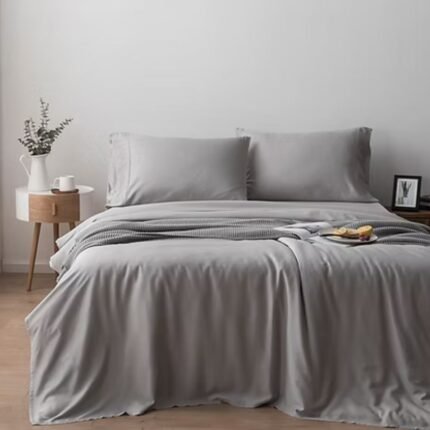
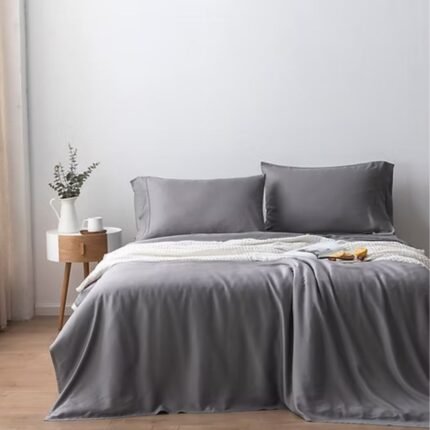
- Optimize the Environment: Ensure the bedroom is cool, dark, and quiet. Since skin becomes thinner with age, upgrading your bedding can make a massive difference. Breathable options like an Organic Sheet Set or a cooling bamboo organic sheet can help naturally manage body temperature throughout the night.
Sleep Recommendations
If you or your elderly loved ones are struggling to build a better nighttime routine, these resources provide excellent guidance:
- Master Your Routine: Adopting a structured wind-down method is crucial. We highly recommend trying the 10-3-2-1-0 Sleep Rule to naturally prepare your body for rest.
- Quiet a Busy Mind: Anxiety and racing thoughts are common sleep disruptors at any age. Learn actionable tips on How to stop thinking about something when trying to sleep.
- Complete Overhaul: Ready to revamp your entire approach to rest? Check out the New sleep guide of your dreams for a comprehensive look at modern sleep hygiene.
Final Thoughts
By understanding the biological changes that come with age, we can help our elders find the perfect balance between restorative rest and staying actively engaged with the world around them. If you notice persistent changes in sleep patterns or other health concerns, never hesitate to consult with a healthcare provider to ensure they are living their healthiest, most rested life.
Frequently Asked Questions (FAQs):
When should I worry about an elderly parent sleeping too much?
You should worry if excessive sleep is a new development or comes with confusion, weakness, or loss of appetite. In these cases, get it checked by a doctor. For foundational knowledge on healthy resting baselines, the Centers for Disease Control and Prevention (CDC) provides guidelines on how much sleep is needed to help you recognize when something is out of the ordinary.
Is excessive daytime sleepiness in seniors a sign of dementia?
It can be associated with dementia, but it’s also incredibly common in other conditions like sleep apnea and depression. It needs a medical evaluation to determine the true cause. You can read more about dementia-related sleep issues from the National Institute on Aging.
Why does my elderly parent fall asleep as soon as they sit down?
This sudden onset of sleep can happen due to general fatigue, medication side effects, poor nighttime sleep quality, or underlying health issues like anemia or restless leg syndrome. It’s important to discuss this with a healthcare provider to rule out serious causes. For more details on breathing-related sleep disruptions, check the National Heart, Lung, and Blood Institute’s guide on sleep apnea.
Disclaimer: The information in this article is for educational and informational purposes only and is not intended as medical advice.