
Blog

Best and Worst Sleeping Positions

Written by Maryam Riaz (M.Phil.) | Medically Reviewed by Dr. Beenish Gafoor, MBBS

best and worst sleeping positions

Whether you wake up feeling refreshed or like you’ve been in a minor fender-bender often depends on your posture after the lights go out. Your sleep posture is the deciding factor between a productive day and chronic, nagging aches.

To maximize your comfort, pairing the right position with high-quality bedding like a breathable bamboo sheet can transform your rest.

1. Back Sleeping: The Gold Standard

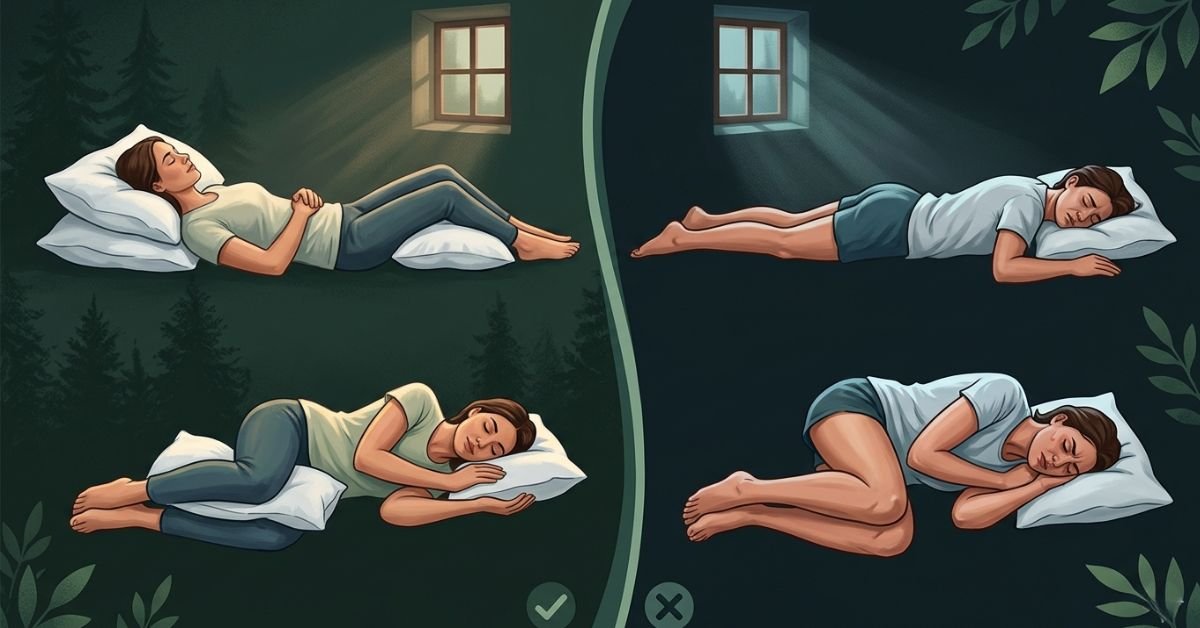
For most people, the correct sleeping position for the neck and spine is lying flat on the back. This allows your weight to be evenly distributed, minimizing pressure points on your joints.

  • The Pro Tip: Place a small pillow underneath your knees. This maintains the natural curve of your lower back and "unloads" pressure from the lumbar spine.
  • The "Zero Gravity" Pose: If you use an adjustable bed, elevate both the head and knees slightly. This reduces heart strain and spinal pressure simultaneously.

2. Side Sleeping: Popular but Tricky

Side sleeping is the most common choice and is excellent for reducing snoring and obstructive sleep apnea. However, it can be a double-edged sword for your joints.

  • The Fix: Focus on stacking. Keep your hips and shoulders vertically aligned. Placing a firm pillow between your knees is a proven method for managing chronic back pain.
  • The Comfort Factor: Side sleepers often run hot due to surface area contact; using an Organic Sheet Set can help regulate temperature throughout the night.

3. Stomach Sleeping: The "Danger Zone"

Most experts agree that stomach sleeping is the worst position for long-term health. It forces the neck into a 90-degree twist and causes the spine to arch unnaturally, leading to significant morning stiffness.

4. The 45-Degree Incline: For Breathing & Digestion

For those struggling with severe acid reflux or GERD, sleeping at an incline is a medical necessity. Using gravity to keep gastric acid down and airways open significantly helps in improving overall sleep quality.

Our Recommendations: How to Choose Your Position

Not sure which one to pick? Here is our expert breakdown based on your specific needs:

  • For Back Pain: We recommend Back Sleeping with a pillow under the knees.
  • For Heartburn & Digestion: We recommend Left-Side Sleeping. This keeps the stomach below the esophagus, preventing acid from rising.
  • For Snoring or Sleep Apnea: We recommend Side Sleeping or an Inclined Position.
  • For Better Sleep Hygiene: Position is only half the battle. We recommend following the 10-3-2-1-0 Sleep Rule to prime your body for rest.
  • For Seasonal Changes: You might find your needs change with the weather. Check out our guide on Why Do We Sleep More in Winter? Science & Sleep Safety Tips to adjust your routine.

Comparison at a Glance

Position Best For... The Downside
Back Neck and spine alignment Can worsen snoring/apnea
Side Heart health and digestion Potential shoulder/hip pain
Stomach Reducing heavy snoring High risk of neck & back strain
Inclined Reflux and breathing issues Requires specific gear (wedges)

Frequently Asked Questions (FAQs):

Sleeping on your left side can improve circulation and reduce pressure on your heart.

Occasionally sleeping in a chair is fine, but doing it often can strain your neck and back.

It depends on your sleep position, but for many people, it can reduce neck strain if it keeps the spine aligned.

Sleeping on the affected shoulder is the worst, as it puts direct pressure on the joint and worsens impingement.

Yes, sleeping on your left side can help reduce bloating by aiding digestion and gas movement.

Placing a firm pillow between your knees helps keep your hips aligned and reduces pain.

Yes, stomach sleeping can press your face into the pillow, which may contribute to wrinkles over time.

No, a silk pillowcase can reduce friction on hair and skin, but it won’t correct poor sleeping posture.


Disclaimer: The information in this article is for educational and informational purposes only and is not intended as medical advice.

Leave a Reply

Your email address will not be published. Required fields are marked *