

Blogs

Why Do We Sleep More in Winter? Science & Sleep Safety Tips

sleep more in winter

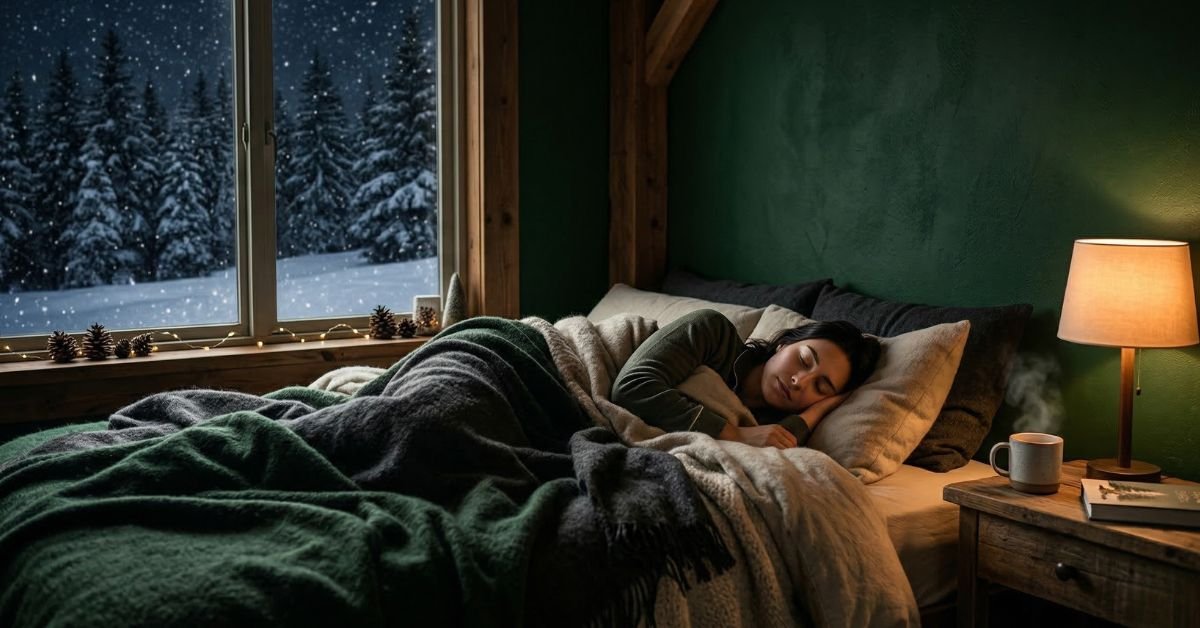
As the days grow shorter and the frost begins to settle on the windows, a familiar heavy-lidded feeling often sets in. You might find yourself hitting the snooze button more frequently. If you’ve been asking yourself, "Why am I so tired in the winter?" you aren't alone.

Our bodies are deeply rhythmic. When winter arrives, the decrease in daylight hours can disrupt our internal "biological clock." According to the Mayo Clinic, this shift can trigger earlier production of melatonin, the hormone that signals sleep, while simultaneously dropping levels of serotonin, which affects mood.

Creating the Perfect Winter Sleep Sanctuary

The secret to restorative sleep lies in your environment. While it’s tempting to crank up the heater, your body actually sleeps best in a cooler room.

The Ideal Temperature

The CDC (Centers for Disease Control and Prevention) and the National Sleep Foundation suggest that the ideal bedroom temperature for sleep is between 60°F and 67°F (approx. 16°C to 19°C). Our core body temperature needs to drop slightly to initiate deep sleep; if the room is too hot, it interferes with your body's natural thermoregulation.

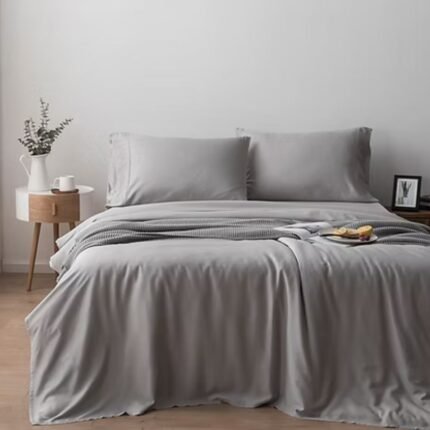
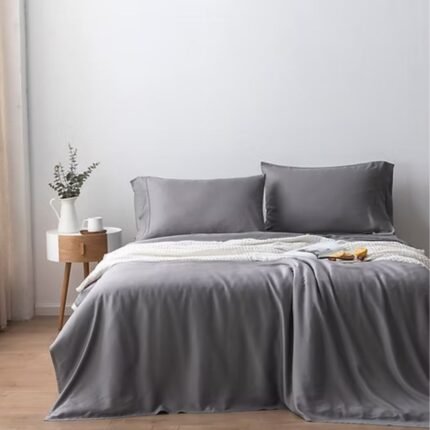
  • Pro Tip: Instead of the thermostat, use layers of natural fabrics like wool or cotton that trap heat without causing overheating. Investing in a high-quality Organic Sheet Set is a game-changer here, as natural fibers breathe much better than synthetics, helping you maintain that "just right" temperature all night long.

The Best Humidity Level

Indoor heating systems often strip moisture from the air, leading to dry sinuses and skin. The Environmental Protection Agency (EPA) recommends keeping indoor humidity between 30% and 50%. Using a cool-mist humidifier can help maintain this balance and protect your respiratory system.

Winter Sleep Solutions for the Whole Family

Temperature regulation is vital for infants. To reduce the risk of SIDS and ensure warmth, the American Academy of Pediatrics (AAP) advises a "clear" sleep space—meaning no loose blankets.

The Essential Winter Sleep Sack

A winter sleep sack is a wearable blanket that provides warmth without safety hazards. When selecting one, look for the TOG (Thermal Overall Grade) rating.

  • TOG 2.5: Ideal for rooms between 16–20°C (61–68°F).
  • Fit Check: The sack must fit snugly around the neck and arms to prevent the baby from slipping inside.

Safety First: Winter Sleep Sack for a Newborn

For parents of infants, choosing a winter sleep sack for a newborn requires a focus on both warmth and fit. The sack must fit snugly around the neck and arms to prevent the baby from slipping inside. Many newborn versions feature a swaddle-wrap component, which helps soothe the startle reflex while providing that extra layer of insulation needed for those long, chilly nights.

Calming the "Winter Brain"

Paradoxically, even though we feel physically more exhausted in the winter, many people struggle with an overactive mind at night. The lack of outdoor activity and the stress of the holiday season can leave our brains buzzing just as we lie down to rest.

When you have an overactive mind, your 'fight or flight' system is engaged. Incorporating these essential sleep hacks into your evening wind-down can help signal to your nervous system that it is safe to relax.

  • The Brain Dump: Keep a journal by your bed. If you’re worrying about tomorrow’s to-do list, write it down to physically move the thought out of your head.
  • Dim the Lights Early: Since light suppresses melatonin, dim your household lights an hour before bed to mimic the natural winter sunset.
  • Warmth as a Signal: A warm bath before bed raises your temperature slightly; when you step out into the cool bedroom air, the rapid drop in temperature serves as a powerful biological signal to your brain that it’s time to sleep.

Frequently Asked Questions (FAQs):

Shorter daylight hours trigger earlier melatonin production. (Source: NIH/National Institute of General Medical Sciences)

While biological needs stay the same, the CDC notes that most adults need at least 7 hours, and leaning into your body’s natural seasonal urge for more rest can improve mental health.

It is completely normal to sleep more in winter, as the limited daylight causes your brain to produce more melatonin, the hormone responsible for making you feel drowsy and ready for rest.

Dress your newborn in a snug base layer or one-piece sleeper and a properly rated winter sleep sack for newborn safety, ensuring their room stays between 16°C and 18°C for the safest, most restorative rest.


Disclaimer: The information in this article is for educational and informational purposes only and is not intended as medical advice.

Leave a Reply

Your email address will not be published. Required fields are marked *