
Blogs

Tips for a Stress-Free Toddler Bedtime

Tips for a Stress-Free Toddler Bedtime

It starts with a simple yawn, and you think, Victory is mine. You usher them toward the stairs, but suddenly, your sweet child transforms into a tiny caffeinated lawyer. They have a closing argument for why they need one more glass of water, three more stuffed animals, and a deep-dive discussion on where the sun goes at night.

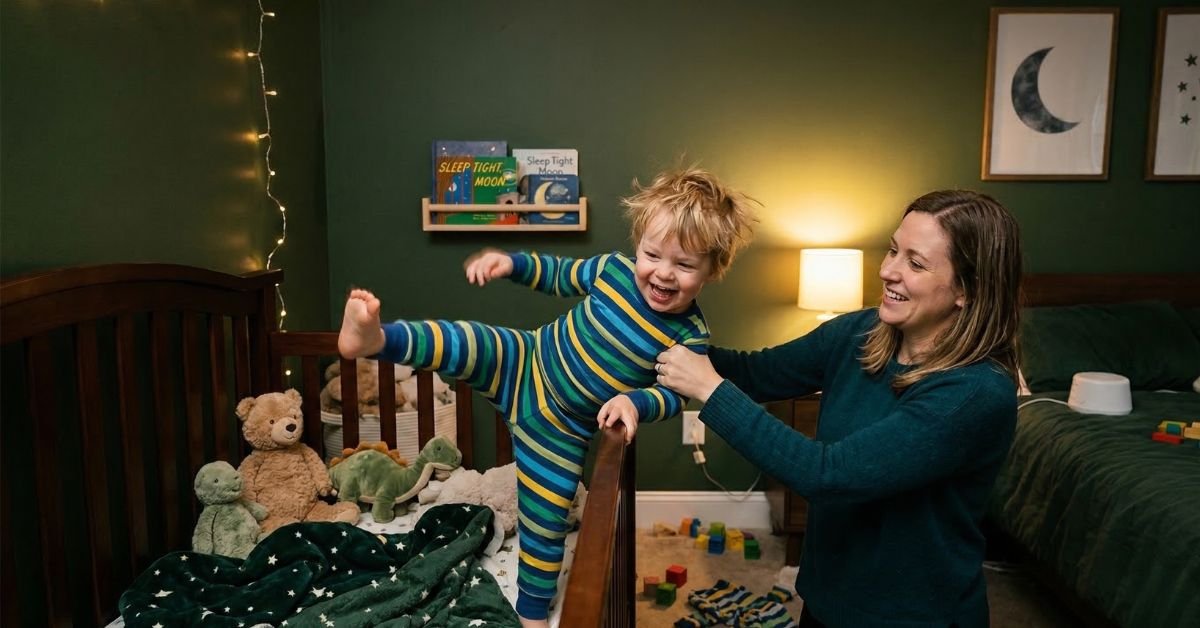
If your 2 year old won't stay in bed, you are not alone. Navigating the transition from the held all the time phase to independent sleep is one of the toughest hurdles of early parenthood.

From Hold Me to Help Me Sleep

Many parents find themselves in this struggle because of how things started. We have all been there—that exhausting season where the baby will only sleep when held. According to the Sleep Foundation, these early associations are vital for bonding, but as they grow, those contact sleep habits need to evolve.

If your toddler takes an hour to fall asleep, it’s often because they haven't learned how to "power down" their own brain without your physical presence as the off-switch.

The Power of the Bedtime Routine of Kids

The most effective weapon against the bedtime protest isn't a stern voice; it's predictability. A solid bedtime routine acts as a physiological signal to the brain that the day is over. The CDC notes that toddlers aged 1–2 years generally need 11 to 14 hours of sleep per 24 hours (including naps) to support healthy development.

  • The 30-Minute Wind Down: Dim the lights and turn off screens. The NHS warns that blue light from tablets and phones interferes with the sleep hormone melatonin.
  • The Same Sequence: Try the "Brush, Book, Bed" sequence. Keeping the order identical every night creates a sense of safety.
  • Visual Timers: Toddlers love control. Letting them see the "red disappear" on a timer helps them transition away from play without a power struggle.

While toddlers need significant rest, it’s helpful to know that preschoolers (ages 3–5) still require 10 to 13 hours of sleep per 24-hour period to support their rapid cognitive development.

Sleep Training

When people hear sleep training, they often jump to the image of a child crying alone. However, many parents are finding success with sleep training, not cry-it-out methods. You don't have to vanish; you just have to fade.

One popular approach is the REST method for toddler sleep. This focuses on:

  • Routine (Consistency)
  • Environment (Dark, cool, quiet)
  • Soothing (Comforting without over-stimulating)
  • Time (Giving them the space to try on their own)

When They Keep "Popping Up"

If your 2-year-old won’t stay in bed, avoid making the return to bed an "event." If you get angry or engage in a long conversation, you’re giving them exactly what they want: attention. Instead, use the Silent Return:

  1. First Trip: Walk them back, tuck them in, and say, "I love you, it's time for sleep."
  2. Subsequent Trips: Walk them back without making eye contact and without saying a word.

It’s boring and repetitive, but eventually, they’ll realize the "party" is officially over.


Frequently Asked Questions (FAQs):

SYes, a 2-hour nap can often push your toddler's sleep pressure too late into the evening, making them feel wide awake when it's actually time for lights out.

You temporarily move bedtime later to when they are naturally tired, then gradually shift it earlier by 15 minutes every few nights once they start falling asleep quickly.

The common signs include sudden bedtime resistance, newfound separation anxiety, and frequent night wakings often triggered by a major language explosion or teething.

This behavior is typically a sign of overtiredness or a lack of emotional control, where a toddler uses physical outbursts to express frustration or fight the separation that bedtime represents.

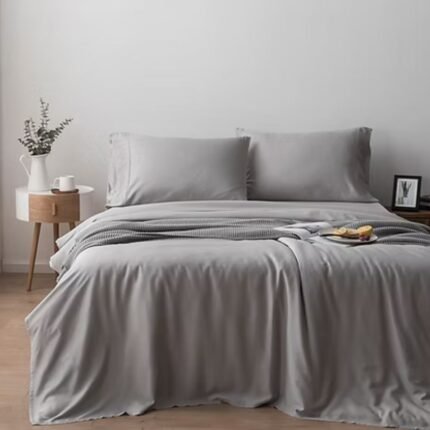
Yes, bamboo fabric is naturally temperature-regulating and moisture-wicking, which helps prevent the overheating that often leads to night sweats and discomfort-related wakings.


Disclaimer: The information in this article is for educational and informational purposes only and is not intended as medical advice.

Leave a Reply

Your email address will not be published. Required fields are marked *