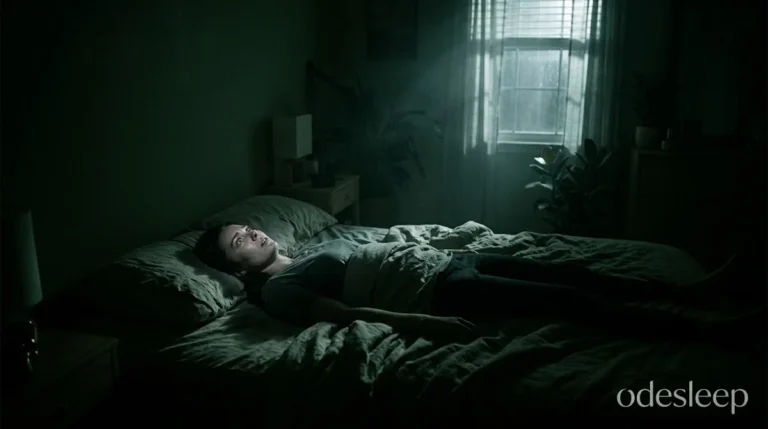
Sleep Apnea Explained: Causes, Symptoms, and Real Solutions for Better Rest

· Medically reviewed
Waking up exhausted after a full eight hours in bed, dealing with morning headaches, or being told your snoring shakes the room are common signs that your body is fighting for air while you sleep. Sleep apnea is a widespread, potentially serious sleep disorder in which breathing repeatedly stops and restarts throughout the night. Left untreated, it deprives vital organs of oxygen, fragments sleep architecture, and places lasting strain on the cardiovascular system, according to the National Heart, Lung, and Blood Institute (NHLBI).
This guide explains how sleep apnea develops, what its early warning signs look like, and which sleep adjustments can genuinely help you rest more fully. Every medical claim below is grounded in guidance from U.S. government health authorities, so you can trust what you read and act on it with confidence.
What Is Sleep Apnea and How Does It Work?
The word apnea comes from the Greek term meaning without breath. Clinically, an apnea event occurs when airflow stops for at least ten seconds, causing blood oxygen levels to drop. The brain senses that drop and briefly rouses the body just enough to reopen the airway, often with a gasp, snort, or body jerk, which prevents the sleeper from reaching deep, restorative sleep. The MedlinePlus sleep apnea overview confirms that these breathing pauses can happen thirty times or more in a single hour in more severe cases.
The Three Main Types
- Obstructive Sleep Apnea (OSA): the most common form, occurring when throat muscles and soft tissue relax and physically block the upper airway during sleep.
- Central Sleep Apnea (CSA): a less common type in which the brain temporarily fails to send the correct signals to the muscles that control breathing.
- Complex or Mixed Sleep Apnea: a combination of obstructive and central patterns occurring in the same person.
According to NHLBI’s overview of causes and risk factors, sleep apnea can develop from a mix of anatomical, hormonal, and neurological factors, including excess weight, enlarged tonsils, family history, and certain heart or neuromuscular conditions.
Common Sleep Apnea Symptoms to Watch For
Many people live with sleep apnea for years without realizing it, because the primary disruptions happen while they are unconscious. Recognizing the dual pattern of nighttime events and daytime consequences is key to early identification.
| Nighttime Indicators | Daytime Consequences |
|---|---|
| Loud, chronic snoring | Excessive daytime sleepiness or brain fog |
| Choking, gasping, or snorting sounds | Morning headaches from nighttime oxygen drops |
| Snoring immediately after falling asleep | Dry mouth or sore throat upon waking |
| Frequent nighttime urination (nocturia) | Mood irritability, anxiety, or low mood |
| Restless tossing and turning | Difficulty concentrating or memory lapses |
Not every person who snores has sleep apnea, and telling the two apart matters for how you respond. For a fuller side by side comparison of the warning signs, see our guide on sleep apnea versus snoring.
Can Sleep Apnea Come and Go?
A frequent point of confusion is whether sleep apnea is permanent or fluctuating. While chronic sleep apnea does not simply vanish on its own, the severity of its symptoms can shift dramatically from night to night depending on several lifestyle and environmental triggers.
- Sleeping position: lying flat on your back lets gravity pull the base of the tongue and soft palate backward, worsening airway collapse. Shifting to your side often reduces or temporarily eliminates mild obstructive events. Our guide to the best and worst sleeping positions walks through this in more detail.
- Alcohol and sedative use: these substances act as muscle relaxants, causing throat tissue to collapse faster and deeper than normal. Learn more about the mechanism in why alcohol makes you sleepy.
- Nasal congestion and allergies: seasonal allergies, colds, or sinus infections raise upper airway resistance and can temporarily trigger apnea events until the congestion clears. If this sounds familiar, see how to sleep with a blocked nose.
- Weight fluctuations: gaining even a modest amount of weight can increase fatty tissue around the neck and narrow the airway, while weight loss often reduces symptom frequency.
- Extreme fatigue: being overtired leads to deeper muscle relaxation at sleep onset, which frequently causes intense snoring immediately after falling asleep.
Why Snoring Immediately After Falling Asleep Happens
If you or your partner notice heavy snoring within seconds or minutes of drifting off, it usually points to rapid loss of muscle tone in the upper airway. When you fall asleep exhausted, your throat muscles shift abruptly from an active state to complete relaxation. If your neck anatomy, pillow height, or sleeping angle places extra pressure on the trachea, the airway narrows immediately and creates vibrational turbulence.
Isolated snoring can occur without apnea, but immediate, heavy snoring accompanied by pauses in breathing strongly signals an obstructive condition that deserves medical attention.
Why Is Snoring Worse When Sleeping on Your Back?
When sleeping supine, gravity pulls the tongue and relaxed soft palate downward against the back wall of the throat, narrowing the airway passage and increasing tissue vibration.
Practical Steps and Supportive Solutions
Addressing sleep apnea works best as a combination of clinical care and intentional sleep hygiene. None of the steps below replace a medical diagnosis, but they support whatever treatment plan your provider recommends.
1. Optimize Your Sleep Posture and Neck Alignment
Avoid flat back sleeping. Side sleeping remains the most effective positional strategy for reducing airway obstruction, and it can also ease pressure on the spine, a benefit covered in our article on the best sleeping position for lower back pain. Pair side sleeping with an ergonomic cervical or contour pillow designed to keep the cervical spine in neutral alignment. Elevating the head by roughly thirty to sixty degrees can help prevent gravity induced airway collapse, which is where an adjustable bed sheet set designed to fit an inclined mattress properly, without bunching or pulling loose, becomes genuinely useful rather than cosmetic.
2. Upgrade Your Sleep Environment
Overheating and restricted airflow fragment sleep even further, and a body that keeps waking to kick off blankets rarely stays in the deep side sleeping position that helps most. If you routinely wake up overheated, our explainer on why you get so hot when you sleep is worth reading alongside this one.
Breathable, temperature regulating bedding reduces the micro arousals and tossing that pull you out of a stable side sleeping position. A set of Oeko Tex certified bamboo sheets is naturally moisture wicking and independently tested for harmful substances, which matters for anyone already dealing with disrupted, oxygen poor sleep. For hot sleepers specifically, our roundup of the best cooling sheets breaks down which weaves and fibers sleep coolest.
If sensitive skin or chemical sensitivity is also part of the picture, a certified organic sheet set or an organic cotton bed sheet set avoids the synthetic finishes and residues found in some conventional bedding. And because a properly fitted, non slipping sheet keeps you anchored in a side sleeping position through the night, a deep pocket sheet set sized for thicker mattresses or mattress toppers is a small but practical upgrade.
3. Implement Targeted Lifestyle Adjustments
- Avoid alcohol, heavy meals, and sedatives within three to four hours of bedtime.
- Use a saline nasal rinse or nasal dilator before bed to lower nasal airway resistance.
- Maintain a consistent sleep schedule to prevent severe sleep deprivation and abrupt muscle collapse at sleep onset.
- If daytime sleepiness persists even after these changes, it is worth ruling out other causes; our comparison of narcolepsy versus idiopathic hypersomnia explains how those conditions differ from sleep apnea related fatigue.
4. Consult a Medical Professional
If lifestyle changes do not resolve daytime fatigue or loud gasping, the next step is a formal polysomnography, or overnight sleep study, or a home sleep apnea test. According to the FDA’s overview of respiratory devices, standard clinical treatments include Continuous Positive Airway Pressure (CPAP) machines, Bilevel Positive Airway Pressure (BiPAP) machines, and custom fitted oral appliances. If you are unsure which device category fits your diagnosis, our comparison of CPAP versus BiPAP explains the difference in plain terms.
Sleep apnea is also a recognized road safety issue. The National Highway Traffic Safety Administration (NHTSA) identifies untreated sleep apnea as one of the chronic conditions that raises the risk of drowsy driving crashes, which is one more reason not to postpone evaluation.
Recommendation: If loud snoring, gasping, or breathing pauses are confirmed by a partner, do not rely on bedding or posture changes alone. Book a sleep evaluation first, then layer in supportive changes such as side sleeping, head elevation with a properly fitted adjustable bed sheet, breathable bamboo or organic cotton sheets, and a consistent, alcohol free wind down routine. These steps support treatment; they are not a substitute for a CPAP, BiPAP, or oral appliance prescribed by a clinician.
Sources
- National Heart, Lung, and Blood Institute: What Is Sleep Apnea
- National Heart, Lung, and Blood Institute: Sleep Apnea Causes and Risk Factors
- National Heart, Lung, and Blood Institute: Sleep Apnea Treatment
- MedlinePlus (National Library of Medicine): Sleep Apnea
- Centers for Disease Control and Prevention: Sleep
- U.S. Food and Drug Administration: Respiratory Devices
- National Highway Traffic Safety Administration: Drowsy Driving
Frequently Asked Questions (FAQs):
Is snoring always a sign of sleep apnea?
No. Primary snoring happens from mild vibration of soft tissue without airflow obstruction or oxygen drops. However, loud, irregular snoring interspersed with silent pauses and choking gasps is a primary indicator of obstructive sleep apnea.
What happens if sleep apnea is left untreated?
Untreated sleep apnea significantly raises the risk of high blood pressure, type 2 diabetes, cardiac arrhythmias, and stroke. It also raises the risk of motor vehicle accidents caused by chronic daytime drowsiness, according to NHLBI research on sleep apnea.
Can sleep apnea be completely cured?
In cases driven primarily by excess weight or reversible anatomical factors such as enlarged tonsils, weight reduction or targeted surgery can resolve the condition. For many people, it is a manageable chronic condition controlled effectively through positional therapy, an optimized sleep environment, and CPAP use.
How does pillow height affect sleep apnea?
A pillow that is too high bends the neck forward, constricting the trachea. A pillow that is too low lets the head fall backward, encouraging mouth breathing. A contour pillow that keeps the neck roughly parallel to the mattress promotes an open, unobstructed airway.
Can thin or young people develop sleep apnea?
Yes. While excess weight is a primary risk factor, sleep apnea also affects people of all body types. Structural factors such as a narrow airway, a thick neck circumference, an elongated uvula, or genetic jaw alignment can all contribute.
How do I know if I stop breathing if I sleep alone?
Solo sleepers can watch for daytime symptoms such as chronic morning exhaustion, dry mouth, and tension headaches, or use validated sleep tracking apps that record snoring spikes and gasping events overnight. The CDC’s sleep and sleep health resource hub is a reliable starting point for general sleep health guidance while you arrange a formal evaluation.
Disclaimer: This article is for general informational purposes only and does not constitute medical or legal advice. Always consult a qualified professional before making any medical or legal decisions.

MBBS · PMDC registered
Registered Medical Practitioner (PMDC), Senior Medical Editor and Medical Reviewer for OdeSleep. Medical Officer in Paediatrics & NICU at Children's Hospital Lahore, combining frontline clinical experience with medical fact-checking.
View full profile →