Choosing between linen, cotton, and bamboo is more than a design choice; it’s about how you want to feel the moment you climb into bed. While cotton has been the household staple for decades, modern alternatives like linen and bamboo are challenging the status quo with unique textures and impressive wellness benefits.
Here is how these three heavyweights compare and how to choose the best one for your home from odesleep.
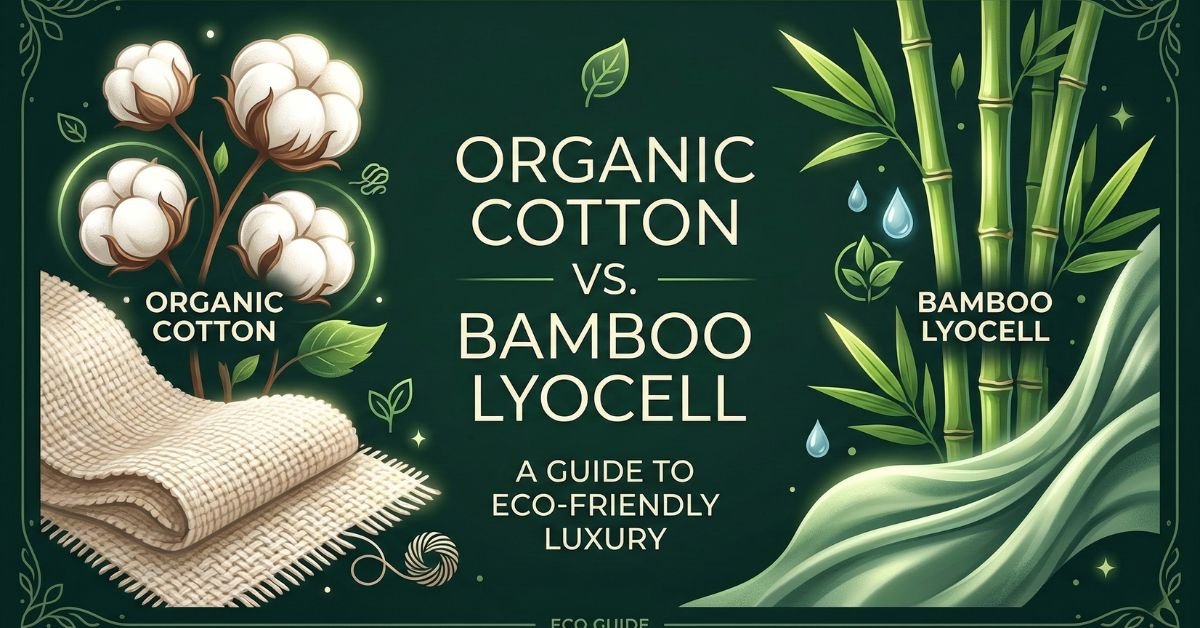
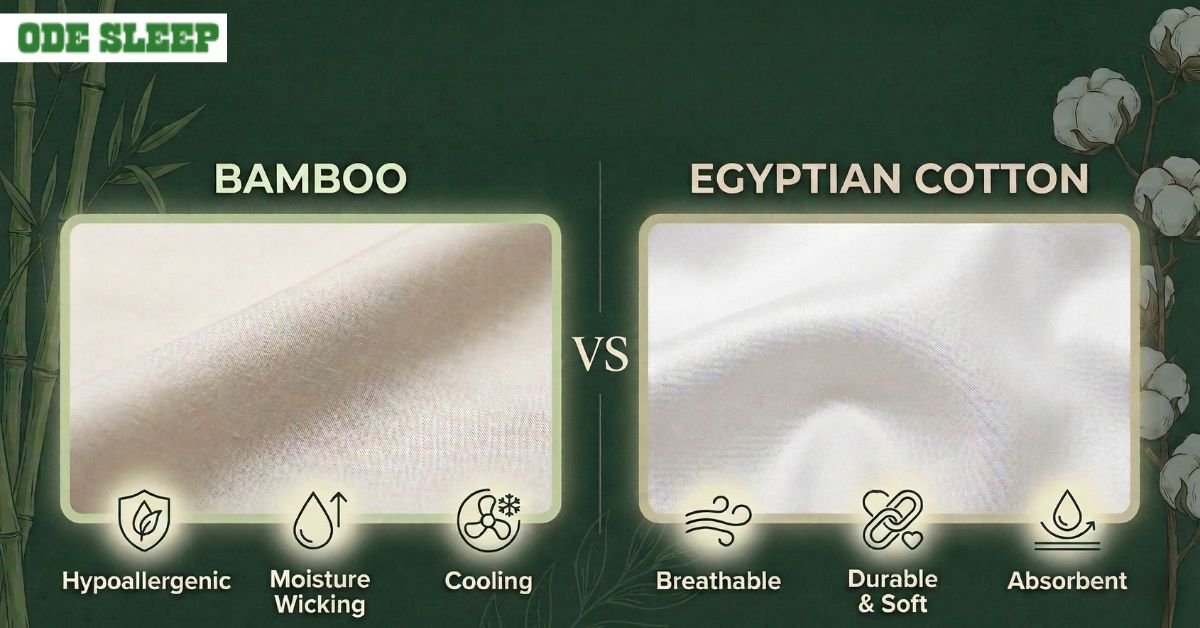
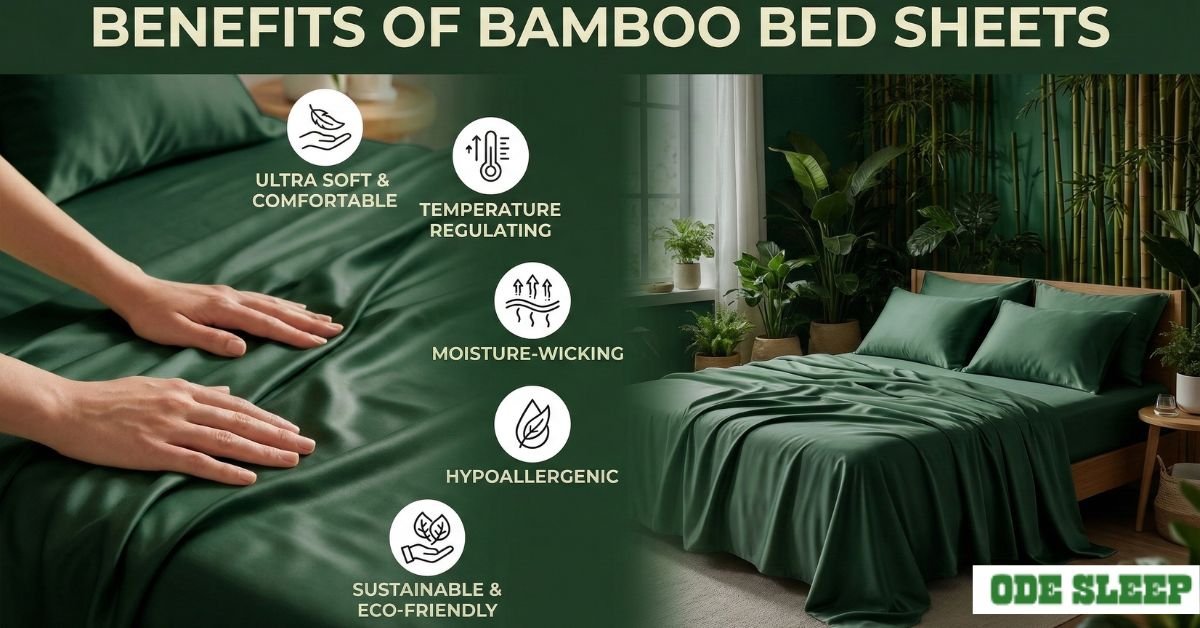
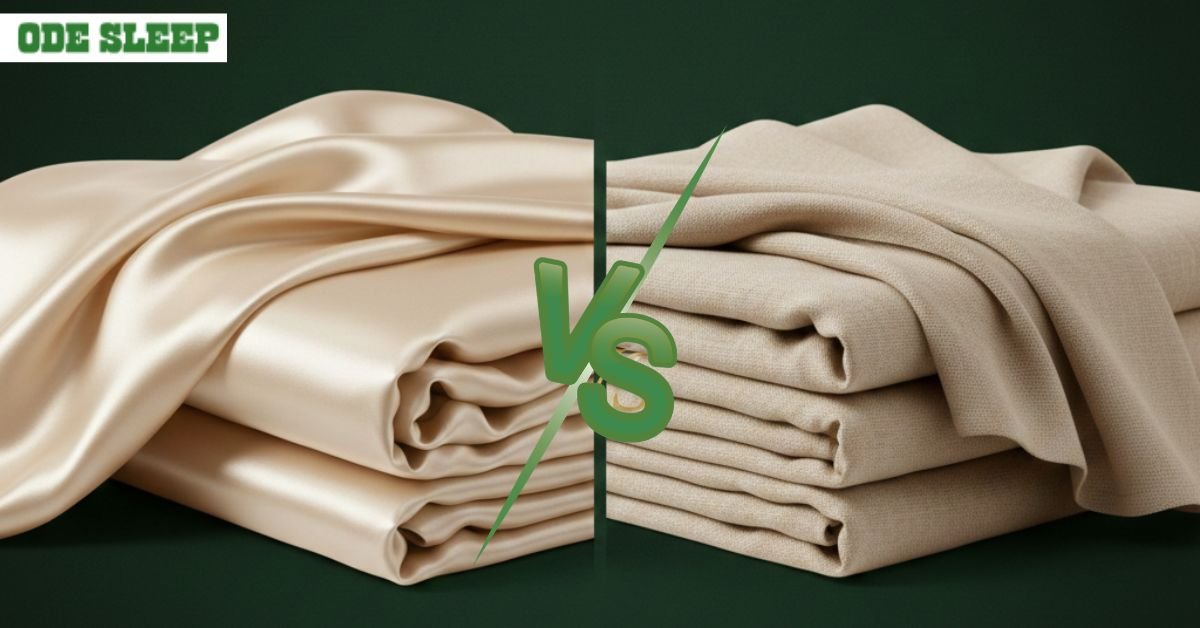
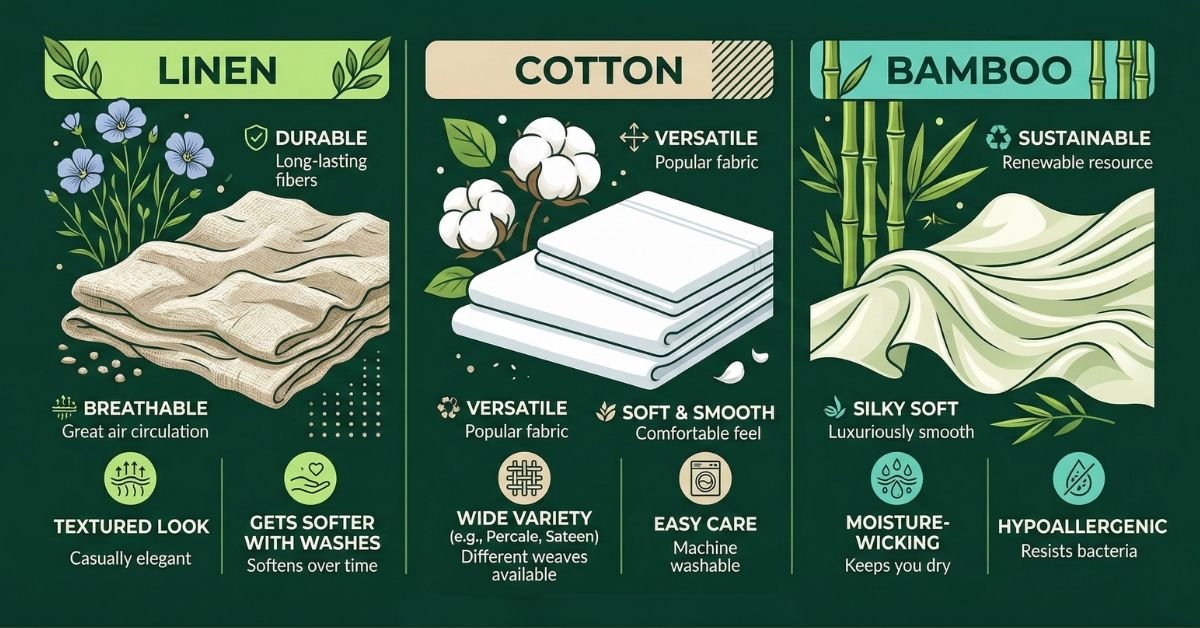
The most common debate in bedding today is bamboo vs. cotton. Traditional cotton is beloved for its "crisp" hotel feel, but it can be prone to trapping heat. Bamboo, specifically rayon and bamboo sheets, offers a buttery, silk-like drape that stays significantly cooler. (For more comparisons, explore bamboo vs silk sheets).
If you love the durability of cotton but want the softness of bamboo, look for a bamboo cotton fitted sheet. This blend provides the structured fit and longevity of cotton with the moisture-wicking "slip" of bamboo, making it much easier to put on the mattress while staying gentle on your skin. Or, opt for a standalone cotton sheet if you prefer the classic feel.
Linen is the oldest textile in the world, prized for its rustic look and unmatched breathability. However, 100% linen can be an acquired taste due to its initial coarseness. This has led to the rise of bamboo linen fabric, a sophisticated hybrid. By blending flax with bamboo, manufacturers create a sheet that has the chic, textured look of linen but feels soft and broken-in from the very first night.
Beyond the feel, some wellness enthusiasts choose linen sheets based on bamboo fabric frequency. This concept suggests that natural fibers like linen and bamboo carry a high "energetic vibration" (with linen often cited as the highest) that may help promote deeper, more restorative sleep and physical healing.
| Feature | Bamboo | Egyptian Cotton | Linen |
|---|---|---|---|
| Texture | Silky, buttery, and fluid. | Crisp, smooth, and matte. | Textured, grainy, and airy. |
| Weight | Light to medium. | Varies (Percale is light; Sateen is heavy). | Heavy but highly breathable. |
| Cooling | Best for sweat (moisture-wicking). | Best for airflow (breathable) | Best for heat dissipation. |
| Lifespan | 2–5 years (prone to pilling). | 10–15 years (high quality). | 20+ years (virtually indestructible). |
| Aesthetic | Shiny and draped. | Polished and neat. | Intentionally wrinkled and "lived-in." |
| Softness | Instant softness from day one. | Softens after a few washes. | Starts stiff; becomes softest over the years. |
The benefits of these performance fabrics extend to every room in the house:
Frequently Asked Questions (FAQs):
Yes, bamboo is generally better if you prioritize a silky-smooth feel and superior cooling, though cotton remains the classic choice for those who prefer a crisp, structured "hotel" texture
The healthiest choice is usually bamboo or organic linen, as both are naturally hypoallergenic, highly breathable, and resistant to the moisture-trapping bacteria that can irritate your skin and lungs.
Hospitals largely phased out linen in favor of cotton-polyester blends because synthetic mixes are significantly cheaper, dry faster in industrial laundries, and withstand the high-heat sterilization needed to kill bacteria without falling apart.


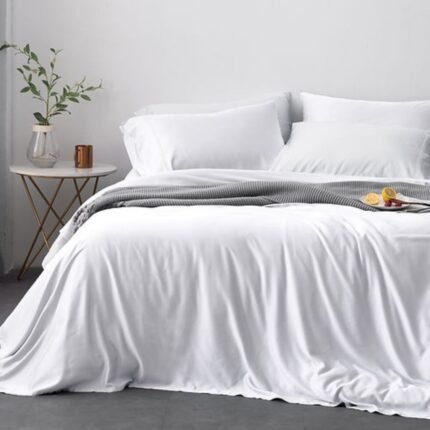 Island 100% bamboo bed sheet set
$65.00 – $80.00Price range: $65.00 through $80.00
Island 100% bamboo bed sheet set
$65.00 – $80.00Price range: $65.00 through $80.00
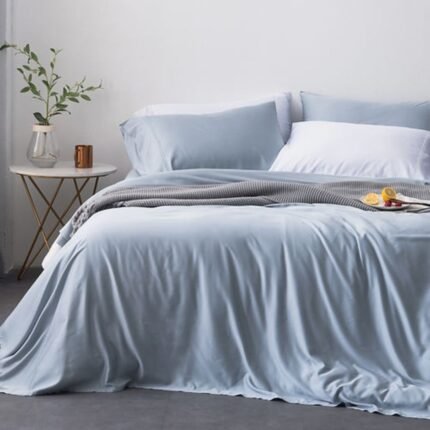 Island 100% bamboo bed sheet set | Blue
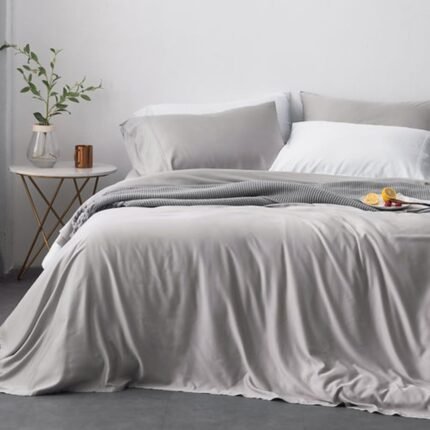 Island 100% bamboo bed sheet set | Grey
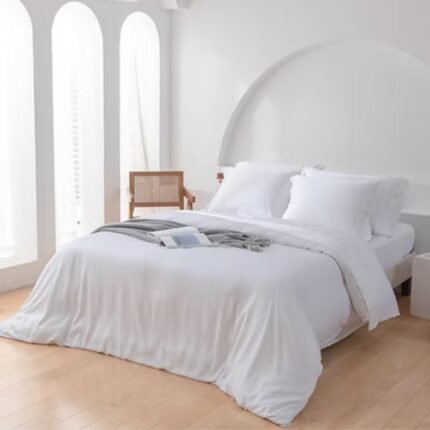 Island Bamboo Duvet Cover 100% Organic
$97.49 – $104.99Price range: $97.49 through $104.99
Island Bamboo Duvet Cover 100% Organic
$97.49 – $104.99Price range: $97.49 through $104.99
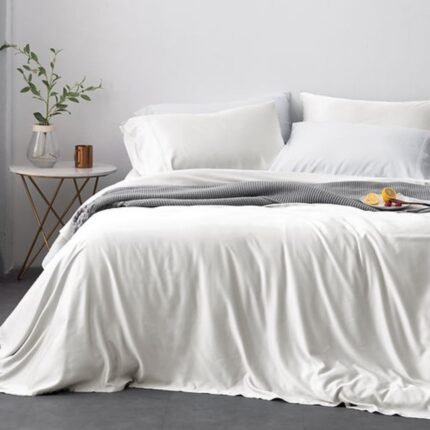 Island 100% bamboo bed sheet set | White Sand
No account yet?
Create an Account