Bedtime for preschoolers is rarely a straight line. As children move away from afternoon naps and begin navigating nighttime anxieties, many parents find themselves wondering if their child is getting enough rest. While every child is unique, there is a science to the 'sweet spot' of sleep that can transform your evenings from a struggle into a time of recovery.
The short answer? Most preschoolers (ages 3 to 5) need between 10 and 13 hours of sleep per 24-hour period. According to the CDC, meeting these sleep milestones is critical for your child's emotional regulation, memory, and overall physical health.
At age three, sleep becomes a bit of a battlefield. This is often the peak time for 3-year-old sleep training—not necessarily "crying it out," but setting firm boundaries.
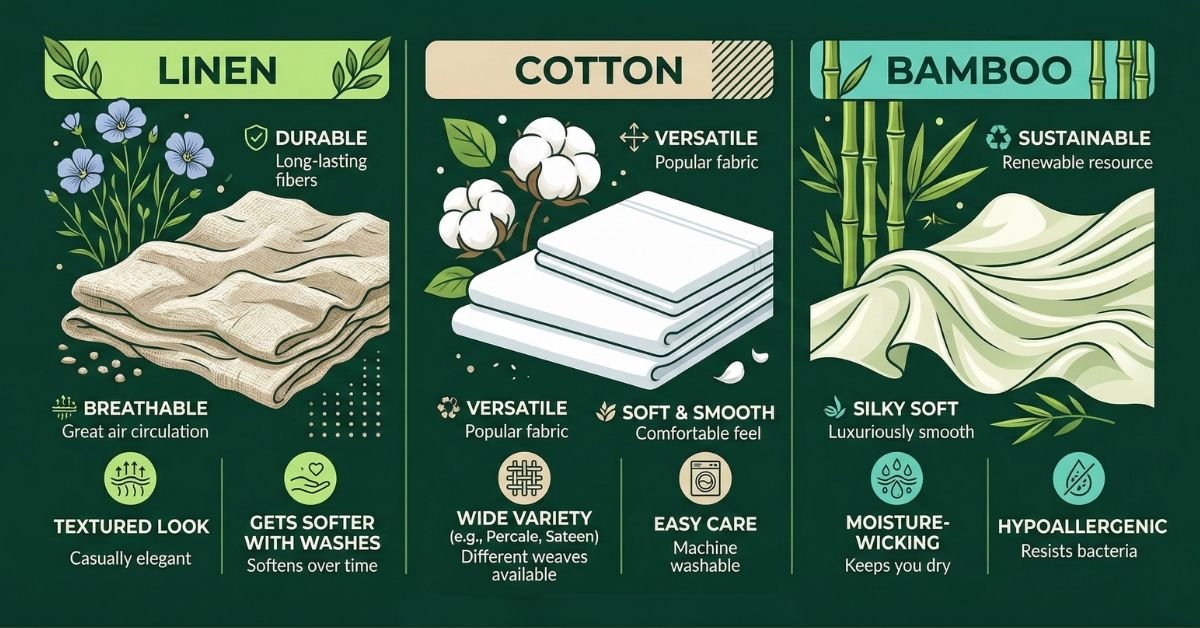
Pro Tip: The NHS recommends a "brief and boring" check-in if your child keeps getting out of bed. Reassure them, but don't engage in long conversations. To help them feel more secure in their "big kid bed," consider upgrading to ultra-soft, breathable bedding like OdeSleep bamboo sheets, which stay cool and cozy all night.
As children age, their internal clocks shift. Here is the "sweet spot" based on their specific stage:
By age five, many parents face a new hurdle: the sudden inability to sleep alone. If your 5 year old won't sleep without you in the room, you aren't alone. This is often driven by a spike in imagination, which can lead to nighttime fears.
To handle this, try the "check-in" method:
This builds trust and teaches them that they are safe even when you aren't physically visible.
As they transition into kindergarten and first grade, the routine changes again. Many parents start wondering what time should 6 year olds go to bed.
By age six, children still need about 9 to 12 hours of sleep. Since most school buses arrive early, a bedtime between 7:30 PM and 8:00 PM is the gold standard. Consistency is the secret sauce here; keeping the same schedule on weekends prevents "social jetlag" on Monday mornings.
| Age | Total Sleep Needed | Typical Bedtime |
|---|---|---|
| 3 Years | 11-13 Hours | 7:00 PM - 8:00 PM |
| 4 Years | 10-12 Hours | 7:00 PM - 8:30 PM |
| 5 Years | 10-12 Hours | 7:30 PM - 8:30 PM |
| 6 Years | 9-12 Hours | 7:30 PM - 8:30 PM |
Frequently Asked Questions (FAQs):
Create a calm bedtime routine, dim the lights, give a gentle hug, and speak softly so your 4-year-old feels safe and relaxed enough to fall asleep quickly.
If your 4-year-old doesn’t sleep through the night, try keeping a consistent bedtime routine and a calm sleep environment to help them feel secure and sleep longer.
The 9-minute rule for kids suggests giving them 3 minutes of focused attention in the morning, 3 minutes after school, and 3 minutes before bed to strengthen your connection and improve behavior.
No, an 8 PM bedtime is generally fine for a preschooler as long as they still get about 10–13 hours of total sleep each night.
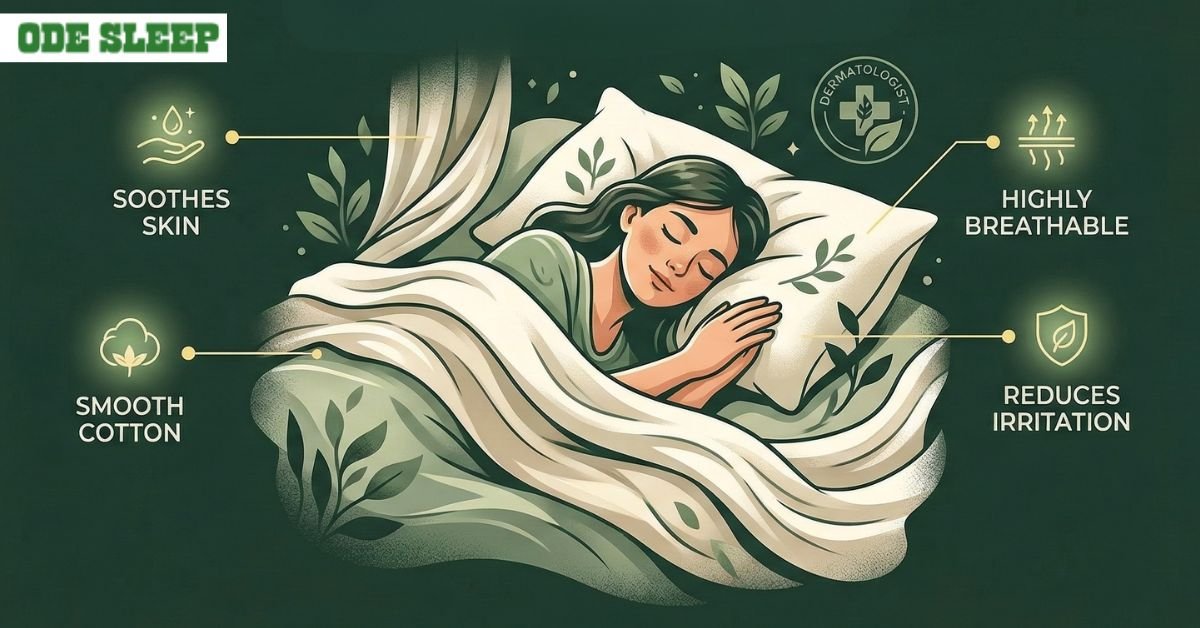
It’s often about independence, but sometimes it’s physical discomfort. Ensure their pajamas and sheets aren't irritating their skin. Switching to a GOTS Certified Organic Bed Sheet can eliminate the "itchy" or "scratchy" feelings that often lead to bedtime stalling.
A good option is a dim red LED night light like the Hooga Red LED Night Light, which emits no blue light and helps support melatonin production so preschoolers can fall asleep more easily.
Magnesium gummies may help some hyperactive preschoolers relax and sleep better, but it’s best to consult a pediatrician before giving them.
Disclaimer: The information in this article is for educational and informational purposes only and is not intended as medical advice.


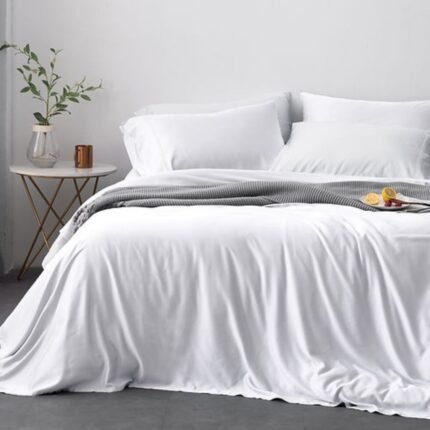 Island 100% bamboo bed sheet set
$65.00 – $80.00Price range: $65.00 through $80.00
Island 100% bamboo bed sheet set
$65.00 – $80.00Price range: $65.00 through $80.00
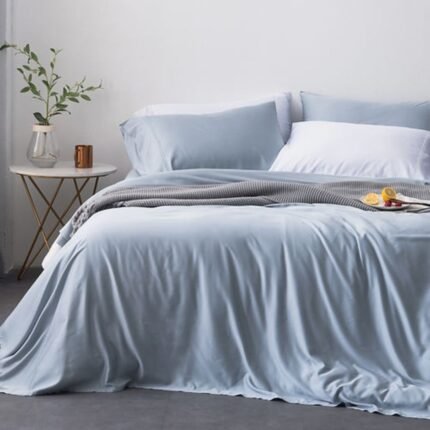 Island 100% bamboo bed sheet set | Blue
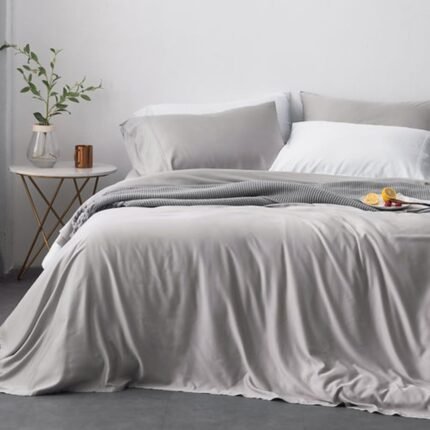 Island 100% bamboo bed sheet set | Grey
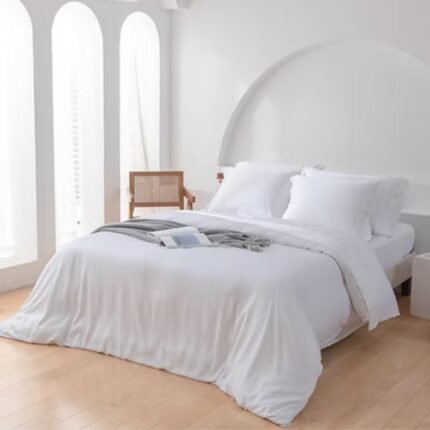 Island Bamboo Duvet Cover 100% Organic
$97.49 – $104.99Price range: $97.49 through $104.99
Island Bamboo Duvet Cover 100% Organic
$97.49 – $104.99Price range: $97.49 through $104.99
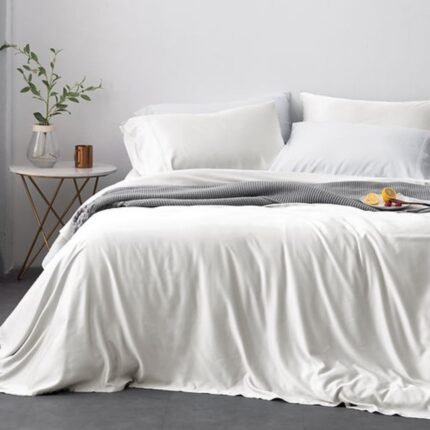 Island 100% bamboo bed sheet set | White Sand
No account yet?
Create an Account