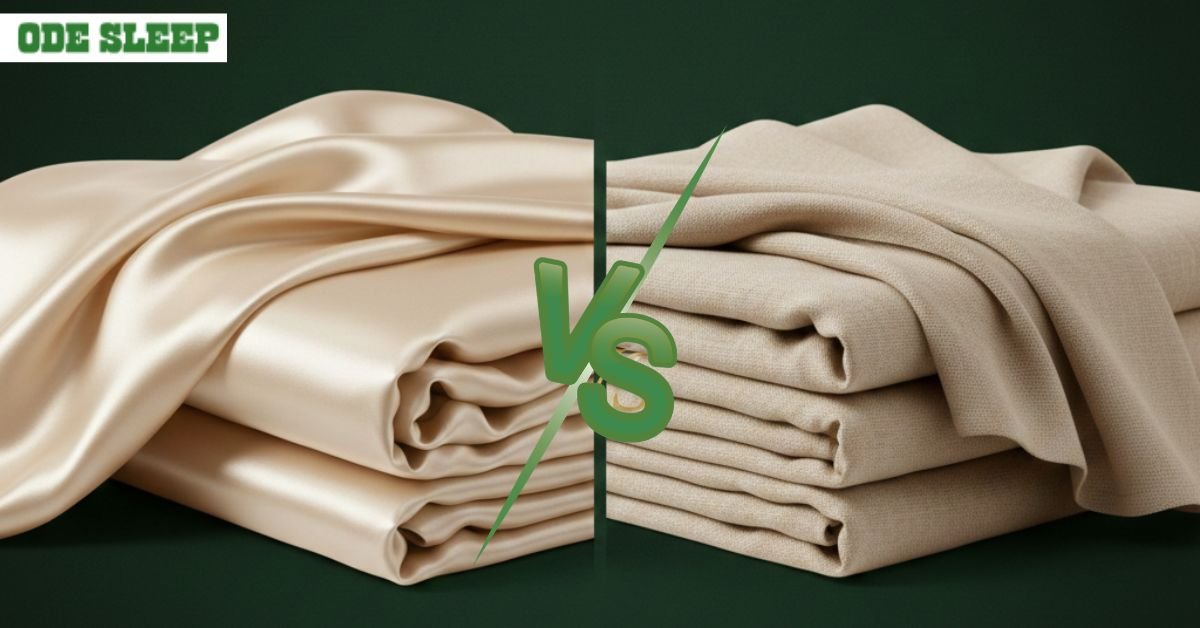
If you’ve ever spent a night tossing and turning because of an unbearable itch, you know that for eczema sufferers, bedding isn't just about decor, it’s about survival. Dermatologists consistently emphasize that what you wear to bed can either soothe your skin’s barrier or trigger a full-blown flare-up.
When it comes to nighttime comfort, the secret lies in the microscopic structure of your pajamas and sheets.
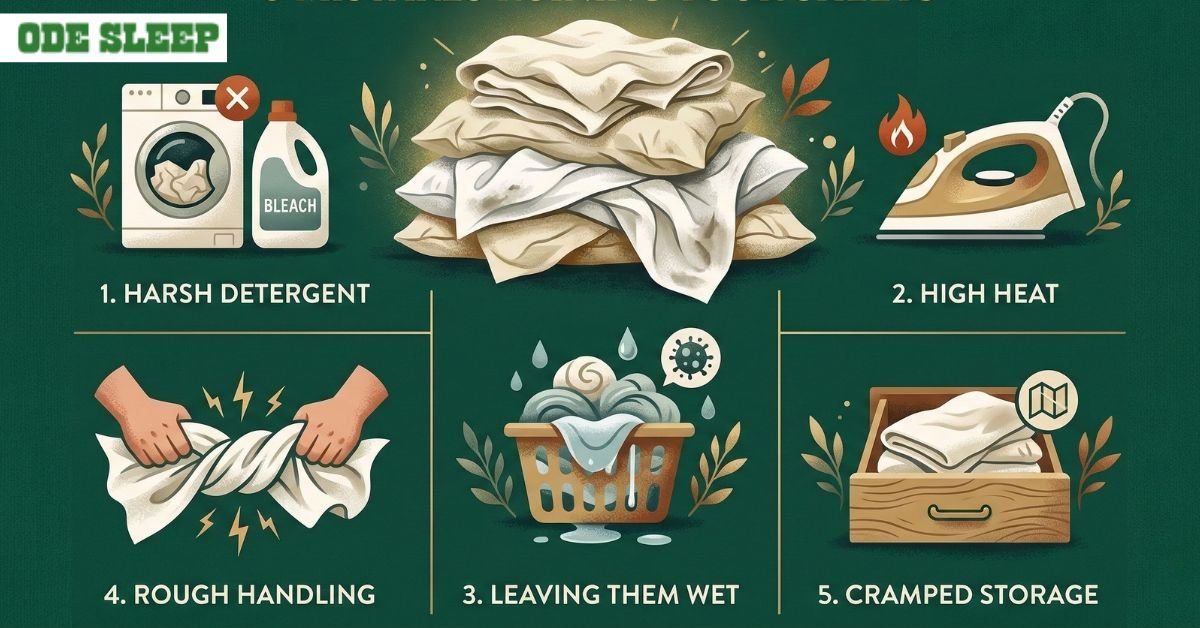
Before looking at what works, we have to identify the culprits. Many people unknowingly choose the worst fabric to wear for eczema: Synthetics.
Polyester, nylon, and acrylic are essentially plastic. They trap heat and sweat against the skin, creating a "greenhouse effect" that breeds bacteria and irritates sensitive nerves. Furthermore, be wary of interlining fabric used in structured sleepwear or heavy robes. These hidden layers are often stiff and treated with chemical adhesives that can cause contact dermatitis.
It isn’t just the fiber type; it’s the finish.
Brushing fabric: While "brushed" flannel feels soft to the touch, the process of lifting fibers to create that fuzz actually increases surface area and friction. For a hyper-reactive skin barrier, these tiny fibers can act like sandpaper.
Wavy-patterned fabric: Textured weaves or seersucker fabrics might look airy, but the uneven "peaks and valleys" of a wavy patterned fabric create localized pressure points and friction zones that can aggravate inflamed patches.
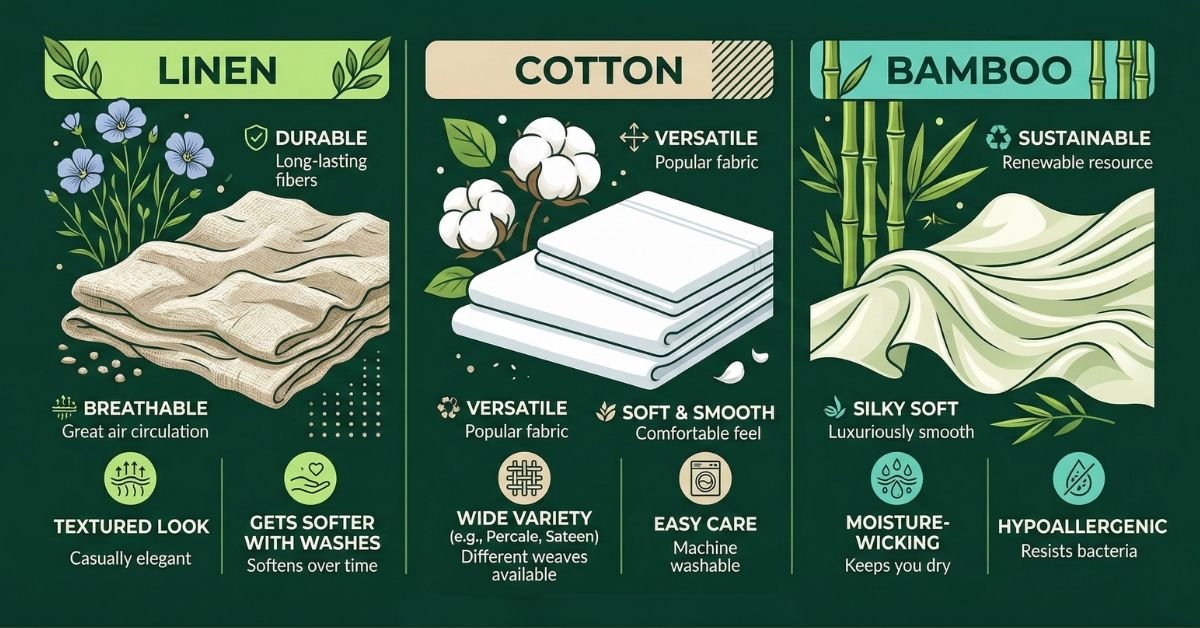
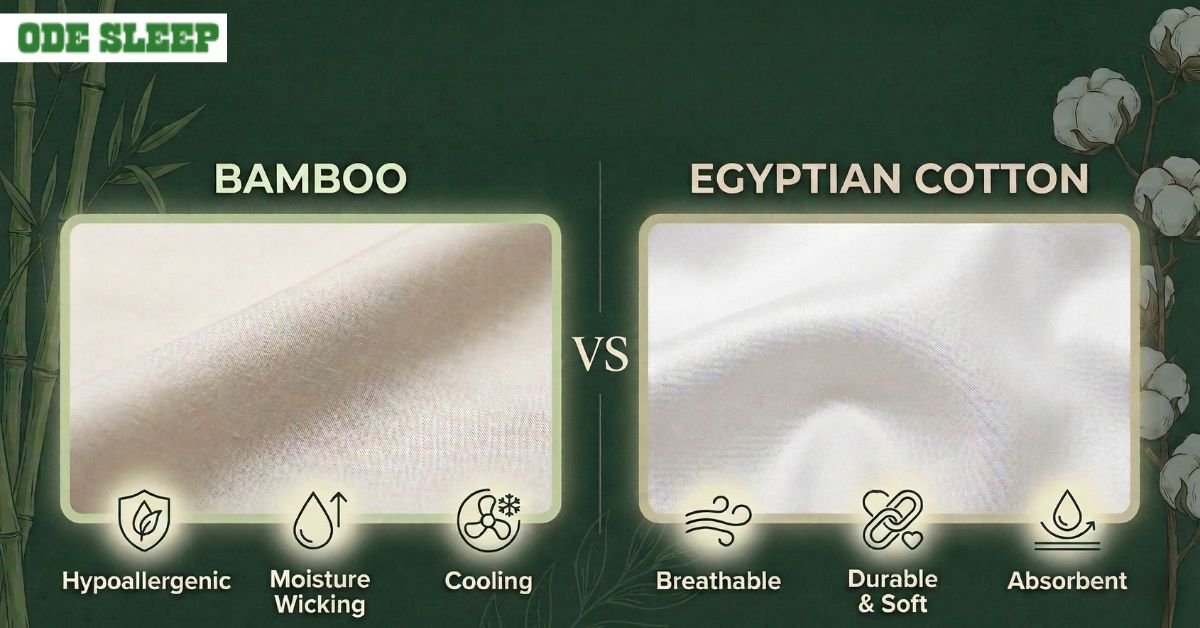
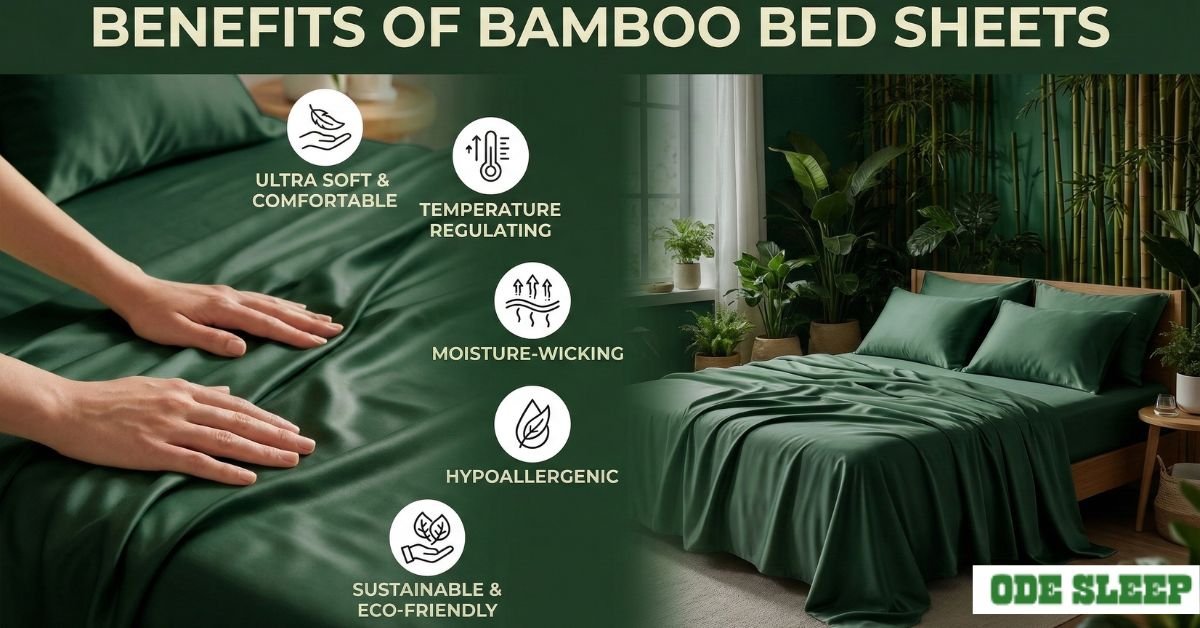
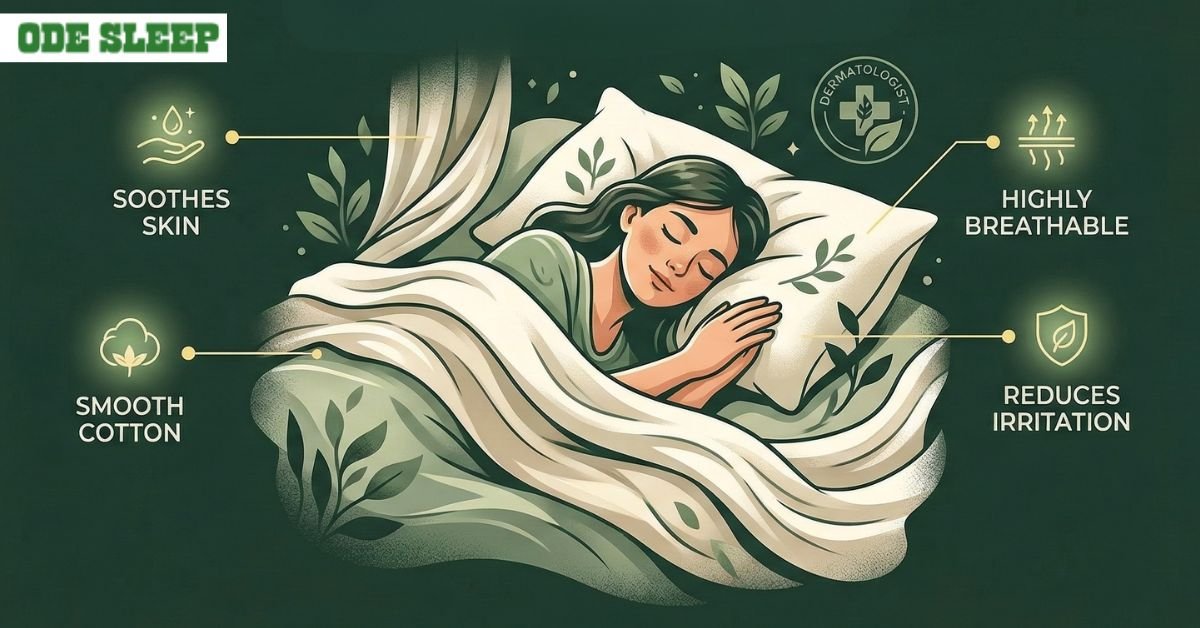
So, what should be in your closet? Dermatologists generally agree that the best fabric for sensitive skin is one that is breathable, moisture-wicking, and smooth.
To turn your bedroom into a recovery suite, follow these three dermatologist-approved tips:
Frequently Asked Questions (FAQs):
Viscose is generally safe and breathable, but it can be bad for sensitive skin if it contains harsh chemical residues or heavy dyes from the manufacturing process.
Cotton fabric is perfect for crafting breathable clothing, reusable face masks, soft bed linens, or durable kitchen accessories like napkins and aprons
Wool provides superior insulation and moisture-wicking for warmth, but cotton is generally better for sensitive skin because its smoother, non-prickly fibers are less likely to cause itching or irritation.
Yes, acrylic fabric is often itchy because its synthetic, jagged fibers lack the smoothness of natural materials and trap heat and sweat against the skin.
No, polyester is generally poor for eczema because it is a non-breathable synthetic that traps heat and sweat, which can quickly trigger itching and inflammation.


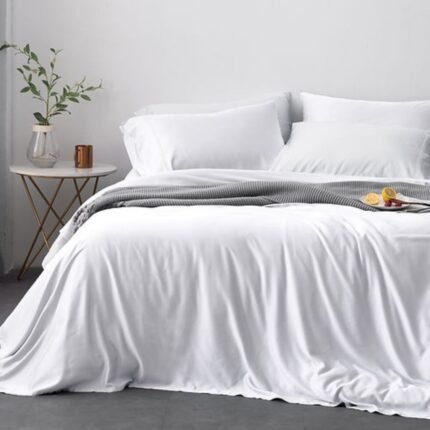 Island 100% bamboo bed sheet set
$65.00 – $80.00Price range: $65.00 through $80.00
Island 100% bamboo bed sheet set
$65.00 – $80.00Price range: $65.00 through $80.00
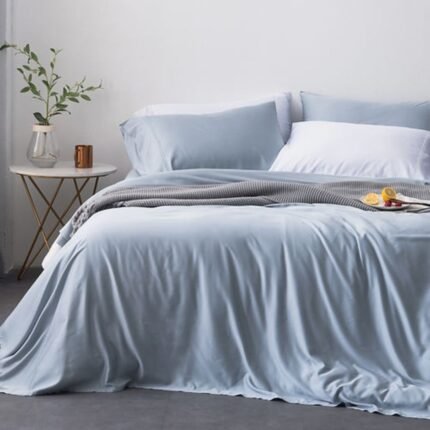 Island 100% bamboo bed sheet set | Blue
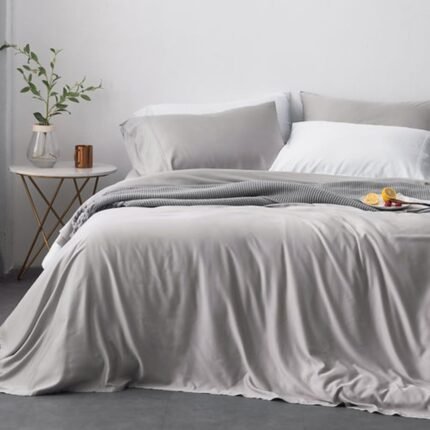 Island 100% bamboo bed sheet set | Grey
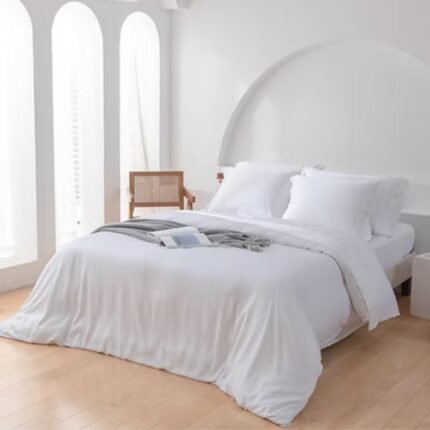 Island Bamboo Duvet Cover 100% Organic
$97.49 – $104.99Price range: $97.49 through $104.99
Island Bamboo Duvet Cover 100% Organic
$97.49 – $104.99Price range: $97.49 through $104.99
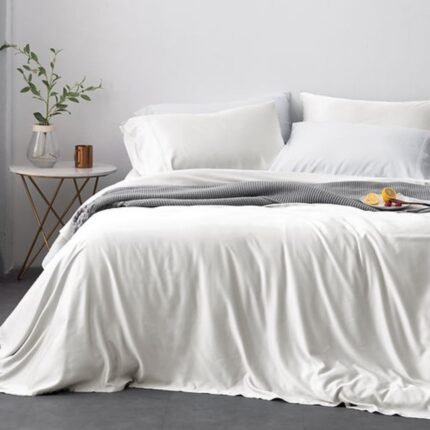 Island 100% bamboo bed sheet set | White Sand
No account yet?
Create an Account