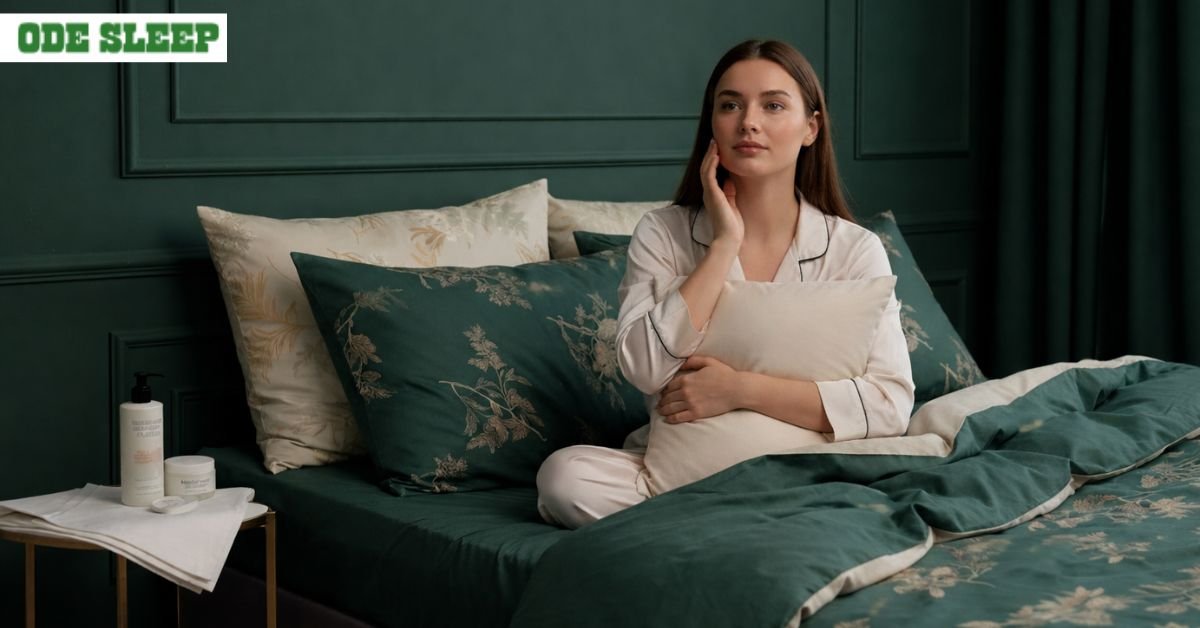
If you have perfected your 10-step skincare routine but are still waking up with mystery breakouts or inflamed patches, the culprit might not be your cleanser—it might be your pillowcase. We spend a third of our lives with our faces pressed against fabric, creating a literal petri dish of sweat, oils, and bacteria.
Understanding the connection between your skin act bed habits, and your complexion is the "missing link" in dermatological health. Here is how to choose the right layers to save your skin.
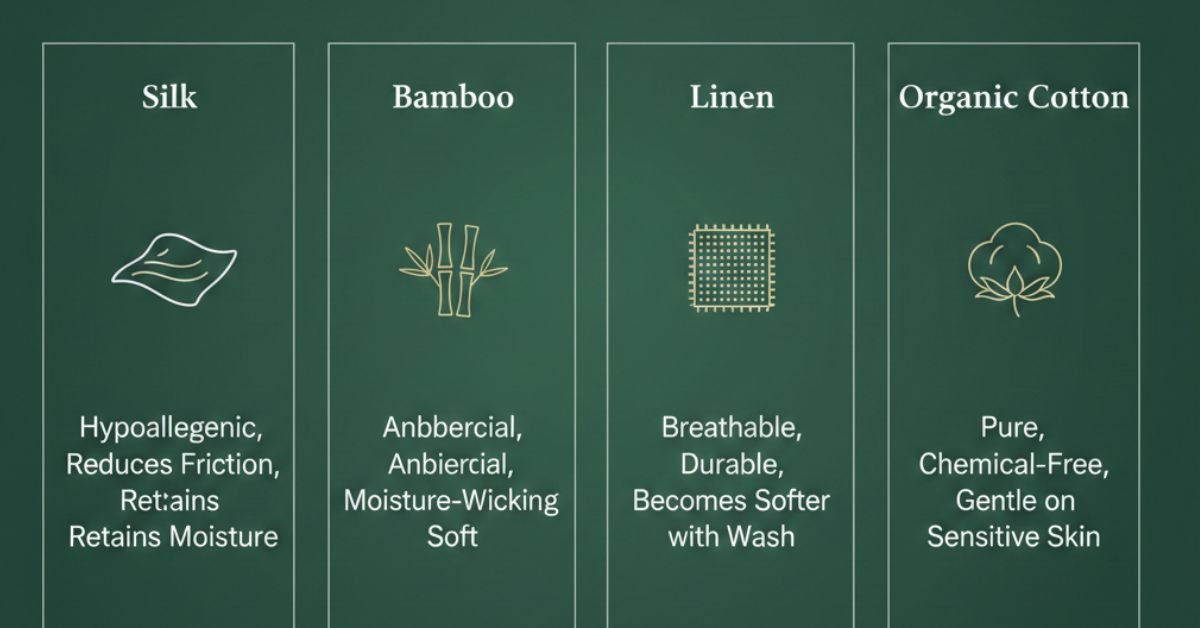
Not all fabrics are created equal when it comes to dermatology. The best material for bed sheets for skin is undoubtedly a natural, long-staple fiber that allows for maximum airflow.
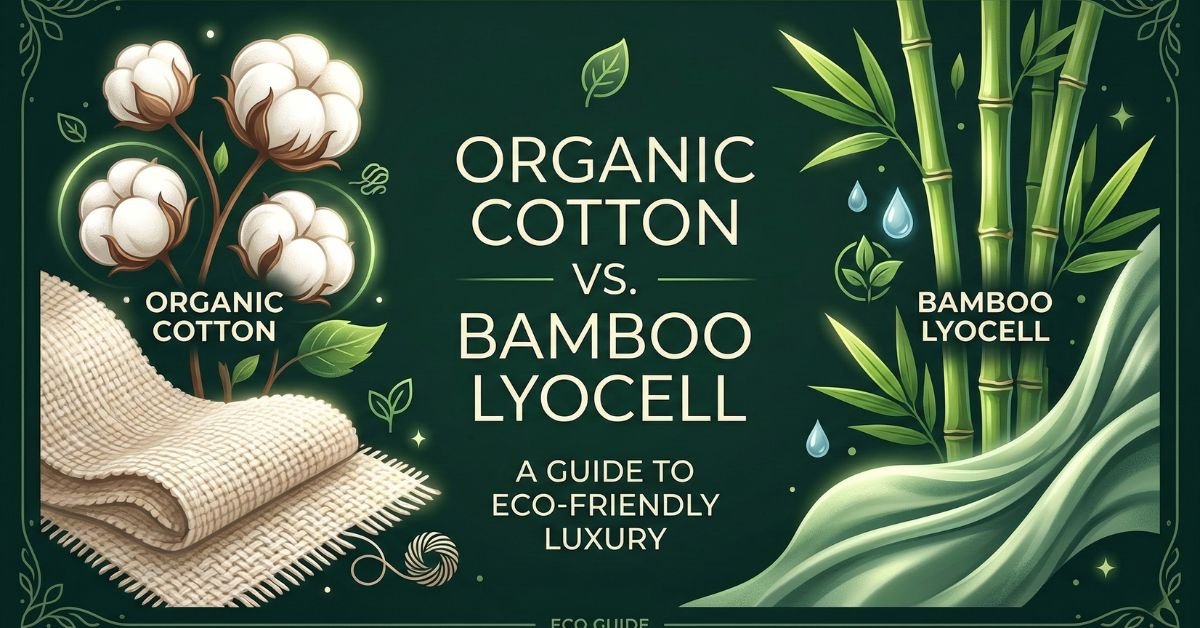
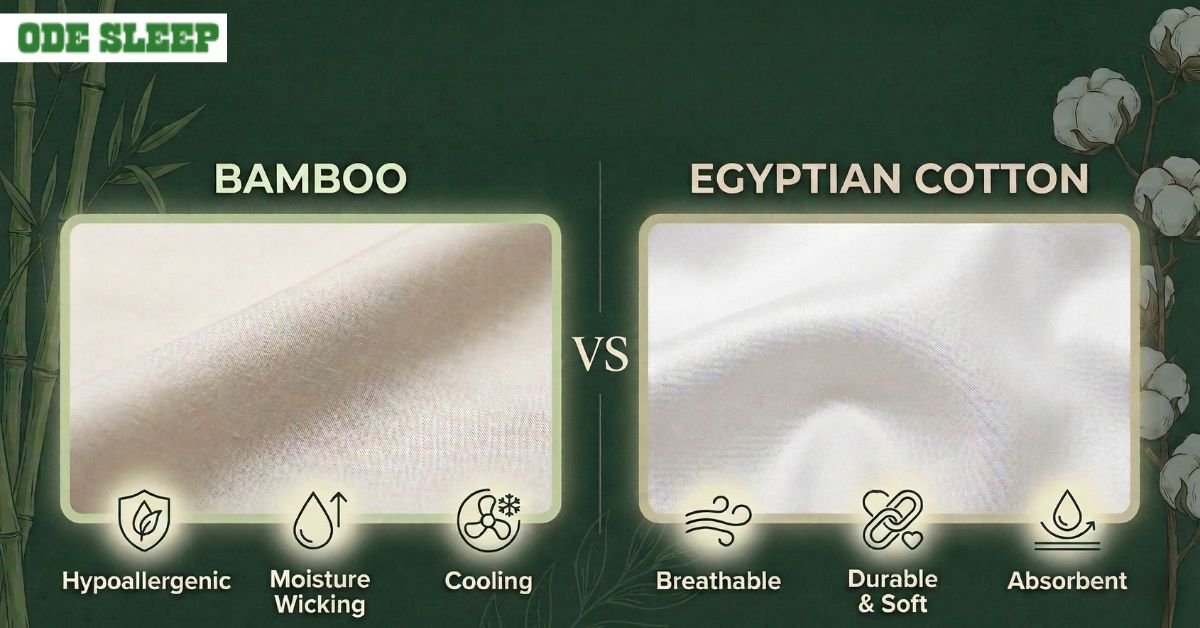
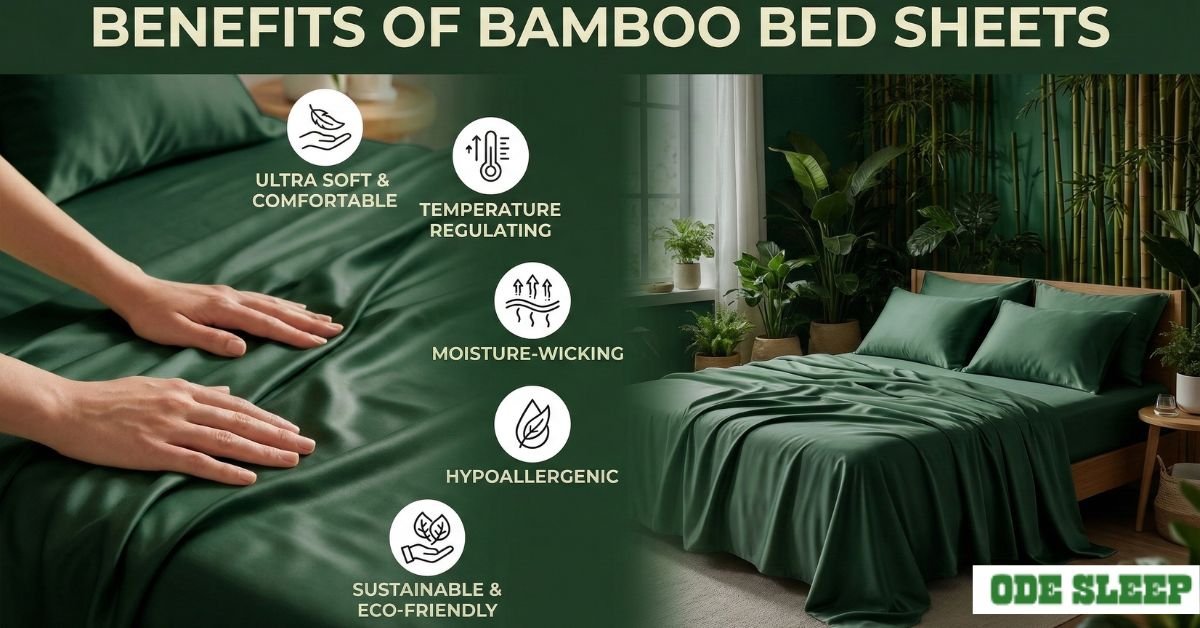
Acne-prone skin requires a material that won't harbor "P. acnes" bacteria. The best bed sheets for acne are those infused with silver ions or made from Bamboo. Bamboo is naturally antimicrobial and moisture-wicking, ensuring that sweat doesn't sit on the surface of the fabric and seep back into your pores overnight.
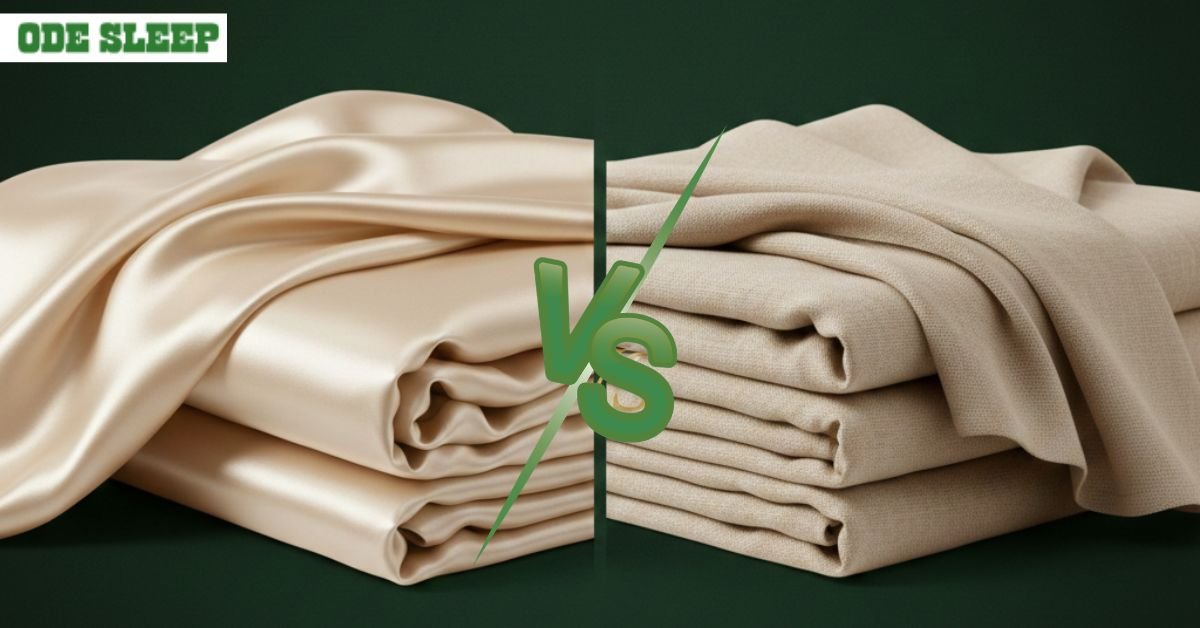
If you want to wake up without "bedhead" or sleep creases, you need the best bed sheets for skin and hair. Silk is the undisputed champion here. Because silk is a protein-based fiber, it doesn't absorb the expensive moisturizers you apply before bed, leaving the hydration on your face where it belongs. It also allows hair to glide across the surface, preventing breakage and frizz.
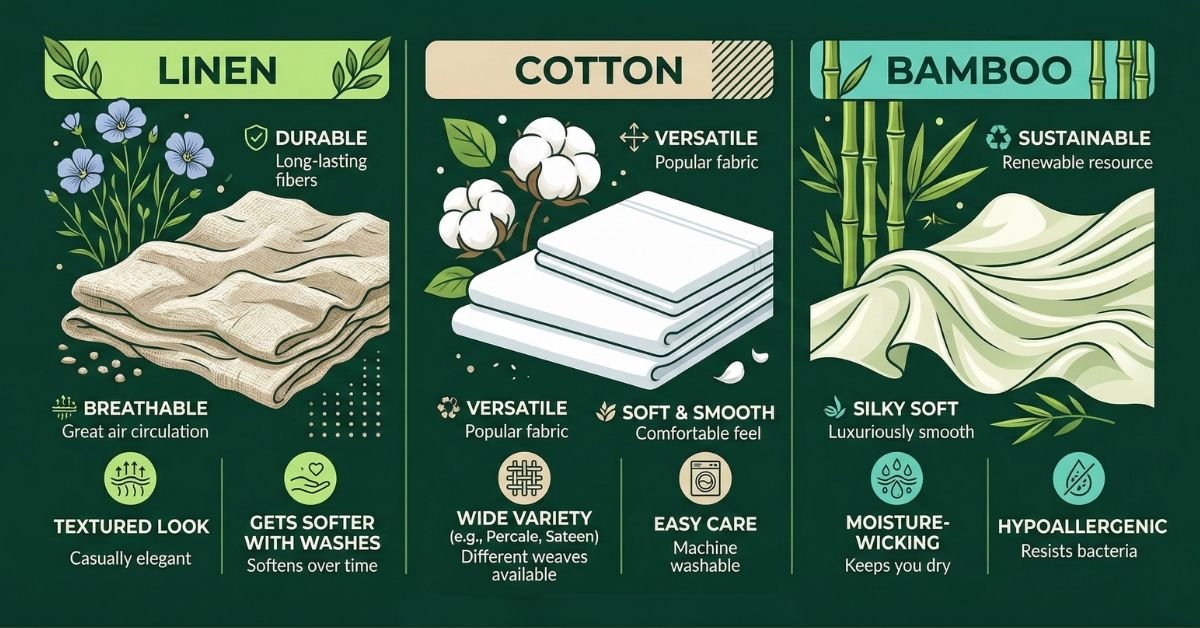
Material | Best For... | Key Benefit |
Silk | Anti-aging & Frizz | Zero friction; retains skin moisture. |
Bamboo | Acne-Prone Skin | Naturally antibacterial and cooling. |
Linen | Oily Skin | Highly breathable; prevents "sweat-trapping." |
Organic Cotton | Sensitive Skin | Hypoallergenic and free from toxic dyes. |
To truly break the cycle of "bedding-induced acne," I recommend following this protocol:
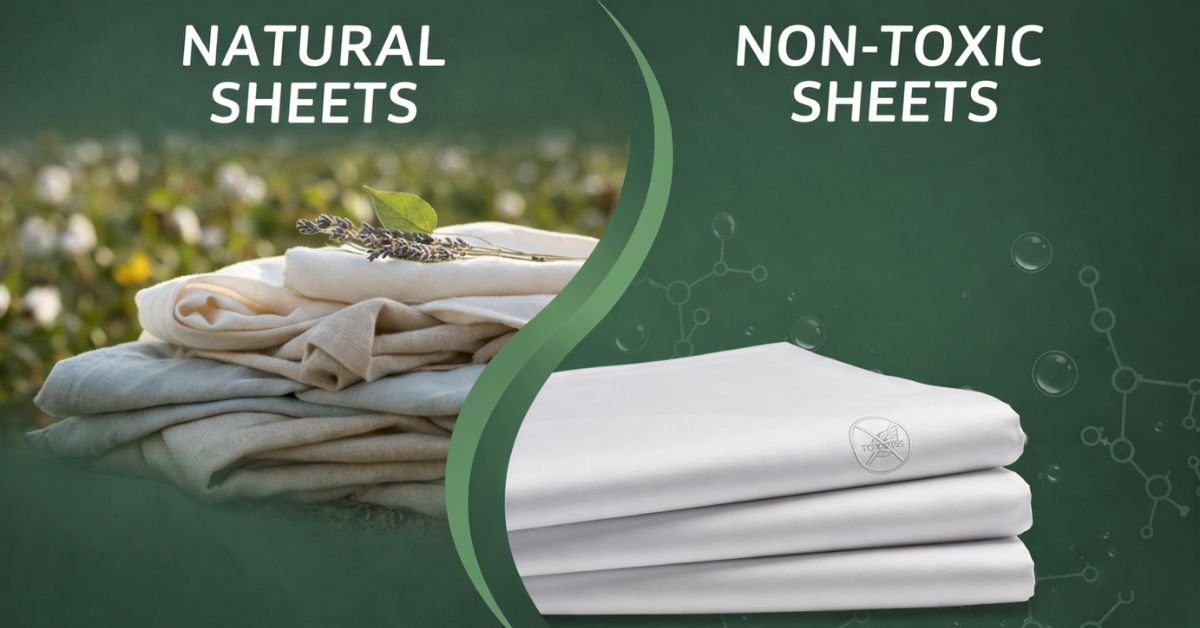
The least toxic bedding is made from 100% GOTS-certified organic natural fibers such as cotton, linen, hemp, or silk that are free from synthetic pesticides, toxic dyes, and chemical "wrinkle-free" finishes.
Absolutely, bedsheets can trigger irritation if they are made from scratchy synthetics, treated with harsh "wrinkle-free" chemicals, or have simply trapped too much bacteria and leftover laundry detergent in the fibers.
Yes, old bedding can definitely make you itchy as it accumulates dust mites, dead skin cells, and detergent buildup over time, which can trigger allergies or irritate your skin.


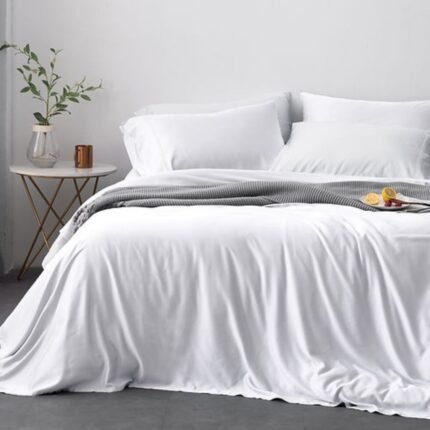 Island 100% bamboo bed sheet set
$65.00 – $80.00Price range: $65.00 through $80.00
Island 100% bamboo bed sheet set
$65.00 – $80.00Price range: $65.00 through $80.00
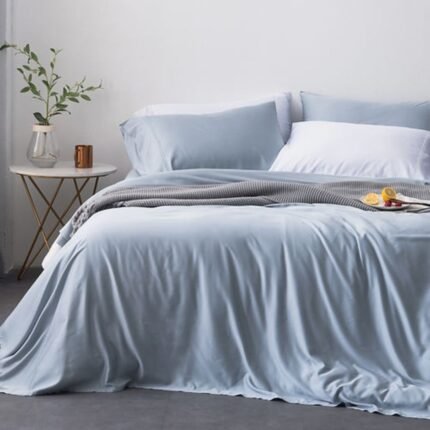 Island 100% bamboo bed sheet set | Blue
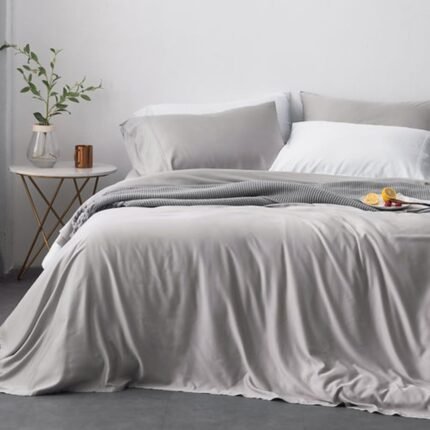 Island 100% bamboo bed sheet set | Grey
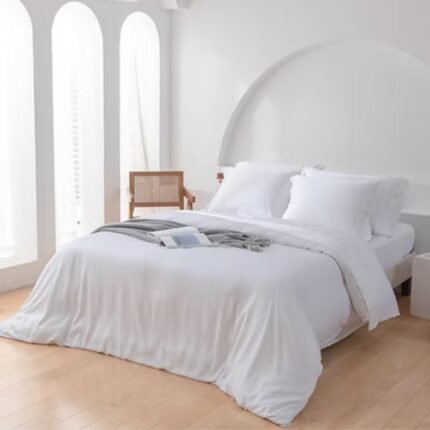 Island Bamboo Duvet Cover 100% Organic
$97.49 – $104.99Price range: $97.49 through $104.99
Island Bamboo Duvet Cover 100% Organic
$97.49 – $104.99Price range: $97.49 through $104.99
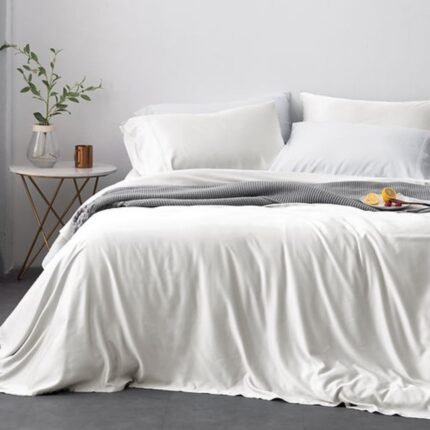 Island 100% bamboo bed sheet set | White Sand
No account yet?
Create an Account