Investing in high-quality bedding is an investment in your sleep hygiene, but premium fabrics require specific care. Even the most expensive long-staple cotton or organic linen can degrade quickly if treated like a standard bath towel.
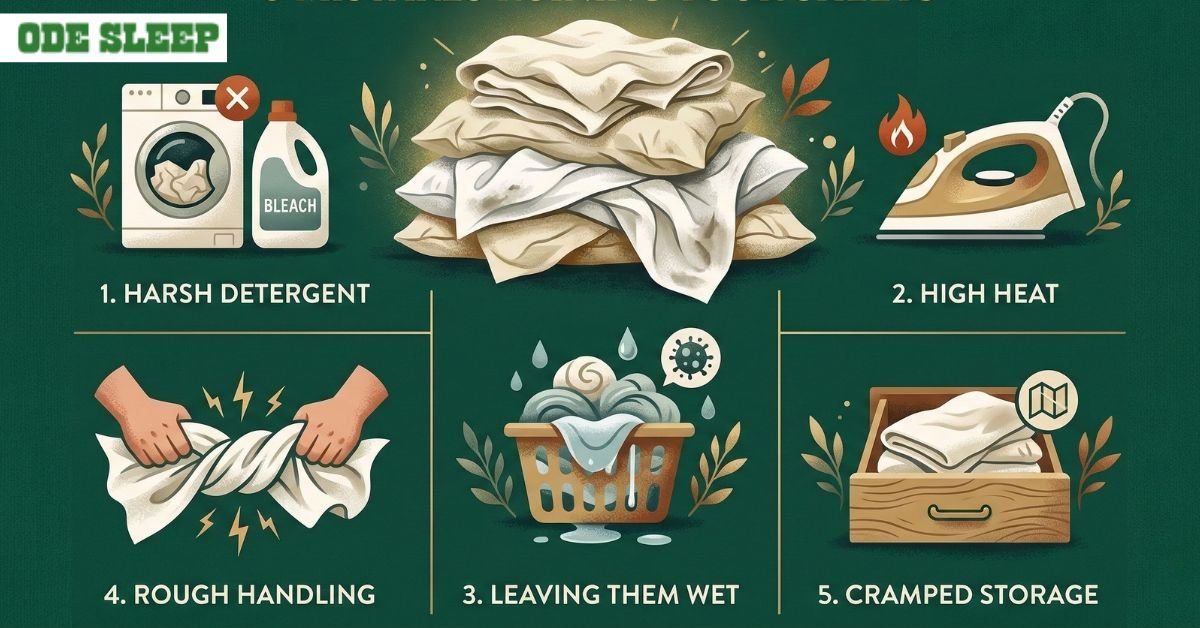
If your bedding is losing its luster, here are five common mistakes to avoid to ensure your sanctuary stays soft and durable.
A common question for new owners of high-end bedding is: Should I use fabric softener on bed sheets? While it sounds counterintuitive, the answer is generally no.
Fabric softener on bed sheets works by coating fibers in a thin layer of wax or silicone. Over time, this buildup reduces the breathability of luxury natural fibers and can actually make them feel scratchy or "greasy" rather than soft. For premium textiles, these chemicals can also weaken the integrity of the weave, leading to shredded bed sheets much sooner than expected.
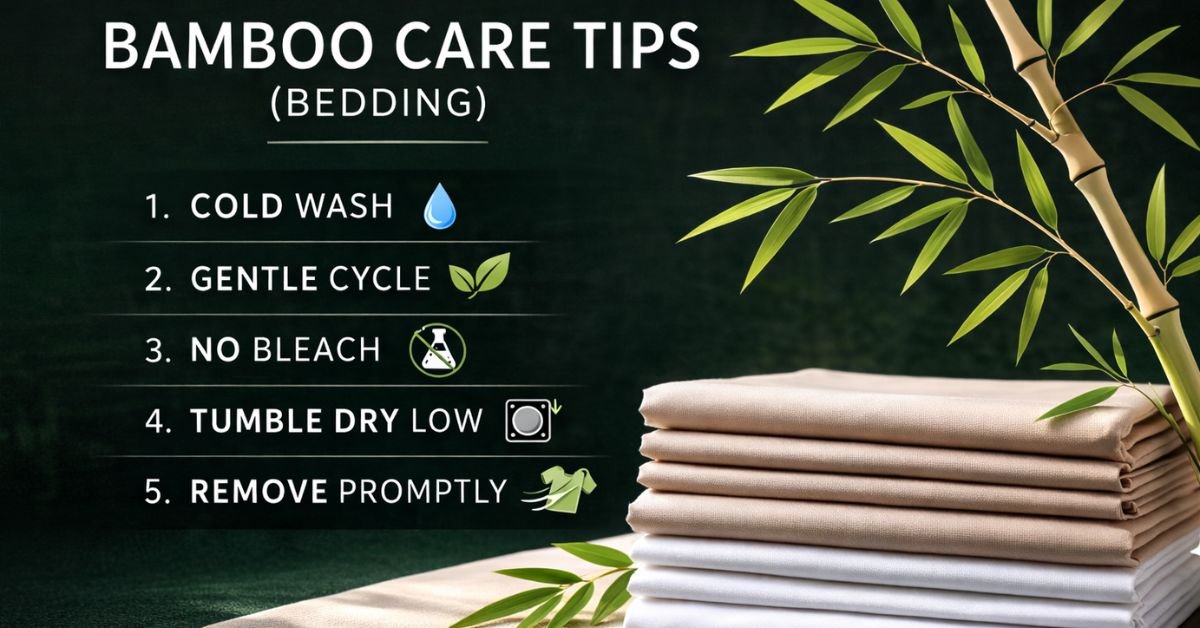
When it comes to the laundry bed sheets routine, "Heavy Duty" is rarely the right choice. High temperatures and aggressive agitation break down the delicate fibers of luxury linens. To maintain the structural integrity of the fabric, always use a gentle cycle with cool or lukewarm water. This prevents the friction that causes premature thinning and tearing.
The most common culprit for ruined bedding isn't the wash, it’s the heat. Setting your bed sheets' dryer setting to "High" can bake the moisture out of the fibers, making them brittle.
Pro Tip: Use a "Low Heat" or "Delicate" setting. Remove the sheets while they are still slightly damp to the touch and hang them to finish drying naturally. This significantly reduces wrinkles and prevents the fibers from snapping.
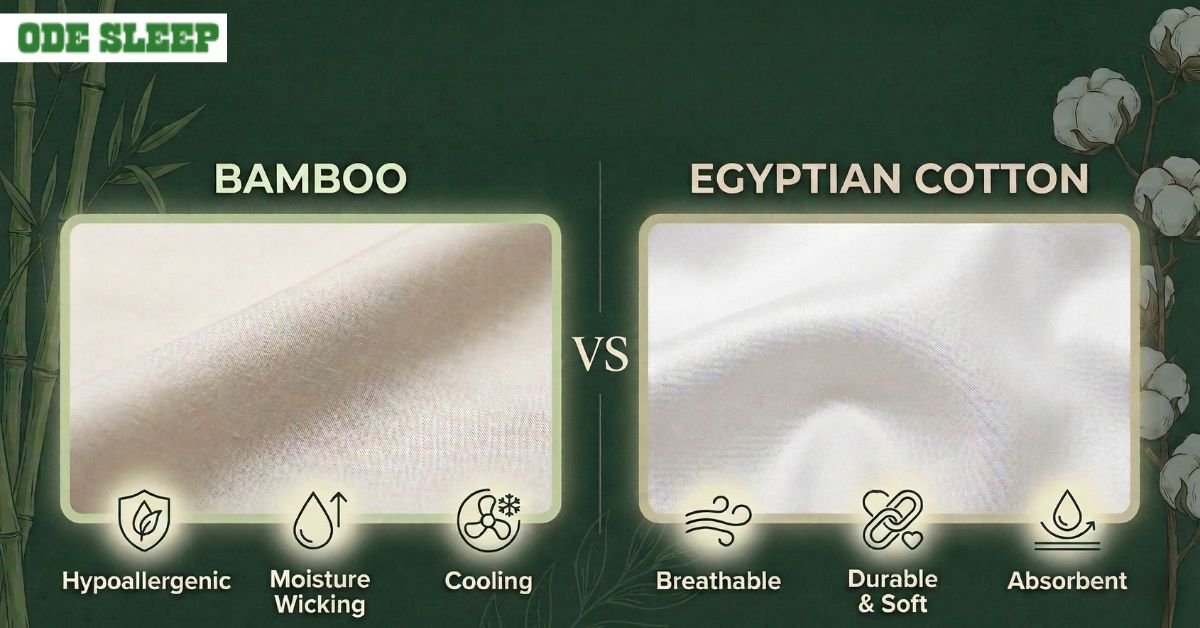
Many people wonder, should you use dryer sheets with bed sheets to reduce static? Much like liquid softeners, dryer sheets deposit a filmy residue on the fabric. This coating interferes with the moisture-wicking properties of materials like bamboo or Egyptian cotton, making your bed feel hotter at night.
Bed sheet pilling, those tiny, annoying bumps on the surface, is often caused by a combination of heat and friction. Washing your sheets with rougher items like denim or towels creates an abrasive environment. To keep the surface smooth, always wash your luxury sheets in a load by themselves.
To keep your sheets in showroom condition, consider these three upgrades to your routine:
Frequently Asked Questions (FAQs):
It's actually better to skip them, as the waxy coating on dryer sheets can clog the fibers and make your high-quality bedding less breathable over time.
Those little balls, or pilling, happen when loose fibers get tangled together due to heat and friction from washing or rubbing against other fabrics.
It’s best to wash them separately, as zippers and rougher clothing fabrics can rub against your sheets and cause them to pill or tear prematurely.


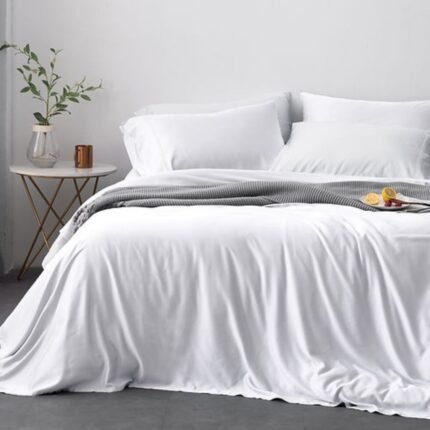 Island 100% bamboo bed sheet set
$65.00 – $80.00Price range: $65.00 through $80.00
Island 100% bamboo bed sheet set
$65.00 – $80.00Price range: $65.00 through $80.00
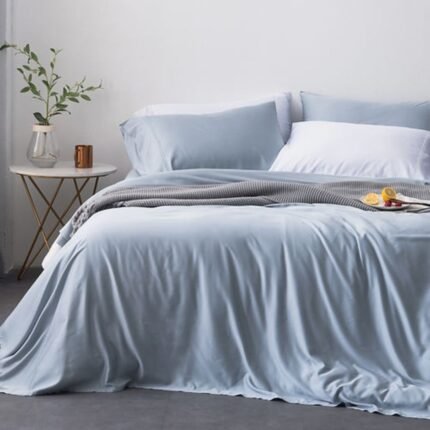 Island 100% bamboo bed sheet set | Blue
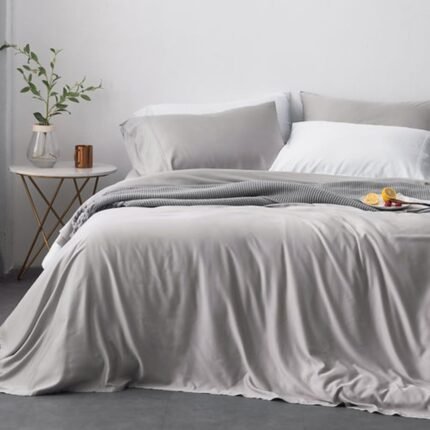 Island 100% bamboo bed sheet set | Grey
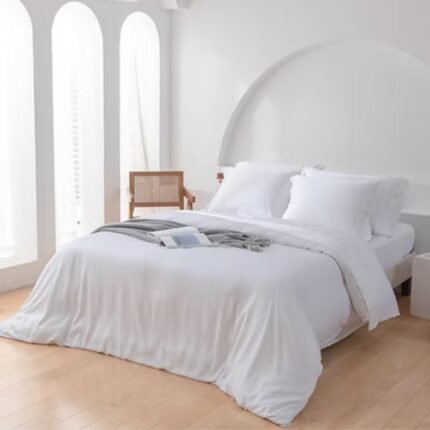 Island Bamboo Duvet Cover 100% Organic
$97.49 – $104.99Price range: $97.49 through $104.99
Island Bamboo Duvet Cover 100% Organic
$97.49 – $104.99Price range: $97.49 through $104.99
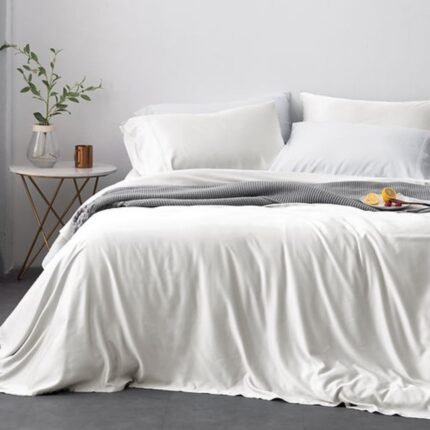 Island 100% bamboo bed sheet set | White Sand
No account yet?
Create an Account