If you’ve spent your nights scrolling through forums or staring at the ceiling, you’ve likely realized that a good night’s rest doesn't start when your head hits the pillow; it starts hours before. While many parents swear by the Precious Little Sleep method for their kids, adults often need a concrete framework to reset their own internal clock.
Enter the 10-3-2-1-0 sleep rule, a systematic countdown designed to prime your central nervous system for deep, restorative rest.
Unlike the Possums sleep method, which focuses on following natural biological cues, this rule is about strict boundary setting. It creates a "buffer zone" between the chaos of your day and the stillness of the night.
It takes roughly ten hours for the stimulant effects of caffeine to fully clear your bloodstream. Even if you don't "feel" the jitters, caffeine has a half-life that can keep your brain in a state of alertness.
Authority Note: According to the National Institutes of Health (NIH), caffeine consumed even six hours before bed can reduce total sleep time by more than an hour.
Giving your digestive system a break prevents the metabolic "heat" that occurs during digestion. While alcohol might make you feel drowsy, it actually fragments your sleep cycle and prevents deep REM sleep.
Authority Note: The Mayo Clinic notes that lying down too soon after eating is a primary trigger for acid reflux, which can cause "silent" wakeups during the night.
This is your mental "off switch." Stopping work two hours prior prevents cognitive arousal—that state where your brain continues to problem-solve and "loop" on tasks, making it impossible to drift off.
Put down the phone and turn off the TV. Blue light mimics daylight, which tricks your brain into suppressing melatonin, the hormone responsible for sleep.
Authority Note: The CDC (Centers for Disease Control) highlights that blue light from screens has a more powerful effect on your circadian rhythm than any other wavelength.
Hitting the snooze button puts you into a state of sleep inertia. You begin a new sleep cycle that you cannot finish, leaving you feeling groggier than if you had just woken up at the first alarm.
Authority Note: Harvard Medical School suggests that the fragmented sleep gained between "snoozes" provides no actual restorative value.
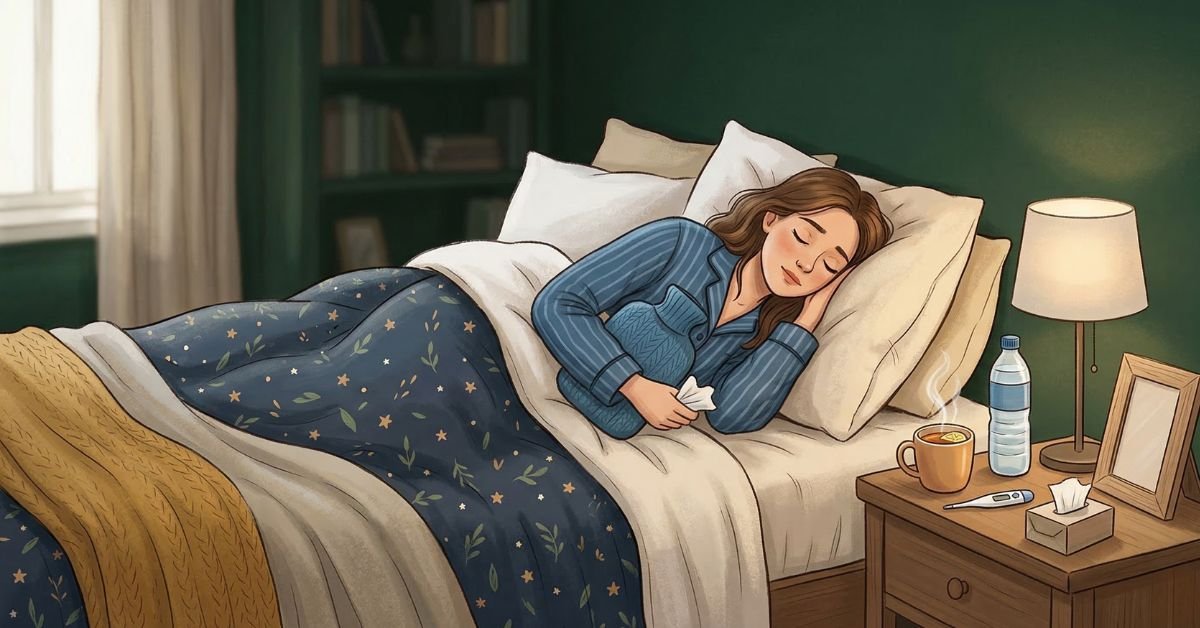
Sometimes, even a perfect countdown doesn't fix physical discomfort. If you are recovering from surgery or dealing with congestion, you may need to sleep upright. The key is to use a wedge pillow or support the natural curve of your spine.
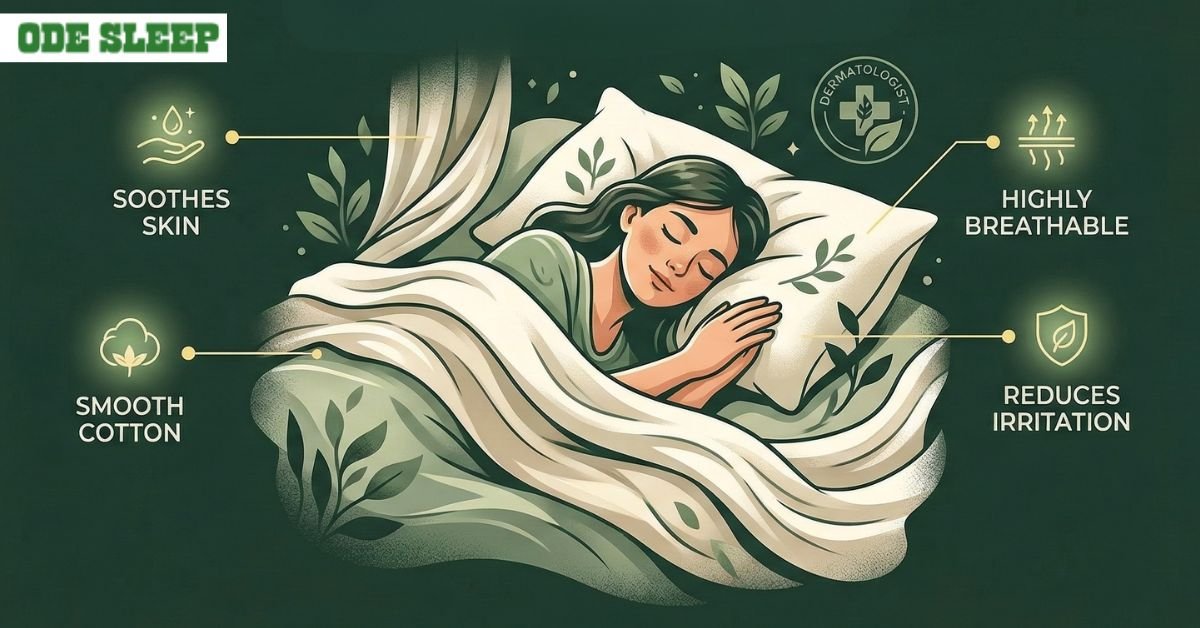
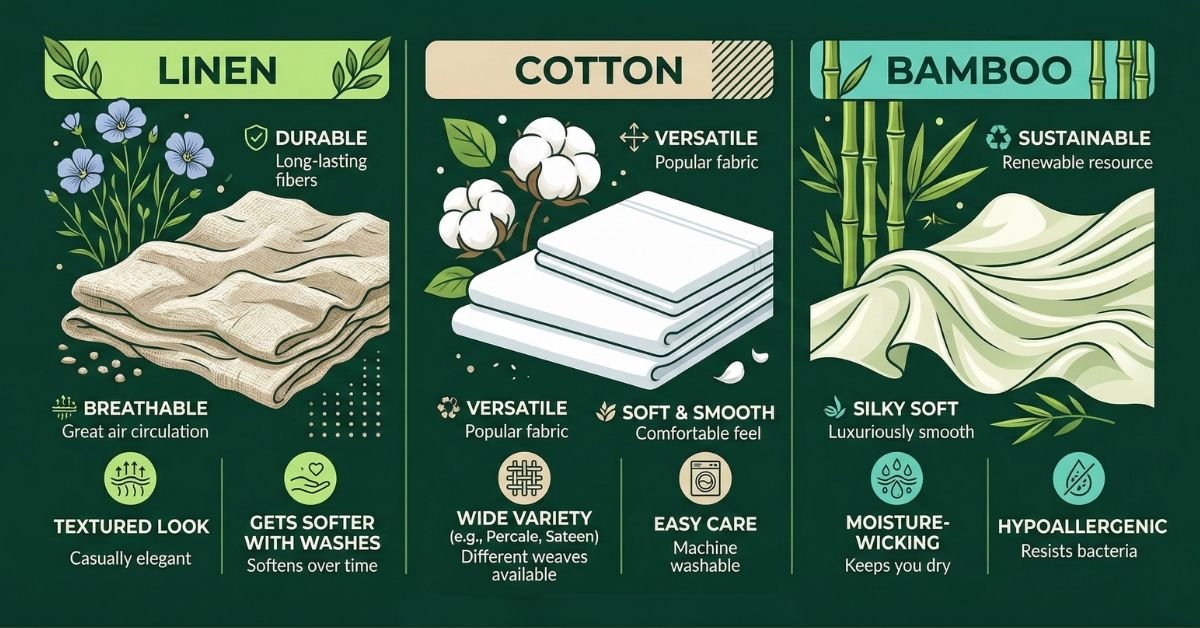
Pro Tip: To maximize the benefits of the 10-3-2-1-0 rule, your sleep environment must be breathable. Brands like OdeSleep specialize in organic bamboo bedding that regulates temperature, ensuring that even if you are propped up, you don't overheat—a common cause of mid-night wakeups.
| Method | Focus Area | Best For |
|---|---|---|
| 10-3-2-1-0 Rule | Daily Habits | Adults looking for a routine |
| Precious Little Sleep | Sleep Foundations | Parents of infants/toddlers |
| Sleep Wave | Timed Reassurance | Breaking "sleep associations" |
| Possums Method | Biological Rhythms | High-needs infants and flexible schedules |
Sometimes, even a perfect countdown doesn't fix physical discomfort. If you are recovering from surgery or dealing with congestion, you may need to sleep upright. To do this effectively, avoid simply propping up your head, which causes neck strain. Instead, use a wedge pillow or stack pillows in a staggered "staircase" formation to support the natural curve of your spine.
Frequently Asked Questions (FAQs):
No, the 10-3-2-1-0 rule mainly improves sleep and daily habits, which may support overall weight loss over time, but doesn’t directly target belly fat.
Yes, the 10-3-2-1-0 method can help lower cortisol levels by promoting better sleep and reducing late-day stress triggers.
Yes, but slow caffeine metabolizers may need more than 10 hours to fully avoid sleep disruption.
Yes, the word-association sleep hack can help calm the mind and fall asleep faster for some people.
The best time for morning sunlight is within the first hour after sunrise to reset your sleep-wake cycle.
Disclaimer: The information in this article is for educational and informational purposes only and is not intended as medical advice.


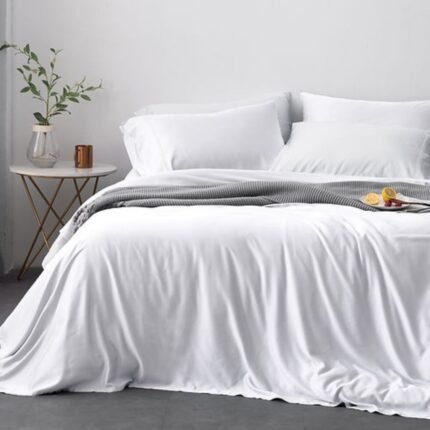 Island 100% bamboo bed sheet set
$65.00 – $80.00Price range: $65.00 through $80.00
Island 100% bamboo bed sheet set
$65.00 – $80.00Price range: $65.00 through $80.00
 Island 100% bamboo bed sheet set | Blue
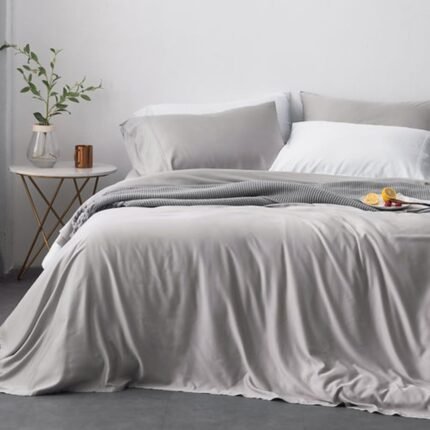 Island 100% bamboo bed sheet set | Grey
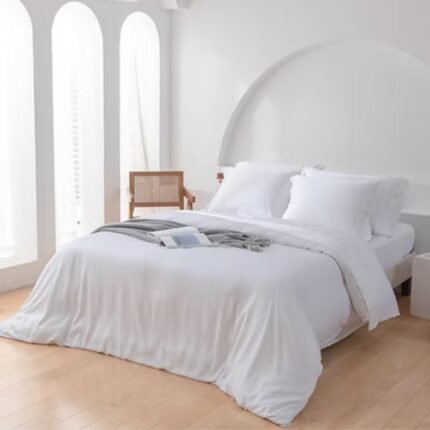 Island Bamboo Duvet Cover 100% Organic
$97.49 – $104.99Price range: $97.49 through $104.99
Island Bamboo Duvet Cover 100% Organic
$97.49 – $104.99Price range: $97.49 through $104.99
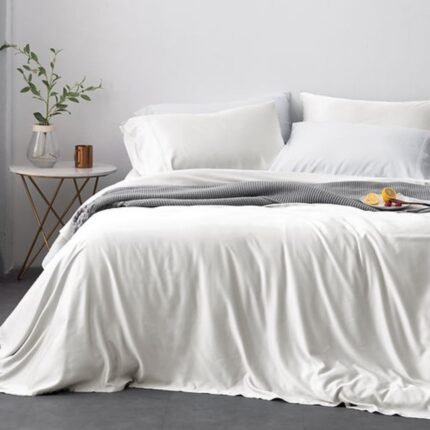 Island 100% bamboo bed sheet set | White Sand
No account yet?
Create an Account