Getting quality rest at 30,000 feet often feels like a Herculean task, especially when you’re confined to a small seat with ambient engine noise and shifting cabin lights. However, with the right strategy and a few clever airplane hacks for sleeping, you can transform a cramped seat into a functional rest zone.
Here is your comprehensive guide on how to sleep on a plane comfortably, whether you’re crossing an ocean or just hopping between cities.
The secret to how to sleep on a long flight begins with your immediate surroundings. Since you can’t control the cabin temperature or your neighbor’s reading light, you must bring your own "darkness and quiet."
True rest on a plane isn't just about blocking noise; it’s about 'masking' the environment to trick your nervous system into a state of safety. Beyond noise-canceling headphones, consider using a dedicated pillow cover infused with familiar scents from home, like lavender. This utilizes 'olfactory anchoring' using a familiar smell to signal to your brain that it is in a safe, known environment, which can drastically lower cortisol levels and make falling into a deep sleep much easier in a crowded cabin.
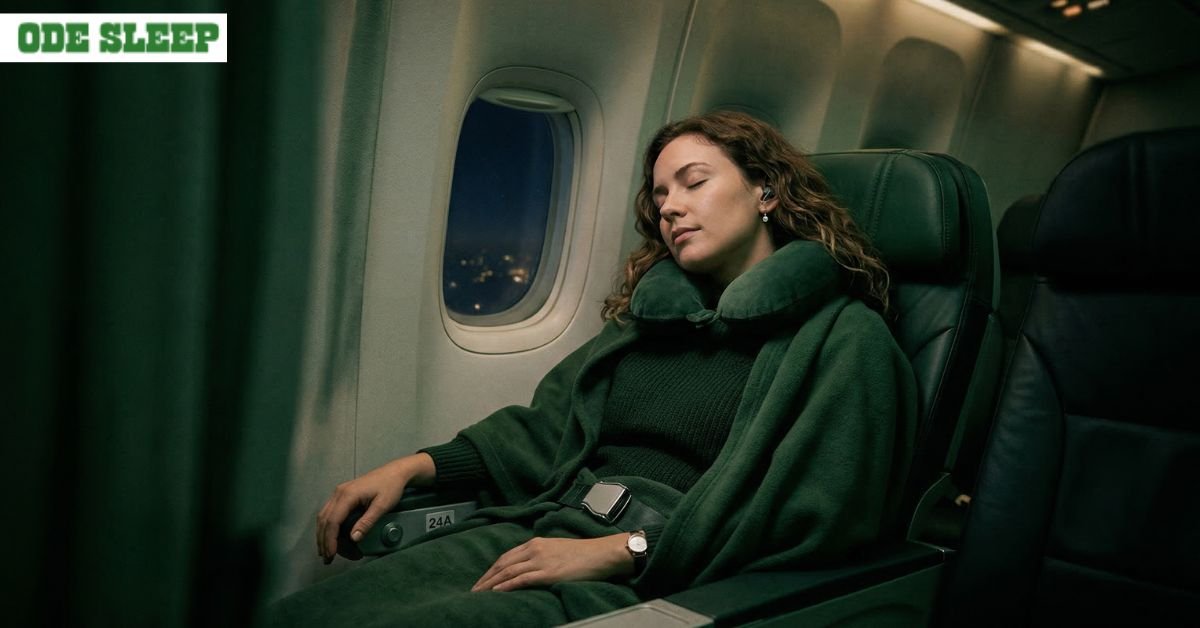
If you aren't in a lie-flat pod, knowing how to sleep on a plane in economy requires tactical positioning.
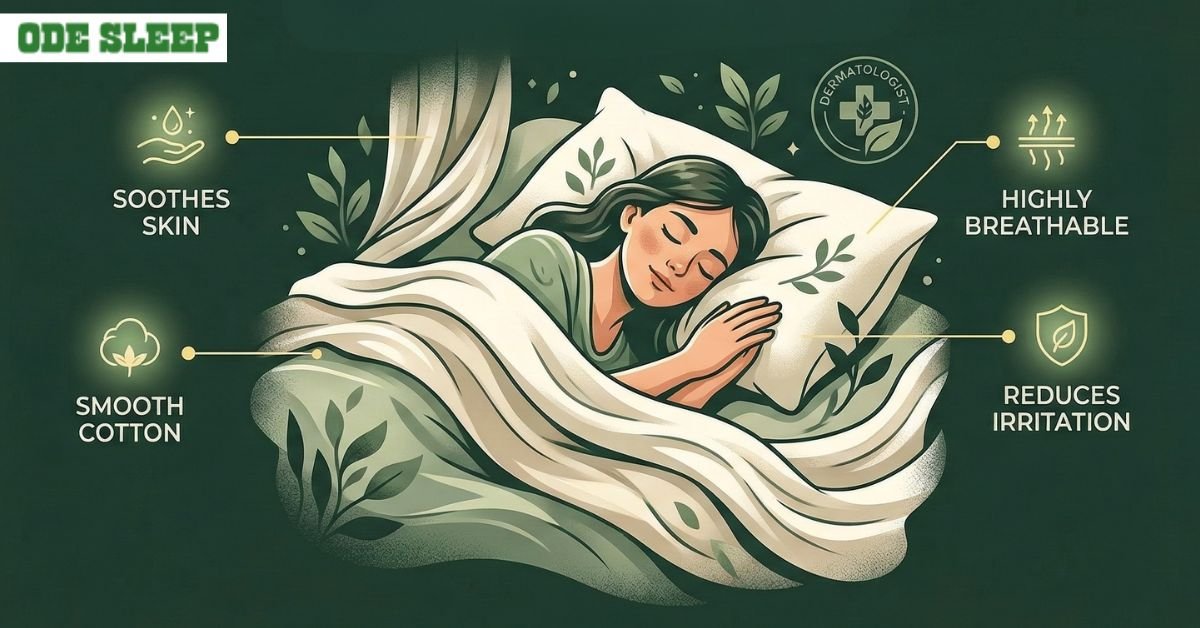
Your skin and senses are more sensitive in the dry, recycled air of a cabin. Using a pillow cover for travel is a pro-level move; it provides a soft, familiar texture against your face while acting as a hygienic barrier against airline-provided pillows or aged memory foam.
Additionally, dressing in breathable, loose layers like organic cotton or bamboo helps regulate your body temperature, which naturally drops when you enter deep sleep.
If you find yourself sneezing or dealing with itchy skin after a flight, it might not just be the dry cabin air. Many travelers have a localized allergic reaction to bed sheets and pillows provided by airlines, which can trap dust mites and harsh cleaning chemicals.
To understand how to protect your skin and respiratory system while you sleep both in the air and at home read our guide on Why Allergy-Friendly Sheets Are the Secret to Better Sleep.
While most travelers focus on the bulk of their clothing, the secret to staying asleep at 30,000 feet lies in thermoregulation. Cabin temperatures are notoriously unpredictable, often swinging from frigid to stifling. By choosing base layers made of bamboo or organic cotton, you leverage natural fibers that are significantly more breathable than synthetic polyester. These materials wick moisture away from the skin, preventing that 'clammy' feeling that often triggers the body to wake up during light sleep cycles.
Learning how to sleep on an overnight flight is all about timing. Try to sync your "bedtime" with the destination's time zone as soon as you board.
| Item | Purpose | Benefit |
| Travel Pillow | Neck Support | Prevents "head bobbing" and neck strain. |
| Pillow Cover | Hygiene & Comfort | Provides a clean, soft surface for your skin. |
| Noise-Canceling Tech | Audio Isolation | Blocks engine roar and cabin chatter. |
| Compression Socks | Circulation | Reduces swelling on long-haul trips. |
By combining these physical tools with a consistent pre-sleep routine, you can master how to sleep on a plane comfortably and arrive at your destination feeling refreshed rather than depleted.
Frequently Asked Questions (FAQs):
Flip your travel pillow so the bulk is under your chin to prevent your head from snapping forward and waking you up.
Yes, reclining shifts your center of gravity backward, which reduces the pressure on your lower spine and prevents your head from falling forward into an upright "nodding" cycle that disrupts deep sleep.
The combination of low humidity, fluctuating cabin noise, and the upright posture prevents your body from fully relaxing, which keeps you in a state of light sleep and prevents the deep muscle paralysis required for stable REM cycles.
You cannot technically "bank" extra sleep hours to use later, but extending your sleep by one to two hours for several nights before a flight can significantly improve your alertness and cognitive performance once the sleep deprivation of travel begins.
Your feet get cold because cabin air circulates at floor level, and your blood flow naturally slows down during rest, which drops your skin temperature and signals your brain to stay alert rather than drift into deep sleep.
One of the most common reasons passengers are woken up is for a mid-flight turbulence check. To ensure uninterrupted rest, always buckle your seatbelt over your top layer or blanket. This allows flight attendants to see you are secured without needing to tap your shoulder or disturb your sleep cycle during routine safety sweeps.


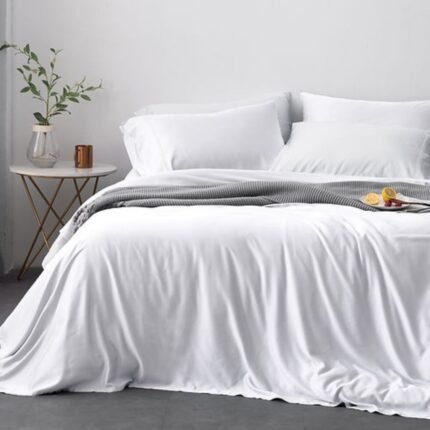 Island 100% bamboo bed sheet set
$65.00 – $80.00Price range: $65.00 through $80.00
Island 100% bamboo bed sheet set
$65.00 – $80.00Price range: $65.00 through $80.00
 Island 100% bamboo bed sheet set | Blue
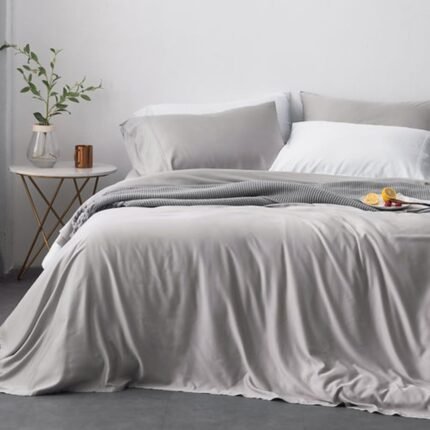 Island 100% bamboo bed sheet set | Grey
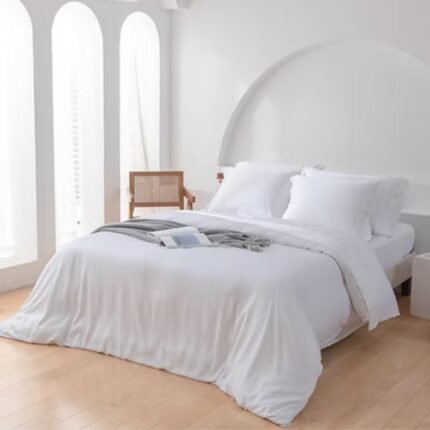 Island Bamboo Duvet Cover 100% Organic
$97.49 – $104.99Price range: $97.49 through $104.99
Island Bamboo Duvet Cover 100% Organic
$97.49 – $104.99Price range: $97.49 through $104.99
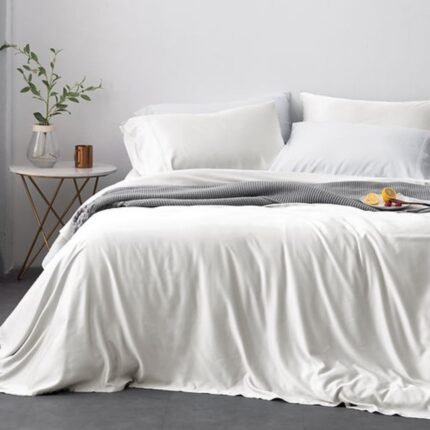 Island 100% bamboo bed sheet set | White Sand
No account yet?
Create an Account