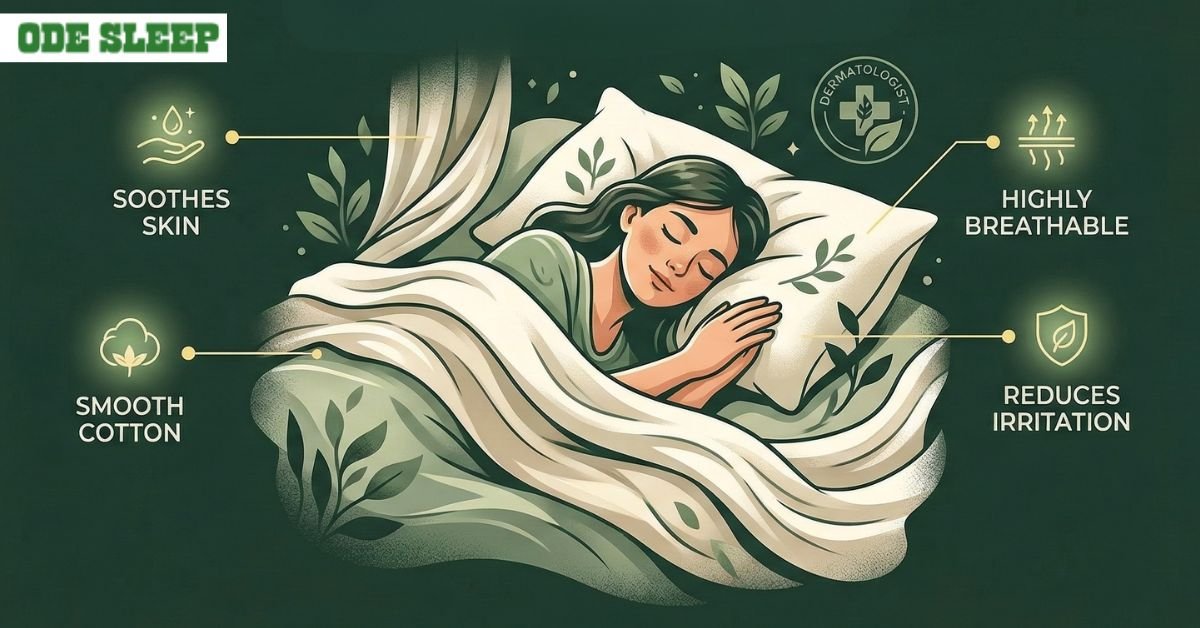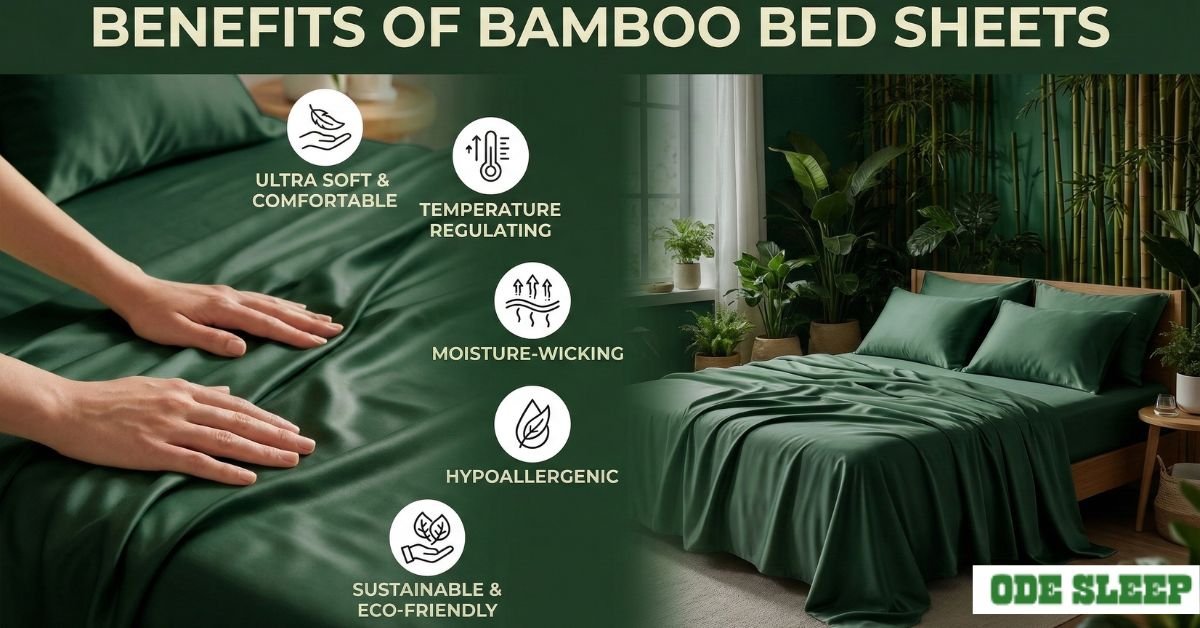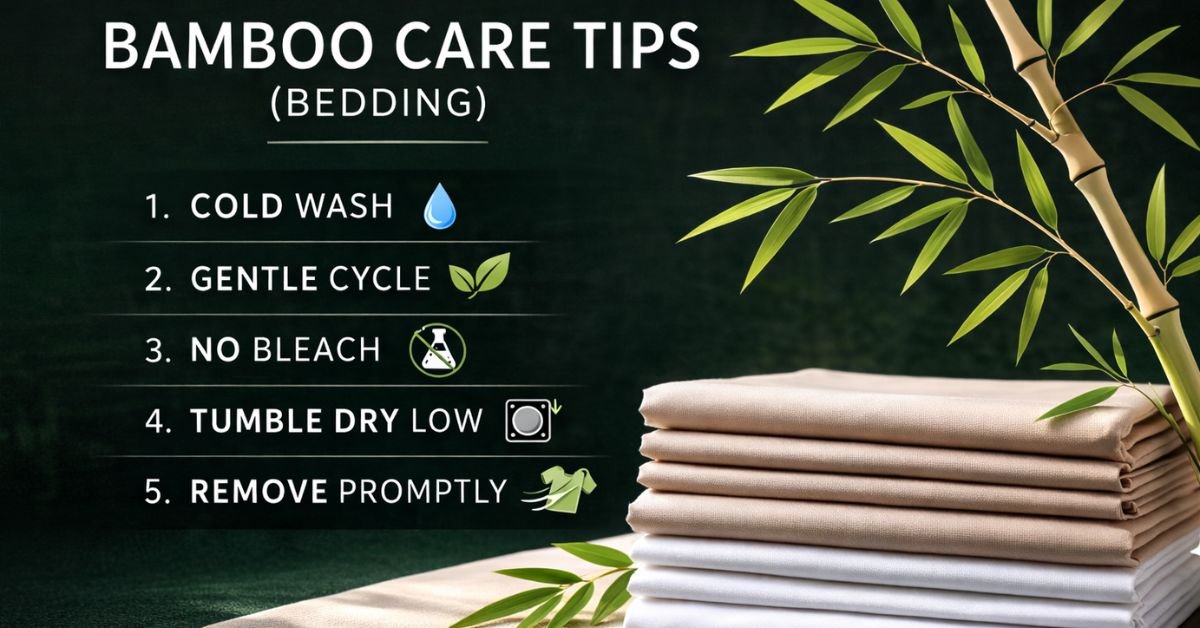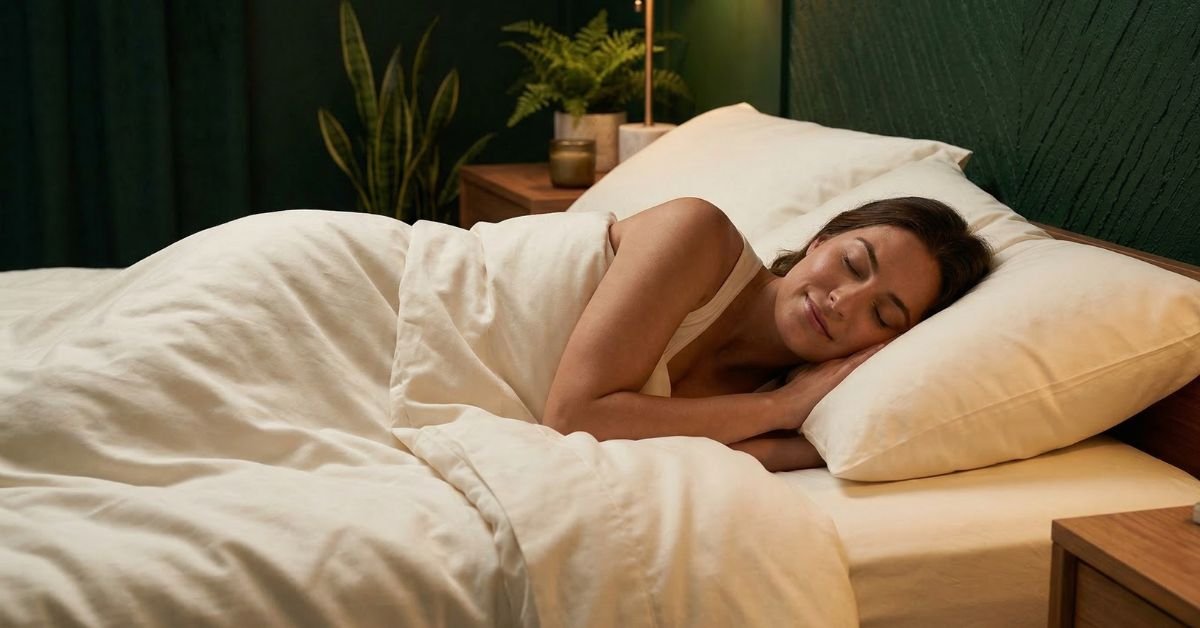
If you wake up with a stuffed-up nose, itchy skin, or puffy eyes, your bed might be the culprit rather than the solution. Most people don't realize that an allergic reaction to bed sheets is incredibly common, usually triggered by dust mites, pet dander, or the harsh chemicals used to treat synthetic fabrics.
Switching to allergy-friendly sheets isn't just about luxury; it’s about creating a physical barrier between you and the triggers that ruin your sleep.
When people start researching cleaner bedding, the first question is usually: Are bamboo sheets good for allergies? The answer is a definitive yes.
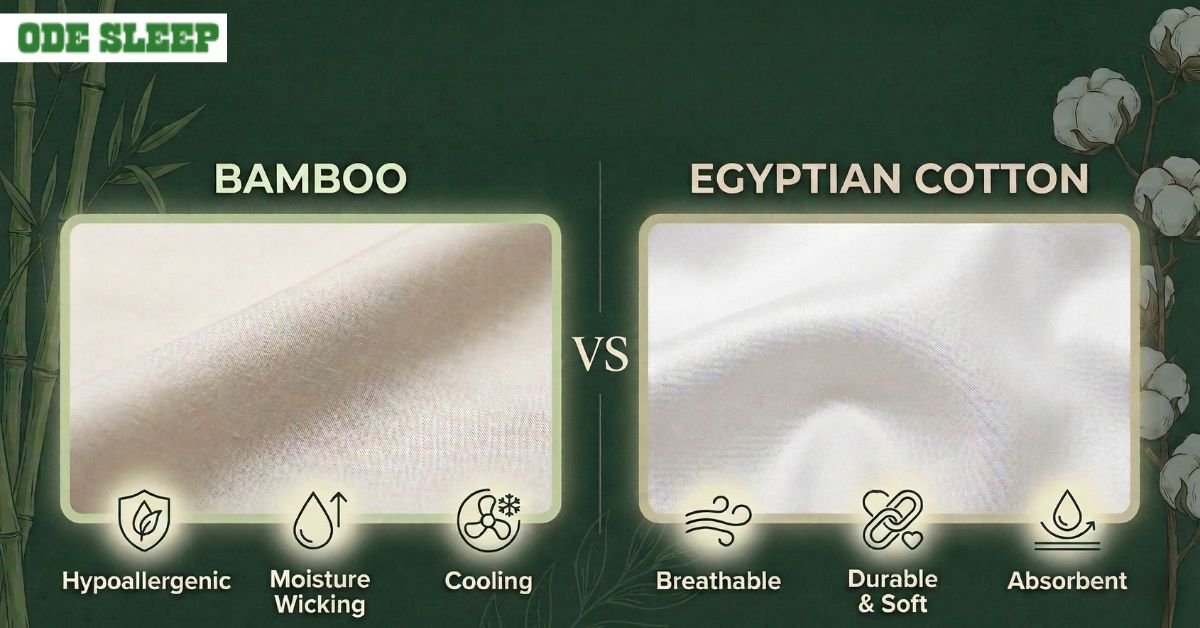
Bamboo is naturally resistant to dust mites and mold, which are the two biggest offenders in the bedroom. Because the fibers are round and smooth, they don't trap the microscopic debris that lives in the "cracks" of coarser fabrics like low-quality cotton or polyester.
Yes, and here is why that matters. To be truly "hypoallergenic," a material must be unlikely to cause an allergic response. Because bamboo grows without the need for heavy pesticides and contains a natural bio-agent called "bamboo kun," the resulting fabric is inherently hostile to bacteria and pests. Using sheets that are bamboo sheets hypoallergenic means you're breathing cleaner air for eight hours every night.
Discover the comfort of our Oeko Tex Certified Bamboo Sheets
It doesn’t help to have clean sheets if your heavy blanket is a dust magnet. Choosing the right comforter for allergies is the final piece of the puzzle.
Not sure if your bedding is the problem? Look for these three signs of an allergic reaction to bed sheets:
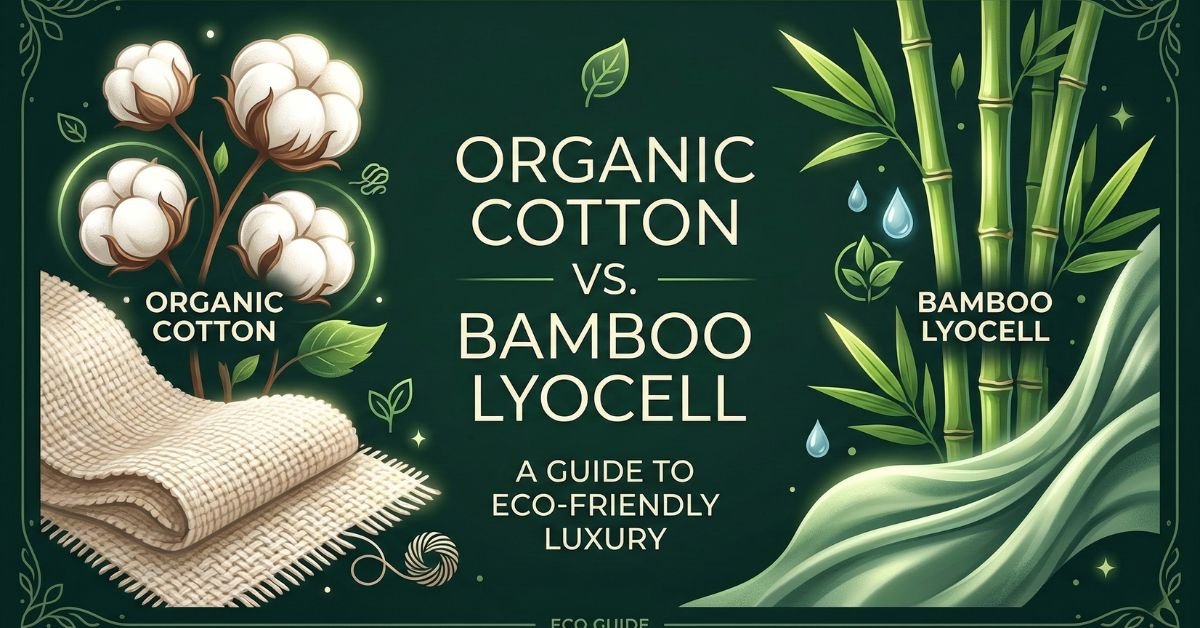
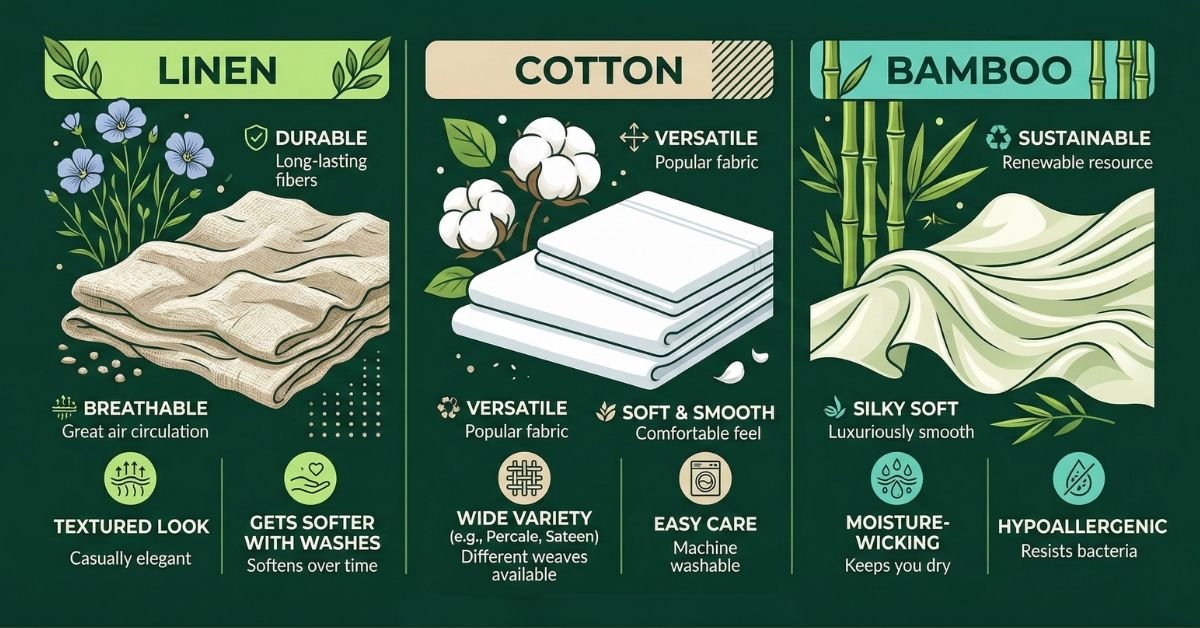
If you want to stop the sneezing and start sleeping, the move is clear. Start with allergy-friendly sheets made from bamboo or organic cotton, and pair them with a washable, hypoallergenic comforter. Your lungs (and your skin) will thank you.
Frequently Asked Questions (FAQs):
The best sheets for allergies are those made from natural, hypoallergenic materials like bamboo or organic cotton, as their breathable fibers naturally repel dust mites and mold while staying free of irritating synthetic chemicals.
You’re likely waking up with a stuffy nose because your bedding is trapping dust mites and allergens, which stay close to your face all night and trigger a localized allergic reaction in your sinuses.
Bamboo sheets are generally better for allergies than cotton because their round, smooth fibers are naturally more resistant to moisture and dust mites, whereas the coarser texture of cotton can trap allergens more easily over time.
Yes, changing your sheets frequently helps with acne because it prevents the buildup of sweat, dead skin cells, and bacteria that otherwise transfer back to your skin and clog your pores every night.


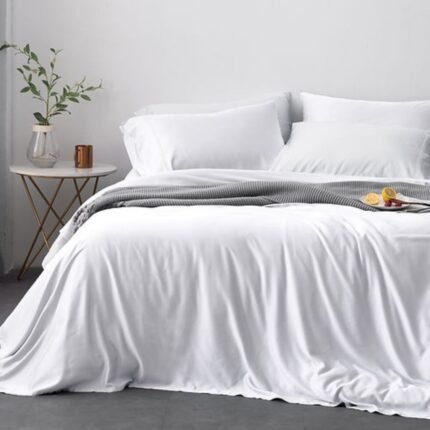 Island 100% bamboo bed sheet set
$65.00 – $80.00Price range: $65.00 through $80.00
Island 100% bamboo bed sheet set
$65.00 – $80.00Price range: $65.00 through $80.00
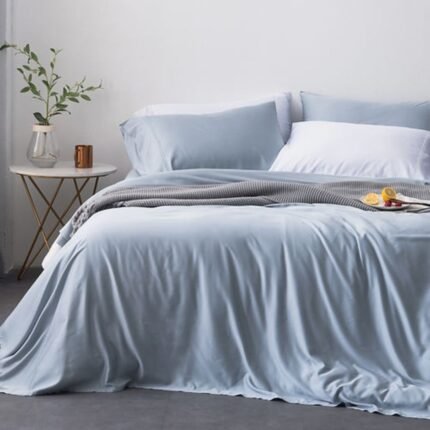 Island 100% bamboo bed sheet set | Blue
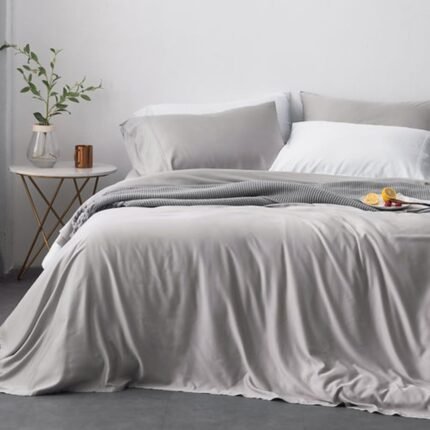 Island 100% bamboo bed sheet set | Grey
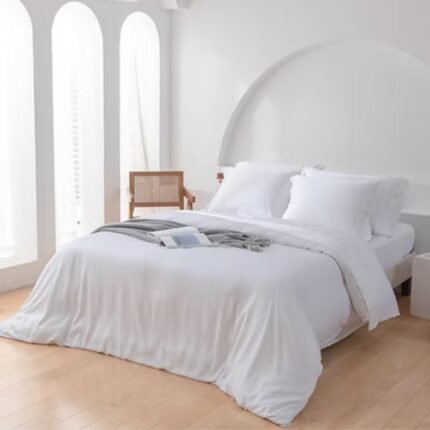 Island Bamboo Duvet Cover 100% Organic
$97.49 – $104.99Price range: $97.49 through $104.99
Island Bamboo Duvet Cover 100% Organic
$97.49 – $104.99Price range: $97.49 through $104.99
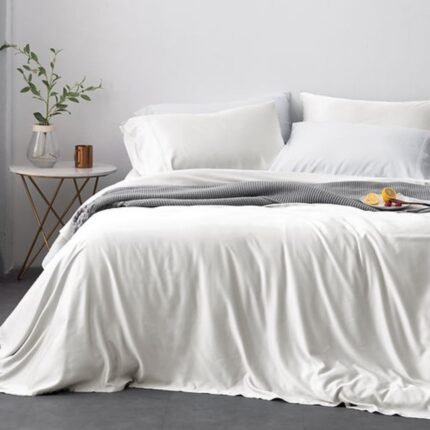 Island 100% bamboo bed sheet set | White Sand
No account yet?
Create an Account