
Blog
Bamboo vs. Silk Sheets: Best for Skin, Hair, and Sensitive Skin

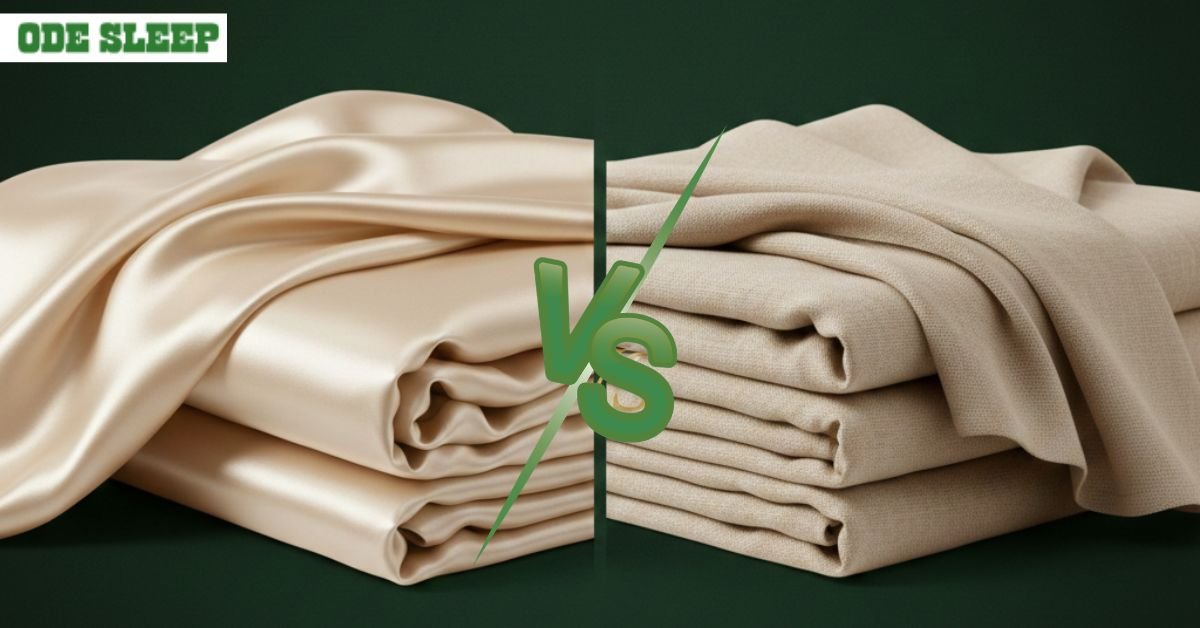
In the world of high-end bedding, two materials consistently fight for the crown of "ultimate luxury." Whether you are looking for that liquid-smooth hotel feel or a fabric that saves your skin from morning creases, the silk vs bamboo sheets debate is one every comfort-seeker eventually faces.
While both fabrics offer a massive upgrade over traditional cotton, they serve different needs. Here is the ultimate guide to help you decide between bamboo or silk sheets for your next bedroom refresh.
Texture and Sleep Experience
The biggest difference between the two is the "slip."
Silk: Authentic mulberry silk is the gold standard of frictionless surfaces. It feels like liquid against the skin, cool, shimmering, and exceptionally smooth.
Bamboo: Most bamboo sheets (viscose or lyocell) provide a "buttery" softness. They are incredibly drapey and soft, similar to a high-end sateen, but with a bit more grip than silk.
Bamboo vs Silk Sheets for Sensitive Skin
If you deal with allergies, eczema, or acne, your sheets can be your best friend or your worst enemy.
Silk is naturally hypoallergenic and contains the protein sericin, which helps skin retain moisture. It is widely considered the best option for anti-aging and preventing hair breakage because it doesn't "tug" on the skin.
Bamboo is a powerhouse for those who run hot. It is naturally antimicrobial and more breathable than silk. If your skin sensitivity is triggered by sweat or bacteria (like "backne"), bamboo’s superior moisture-wicking properties make it the better choice to keep you dry and clear.
Bamboo vs Silk Sheets Durability
When it comes to bamboo vs silk sheets durability, bamboo is the clear winner for the average household.
Bamboo: These sheets are resilient. They can typically handle a standard cold machine wash and get softer with every cycle. High-quality bamboo can easily last 5–10 years.
Silk: Silk is delicate. It is prone to snagging on rough skin or jewelry and often requires hand-washing or expensive dry cleaning. Over time, silk can lose its luster if not treated with extreme care.
Silk vs Bamboo Cost Difference Sheets
The cost difference between silk and bamboo is one of the most significant factors for buyers.
Silk: A high-quality Mulberry silk sheet set is an investment, usually ranging from $300 to $700+.
Bamboo: You can find premium, 100% organic bamboo sets for $100 to $200. You get a luxury experience at about a third of the price of silk.
Comparison
Feature | Bamboo Sheets | Silk Sheets |
Material Origin | Bamboo Plant (Vegan) | Silkworm Cocoons |
Feel | Buttery, Soft, Drapey | Liquid, Slippery, Shiny |
Cooling | Exceptional (Wicks moisture) | Good (Regulates temp) |
Sensitive Skin | Great for Acne/Allergies | Best for Dry Skin/Anti-aging |
Maintenance | Machine Washable | Hand Wash / Delicate Only |
Price | $120 – $180 | $400 – $600 |
Final Recommendation
Choose Bamboo Sheets if: You want an eco-friendly, "everyday luxury" set that is easy to wash and keeps you ice-cool throughout the night. It is the best value for your money.
Choose Silk Sheets if: You prioritize beauty benefits (hair and skin) above all else and don't mind the high price tag or the extra laundry time. It is the ultimate "treat yourself" purchase.
Frequently Asked Questions (FAQs):
Is bamboo better than silk for hair?
Bamboo is generally better for hair because its moisture-wicking properties prevent sweat buildup, whereas silk's non-absorbent nature can leave hair greasy. Additionally, bamboo provides a more durable, vegan-friendly surface that reduces friction and frizz just as effectively as silk.
Is bamboo or silk better for skin?
Yes, Bamboo is often better for sensitive or acne-prone skin because it is naturally antibacterial and more breathable, which helps regulate temperature and prevent breakouts. While silk is excellent for reducing friction and wrinkles, bamboo’s superior moisture-wicking and hypoallergenic properties make it a more practical choice for daily skin health.
What are the healthiest sheets to sleep on?
The healthiest sheets are GOTS-certified organic cotton and European flax linen, as they are naturally hypoallergenic and free from toxic pesticides or formaldehyde. Bamboo Lyocell is also a top choice for its antibacterial properties and chemical-free, closed-loop manufacturing.